

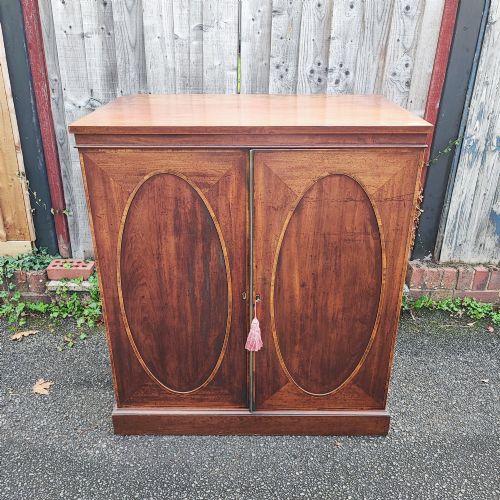
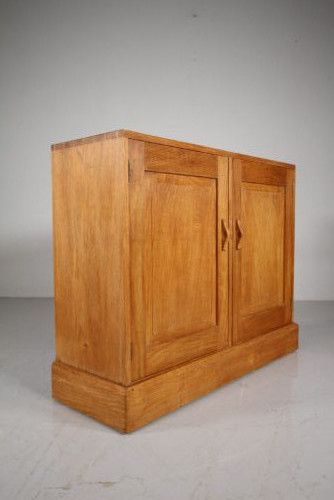
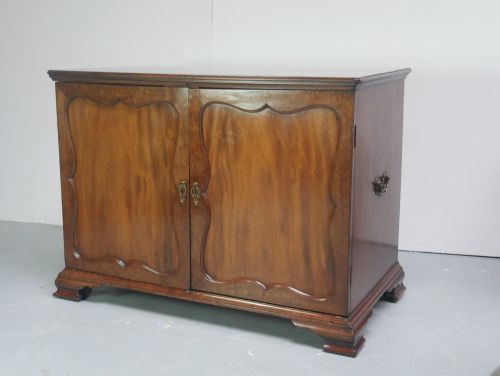
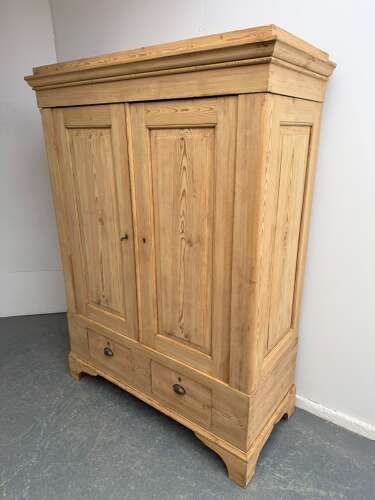




Low Linen Cupboard
A low linen cupboard offers generous storage beneath a compact height, making it a practical choice for bedrooms and dressing rooms.
Low Linen Cupboard
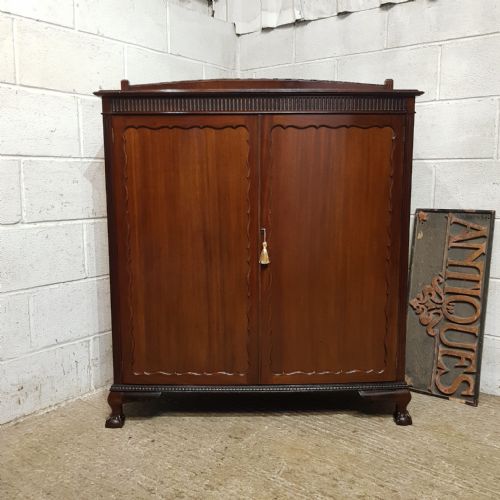
A low linen cupboard sits lower than a traditional tall wardrobe, providing double-door storage for garments and household textiles within a compact vertical footprint. These pieces often take the form of press cupboards, dwarf wardrobes, or compactum cabinets designed to fit beneath lower ceilings.
Examples span the eighteenth, nineteenth, and early twentieth centuries, drawing on Georgian, Regency, Victorian, and Edwardian cabinet-making traditions. The selection includes country pine pieces intended for painted finishes alongside formal town furniture.
Timbers range from native oak and deal to imported hardwoods like mahogany and satinwood, often enhanced with flame veneers or boxwood inlay. Regional pieces such as Welsh oak presses sit alongside refined George III designs attributed to specific makers.
How they were made
Carpenters constructed carcasses from solid hardwoods and softwoods, utilising oak, pine, and mahogany for structural integrity. Panels were frequently framed and panelled to accommodate seasonal wood movement without splitting.
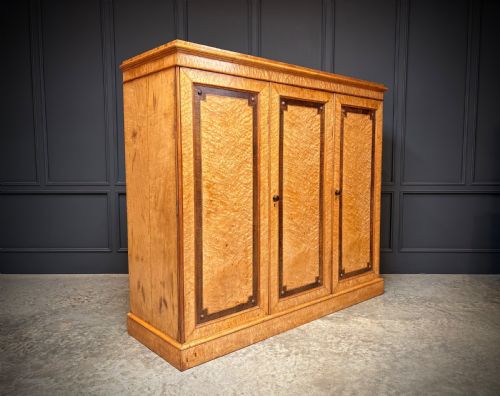
Surface decoration relied on figured timbers, employing flame mahogany veneer, Hungarian ash, birds eye maple, and satinwood to create visual depth. Details like boxwood inlay and brass hardware provided contrasting accents against the polished wood.
Interiors were fitted with sliding linen trays, shelves, or hanging space depending on whether the piece functioned as a press or a wardrobe. Drawers utilised traditional hand-cut dovetail joints, reflecting the standard of workshop construction.
Low Linen Cupboard Retail Price Guide 2026
Typical asking prices for low linen cupboard among the pieces listed under this phrase on Sellingantiques today, from the lower quarter to the upper quarter. They describe what is for sale here now, not the wider market.
What varies in quality
The choice of primary timber and veneer sets the baseline for quality, moving from utilitarian pine built for country cottages to highly figured plum pudding mahogany and satinwood selected for formal rooms. Choice figures in the wood grain demand greater skill from the cabinet maker during selection and application.
Construction details reveal the standard of workshop production, distinguished by hand-cut dovetailing in interior drawers and the precision of boxwood inlay work. Finer examples exhibit considered proportions, such as flared cornices or raised galleries that elevate the architectural presence of a low cabinet.
Lamb of Manchester·Gillows
The Low Linen Cupboard Glossary
- Linen press
- A tall or low cabinet featuring upper doors enclosing sliding trays for linen, positioned above a base of deeper storage drawers.
- Dwarf cupboard
- A scaled-down storage piece designed with a reduced height compared to standard tall wardrobes or presses.
- Flame mahogany veneer
- A decorative wood veneer sliced from timber where the grain burls, creating a distinctive flickering flame pattern across the surface.
- Compactum
- A fitted wardrobe or cupboard subdivided into multiple internal compartments for hanging, shelves, and drawers.
- Boxwood inlay
- Narrow strips of pale boxwood set flush into the primary timber surface to form geometric borders and decorative lines.
Low Linen Cupboard: Frequently Asked Questions
What is a low linen cupboard?
A low linen cupboard is a piece of storage furniture designed with a reduced height, housing shelves, sliding trays, or hanging space behind doors. These items combine surface utility with internal storage while maintaining a low profile.
They appear across various periods from Georgian country workshops to Victorian parlours, utilising timbers such as oak, mahogany, and pine.
How were low linen cupboards used?
These cupboards stored household textiles, folded linen, and garments in bedrooms and dressing rooms before built-in closets became standard. The internal sliding trays kept textiles organised and accessible without deep stacking.
In modern homes, they function well as bedroom storage units, hallway cabinets, or living room media storage thanks to their proportions.
How do I tell periods apart?
Georgian and Regency pieces often feature solid mahogany, flame veneers, and formal bracket feet, reflecting classical furniture proportions. Victorian and Edwardian examples introduce varied timbers like birds eye maple, satinwood, and stylistic elements from the Arts and Crafts movement.
Construction methods also guide dating, as hand-cut dovetails and pegged joints generally precede later mechanical fastenings.
Are these cupboards suitable for modern bedrooms?
Their reduced height makes low linen cupboards well-suited to rooms with restricted vertical clearance or where a heavy, full-height wardrobe would overwhelm the floor space. They provide substantial enclosed storage while leaving the upper wall area open.
Unpainted pine versions also offer flexibility for those wishing to finish the wood with wax or paint to match contemporary interiors.