
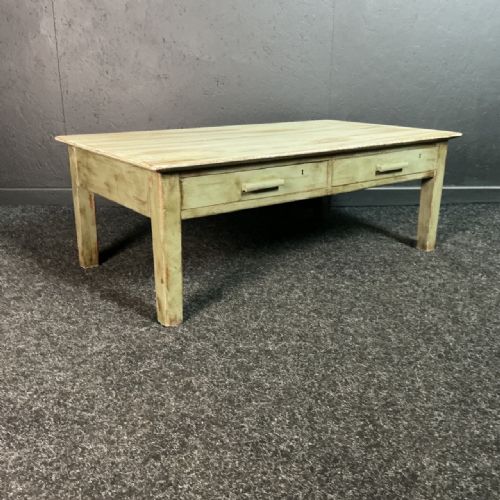


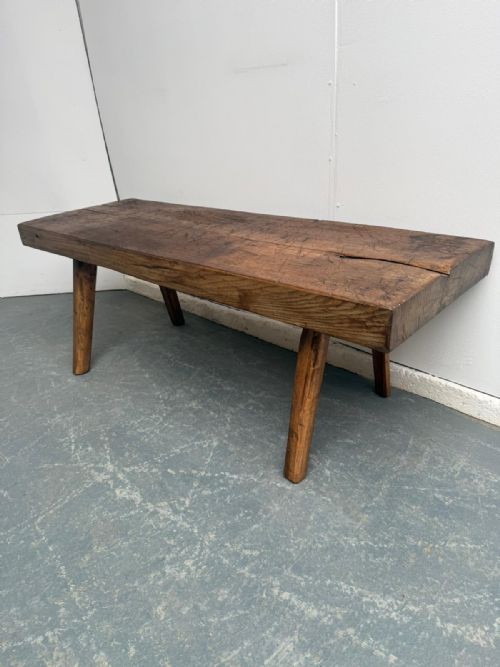


Low Hardwood Coffee Table
A low hardwood coffee table brings proportion, grain and history to a room, drawing the eye down and grounding the space.
Low Hardwood Coffee Table
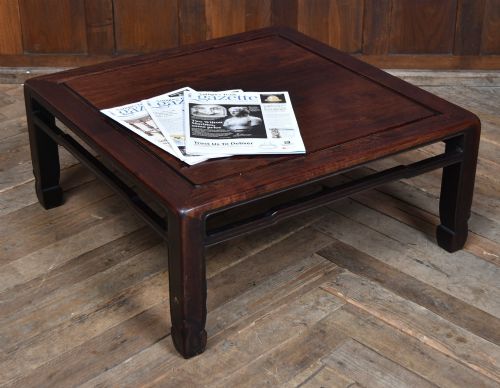
A low hardwood coffee table encompasses pieces that started life in various domestic capacities before finding a modern role at floor level, including traditional Kang and opium tables from China, provincial European benches, and tables brought home from India.
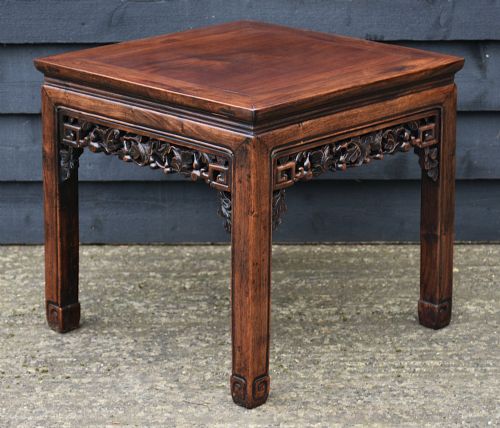
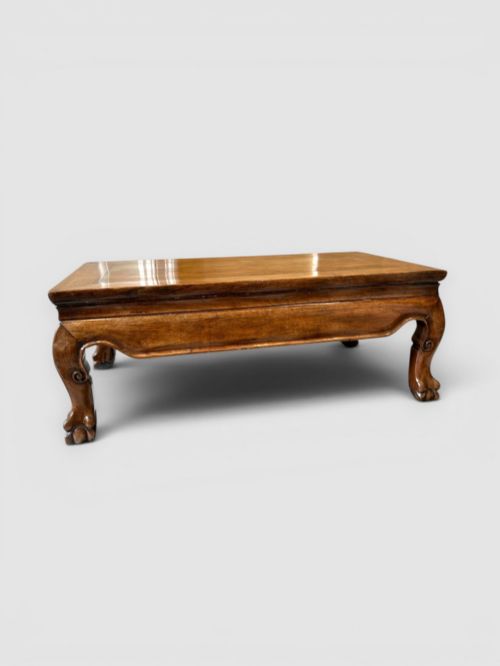
The Chinese examples frequently display scroll ends, carved apron details, and dense rosewood or padouk timbers that suit low seating arrangements.
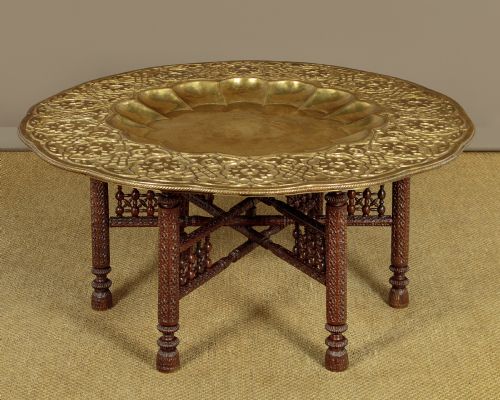
European variants include narrow Hungarian oak and hardwood pig benches adapted for domestic use, alongside occasional tables and stools from South Asia.
How They Were Made
Makers utilised dense timbers such as rosewood, padouk, oak, elm and teak, selecting them for structural strength and rich grain patterns.
Joinery methods relied on traditional frames and pegged construction, allowing panels to move naturally with changes in temperature and humidity.
Surfaces were often finished with hand-rubbed wax or polish, highlighting the natural patination of the hardwood over decades of use.
Listings span periods from the Victorian era and the nineteenth century through to the early twentieth century, incorporating traditional Chinese, Anglo-Indian and rustic European forms.
What Varies in Quality
Quality rests upon the integrity of the timber selection and the crispness of any hand-carved ornamentation, such as scroll ends or pierced aprons.
Tables retaining their original surface patination and finish stand apart from those stripped or overly restored in later years.
Proportion and structural balance dictate success, with better examples maintaining harmonious lines between the low top and the supporting legs.
The Low Hardwood Coffee Table Glossary
- Kang table
- A low platform table traditionally placed upon a heated brick bed in northern China for resting, dining or writing. These forms translate directly into low coffee tables today.
- Padouk
- A heavy, durable tropical hardwood noted for its reddish-brown colour and stability. It was frequently chosen for fine Chinese tables.
- Hongmu
- A generic Chinese term translating to red wood, used for dense and prized exotic hardwoods such as rosewood and huanghuali. Pieces in hongmu display exceptional weight and grain.
- Patina
- The surface sheen and colour developed by hardwood through handling, age and polishing over generations. It indicates genuine antique status.
Low Hardwood Coffee Table: Frequently Asked Questions
What is a Kang table?
A Kang table is a low Chinese table designed to sit upon a heated sleeping platform, used historically for serving tea, writing or resting.
Today, their low profile makes them practical coffee tables that sit comfortably in modern living spaces.
How do I care for hardwood?
Hardwood furniture benefits from occasional treatment with appropriate natural waxes to nourish the grain and protect the surface from drying out.
Keep tables away from direct heat sources and sudden humidity changes to preserve the historic timber.
Are these tables sturdy enough for daily use?
Most of these tables were built for domestic utility using traditional joinery and dense hardwoods designed to bear weight.
While historic items deserve careful handling, they are structurally robust enough to function as everyday coffee tables.
How do I identify Chinese Qing Dynasty pieces?
Qing Dynasty pieces often feature distinct characteristics such as scroll-end aprons, carved detail, and traditional joinery executed in dense timbers like rosewood.
Examining the construction methods and the depth of the surface patination helps determine the age.