
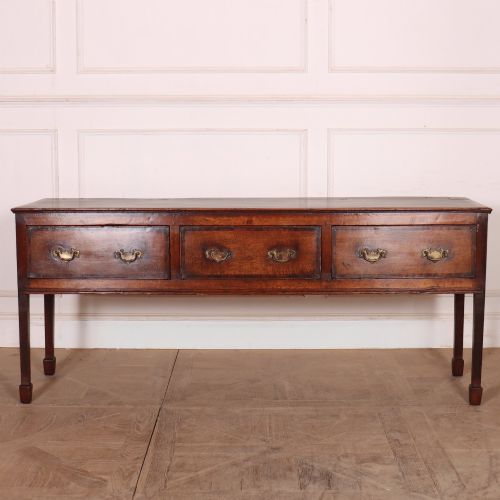

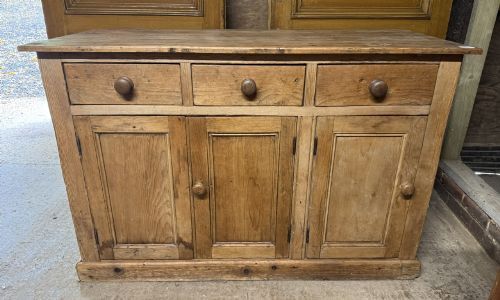
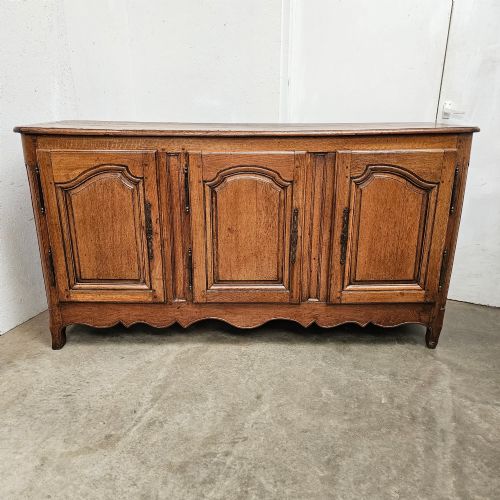
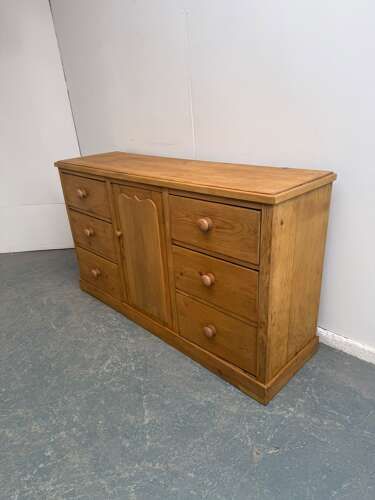
Low Country Dresser Base
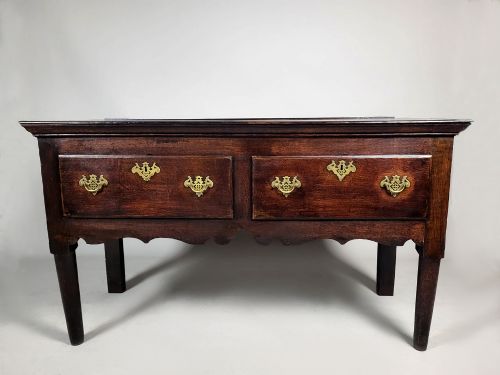
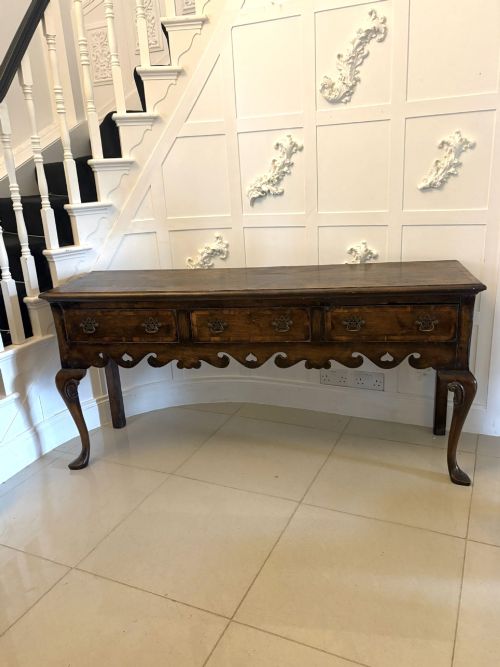
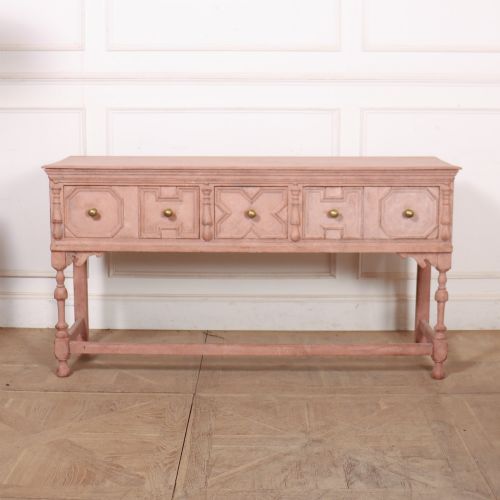
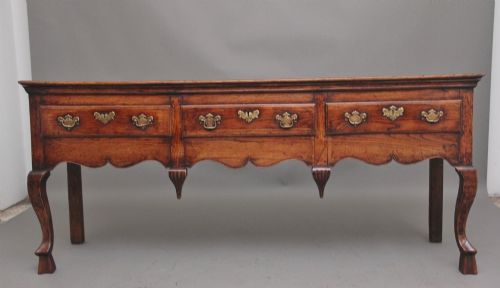
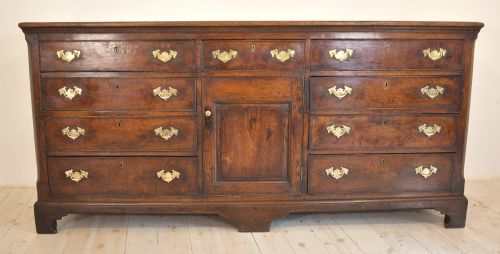
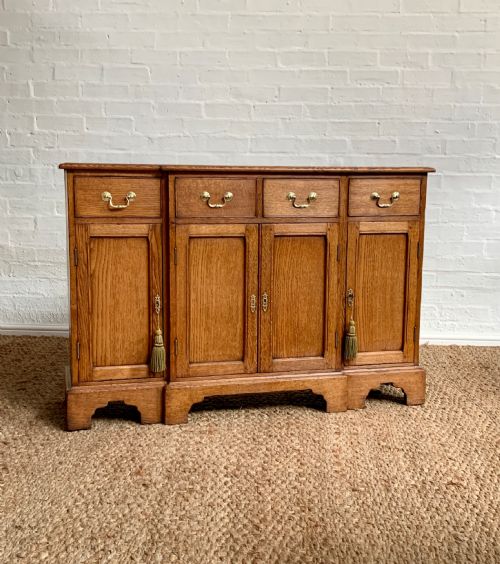
These low country dresser bases are sturdy, timber-built kitchen and dining workhorses that bring practical surface area and deep drawer storage to any interior.
Low Country Dresser Base
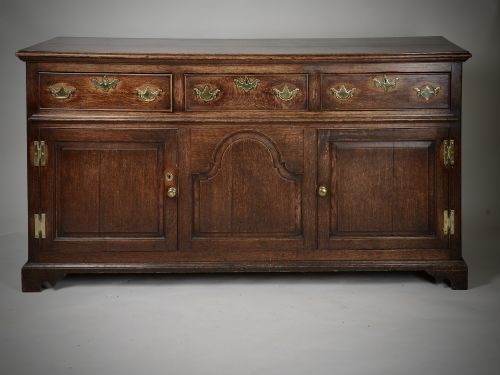
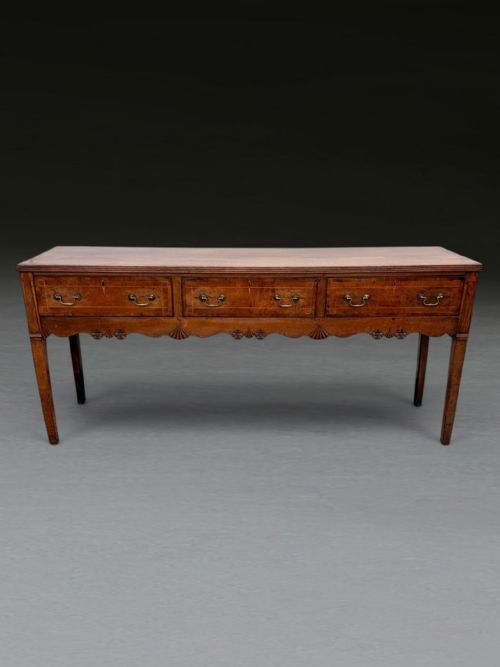
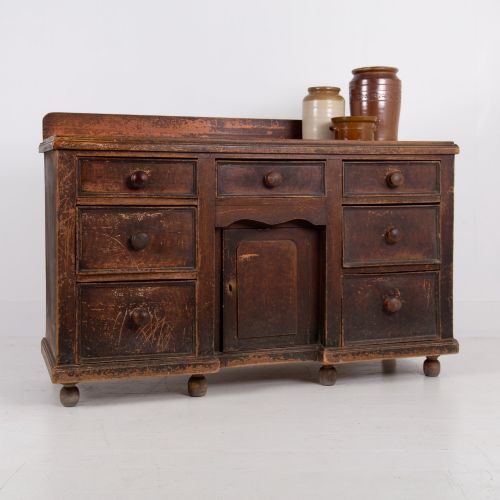
A low country dresser base is a heavy, functional sideboard or serving table designed for rural homes to store kitchenware and display provisions. When exploring this selection, buyers frequently encounter substantial timbers shaped during the eighteenth and nineteenth centuries.
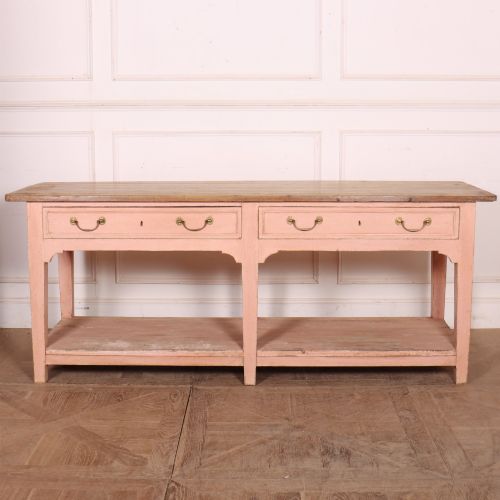
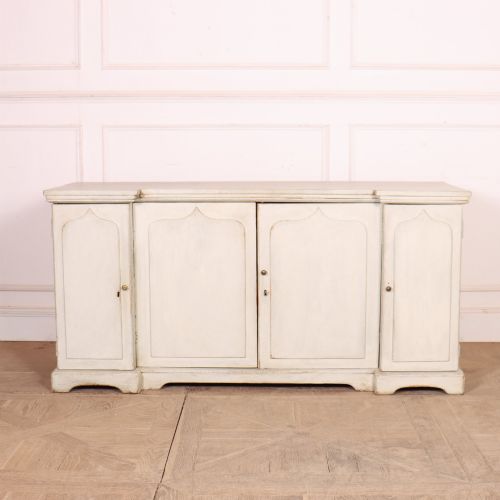
Surviving formats range from compact fruitwood consoles to wide breakfront cupboards and painted pine units. The majority reflect straightforward regional carpentry intended for hard-wearing domestic environments rather than formal salons.
Materials and Construction Techniques
Construction relies heavily on native hardwoods such as oak, elm and fruitwood, alongside resilient pine for secondary timbers and drawer linings. Joinery methods typically combine pegged mortise and tenon frames with hand-cut dovetails on drawer construction.
Surface treatments vary from polished waxed finishes that highlight deep timber grain to layers of original or historic paint. Metalwork components, including brass drop handles and iron hinges, are secured directly to the wooden structure.
Base configurations often incorporate potboards for storing heavy platters or integrated drawers running beneath the main serving surface. Structural heft is achieved through thick plank tops and robust vertical supports rather than delicate veneers.
Listings feature eighteenth and nineteenth-century examples built predominantly from oak, pine, elm and fruitwood across British and French provincial styles.
Assessing Build Quality and Authenticity
The degree of original surface survival largely dictates the character of a piece, distinguishing untouched historic patination from heavy later restoration. Timber selection also plays a part, with dense quarter-sawn oak and figured fruitwood representing the upper tier of regional craftsmanship.
Proportional harmony and the retention of period hardware, such as brass drop handles or brasses, contribute to a cohesive appearance. Subtle regional details, like shaped aprons or disciplined moulding profiles, separate standard utility pieces from finer country workshop outputs.
The Low Country Dresser Base Glossary
- Potboard
- An open lower shelf built into the base of a dresser, historically used for storing heavy pots, pans and serving platters off the damp floor.
- Breakfront
- A cabinet or sideboard whose central section projects forward from the flanking outer wings.
- Enfilade
- A long sideboard or cabinet featuring a continuous row of multiple doors, commonly associated with French provincial dining rooms.
- Fruitwood
- Dense, fine-grained timber sourced from fruit-bearing trees like pear, apple or cherry, utilised by regional cabinetmakers for smaller decorative elements or entire carcases.
- Dovetail
- A traditional interlocking wood joint formed by interlocking wedge-shaped pins and tails, prized for its tensile strength in drawer construction.
Low Country Dresser Base: Frequently Asked Questions
What is a low country dresser base?
A low country dresser base is a heavy wooden sideboard or serving table designed for rural domestic use to provide surface space and drawer storage.
These pieces typically date from the eighteenth and nineteenth centuries and reflect regional vernacular carpentry traditions from Britain and France.
How were these dressers used historically?
They served as central work surfaces in kitchens and dining rooms for food preparation, serving meals and storing culinary utensils.
The lower drawers and open potboards held heavy pots, ceramics and household provisions within easy reach of the hearth.
Can I use one in a modern kitchen?
Their sturdy timber construction and generous surface area make them well-suited for modern kitchen islands, sideboards or hallway storage.
They pair effectively with contemporary interiors by adding warmth, texture and practical enclosed storage beneath a robust wooden top.
How do I care for a waxed oak surface?
Regular application of traditional beeswax helps nourish the historic timber and maintains a protective barrier against everyday moisture.
Avoid placing the furniture near direct heat sources and use coasters or mats to protect the ancient wood from liquid marks.
What distinguishes Welsh dressers from English ones?
Regional differences often appear in the timber choices, moulding profiles, apron shapes and overall proportions used by local country workshops.
While both utilise native hardwoods like oak and elm, Welsh examples frequently display distinct vernacular joinery and layout characteristics.