



Low Console Table
A low console table offers grounded proportion and versatile surface space, making it a practical choice for hallways and living rooms.
Low Console Table
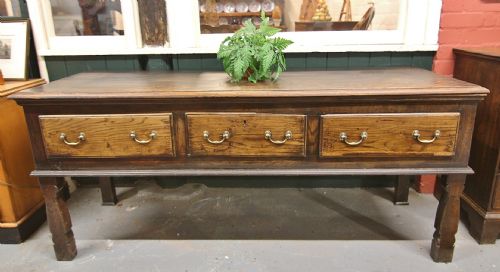
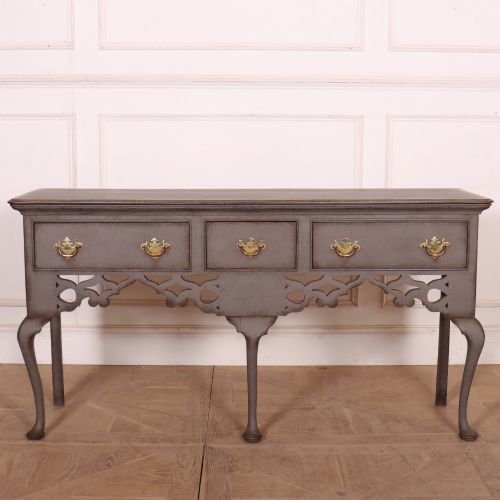
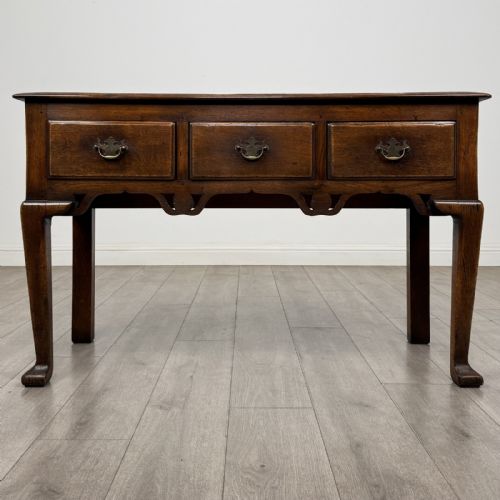
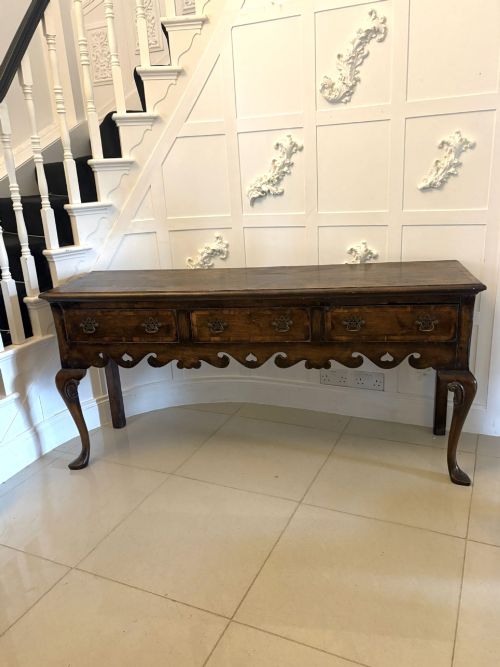
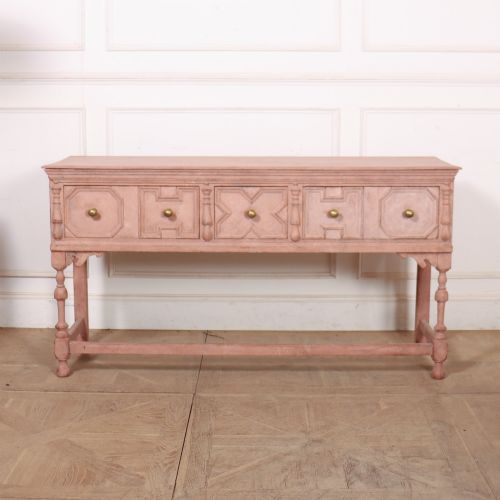
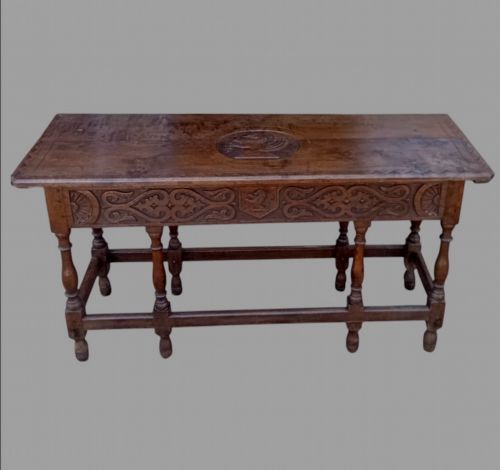
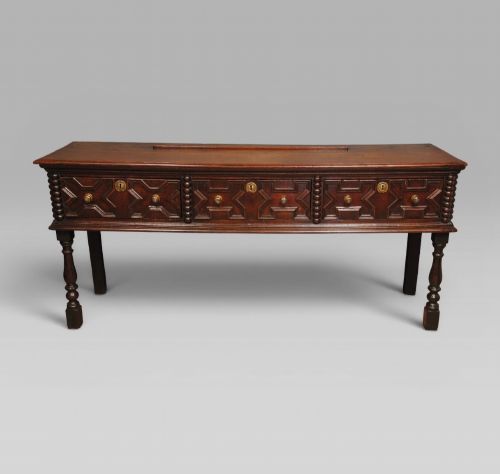
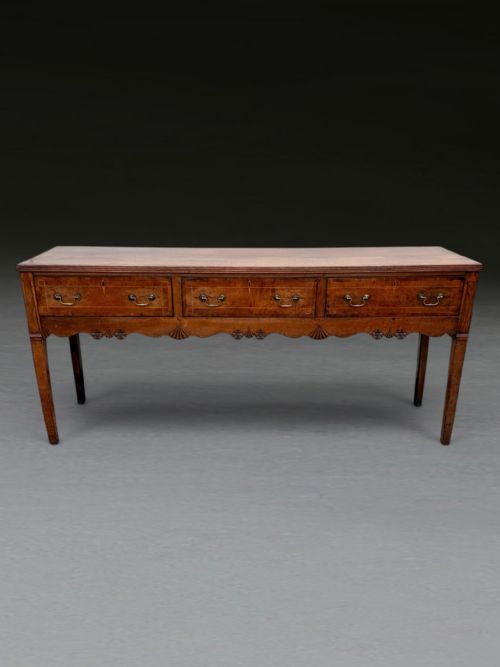
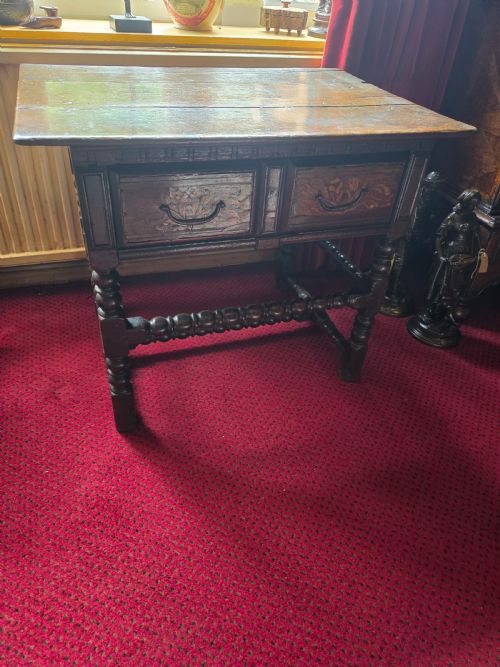
A low console table is primarily represented here by oak dresser bases, low boys, and side tables dating from the seventeenth century through the twentieth century. These pieces function as long, shallow surfaces designed to sit flat against a wall without dominating a room.
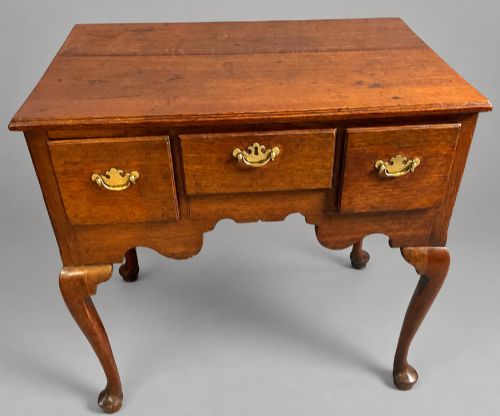
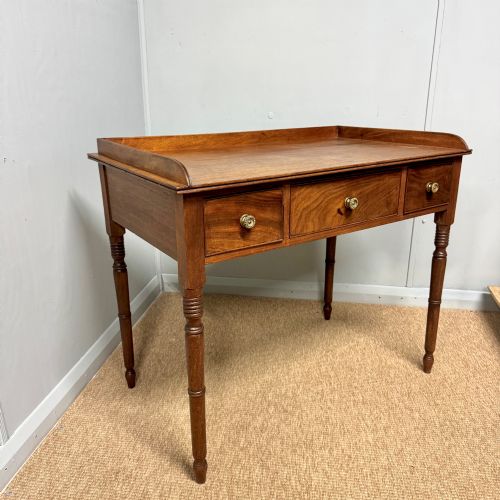
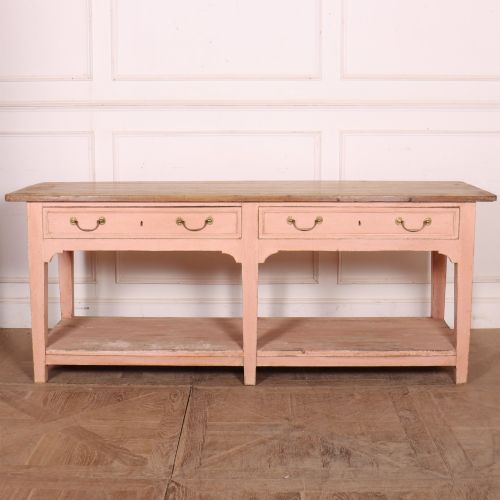
The most common forms you will encounter are English and Welsh oak dresser bases alongside mahogany and elm low boys. They often feature drawers beneath the top surface and occasionally lower potboards for open storage.
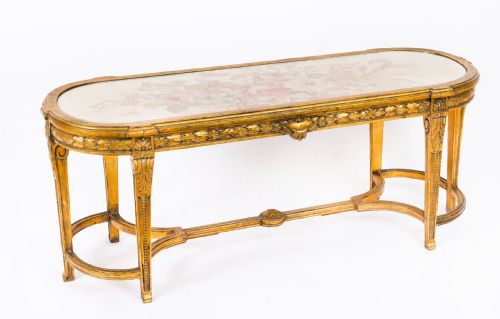
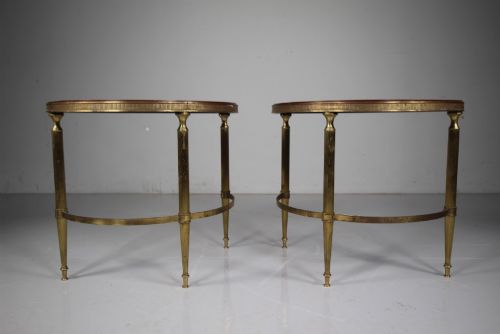
Beyond standard British vernacular forms, the selection includes French provincial serving tables, Chinese hardwood trestle tables, and giltwood coffee tables from later periods. Each variation adapts the low surface format to different regional tastes and domestic uses.
Materials and construction
Timber selection dictates the character of these tables, with solid oak, elm, and mahogany forming the backbone of vernacular and formal pieces alike. Joinery relies on traditional methods such as pegged mortise and tenon joints, dovetails for drawer construction, and hand-planed boards.
Surface treatments range from waxed natural grain and geometric mouldings to painted finishes and giltwood embellishments. Hardwood plank tops and burr walnut veneers appear frequently, showing how makers matched wood types to the intended formality of the table.
Low Console Table Retail Price Guide 2026
Typical asking prices for low console table among the pieces listed under this phrase on Sellingantiques today, from the lower quarter to the upper quarter. They describe what is for sale here now, not the wider market.
Tailors and shopkeepers once leaned bolts of cloth against these sturdy French display tables.
Judgments of quality
Quality rests in the integrity of the timber and the crispness of the hand-carved details, such as geometrically moulded drawer fronts or cabriole legs. Superior examples retain their original boards, handles, and structural fixings without heavy replacement timber.
Proportion and balance separate standard utilitarian workshop pieces from finer regional iterations. A well-balanced low table maintains clean lines and harmonious drawer placement relative to its overall length and depth.
The Low Console Table Glossary
- Dresser base
- A low wooden sideboard or table originally used in kitchens or dining rooms for food preparation and storage. It typically incorporates a row of drawers above cupboards or an open potboard.
- Low boy
- A small eighteenth-century dressing table or side table featuring short legs and one or more rows of drawers beneath the top. They are frequently constructed from oak, walnut, or mahogany.
- Potboard
- An open lower shelf built into a dresser base or side table, originally intended for storing pots and heavy kitchen utensils. It provides structural stability to the lower legs.
- Cabriole leg
- A furniture leg that curves outward at the knee and tapers inward toward the foot, often ending in a pad or club shape. This style became popular during the early eighteenth century.
- Gallery
- A low raised rail or border running along the back and sides of a tabletop to prevent items from rolling off. They appear frequently on dressing and serving tables.
Low Console Table: Frequently Asked Questions
What is a low console table used for?
These tables provide a narrow surface for display and storage in narrow spaces like hallways, entryways, and living areas. Their shallow depth allows them to sit against walls without obstructing pathways.
Historically, many of these pieces served as kitchen dresser bases or bedroom dressing tables before finding new roles as living room furniture.
How do I date an antique oak table?
Dating relies on examining the joinery techniques, tool marks left by hand planes, and the natural ageing of the timber. Drawer construction with hand-cut dovetails and pegged joints often points to earlier periods.
Hardware such as locks and handles can also offer clues, though drawer pulls are frequently replaced over centuries of use.
Are these tables suitable for everyday use?
Solid timber construction makes these tables robust enough for daily placement of lamps, books, and decorative objects. Oak, mahogany, and elm surfaces handle normal domestic wear quite well when properly waxed.
Care should be taken with antique polished or painted surfaces to avoid moisture damage and excessive heat from direct sunlight.