
Low Chair Castors
Low chair castors support compact nineteenth-century seating, keeping heavy upholstered frames mobile across period interiors.
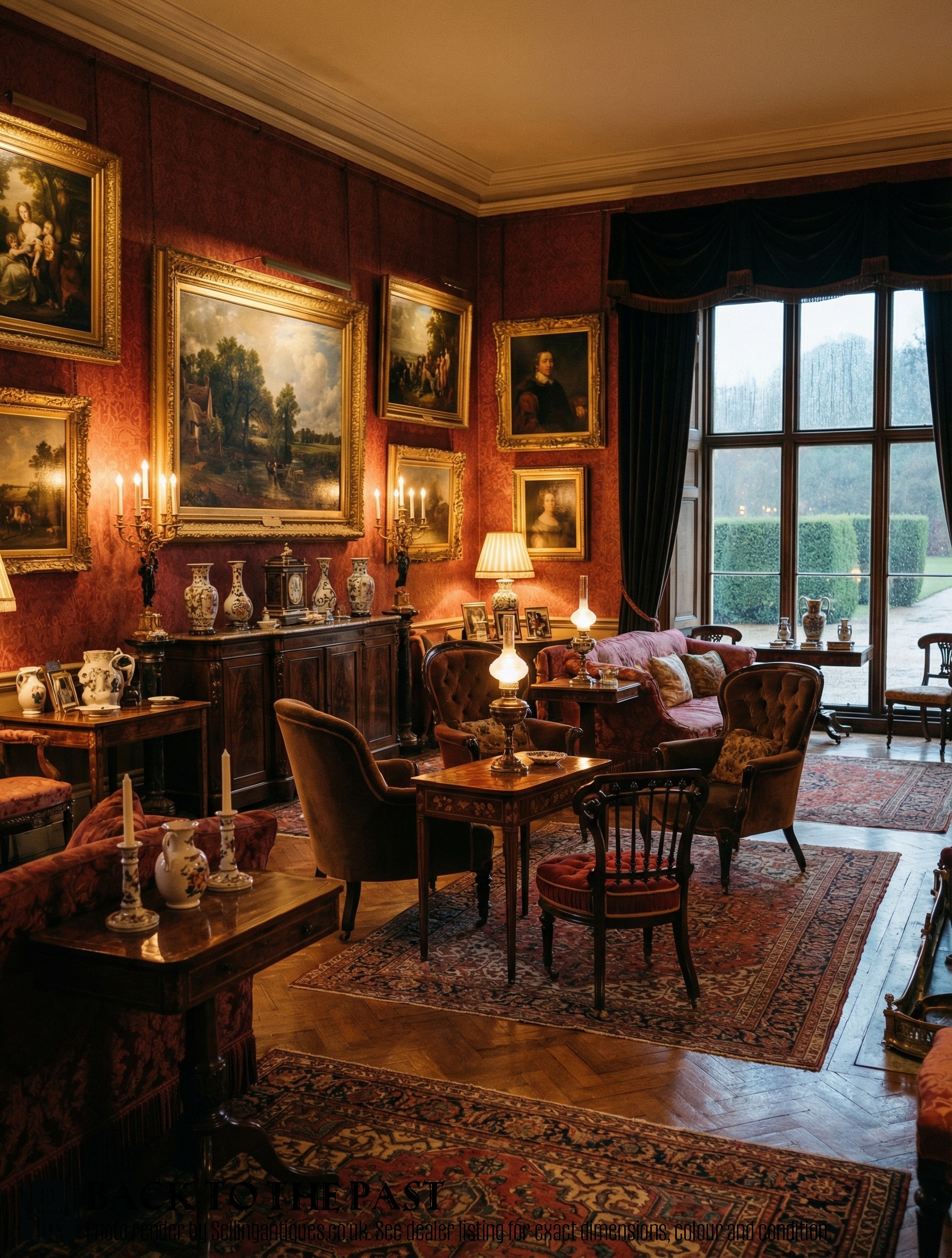
Low Chair Castors
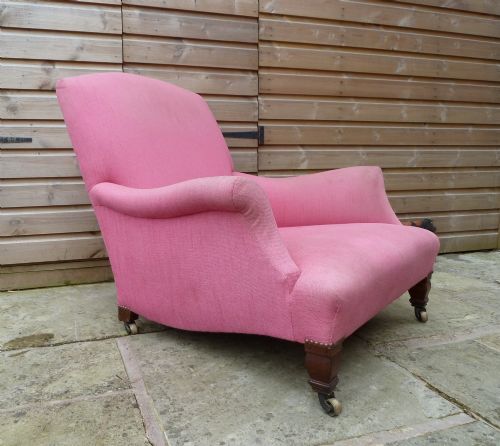
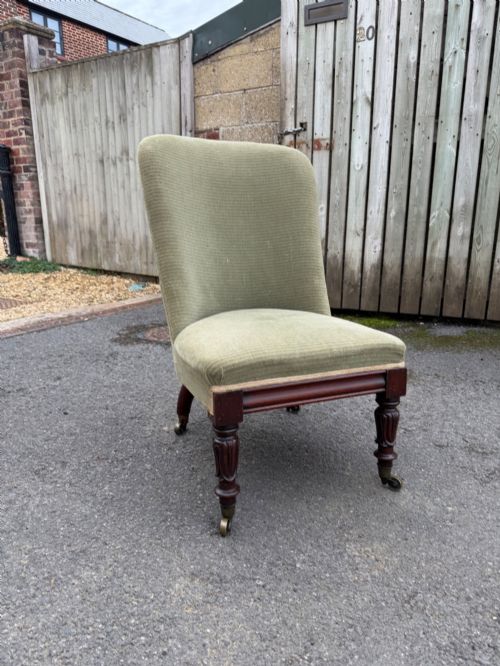
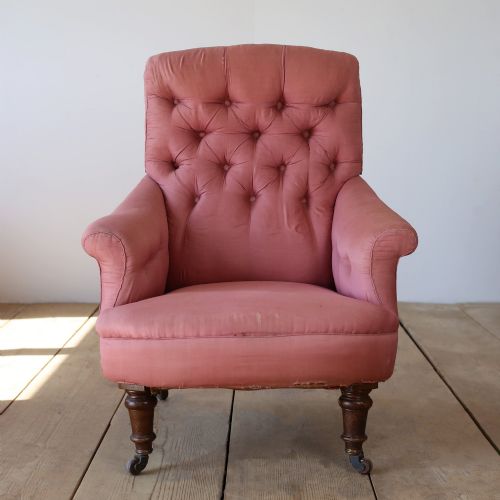
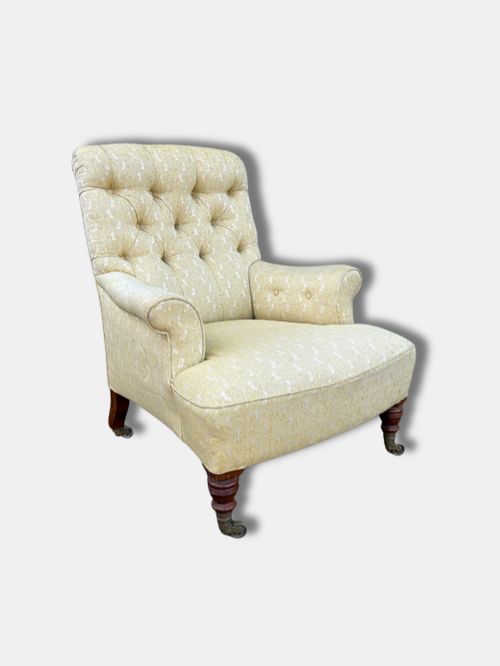
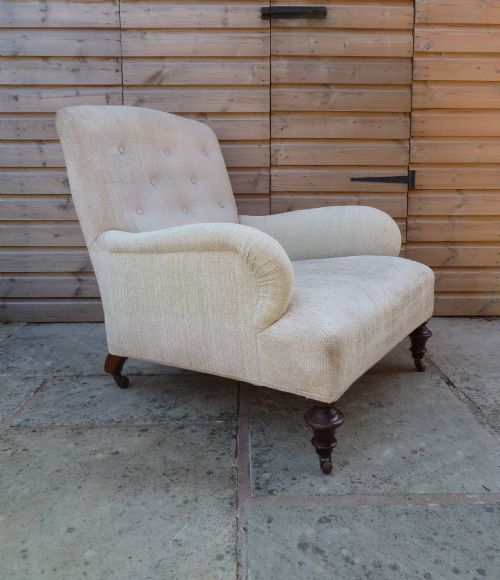
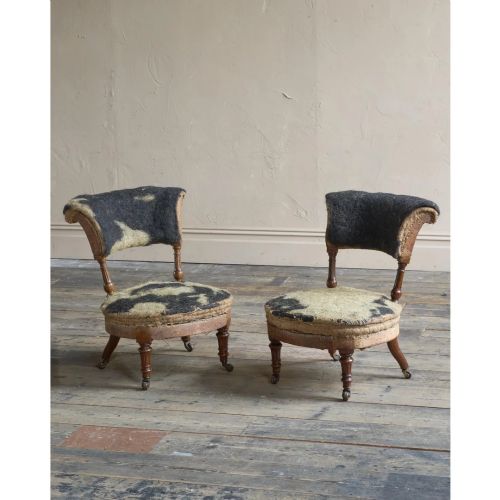
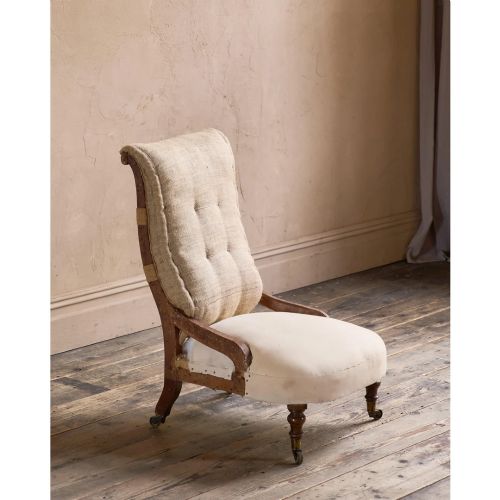
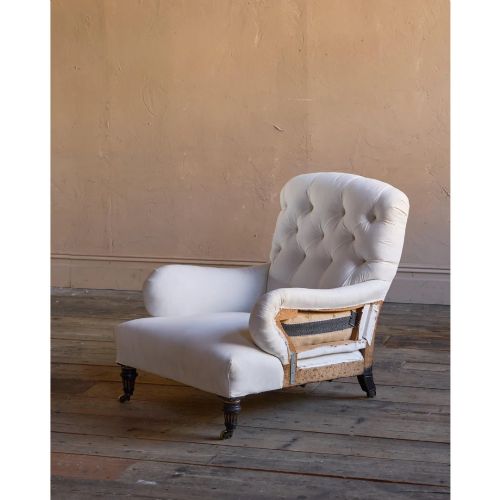
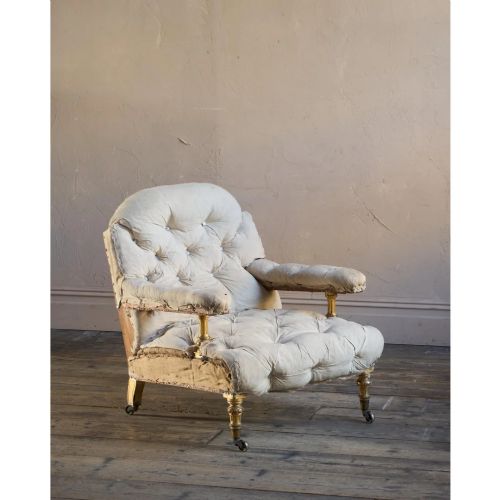
Low chair castors appear beneath nineteenth-century seating designed for intimate rooms and low tables. You will encounter them chiefly supporting armchairs, nursing chairs, and slipper chairs from the Victorian and Edwardian periods.
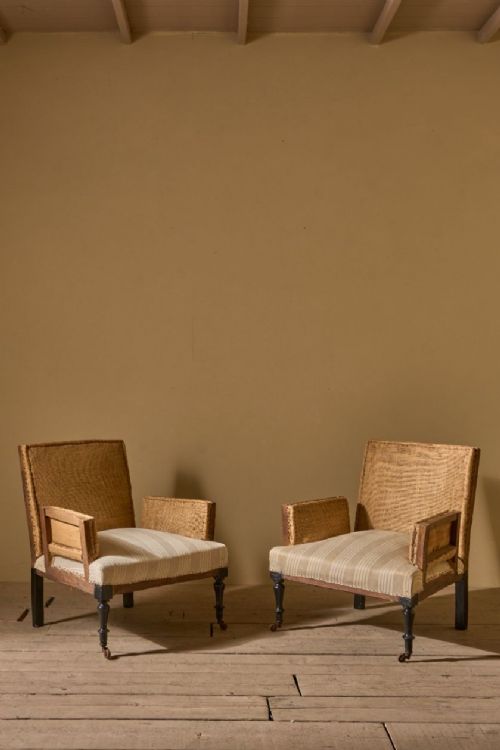
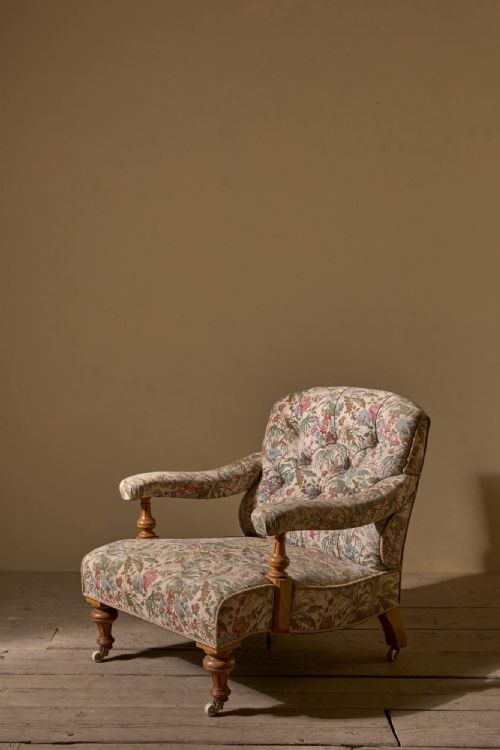
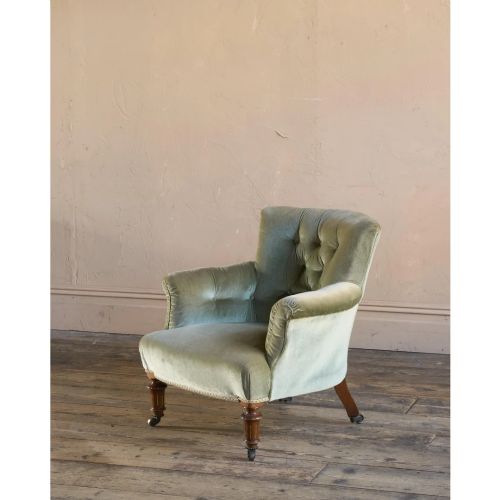
These pieces include button-back armchairs, low bedroom chairs, and substantial country house designs. The forms emphasise deep seats and lower profiles suited to nineteenth-century domestic comfort.
Georgian and George IV examples also surface alongside Napoleon III and aesthetic movement variations. Most items originate from English workshops and country houses, upholstered in fabrics ranging from ticking to velvet.
Materials and construction
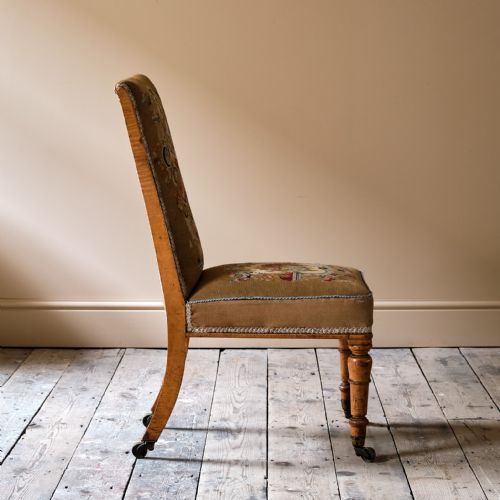
Makers built frames primarily using mahogany, hardwood, and birds-eye maple, often incorporating iron supports or ebonised and gilt finishes. Legs frequently terminate in brass fittings to protect the wood and aid movement.
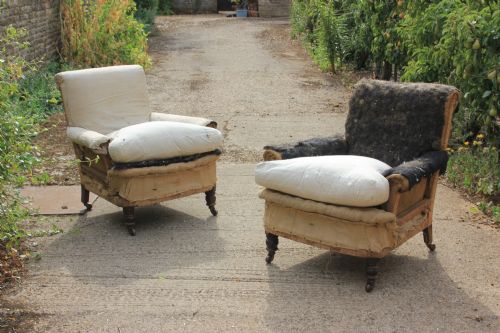
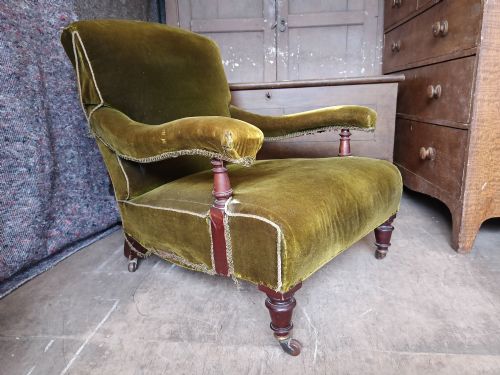
Upholstery relies on traditional stuffing enclosed in hessian, calico, and fabric layers. Outer covers span velvet, tapestry, and modern textiles like Robert Kime fabrics or traditional ticking.
Coverings recorded across the items include velvet, calico, hessian, tapestry, and traditional ticking.
Assessing the pieces
Quality rests upon the structural integrity of the hardwood frame and the retention of original maker stamps or signatures. Finer pieces demonstrate precise joinery and balanced proportions tailored to domestic comfort.
The sophistication of the timber work, from birds-eye maple to ebonised and gilt details, marks out superior workshops. Original fabric choices or high-grade replacement upholstery also distinguish the range.
Howard and Sons·Gillows·Hampton and Sons·Hindley and Sons
The Low Chair Castors Glossary
- Castor
- A small wheel fitted to the base of a piece of furniture to allow easy movement across the floor. They appear frequently on nineteenth-century armchairs and low seating.
- Nursing chair
- A low-backed armchair designed for comfort near the nursery hearth. These chairs typically sit close to the floor and feature padded upholstery.
- Slipper chair
- A low upholstered bedroom chair without arms designed for convenience when dressing. They usually stand on short legs with castors.
- Button back
- An upholstery technique where depressions are formed in the padding by stitches pulled tight and secured with buttons. This creates a distinctive diamond pattern on the backrest.
Low Chair Castors: Frequently Asked Questions
What are low chair castors used for?
These small wheels fitted to the base of nineteenth-century seating allowed heavy upholstered chairs to glide smoothly across carpets and wooden floors without damaging the surface. They made moving deep armchairs and bedroom chairs effortless during domestic cleaning.
In period interiors, low seating required mobility to shift near fireplaces or conversational groupings. The brass fittings and small wooden wheels provided both functional support and neat visual termination to the legs.
How do I identify a Victorian armchair?
Victorian armchairs typically display robust proportions, deep seating, and varied upholstery treatments such as button backs or elaborate fabric covers. Many examples incorporate materials like mahogany, hardwood, and brass castors.
Stylistic influences range from classic Victorian Gothic Revival to aesthetic movement details. Examining the frame construction and timber species helps confirm the nineteenth-century origin.
How should I care for antique upholstery?
Preserving antique upholstery involves gentle vacuuming with a soft brush attachment to remove dust without stressing the fabric or internal stuffing. Avoid placing these pieces in direct sunlight to prevent fading.
Professional cleaning is advisable for delicate textiles such as velvet or tapestry. Checking the stability of the frame and lower castors periodically ensures the seating remains secure during everyday use.