

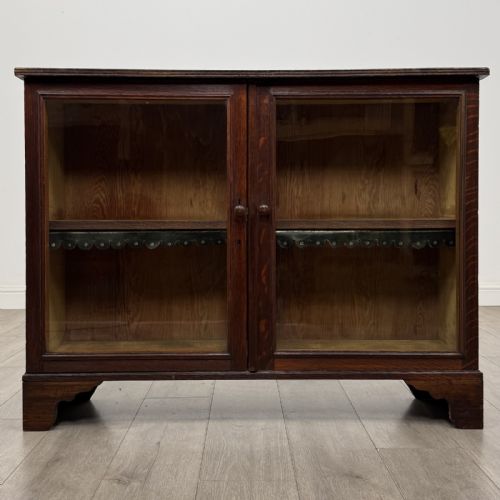
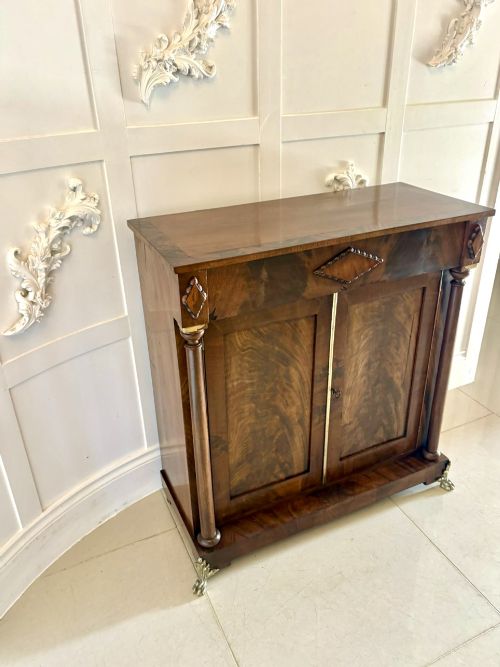
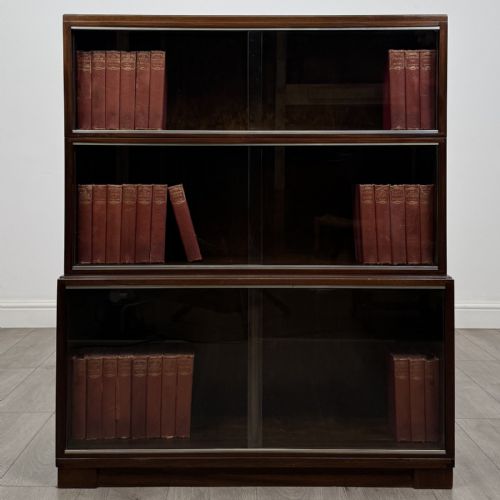
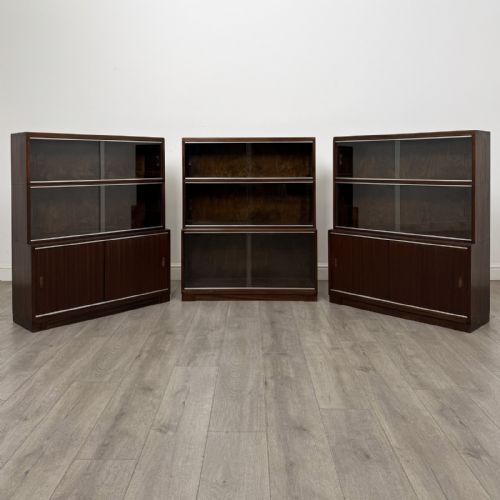
Low Bookcase with Doors
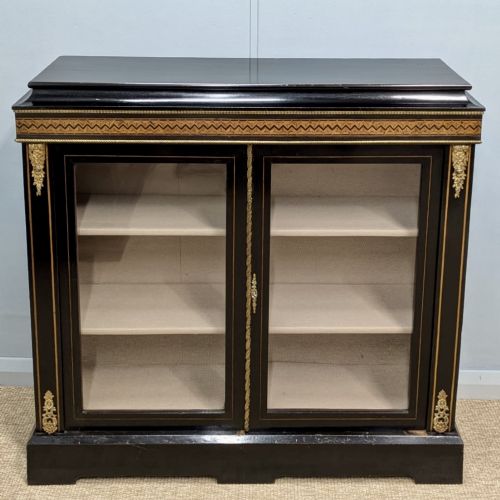
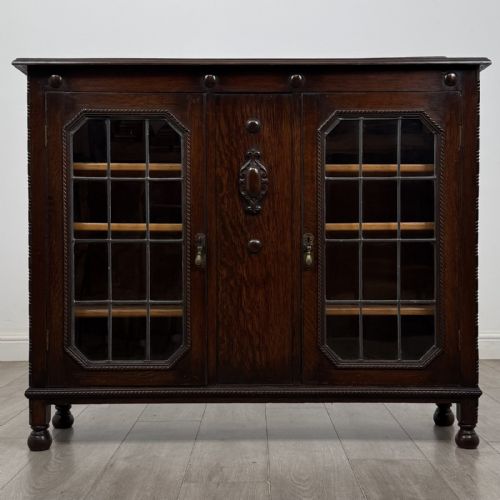
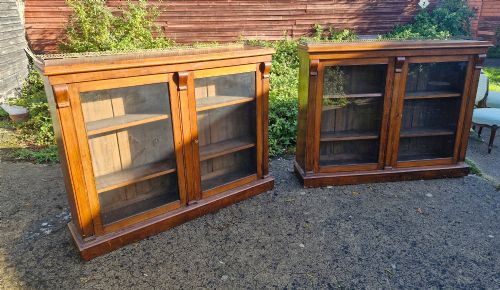
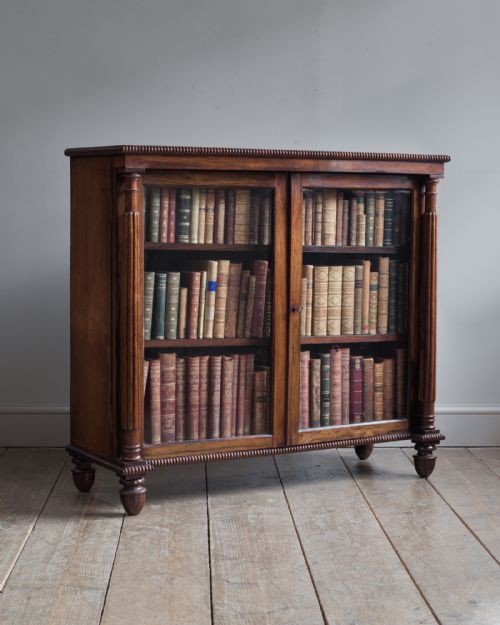
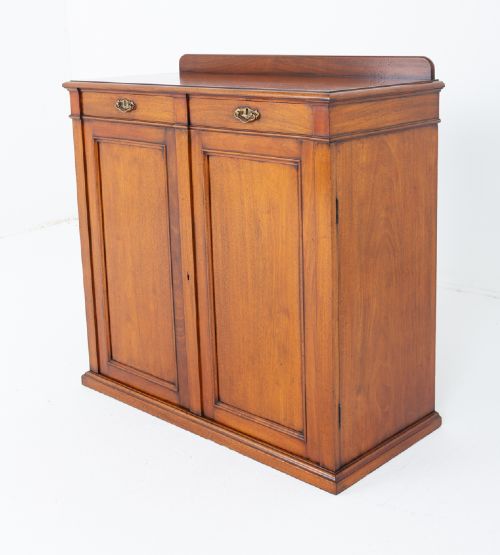
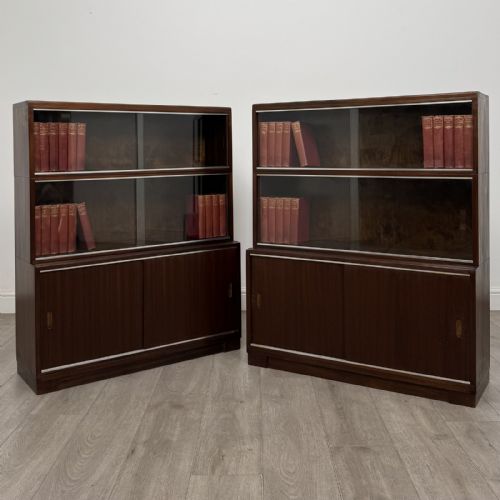
These low bookcase with doors pieces combine display space and concealed storage, bringing period character and practical utility into a room.
Low Bookcase with Doors
A low bookcase with doors serves as a compact storage unit that fits beneath window heights while keeping contents protected behind glass, wood, or fabric panels. The pieces gathered here span the Victorian, Edwardian, and Regency periods, alongside specific years such as 1850, 1860, 1900, and 1910.
Makers and cabinetmakers produced these low forms across various styles, including Arts and Crafts, Jacobean Revival, and 20th Century British. You encounter side cabinets, pier cabinets, chiffoniers, and display cabinets alongside standard bookcases.
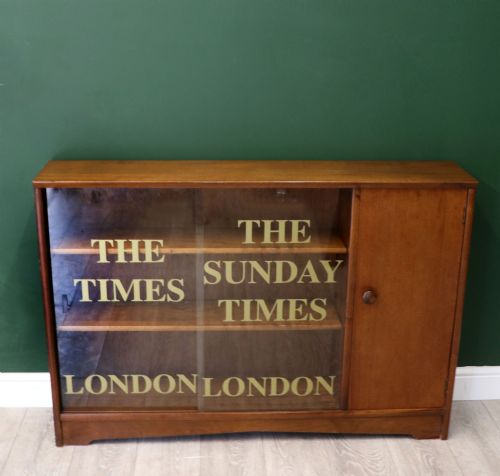
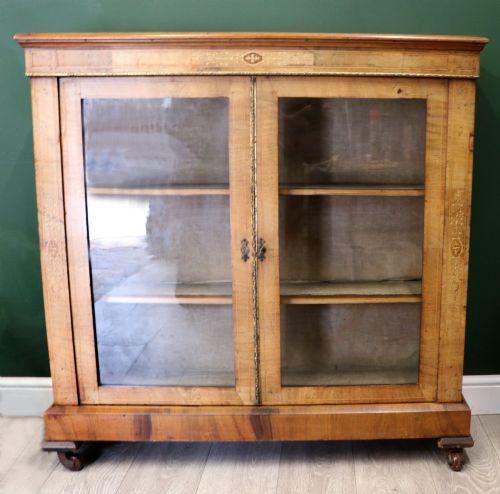
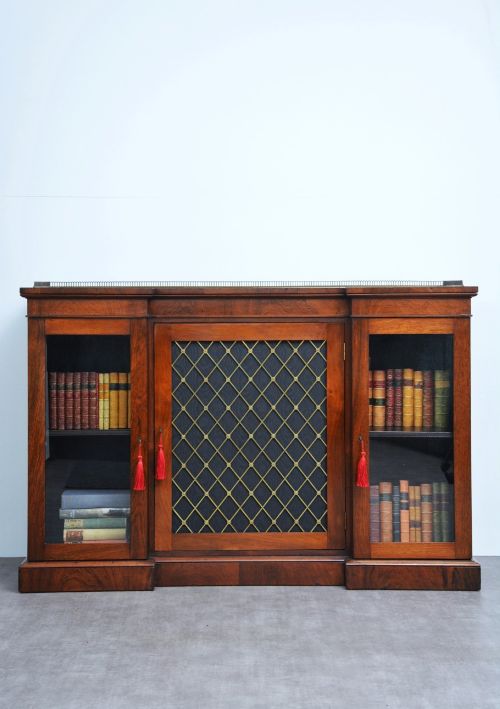
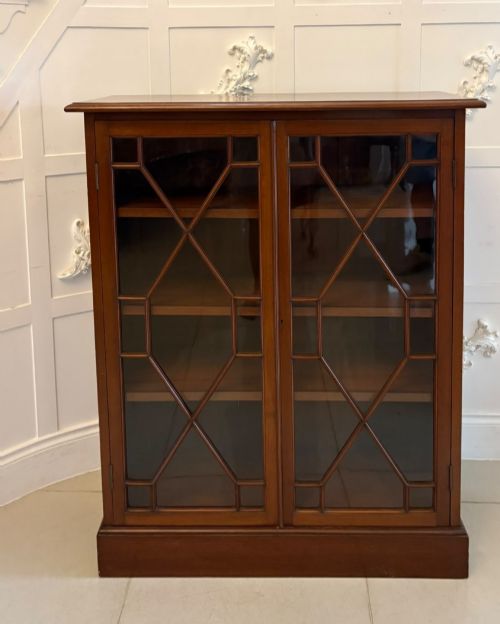
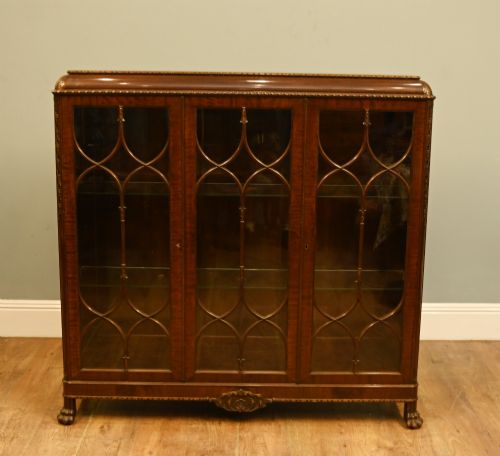
Forms range from small oak cupboards with galleries to large breakfront configurations with multiple doors. Many incorporate glazed panels, sliding glass, astragal glazing, or solid wooden doors to suit different domestic interiors.
How They Were Made
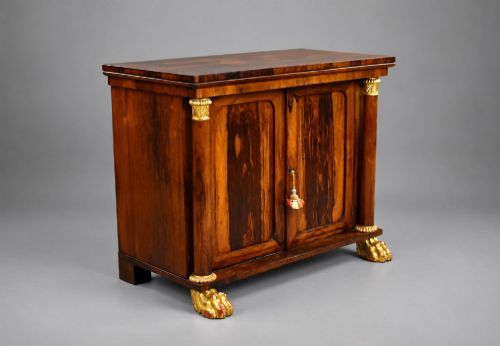
Cabinetmakers utilised robust timbers such as oak, mahogany, rosewood, burr walnut, and amboyna to construct the carcasses and panels. Decorative elements often included inlaid ebonised details, intricate carving, and barley twist columns.
Glazing techniques involved single panes, astragal wooden bars, and sliding glass mechanisms set into the doors. Brass galleries and ormolu mounts added functional borders and metallic contrast to the timber surfaces.
Low Bookcase with Doors Retail Price Guide 2026
Typical asking prices for low bookcase with doors among the pieces listed under this phrase on Sellingantiques today, from the lower quarter to the upper quarter. They describe what is for sale here now, not the wider market.
Cabinet forms on this page range from small oak cupboards with brass galleries to breakfront bookcases with glazed doors.
What Varies in Quality
The selection of timber grain heavily influences the visual appeal, particularly in figured mahogany, burr walnut, and amboyna veneers. Superior examples feature carefully matched grains and thoughtful placement across the doors and fronts.
Construction methods determine durability and refinement, from the complexity of inlaid ebonising to the precision of carved panels and glazed framing. Subtle hardware choices, such as brass galleries and fitted shelving, separate standard utility pieces from finer cabinet work.
Liberty
The Low Bookcase with Doors Glossary
- Astragal glazing
- A method where wooden bars divide a glass window into smaller panes. This technique creates a grid pattern common on period cabinet doors.
- Breakfront
- A cabinet design where the central section projects forward from the side sections. This creates depth and architectural presence in larger pieces.
- Pier cabinet
- A low freestanding cabinet designed to fit against the wall space between windows. These pieces often feature glass doors for displaying ornaments.
- Chiffonier
- A low sideboard or cabinet featuring enclosed cupboards beneath a surface or shelf. Regency and Victorian examples frequently incorporate fabric panels or mirrored backs.
- Ormolu
- Gilt bronze mounts applied to furniture for decoration. This metallic embellishment was popular on high-end nineteenth-century cabinets.
Low Bookcase with Doors: Frequently Asked Questions
What is a low bookcase with doors?
A low bookcase with doors is a compact furniture piece designed to hold books and display items while concealing other objects behind solid or glazed panels.
These units sit lower than traditional tall bookcases, making them suitable for placement beneath windows or against shorter wall spaces.
How do I date a Victorian bookcase?
Dating a Victorian bookcase involves examining the timber selection, construction methods, and stylistic cues present in the piece. Victorians utilised woods like figured mahogany, walnut, and rosewood, often combining them with specific revival styles.
Hardware styles, joint construction, and glass clarity also provide reliable clues for narrowing down the decade of manufacture.
Where should I place a side cabinet?
A side cabinet works well in living rooms, dining rooms, or hallways where floor space is limited but surface display area is needed. Their low profile allows them to sit beneath artwork or mirrors without dominating the room.
Positioning them away from direct sunlight protects sensitive timbers like rosewood and mahogany from fading over time.