


Low Art Deco Bookshelf
A low art deco bookshelf brings compact storage and striking geometric lines to a room, offering practical display space without dominating the wall.
Low Art Deco Bookshelf
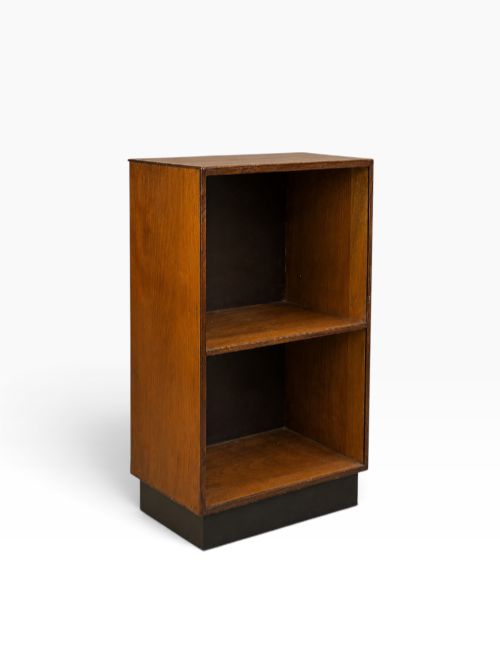
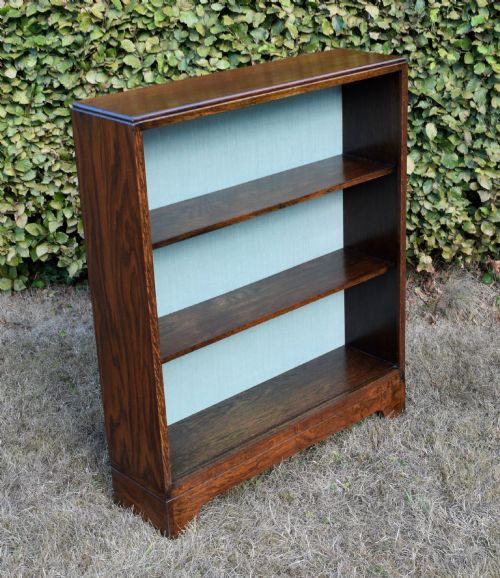
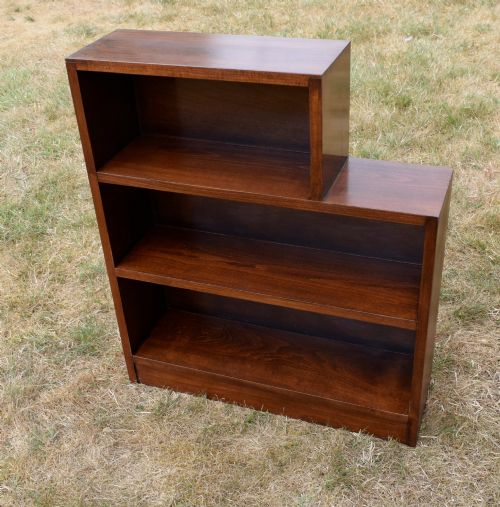
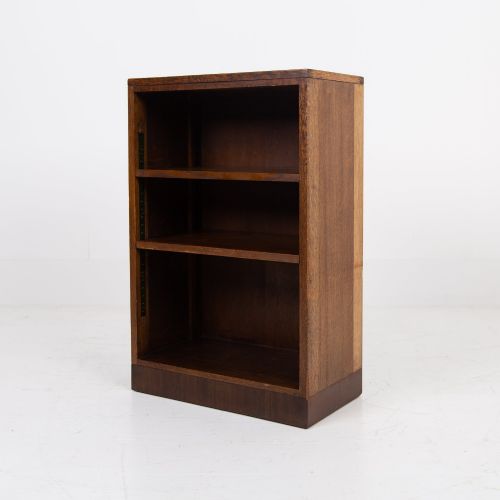
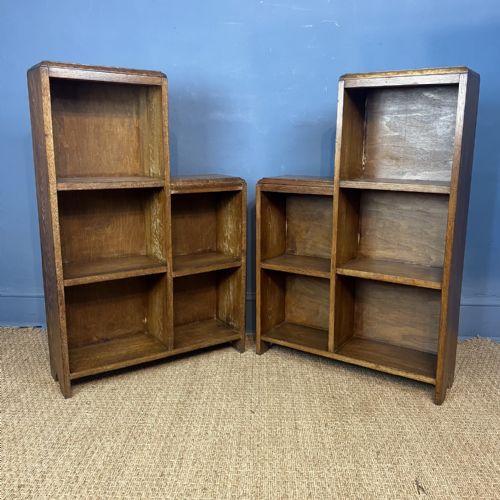
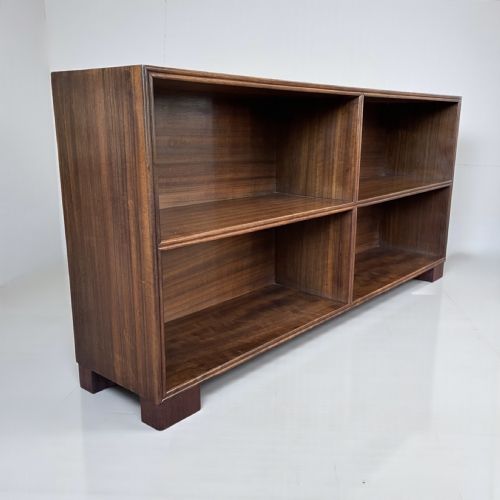
A low art deco bookshelf is a compact storage piece designed during the 1930s and 1940s to hold books while maintaining a low profile. These items primarily take the form of open bookcases and bookcase cabinets, often featuring the distinctive stylistic hallmarks of the period.
Buyers will encounter various incarnations on this page, ranging from standard open shelving units to specialised designs with leather tops or integrated cabinet compartments. Most examples date from the 1930s, though slightly later pieces from 1940 also appear.
Origins and workshop attributions vary, with certain items linked to notable designers such as Maurice Adams and Betty Joel, while others bear stylistic similarities to Heal's or hail from Scandinavian makers.
How they were made
These bookcases employ a diverse selection of timbers, utilising traditional cabinet-making techniques to showcase the natural grain of materials such as oak, walnut, ash, birch, mahogany, and burr elm. Ebonised finishes also appear, providing a contrasting dark surface on specific items.
Beyond standard wooden construction, makers incorporated contrasting textures by integrating leather tops and fabric elements into the overall design. The structural forms remain steadfastly low, adhering to the horizontal emphasis characteristic of the era.
Some industrious readers in the thirties likely rested their tea mugs directly on the leather tops, leaving quiet histories written in rings.
What varies in quality
The choice of primary timber and decorative veneer creates a distinct tier in these bookcases, where striking grain patterns like burr elm or finely figured walnut elevate the visual impact far beyond standard oak or generic timber. Masterful selection and matching of these veneers demonstrate the maker's skill and ambition.
Design sophistication also separates standard utilitarian shelving from exceptional pieces attributed to prominent makers or specific workshops. Details such as integrated cabinetry, ebonised accents, and specialised desk surfaces like leather inserts distinguish the finer examples from simpler open frames.
Maurice Adams·Betty Joel·Heals
The Low Art Deco Bookshelf Glossary
- Art Deco
- A design style emerging in the interwar period characterised by sleek lines, geometric forms, and a modernist aesthetic. It influences the streamlined shapes of these bookcases.
- Burr Elm
- A highly figured timber featuring swirling knot clusters that create intricate patterns. This material is prized for its decorative appeal on cabinet surfaces.
- Ebonised
- Wood treated with a dark stain or finish to imitate ebony. This technique provides a stark, uniform black appearance.
- Open Bookcase
- A storage unit featuring shelves without doors or enclosing panels. This form allows for easy access and display of books.
Low Art Deco Bookshelf: Frequently Asked Questions
Where do I put a low art deco bookshelf?
These bookcases suit living rooms, studies, or hallways where tall furniture might overwhelm the space. Their reduced height allows the top surface to function as a display area for lamps or ornaments.
Because they sit low against the wall, they work well beneath windows or alongside seating arrangements without blocking natural light or views.
How do I identify a 1930s bookcase?
Authentication relies on observing the combination of period materials, such as oak, walnut, and burr elm, paired with the geometric restraint typical of the era. Makers often utilised unadorned surfaces that prioritized natural wood grains over heavy carving.
Construction methods and specific designer attributions also help anchor a piece firmly within the 1930 to 1940 timeframe.
Can these hold heavy books?
Solid wood construction in dense timbers like oak and mahogany provides sturdy support for standard book collections. The horizontal shelving is built to bear the weight of everyday reading material distributed across the span.
Care should be taken with exceptionally heavy volumes or extended shelf lengths to prevent any long-term sagging over time.
What is the difference between open and cabinet versions?
Open bookcases provide immediate visibility and straightforward access to shelves from the front without any barriers. They emphasise the clean vertical and horizontal lines of the timber.
Cabinets combine open shelving with enclosed storage compartments, hiding certain items away behind doors while keeping other volumes on display.