


Art Deco Low Cabinet
An art deco low cabinet brings linear elegance and rich wood grain into a room, serving as a practical surface and storage piece.
Art Deco Low Cabinet
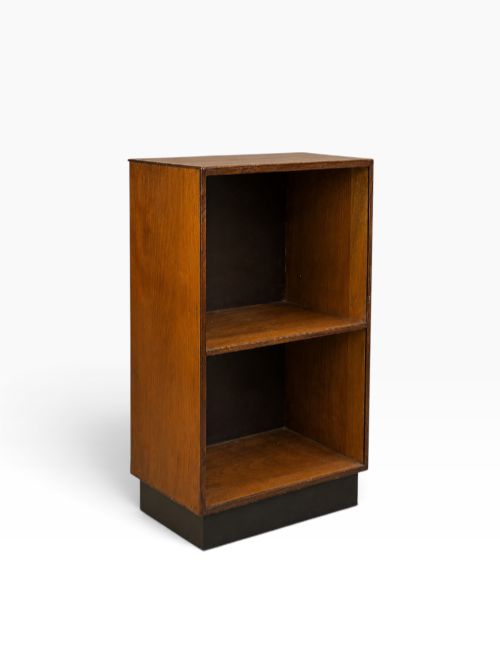
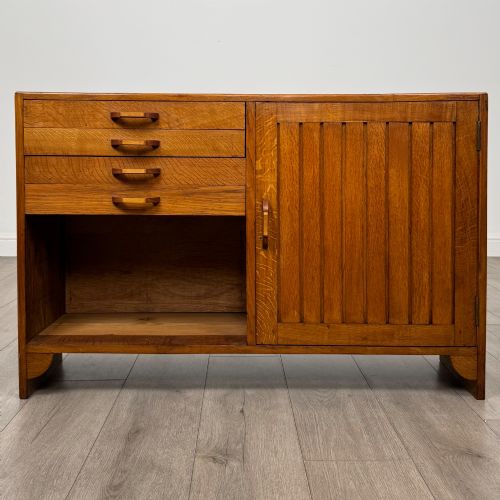
When you search for an art deco low cabinet, you encounter sturdy timber furniture shaped by twentieth-century design. The selection includes sideboards, bookcases, and display units alongside specialised cocktail and filing cabinets.
Most examples date from the 1930s, while related pieces stretch from the Edwardian era into the 1940s. French and Scandinavian pieces sit alongside British designs, offering varied proportions and internal configurations.
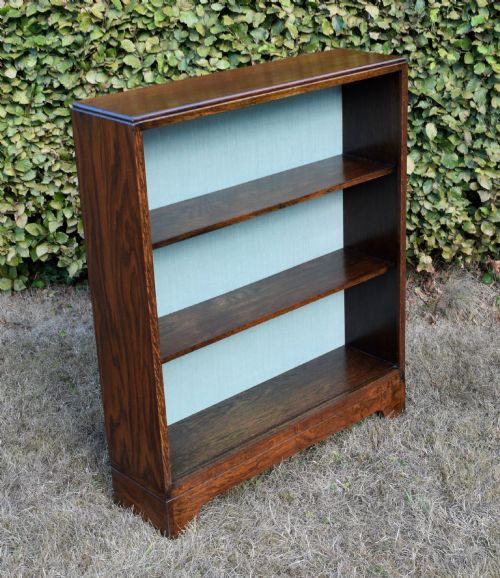
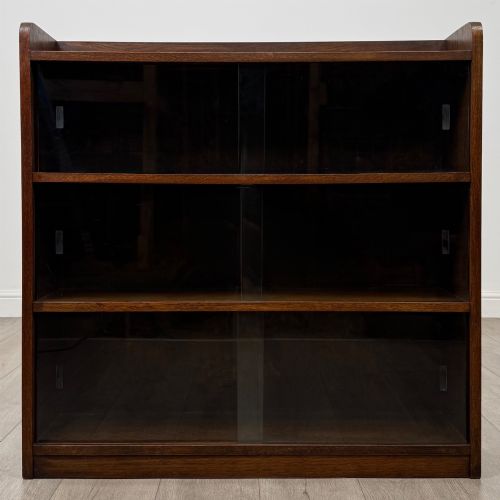
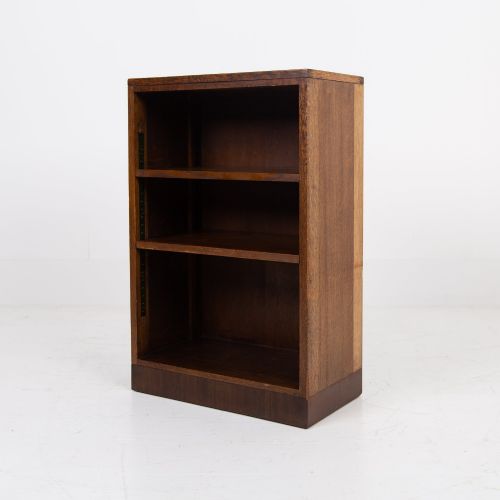
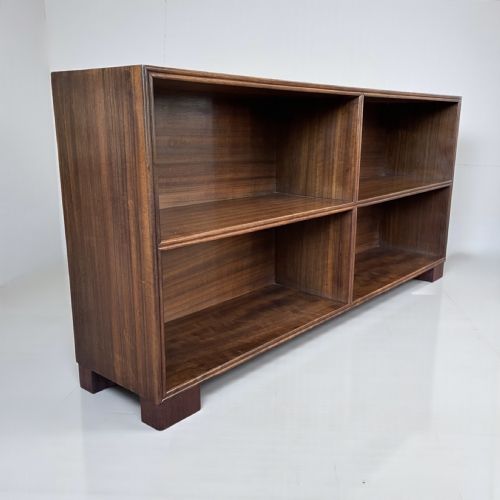
The low profile makes these cabinets versatile for modern living spaces, providing surface display area without overwhelming the room. Buyers find everything from open oak bookcases to glazed sycamore and walnut storage units.
Materials and construction
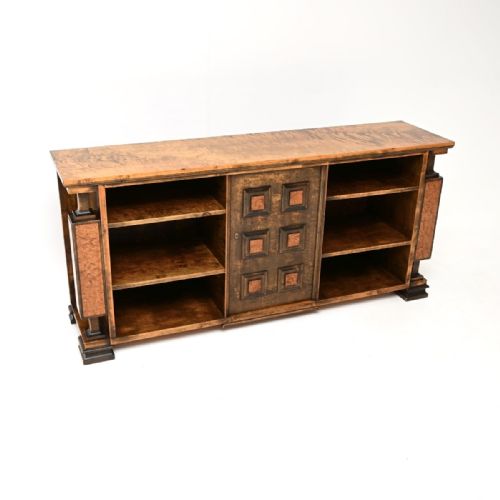
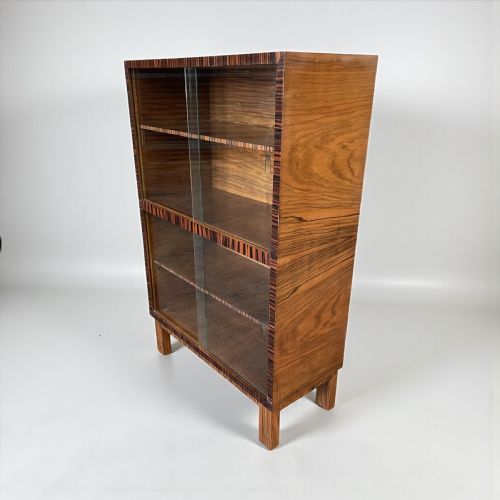
Cabinet makers utilised a rich palette of woods, pairing walnut, mahogany, and oak with exotic veneers such as satin birch, macassar, and burr elm. Glass panels and brass hardware appear frequently across the pieces.
Construction methods combine solid timber frames with veneered surfaces designed to highlight striking wood grains. Glazed doors and leather tops add functional texture to the structural woodwork.
Listings feature woods ranging from standard oak and mahogany to exotic satin birch, sycamore, and burr elm.
Quality and craftsmanship
Quality rests upon the selection of veneer and the precision of the timber matching across the cabinet faces. Superior examples exhibit deliberate grain patterns and careful attention to structural proportions.
The distinction between standard production and finer work lies in the choice of secondary woods and the integration of hardware like brass fittings. Maker attribution and regional origin further separate notable pieces from standard examples.
Maurice Adams·Bowman Brothers·Waring and Gillow
The Art Deco Low Cabinet Glossary
- Art Deco
- A design style characterised by sleek geometric shapes, streamlined forms, and rich materials that emerged in the early twentieth century.
- Sideboard
- A low furniture piece used for storage and serving, often fitted with cupboards and drawers.
- Credenza
- A low cabinet typically used for storage, closely related in form to a sideboard or low bookcase.
- Burr elm
- A wood growth on an elm tree that produces intricate, swirling grain patterns highly prized in cabinet making.
Art Deco Low Cabinet: Frequently Asked Questions
What is an art deco low cabinet?
An art deco low cabinet is a storage piece from the early twentieth century, typically featuring streamlined geometry and decorative wood veneers. These units sit low to the ground and serve various functions around the home.
They combine practical shelving or cupboard space with the distinct stylistic flair of the 1930s. The low stature makes them suitable for modern spaces requiring surface area and low-profile storage.
How do I style a low cabinet?
A low cabinet works well against an open wall, providing a surface for lamps, books, or decorative objects. The top surface offers an opportunity for balanced arrangements without blocking light or sightlines.
Because many examples feature striking grain patterns in walnut, oak, or exotic veneers, let the wood remain a focal point. Keep surrounding decor simple to highlight the clean lines of the piece.
Are these cabinets made of solid wood?
Many art deco cabinets combine solid timber frames with decorative wood veneers applied over a stable base. This technique allowed makers to utilise expensive and figured woods efficiently while preventing warping.
Common primary woods include oak, mahogany, and walnut, paired with specialised veneers like satin birch or burr elm. Examining the edges and interior surfaces reveals the construction methods used.
How do I date an art deco cabinet?
Dating relies on stylistic markers, construction techniques, and materials characteristic of the 1930s. Geometric forms, stepped details, and specific wood veneers point directly to this period.
Some pieces carry maker marks or signatures, while others reflect regional British, French, or Scandinavian design traits. Comparing the hardware and internal fittings also helps establish the era of manufacture.