


Love Knot Chain
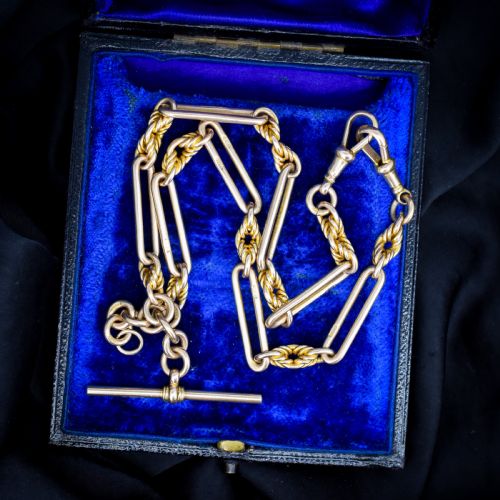
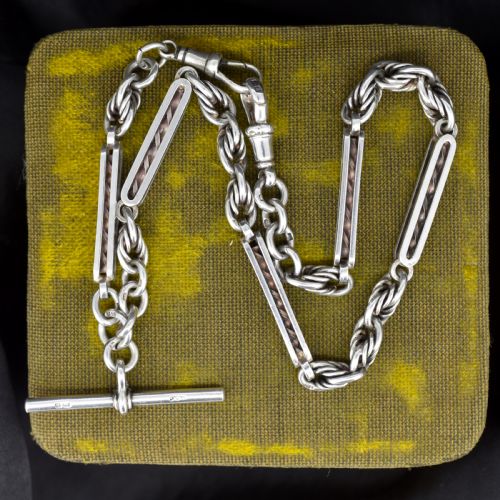
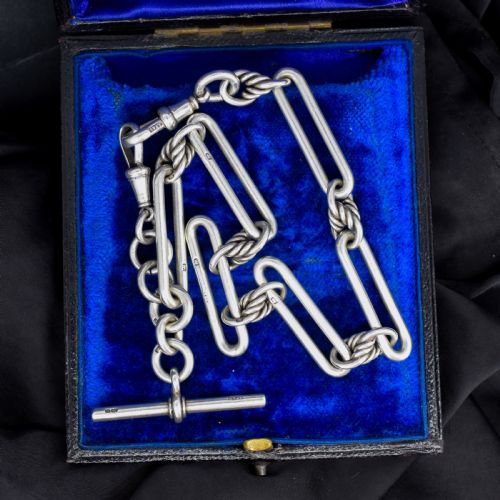
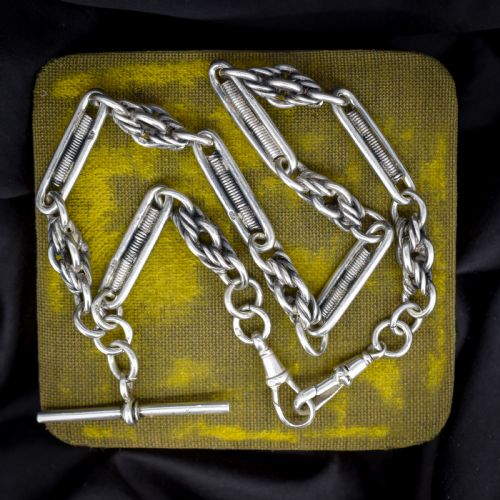
A love knot chain is an intricate piece of antique jewellery symbolising affection, most often found in gold or silver across Victorian and Edwardian incarnations.
Love Knot Chain
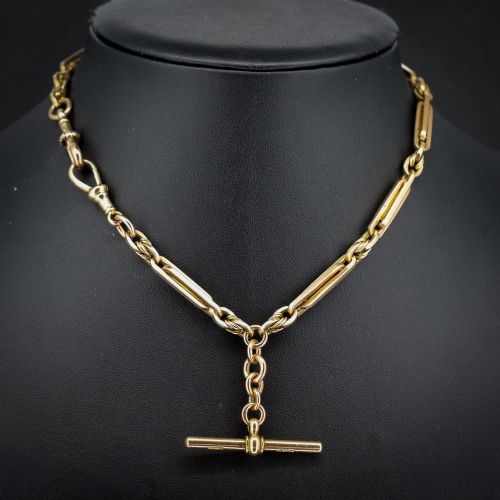
A love knot chain brings together intertwined metallic loops to form a distinct sentimental motif that has survived from the nineteenth and early twentieth centuries. When searching for a love knot chain, buyers encounter varied iterations that span delicate necklaces and substantial pocket watch or Albert chains adapted for modern wear.
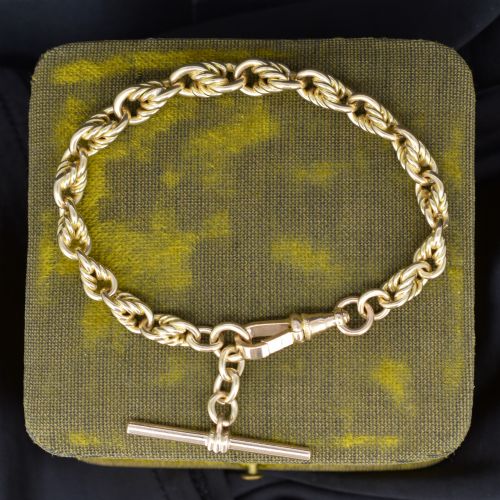
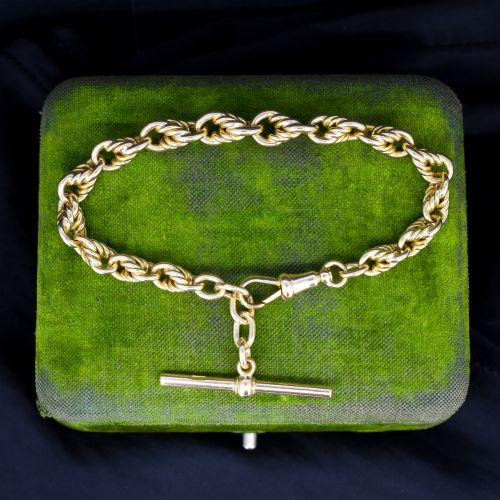
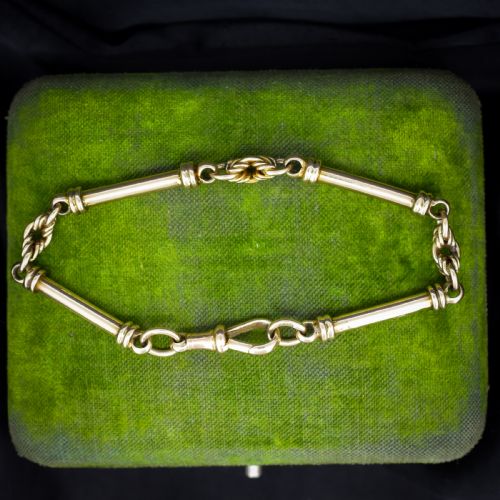
The selections on this page predominantly feature pieces originating from the Victorian, Edwardian, and Art Deco periods. These include bracelets fitted with T-bars and dog clips, alongside necklaces incorporating trombone links and tubular bars.
Most examples hail from the broader nineteen-hundreds era, offering tangible links to the past through worked precious metals. Buyers are most likely to meet 9ct gold and sterling silver specimens, occasionally punctuated by small gemstones.
How they were made
The construction of these chains relies heavily on the manipulation of 9ct gold, 18ct gold, and sterling silver into precise geometric and twisted links. Goldsmiths and silversmiths combined hollow or solid tubular bars, trombone links, and curb chains with the characteristic interwoven knot motif.
Selected pieces incorporate decorative elements such as turquoise and pearl embellishments set securely into the metalwork. Functional components like dog clips and T-bars were soldered or mechanically attached to allow practical use as watch chains or bracelets.
Love Knot Chain Retail Price Guide 2026
Typical asking prices for love knot chain among the pieces listed under this phrase on Sellingantiques today, from the lower quarter to the upper quarter. They describe what is for sale here now, not the wider market.
Some chains hid secret locks for tiny locks of hair.
What varies in quality
Quality in these chains depends on the weight and integrity of the precious metal used throughout the links and fastenings. Substantial gauges of 9ct yellow or rose gold and heavier sterling silver elevate a piece above lighter, more fragile alternatives.
The precision of the knot work and the original retention of functional hardware such as dog clips and T-bars distinguish finer examples. The integration of decorative stones like pearls and turquoise also marks a higher grade of craftsmanship.
The Love Knot Chain Glossary
- Love knot link
- A decorative join formed by intertwining strands of metal to resemble a tied knot. This motif represents enduring affection and anchors the design of the entire chain.
- Albert chain
- A short length of chain originally designed to secure a pocket watch to a waistcoat through a buttonhole. They frequently feature trombone links and carry dog clips.
- Dog clip
- A spring-loaded swivel fastening attached to the end of a watch chain or bracelet. It allows the wearer to securely attach charms, pendants, or pocket watches.
- T-bar
- A short crossbar attached by a short length of chain to the main body of an Albert chain. It passed through a garment buttonhole to anchor the watch.
- Trombone link
- An elongated rectangular metal link with rounded corners, frequently alternated with smaller connecting rings in period chains. It adds structural rhythm to the design.
Love Knot Chain: Frequently Asked Questions
How do I wear a love knot chain today?
These chains adapt readily to contemporary wardrobes as standalone necklaces or wrapped bracelets. Many retain their original dog clips and T-bars, which can be styled as focal points at the front.
Shorter lengths sit comfortably around the neck, while longer pocket watch chains wrap multiple times around the wrist. The integrated fastenings make adding small pendants straightforward if desired.
What is an Albert chain?
An Albert chain is a specific style of pocket watch chain popularised during the nineteenth century. They typically incorporate substantial links and sturdy terminals designed for daily utility.
In modern contexts, these pieces function primarily as statement necklaces or robust bracelets. Their durable construction makes them practical for frequent wear.
How do I date a love knot chain?
Dating relies on hallmarks, overall metal colour, and specific link styles associated with the Victorian, Edwardian, and Art Deco eras. Pieces from the late nineteenth and early twentieth centuries often display distinct manufacturing traits.
The presence of specific components like trombone links or particular safety clasps helps narrow the production window. Consulting professional hallmarks stamped directly onto the metal provides the most reliable chronological anchor.
Were these chains used for pocket watches?
Many examples on this page originated as pocket watch or Albert chains designed to secure timepieces to gentlemen's waistcoats. The inclusion of T-bars and dog clips points directly to this historical function.
Today, these utilitarian origins provide secure and versatile fastenings for jewellery wearers. The heavy links reflect their original engineering for everyday practicality.