

Lounging Sofa
A lounging sofa invites proper daytime rest, combining the grand proportions of a settee with the extended comfort of a daybed.
Lounging Sofa
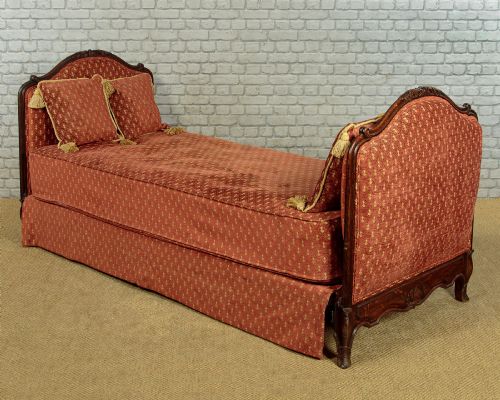
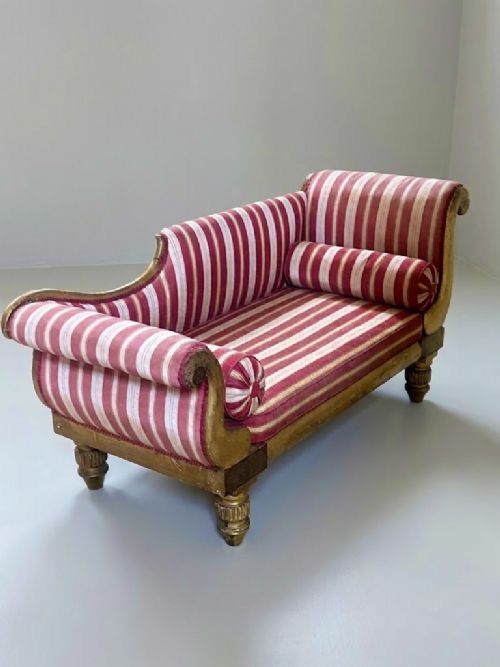
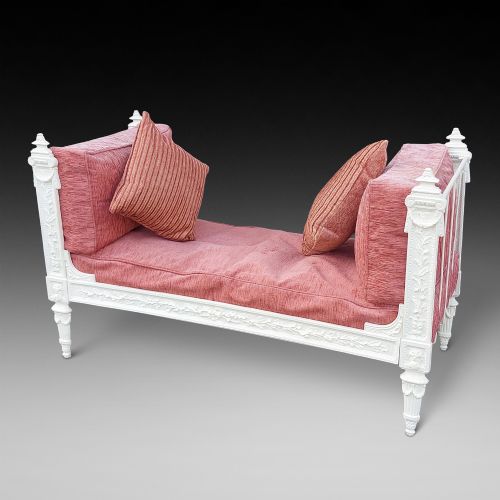
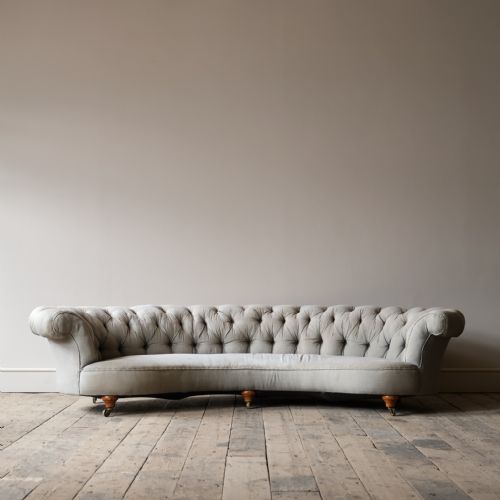
A lounging sofa encompasses a variety of extended seating forms designed primarily for reclining, including chaise longues, daybeds, and double-ended settees. When searching for a lounging sofa, buyers encounter pieces stretching from the Regency period through the Victorian era and into the Art Deco years of the twentieth century.
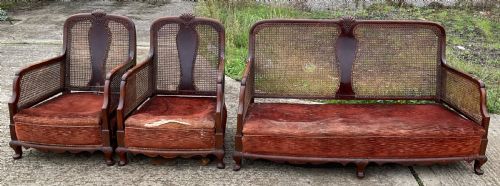
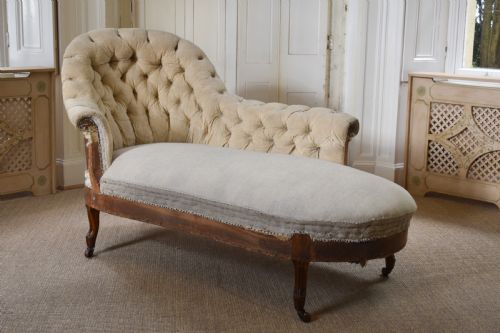
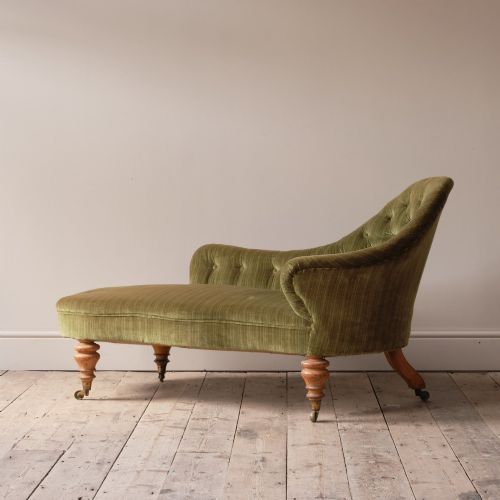
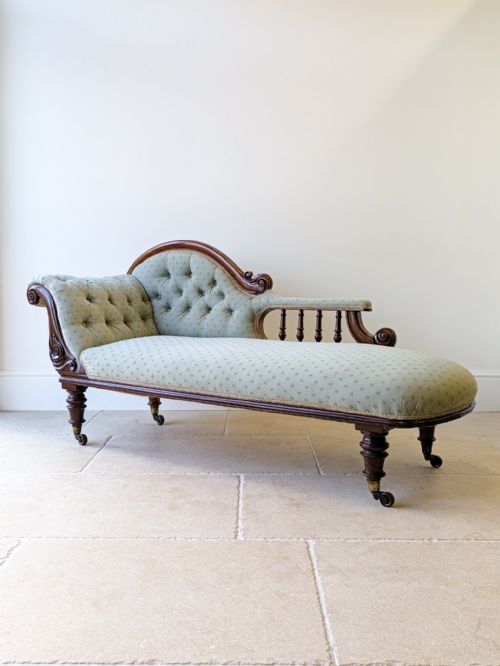
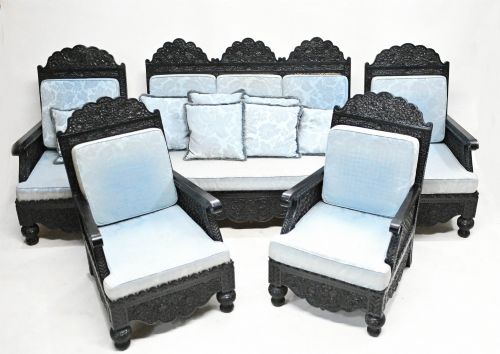
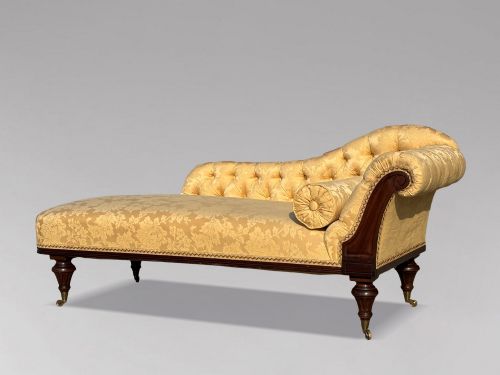
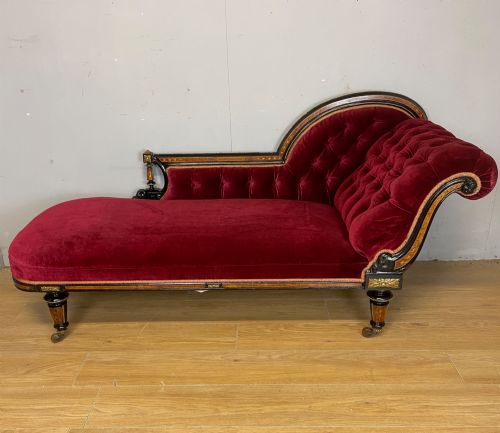
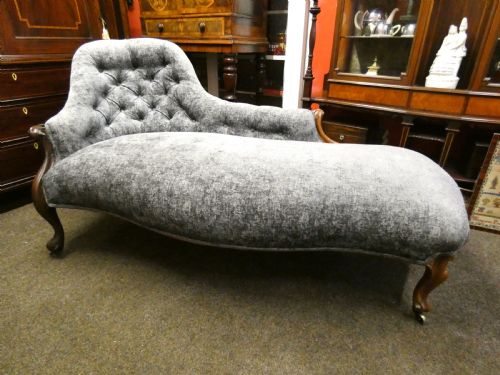
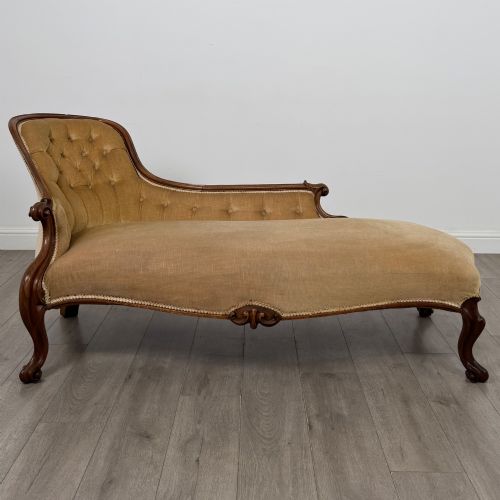
The Victorian era supplies the highest volume of examples on this page, dominated by carved mahogany and rosewood chaise longues featuring button-backed upholstery and scroll ends. Alongside these traditional forms, buyers find nineteenth-century daybeds, mahogany double-ended sofas, and twentieth-century lounge suites.
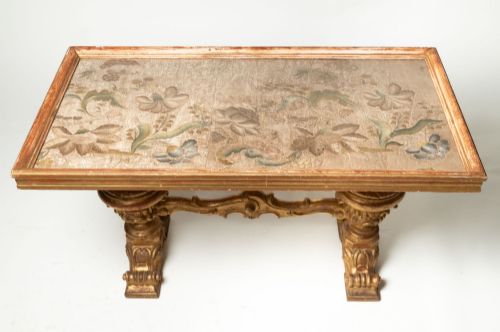
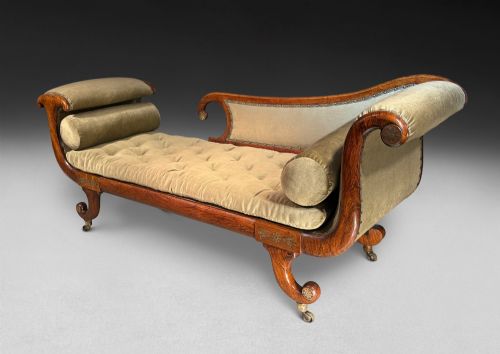
Stylistic diversity remains broad, ranging from formal Regency brass-inlaid simulated rosewood pieces to Italian Baroque, French Provincial, and twentieth-century Art Deco cloud suites. These seating arrangements serve formal drawing rooms and private chambers alike, offering distinct architectural profiles defined by their wooden frames and upholstered surfaces.
How they were made
Timber frames form the structural backbone of these pieces, utilising dense hardwoods such as mahogany, walnut, rosewood, and satinwood, occasionally enhanced by ebonised finishes or intricate marquetry panels. Cabinetmakers shaped solid timber into curved rails and scrolled ends, employing traditional joinery to support heavy sprung bases and deep upholstery.
Surface ornamentation ranges from subtle brass inlays and ormolu mounts to deep hand-carved mahogany foliage and giltwood highlights. Upholstery methods evolved across the periods represented, moving from tightly stuffed horsehair foundations to complex sprung settees finished in silk, velvet, brocade, leather, or cane panels.
Lounging Sofa Retail Price Guide 2026
Typical asking prices for lounging sofa among the pieces listed under this phrase on Sellingantiques today, from the lower quarter to the upper quarter. They describe what is for sale here now, not the wider market.
Listings incorporate timber varieties including mahogany, walnut, rosewood, and satinwood alongside brass, velvet, and leather.
What varies in quality
The calibre of timber selection and the precision of hand-carved wooden detailing distinguish finer examples from standard production. Superior pieces display richly figured mahogany or rosewood veneers and crisply defined decorative elements such as ionic column legs or giltwood mouldings.
Structural integrity and the retention of original framing methods dictate a piece's lasting worth. Master workshops ensured internal joinery remained robust, while lesser examples exhibit simpler framing and heavier reliance on secondary woods beneath the upholstery.
Howard and Sons·Epstein
The Lounging Sofa Glossary
- Daybed
- A form of furniture serving as both a seat and a bed, suitable for daytime rest. These pieces often lack a full backrest or feature an open framework.
- Giltwood
- Wood that has been coated with a thin layer of gold leaf or gilt powder. This finish appears frequently on formal Regency and revival pieces.
- Bergere
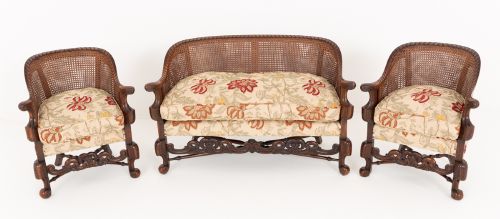
- An enclosed upholstered armchair or sofa featuring exposed wooden framing and woven cane panels on the sides or back. It originated in France and remains popular in later salon suites.
- Ormolu
- Gilded bronze ornamentation applied to furniture, popular in French-influenced and Regency cabinet making. It provides bright metallic contrast against dark hardwoods.
Lounging Sofa: Frequently Asked Questions
How do I date a lounging sofa?
Dating relies on examining the timber, framing style, and upholstery methods. Regency pieces often display brass inlay and simulated rosewood, whereas Victorian examples favour heavily carved mahogany and rosewood.
Twentieth-century pieces introduce Art Deco cloud shapes and walnut frames, distinguishing them from earlier nineteenth-century forms.
Where should I place a lounging sofa?
These pieces suit principal reception rooms, studies, or large bedrooms where their extended profiles can be viewed from multiple angles. Placing them away from walls highlights their carved woodwork and scrolled ends.
Ensure adequate floor space to accommodate the elongated shape without crowding surrounding furniture.
How were these sofas originally used?
Historically, lounging sofas served daytime resting, reading, and informal entertaining in private drawing rooms and boudoirs. Their design allowed occupants to recline without retiring to a full bedchamber.
Later Victorian and Edwardian examples occupied formal drawing rooms as statement seating within matching salon suites.