


Louis XVI Style Chandelier
A louis xvi style chandelier brings French Neoclassical proportion and gilt metal work to a room, offering classic symmetry.
What They Are
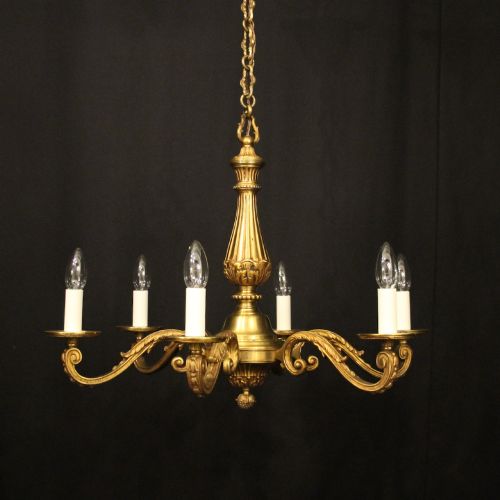
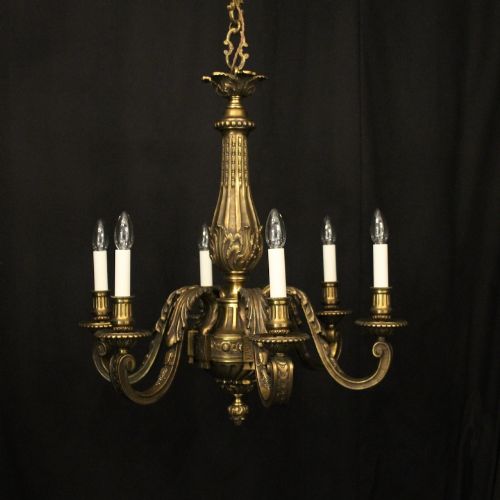
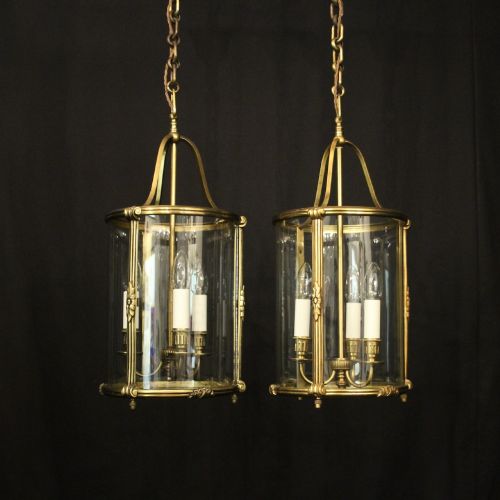
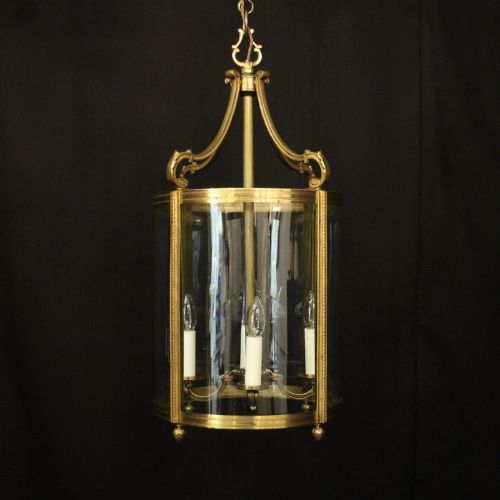
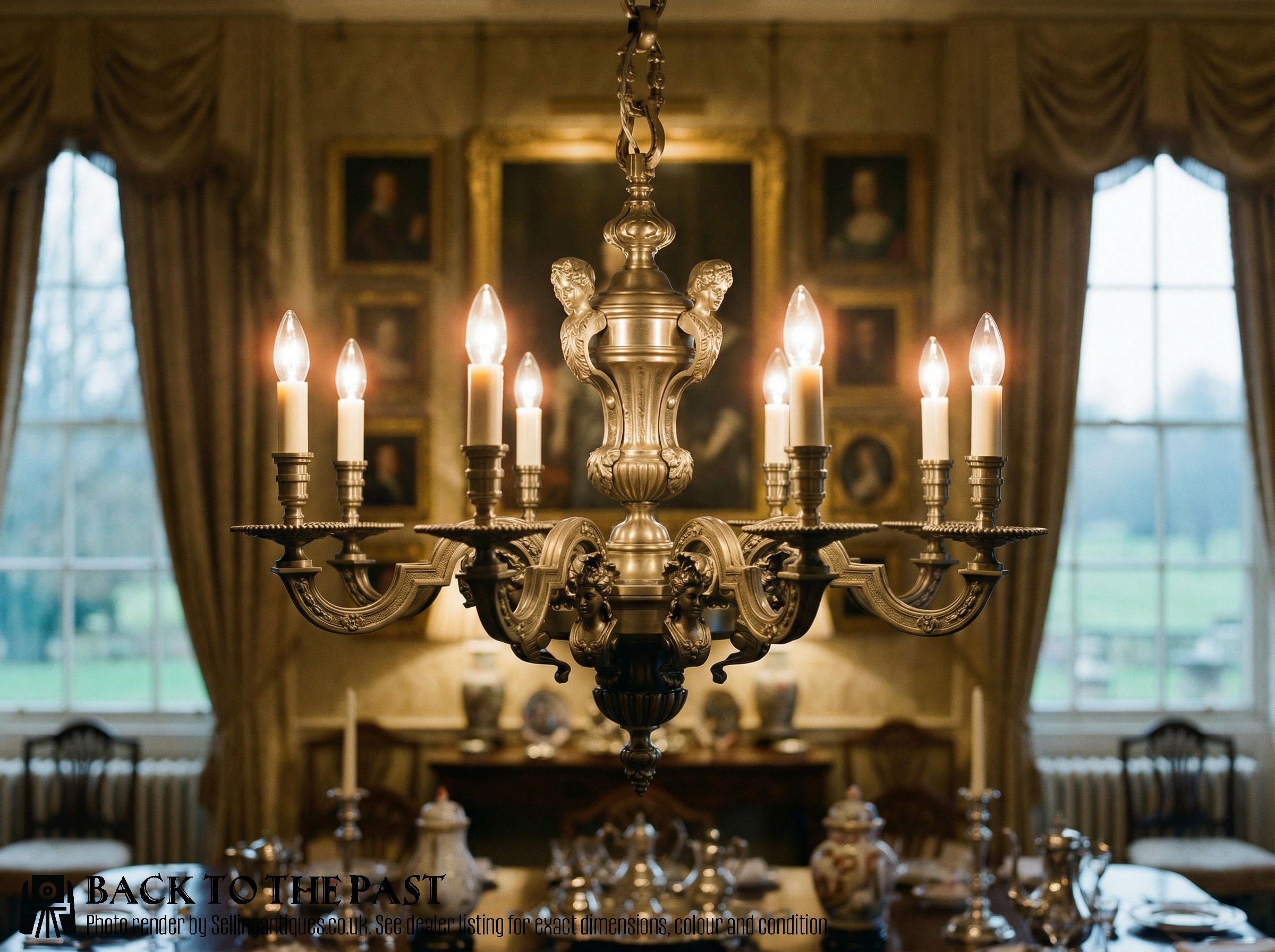
When you search for louis xvi style chandelier, you are looking at French Neoclassical lighting fixtures rooted in eighteenth-century design principles. The pieces seen on this page span the nineteenth century up to nineteen thirty, taking the form of multi-light chandeliers.
Most examples you will meet here are French in origin, constructed from cast metals and finished with gilding. They rely on classical architectural vocabulary rather than heavy curves, bringing restraint and balance to a ceiling.

How They Were Made
Makers utilised cast bronze, brass, and patinated bronze as foundational metals for these chandeliers. Components were shaped through casting before receiving gilding or silvering treatments.
Surface finishes include gilt bronze, gilded brass, and silvered bronze, which catch the light from multiple candle arms. Decoration often incorporates draping and loop motifs executed directly in the metalwork.
Retail Price Guide 2026
Typical UK retail prices for louis xvi style chandelier, calculated from the Sellingantiques database of over a million retail prices indexed since 2003. This retail price guide relies exclusively on Sellingantiques data; no external sources or auction records are used, so the figures do not describe the wider market.
The documented periods span the nineteenth century, nineteen hundred, and nineteen thirty.
What Varies in Quality
The distinction between standard and superior pieces rests in the crispness of the cast metal and the depth of the gilding. Finer examples display sharp detailing along the classical ornament and arm attachments.
The complexity of the frame structure also sets examples apart, moving from simpler four-arm arrangements to more elaborate six and eight-light configurations with integrated loop and draping elements.
The Louis XVI Style Chandelier Glossary
- Neoclassical
- A style drawing inspiration from the classical art and architecture of ancient Greece and Rome. It prioritises symmetry, straight lines, and classical motifs.
- Gilt Bronze
- Bronze metal coated with a thin layer of gold or gold-coloured alloy. This finish provides a warm, reflective surface characteristic of formal French lighting.
- Patinated Bronze
- Bronze that has been chemically treated to alter its surface colour and texture. It offers a darker, more subdued contrast to polished or gilded elements.
- Arm
- A branching structural member that extends from the central stem of a chandelier to hold a light source. The number of arms defines the lighting capacity of the fixture.
Frequently Asked Questions
How many lights do these have?
The chandeliers on this page generally feature between three and eight lights, arranged around a central stem.
Larger rooms typically suit the six or eight-light versions, while three or four-light variants fit more compact spaces.
What periods do they date from?
The physical evidence shows pieces originating from the nineteenth century up to nineteen thirty.
These later interpretations maintain the French Neoclassical vocabulary established in earlier centuries.
What materials are used?
Construction relies on metals including brass, cast bronze, and metal alloys.
Surface treatments feature prominently, with gilded bronze, gilded brass, and silvered bronze dominating the finishes.
Where were they made?
The available records point to French workshops as the origin for these lighting fixtures.
They reflect the French Neoclassical design tradition across different decades.