




Louis XVI Sofa
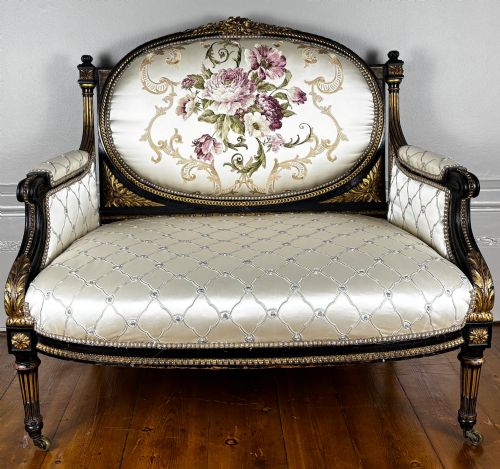
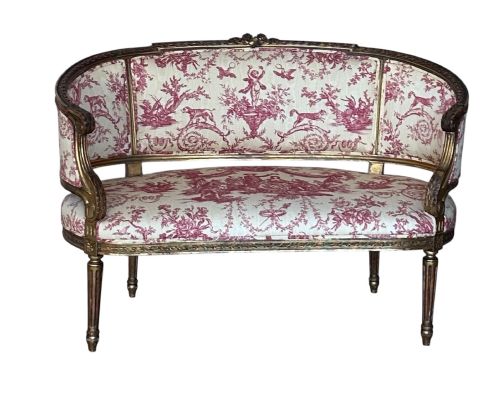
A louis xvi sofa brings classical restraint and carved symmetry to a room, offering upright seating rooted in eighteenth-century French design.
Louis XVI Sofa
A louis xvi sofa represents a shift away from curved rococo excesses toward straight lines, fluted columns, and symmetrical neoclassical geometry. Buyers searching for a louis xvi sofa will encounter pieces spanning the nineteenth and early twentieth centuries, including revival pieces and French chateau styles.
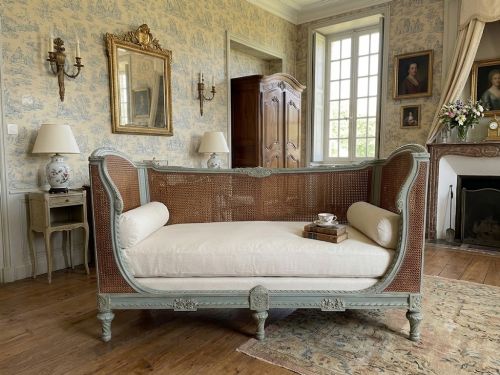
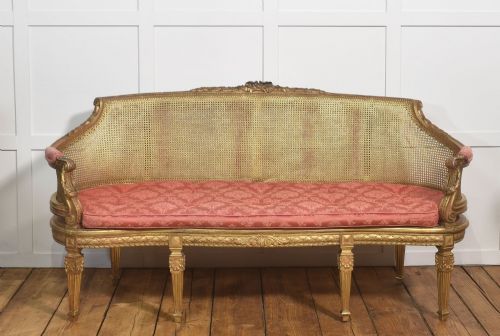
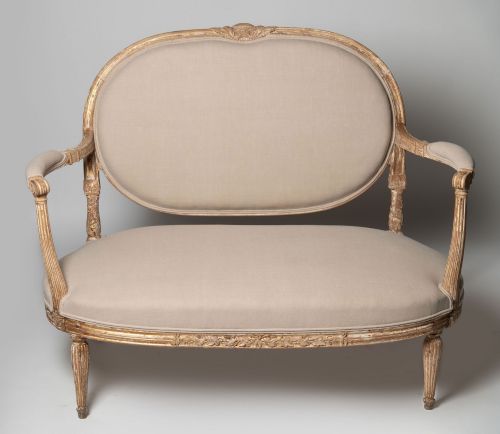
The forms on this page include canapés, settees, and day beds, often featuring exposed wooden frames carved with classical motifs such as ribbons, acanthus leaves, and beads. Many examples utilise cane work for backrests or seats alongside traditional upholstery.
Origins are predominantly French, though nineteenth-century interpretations and Swedish Gustavian variants also appear. These seating pieces function well in reception rooms and grand hallways as focal points of decorative scheme.
Materials and construction
Frames are constructed from hardwoods such as walnut, beech, and mahogany, alongside softer woods that received paint or gilt treatments. Giltwood, ebonisation, and cream paint finishes define the decorative surface appearance of the frames.
Cane panels provide woven support on many day beds and settees, while other examples rely on fabric, linen, or Aubusson tapestry upholstery over sprung or stuffed foundations.
Louis XVI Sofa Retail Price Guide 2026
Typical asking prices for louis xvi sofa among the pieces listed under this phrase on Sellingantiques today, from the lower quarter to the upper quarter. They describe what is for sale here now, not the wider market.
Listings feature walnut, beech, and giltwood frames alongside cane and fabric upholstery across the nineteenth and early twentieth centuries.
Quality variations
The fineness of hand-carved wood ornamentation dictates the distinction between standard production and superior craftsmanship. Crisp floral swags, straight fluted legs, and tight joinery indicate a higher grade of manufacture.
The integrity of the original gilt or painted surface, alongside the preservation of cane work and period textile upholstery, determines the overall archival standing of an individual settee.
The Louis XVI Sofa Glossary
- Canapé
- An upholstered sofa or settee with a wooden frame. These typically feature open arms and exposed carved woodwork.
- Giltwood
- Wood that has been coated with thin gold leaf or gilt paint. This finish creates a luminous metallic surface on the carved frame.
- Caning
- Woven rattan material used for chair and sofa backs or seats. It offers a light, breathable alternative to solid upholstery.
- Neoclassical
- A style inspired by classical antiquity characterised by symmetry, straight lines, and architectural motifs. It directly informs the louis xvi aesthetic.
- Bergère
- An enclosed armchair or sofa with upholstered sides and back. This form provides a deep, comfortable seat within a rigid wooden frame.
Louis XVI Sofa: Frequently Asked Questions
Where should I place a settee?
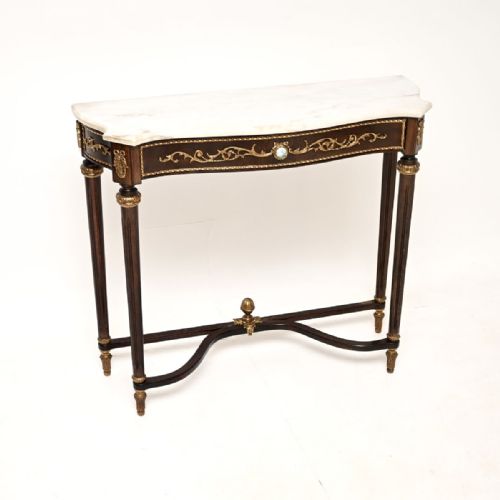
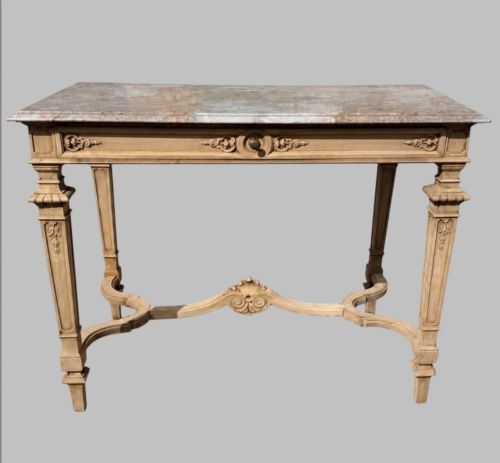
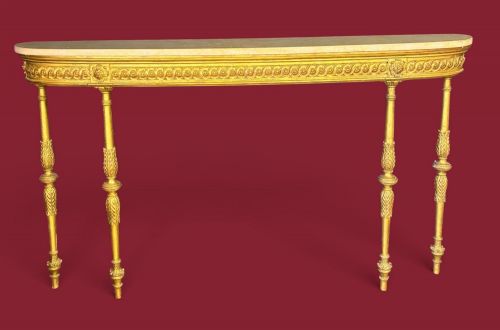
These pieces suit formal reception rooms, large bedrooms, or grand hallways where their carved frames remain visible. Pair them with console tables or side tables to balance the room.
Ensure adequate clearance around the piece so the open arms and carved wooden legs can be appreciated fully.
Are these sofas comfortable?
Upholstered versions provide structured support rather than deep slouching comfort, reflecting the upright social habits of the period. Seat cushions vary from firm horsehair stuffing to softer modern padding.
Caned backs and seats offer a lighter, more springy feel, particularly on day beds and open settees designed for warmer rooms.
What is a salon suite?
A salon suite consists of matching seating furniture, often comprising a large settee alongside matching armchairs. These matched sets furnished formal drawing rooms in French homes.
They share identical wood finishes, carving details, and upholstery fabrics to create a unified decorative scheme.