


Louis XVI Revival
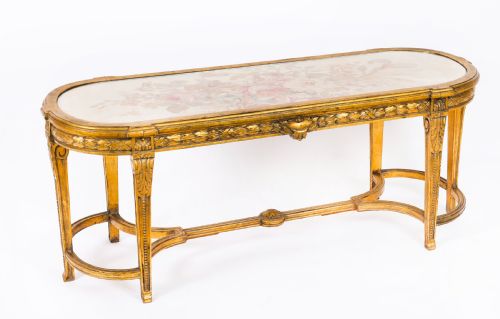
Louis xvi revival furniture brings classical French elegance and restrained neoclassical geometry into domestic interiors through giltwood seating, marble-topped tables, and finely mounted cabinetry.
Louis XVI Revival
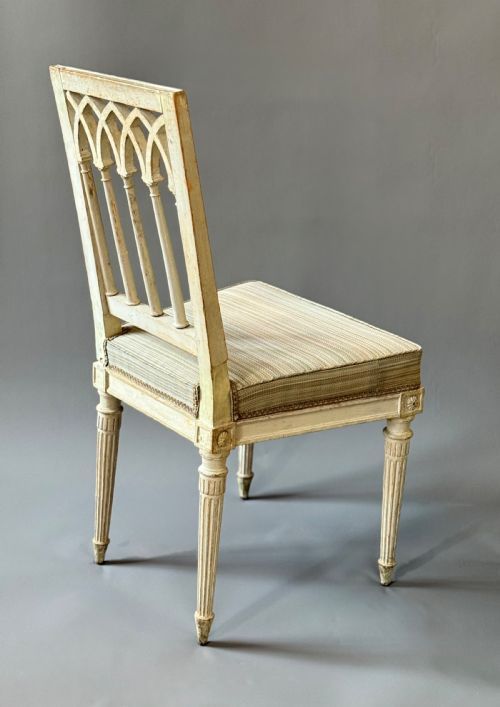
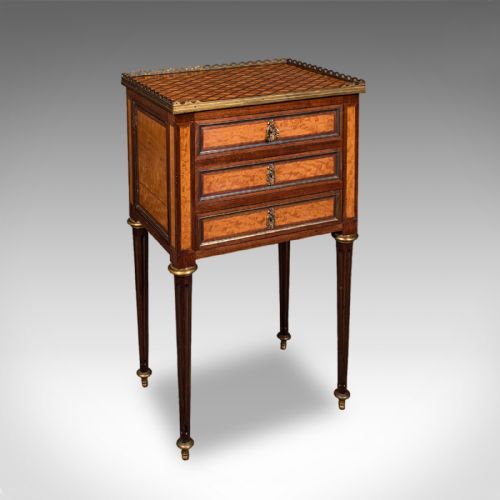
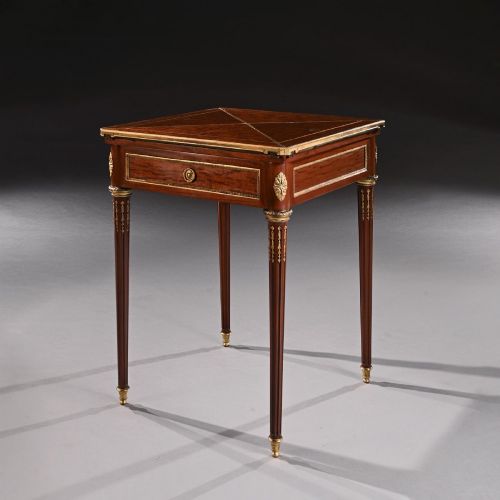
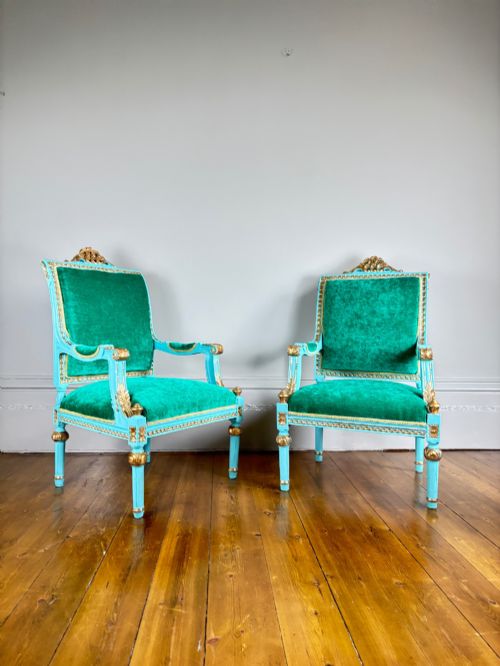
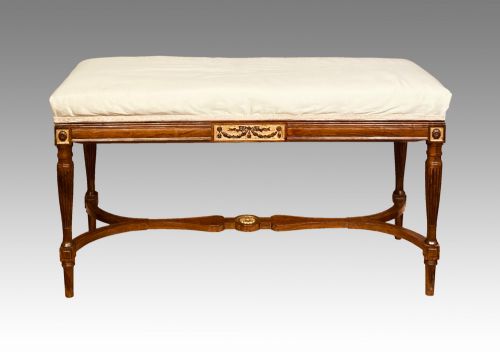
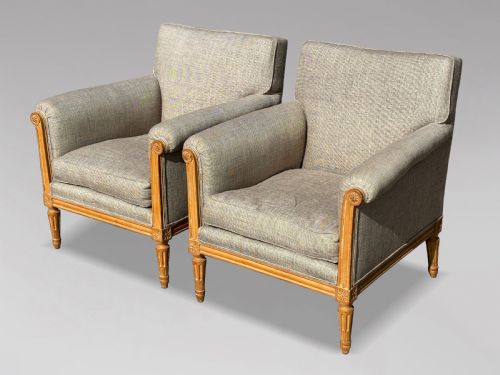
When searching for louis xvi revival pieces, buyers encounter nineteenth and early twentieth-century interpretations of eighteenth-century French neoclassical design, characterised by straight tapered legs, fluted columns, and symmetrical ornamentation.
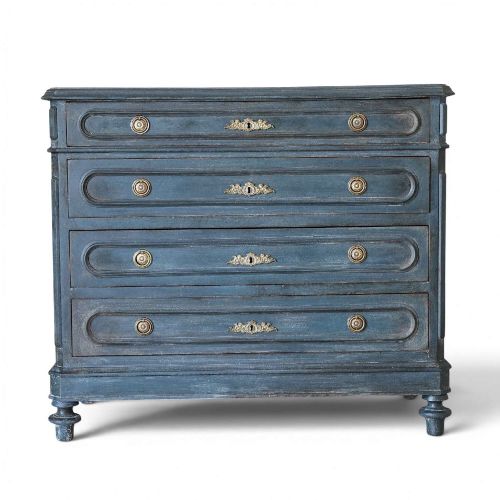
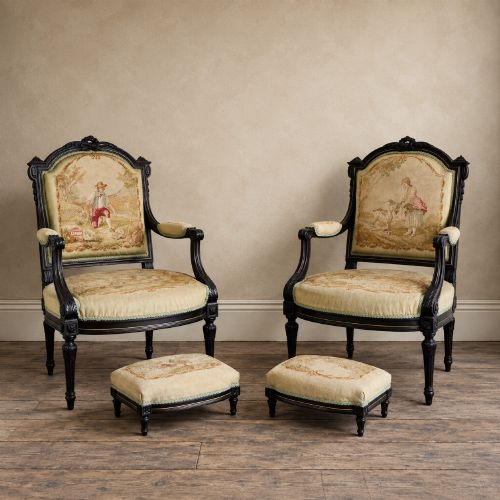
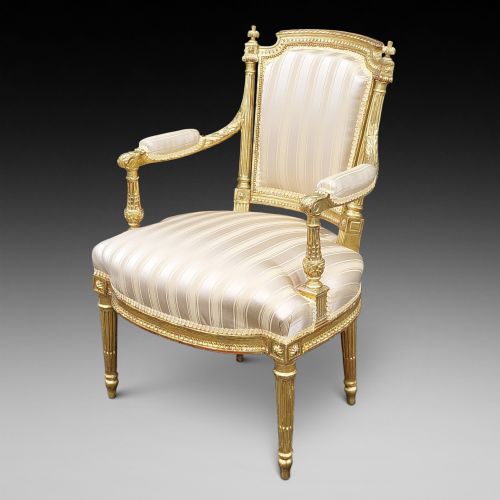
The selections available range from seating such as giltwood fauteuils and caned settees to larger functional forms like mahogany commodes, walnut vitrines, and marble-topped side tables.
Originating largely from French workshops and cabinetmakers during the Victorian era and subsequent decades, these items offer refined proportions and classical restraint compared to the exuberant curves of preceding rococo styles.
How They Were Made
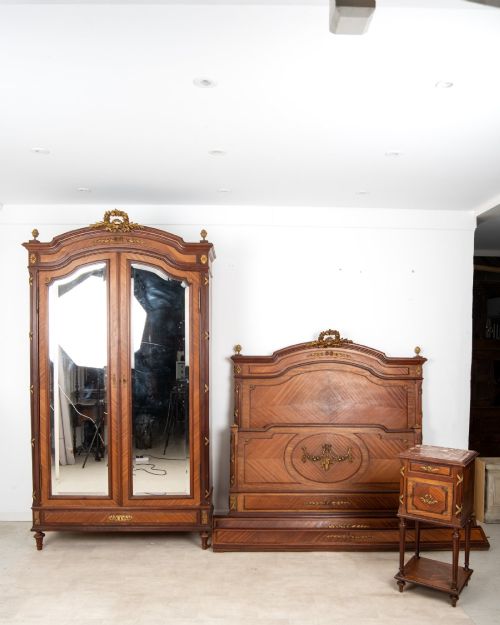
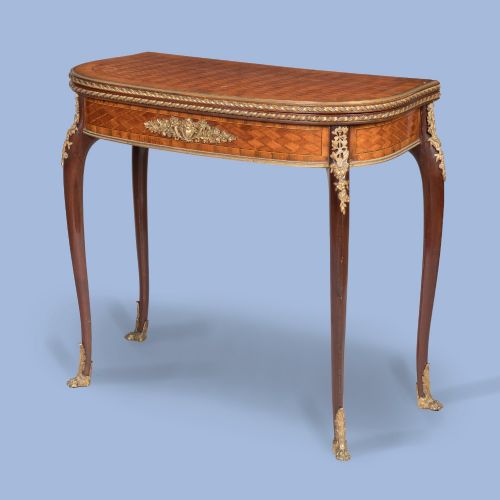
Cabinetmakers utilised hardwoods such as mahogany, walnut, and beech as structural foundations, frequently applying intricate marquetry patterns or exotic veneer selections like kingwood across surface areas.
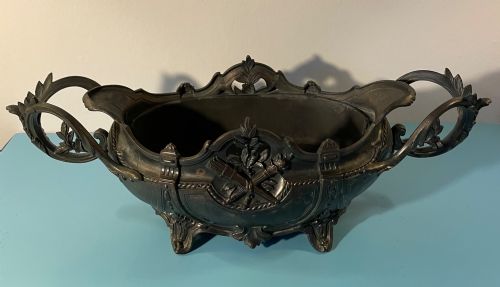
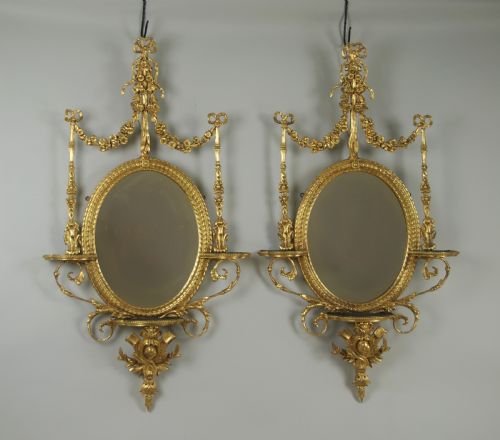
Gilt bronze and ormolu mounts, cast and chased with classical motifs, accent corners, drawer pulls, and aprons, while marble slabs provide durable, polished tops for console and occasional tables.
Listings feature eighteenth-century items alongside nineteenth-century revivals, utilising materials like ormolu, marble, giltwood, mahogany, and walnut across seating and tables.
What Varies in Quality
The distinction between tiers rests upon the crispness of the bronze chasing, the depth of hand-carved details in the giltwood frames, and the precision of the parquetry inlay.
Subtleties in proportion, the use of solid timber framing rather than secondary pine, and the integrity of original fire-gilding separate standard commercial production from master workshops.
Antoine Lampre·François Linke·Charles Nosotti·Henry Dasson·Donald Ross·Alphonse Tahan·H and L Epstein
The Louis XVI Revival Glossary
- Ormolu
- Gilded bronze used for decorative mounts and furniture trim. This technique involved applying a mercury-gold amalgam to cast bronze before heating.
- Fauteuil
- An open-framed armchair with upholstered back and seat, typically featuring exposed wooden arms. These chairs emerged prominently during French court periods.
- Marquetry
- The art of applying pieces of veneer to a structure to form decorative patterns. Artisans used contrasting woods to create elaborate floral or geometric designs.
- Canapé
- An upholstered sofa or settee designed with a visible wooden frame. They often mirror the stylistic details of matching salon armchairs.
- Vitrine
- A glass-displayed cabinet used for showcasing porcelain and objects d'art. These pieces frequently feature glazed side panels and gilt bronze mounts.
Louis XVI Revival: Frequently Asked Questions
How do I identify louis xvi revival furniture?
Look for straight fluted legs, rectangular silhouettes, and classical motifs like acanthus leaves and ribbons. These design elements contrast sharply with the curved cabriole legs of earlier periods.
Examine the construction methods and material combinations to establish whether the piece originates from the nineteenth-century revival era rather than the eighteenth century.
Where were these pieces made?
The majority of these revival items were manufactured in Parisian workshops by skilled cabinetmakers and bronze-smiths. British makers also produced similar neoclassical interpretations during the Victorian period.
Many workshops exported their output internationally to furnish grand domestic residences across Europe and Britain.
How should I care for giltwood and ormolu?
Dust surfaces gently with a soft, dry brush to prevent accumulation without damaging delicate gilding. Avoid chemical cleaners and moisture, which can degrade the gold leaf or bronze patination over time.
Maintain stable room humidity to protect underlying wooden structures and prevent veneer from lifting.
Can I mix these items with modern interiors?
The clean neoclassical lines and restrained geometry of these pieces allow them to anchor contemporary spaces effectively. A single marble-topped console or gilded armchair adds focal contrast to minimalist rooms.
Pairing antique wood tones with neutral modern backdrops highlights the quality of the craftsmanship without overwhelming a room.