



Louis XVI Oval Chairs
Louis xvi oval chairs combine neoclassical symmetry with curved upholstered backs, offering formal seating suited to period and traditional interiors.
Materials and Techniques
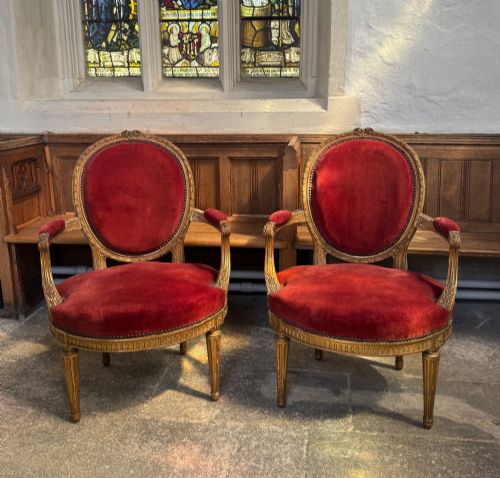
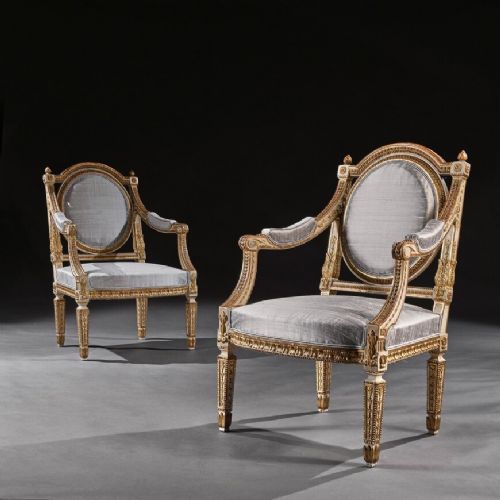
Frameworks are constructed from hardwoods such as beech and mahogany, providing the structural strength needed for carved show frames and slender, tapered legs. Wood surfaces are finished with gesso and gold leaf to create giltwood, or coated with paint and parcel gilt accents.
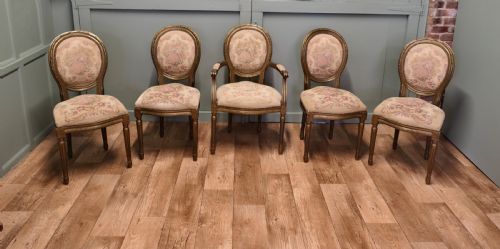
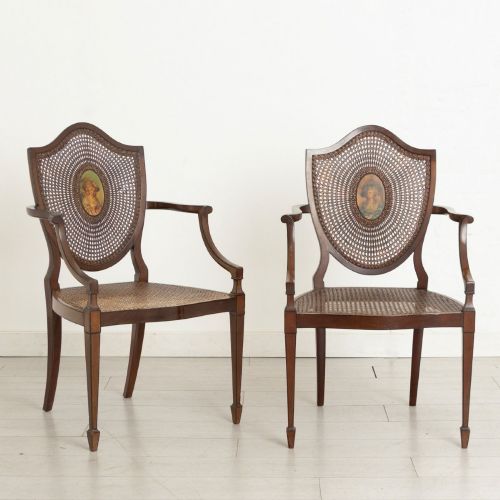
Upholstery techniques involve traditional stuffing secured over webbing, finished with silk damask, velvet, needlepoint tapestry, or cane panels. Frames feature hand-carved decorative details including fluting, rosettes, and beaded moulding along the oval back rail.
Judging Quality
The refinement of the wood carving dictates the standard of the piece, distinguishing crisp, hand-chiselled acanthus and ribbon motifs from soft, mechanical moulding. Deeper relief work and sharp detailing indicate skilled artisan execution during production.
Original surface finishes, whether period gilding or aged paint layers, influence the integrity of the chair. Pieces retaining undisturbed primary finishes command greater attention than those with later repainting or heavy surface restoration.
Structural balance in the joinery of the oval back and leg attachments determines daily durability. Chairs that maintain tight joints and correct weight distribution reflect superior cabinetmaking standards.
The listings span the eighteenth century to the twentieth century, incorporating beech, mahogany, giltwood, and painted finishes alongside silk damask and needlepoint upholstery.
The Louis XVI Oval Chairs Glossary
- Fauteuil
- An open-framed armchair with upholstered armrests, typical of French seating design. These chairs feature exposed wooden frames and padded arm pads.
- Giltwood
- Timber coated with gold leaf applied over a prepared gesso ground. This finish appears frequently on formal neoclassical furniture.
- Medallion chair
- A chair featuring a circular or oval upholstered backrest resembling a medallion. The oval form is a hallmark of the Louis XVI style.
- Bergère
- An enclosed upholstered armchair with solid upholstered sides resting on a wooden frame. They often incorporate loose squab cushions and cane panels.
- Parcel gilt
- A decorative treatment where selected portions of a painted or stained surface are highlighted with gold leaf. This technique emphasises carved details like fluting and rosettes.
Louis XVI Oval Chairs: Frequently Asked Questions
How do I spot a reproduction?
Examine the carving technique on the wooden frame and the ageing of the underlying gesso or paint layers. Hand-carved pieces display subtle tool marks and organic irregularities absent in modern machine-routed reproductions.
Check the timber species used in the hidden structural joints beneath the seat. Period pieces typically utilise regional hardwoods appropriate to their manufacturing era rather than modern commercial substitutes.
Can these chairs be used daily?
These chairs function well for daily use provided the frame joints remain sound and the internal webbing is secure. Lighter salon chairs suit occasional sitting rather than heavy lounging.
Positioning them away from direct sunlight and heat sources protects fragile silk damask upholstery and delicate giltwood surfaces from premature drying.
What is the difference between original and revival pieces?
Original pieces date from the eighteenth century during the reign of Louis XVI, showing period-specific construction methods and contemporary wear patterns. Revival pieces date from the nineteenth and early twentieth centuries, copying the earlier neoclassical aesthetic.
Revival furniture often utilises machinery alongside hand-finishing, whereas eighteenth-century items rely entirely on hand tools for joinery and carving.
How should I clean gilded wood?
Dust giltwood frames gently using a soft, dry ostrich feather duster or a clean, dry artist's brush. Avoid applying water, chemical sprays, or abrasive cloths, which strip the delicate gold leaf.
Professional conservators should handle any significant accumulation of grime or flaking gesso to prevent permanent damage to the metallic surface.