

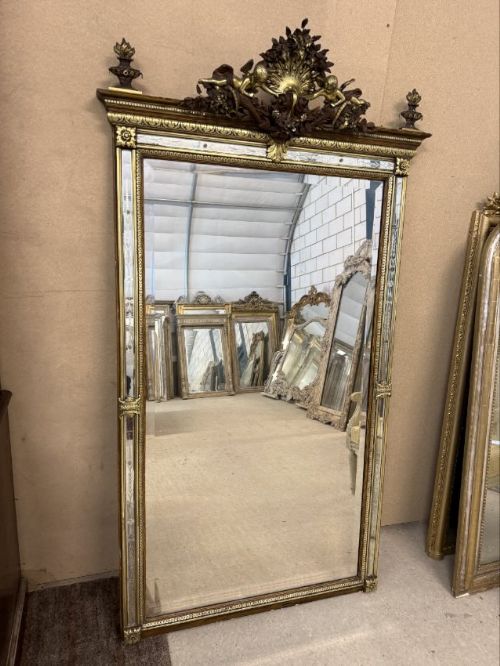
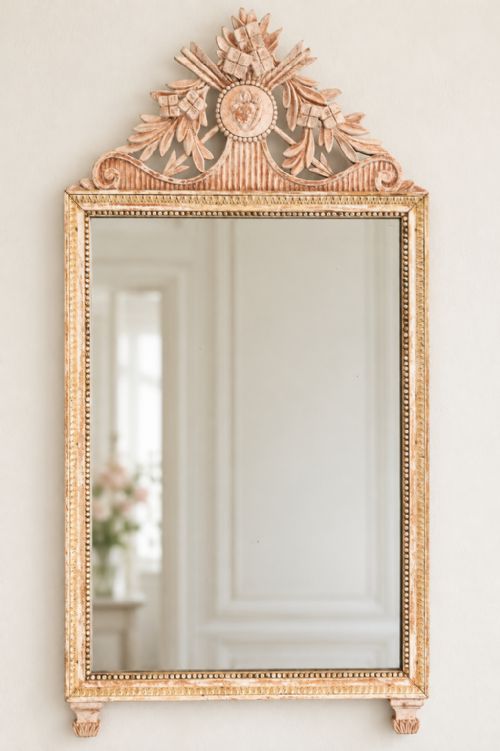
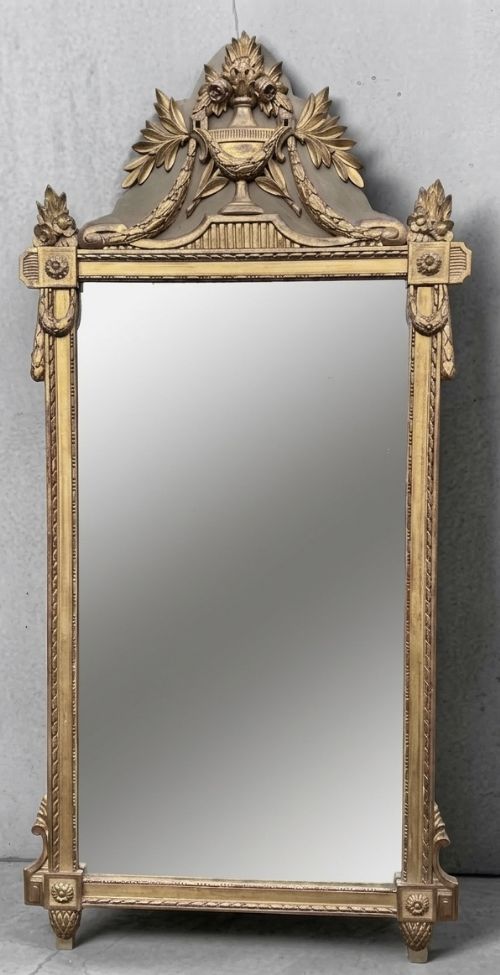
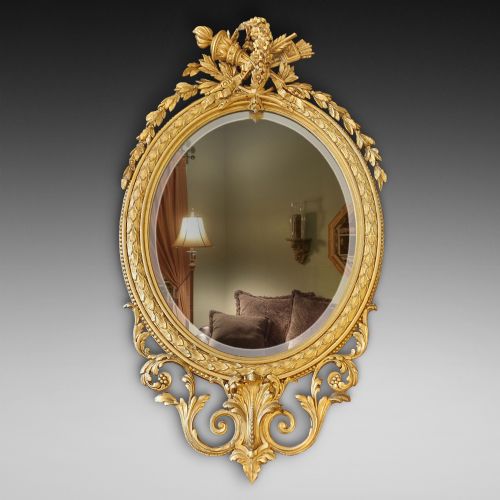
Louis XVI Crest Mirror
A louis xvi crest mirror brings unmistakable French Neoclassical elegance to a room through crisp symmetry and refined classical motifs.
Louis XVI Crest Mirror
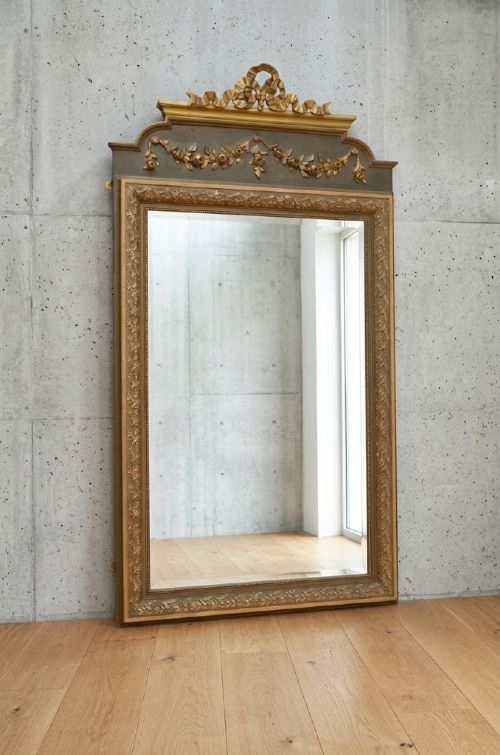
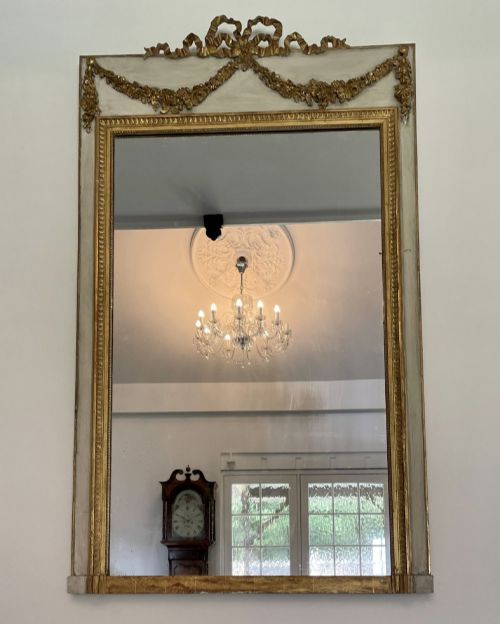
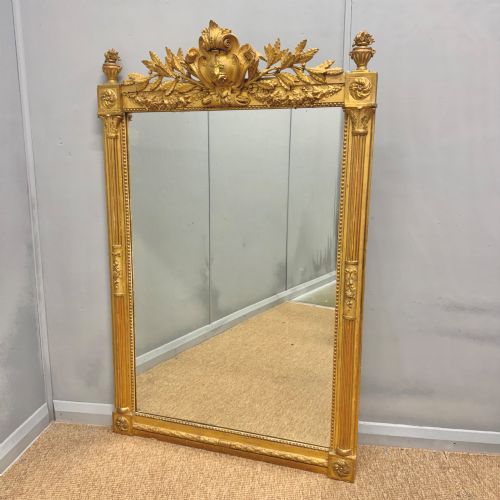
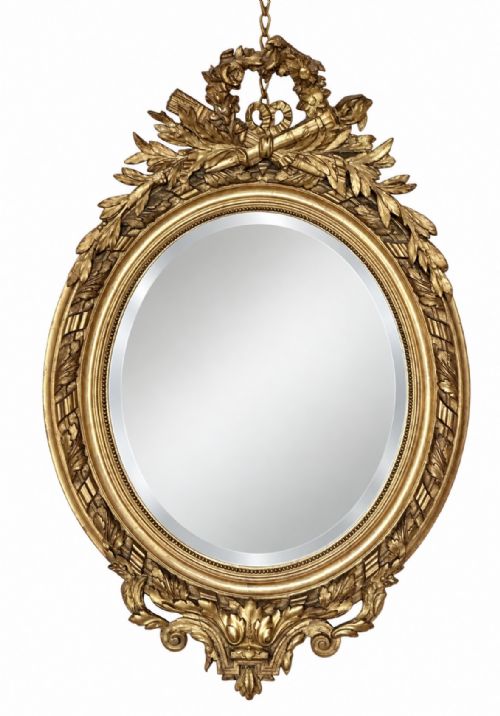
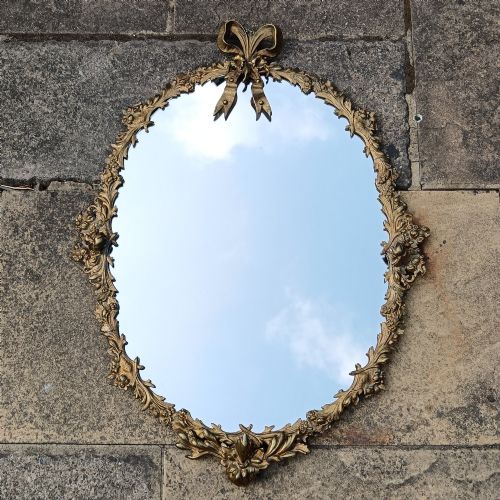
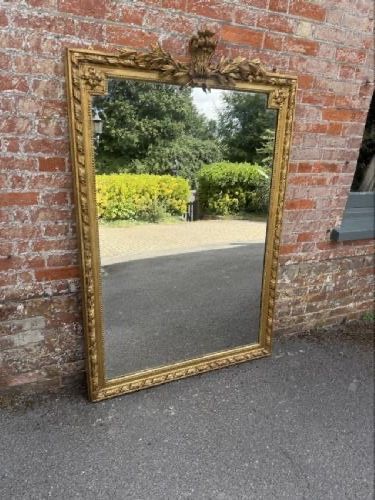
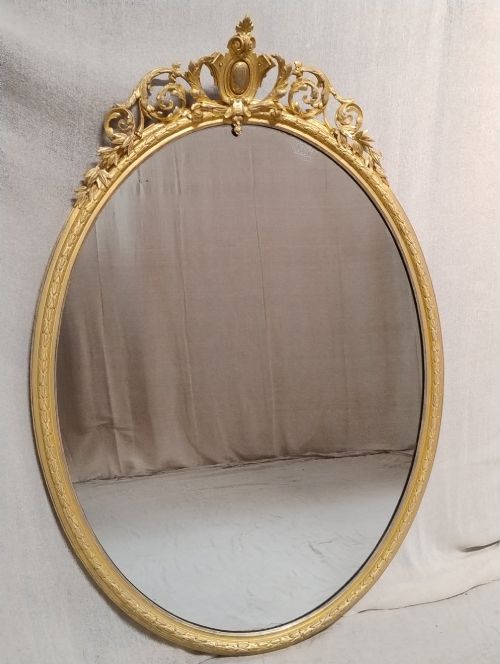
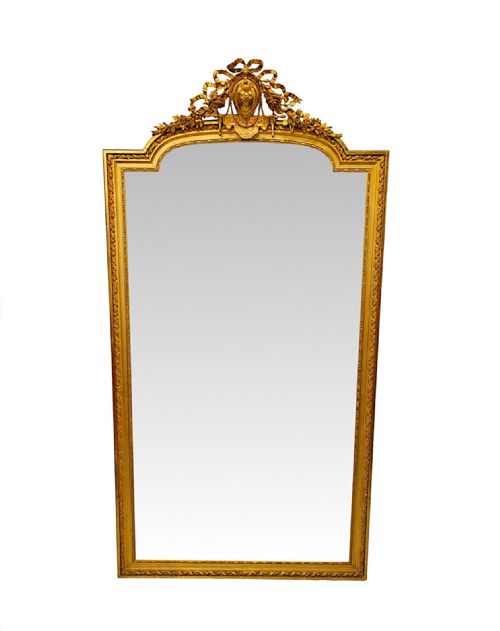
A louis xvi crest mirror is a wall hanging glass plate set within a decorative frame defined by classical restraint, straight lines, and ornamental crests.
Buyers seeking this form will encounter pieces originating largely from the nineteenth century alongside eighteenth century examples, often rendered in revival styles.
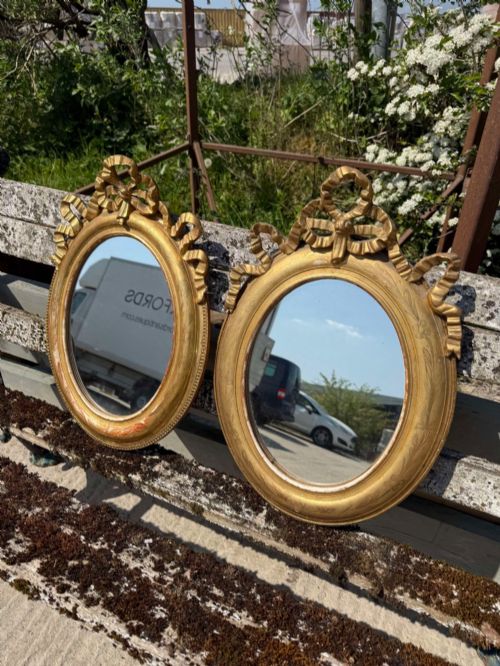
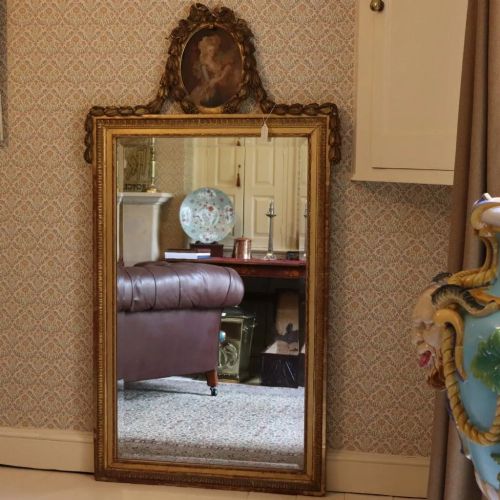
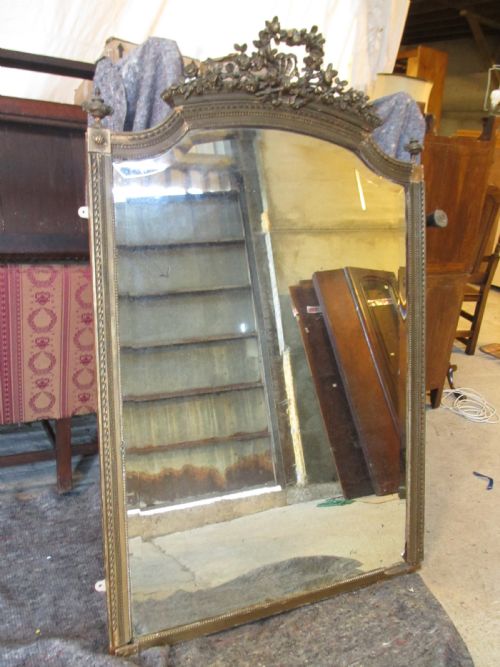
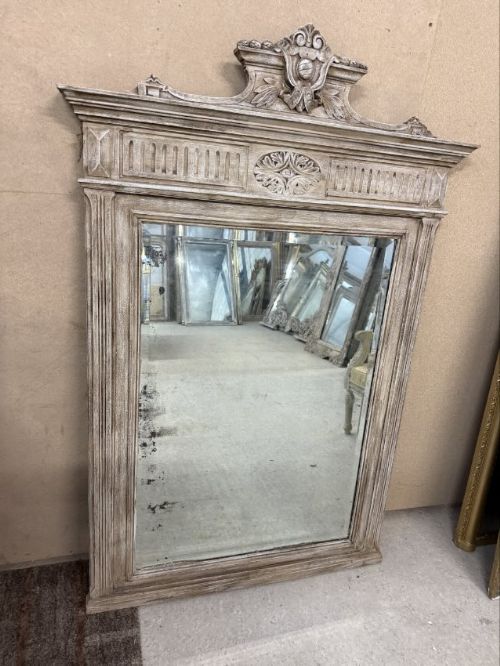
The objects take the form of wall mirrors, overmantels, and trumeaux, frequently featuring distinct ribbon, bow, or urn crestings above the main glass plate.
Materials and Construction
Frames are constructed from wood, carved wood and gesso, or composition materials, providing a stable substrate for subsequent gilding or painting.
Surface decoration relies upon applied gold leaf, silvering, and painted finishes, while glass plates include early mercury glass and bevelled mirror glass.
Louis XVI Crest Mirror Retail Price Guide 2026
Typical asking prices for louis xvi crest mirror among the pieces listed under this phrase on Sellingantiques today, from the lower quarter to the upper quarter. They describe what is for sale here now, not the wider market.
Some mirrors come paired with display brackets or twin candle arms, ready to cast a warm glow across the room.
Assessing Quality
Quality rests upon the depth and crispness of the carving within the crest and frame, distinguishing hand-carved wood from moulded composition details.
The integrity of the original mercury plate or bevelled mirror glass and the preservation of the original giltwood surface determine the standing of an individual piece.
The Louis XVI Crest Mirror Glossary
- Giltwood
- Wood that has been coated with gold leaf or gold paint. This technique provides a luminous metallic finish characteristic of formal European mirrors.
- Gesso
- A plaster mixture applied to wooden frames to create a smooth surface for carving and gilding. It allows for crisp decorative relief work.
- Mercury Plate
- An early mirror glass produced using a tin and mercury amalgam. It displays a characteristic mottled, deep reflection.
- Trumeau
- A decorative wall mirror combined with a painted panel or oil painting above the glass. These were designed to fit between room windows.
- Girandole
- A branched wall sconce fitted with candle holders attached to the mirror frame. They reflect candlelight to illuminate the room.
Louis XVI Crest Mirror: Frequently Asked Questions
How do I date a louis xvi crest mirror?
Dating relies upon examining the construction methods of the wooden frame, the composition of the gesso, and the backboards. Older examples often display hand-cut joins and authentic mercury glass plates.
Later nineteenth century revival pieces adopt similar neoclassical vocabulary but utilise machine-sawn timber and different silvering techniques on the mirror glass.
Where should I hang a louis xvi crest mirror?
These mirrors suit placement above a mantelpiece, a console table, or as a focal point on a principal living room wall. Their vertical proportions draw the eye upward.
Ensure the wall fixings match the weight of the carved wood and gesso frame to support the piece securely.
What is the difference between original and replacement glass?
Original glass, particularly mercury plate, exhibits slight foxing, dark spots, and a deep, uneven reflection due to age. Replacement glass appears clear and uniform.
Many collectors prefer surviving original glass as it preserves the authentic visual character of the antique.