

Louis XV Tea Table
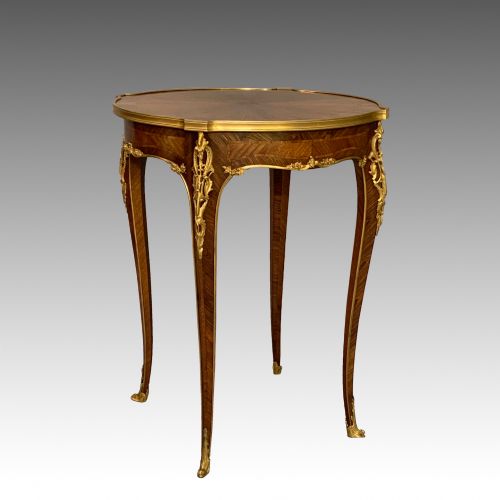
A louis xv tea table brings fluid curves and gilt mounts into a room, offering a surface for display or service rooted in French revival design.
Louis XV Tea Table
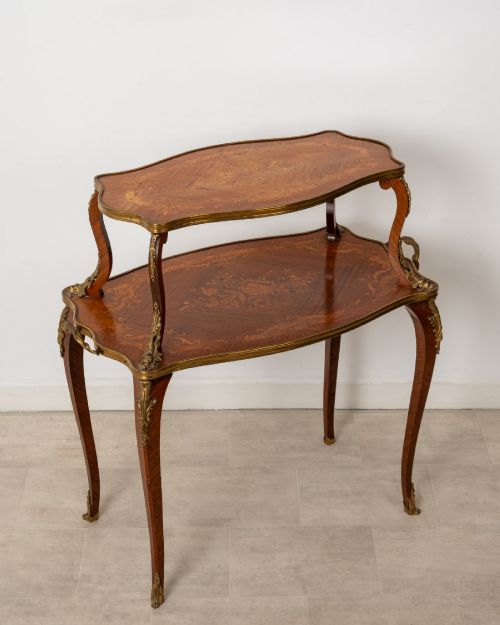
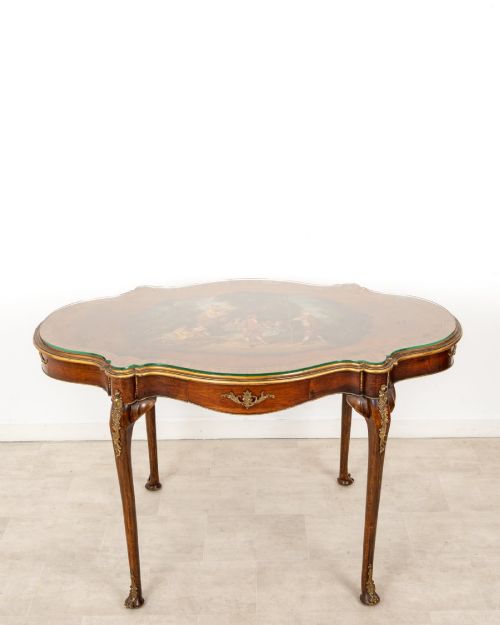
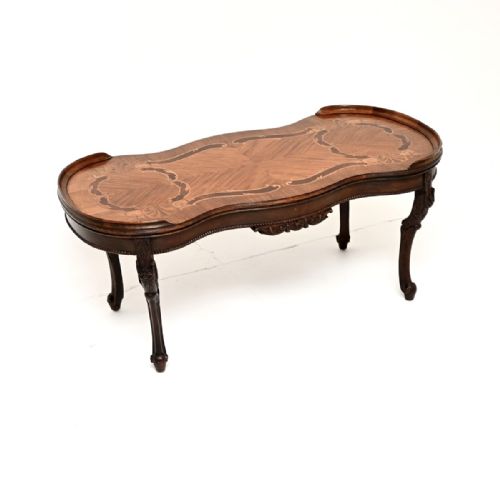
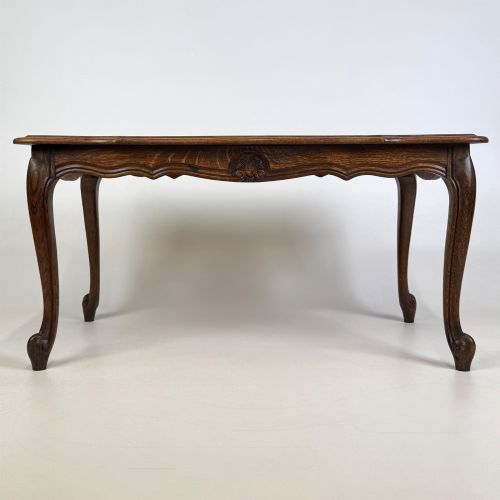
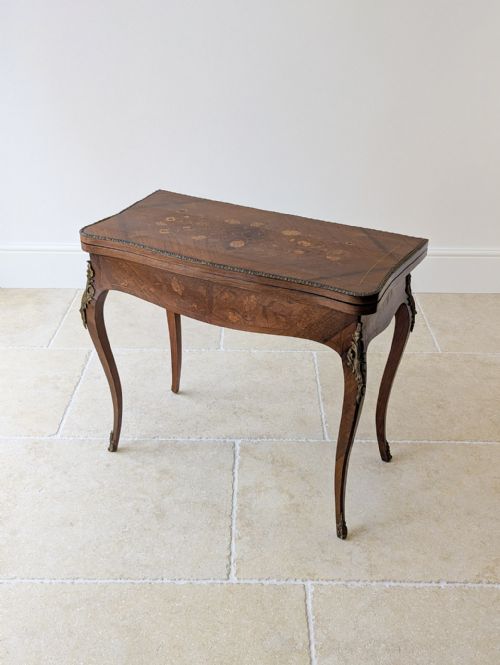
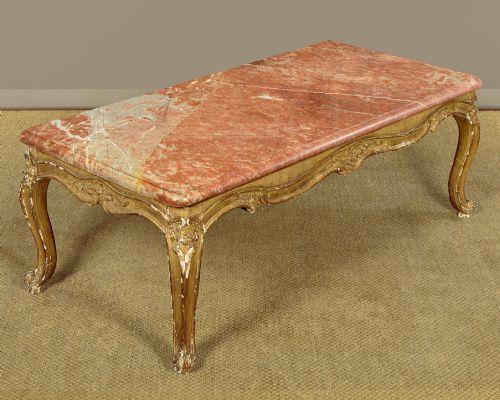
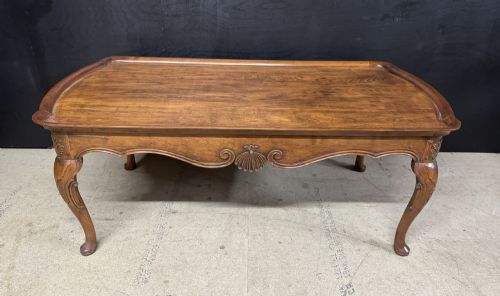
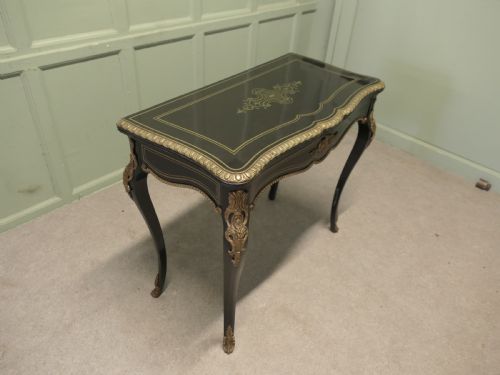
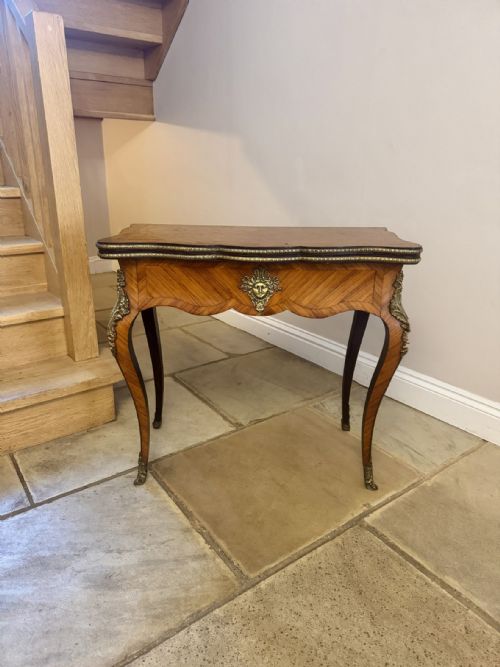
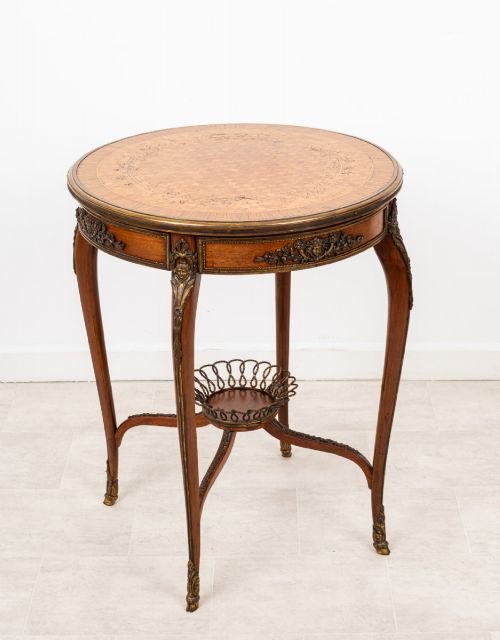
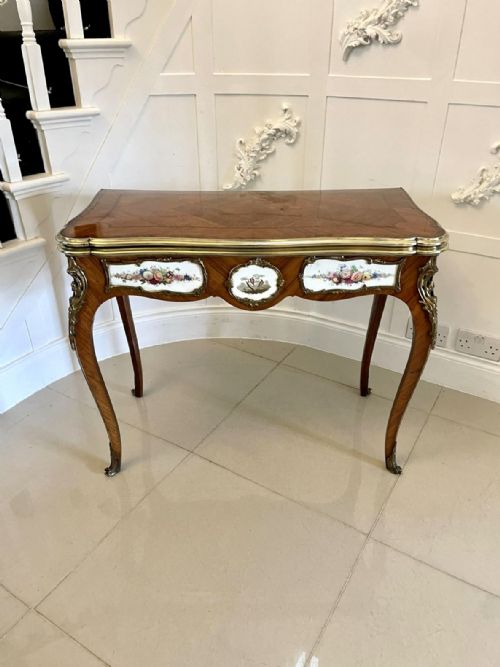
A louis xv tea table takes the form of occasional, centre, and tea tables shaped by the rococo revival of the nineteenth century and later decades. Buyers seeking this phrase encounter various occasional formats, including two-tier étagères and tray-top tables alongside folding card and games tables.
The aesthetic draws directly from eighteenth-century French prototypes, reinterpreted during the Victorian and Edwardian periods using rich timbers and decorative metal mounts. Most examples on this page date from the nineteenth and early twentieth centuries, reflecting European cabinet-making traditions.
Construction and materials
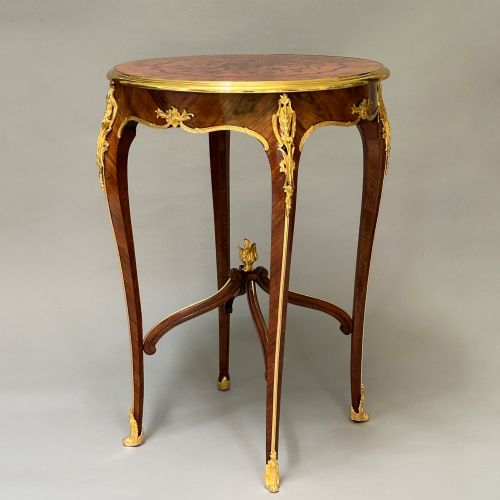
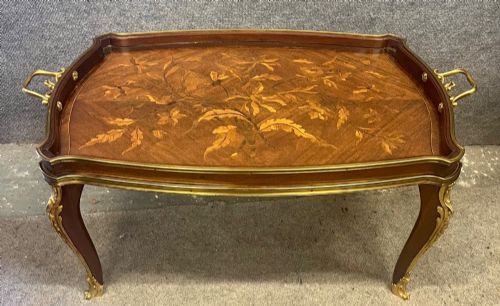
Cabinet-makers built these pieces using foundational hardwoods such as mahogany and walnut, overlaid with decorative veneers of kingwood, rosewood, and satinwood arranged in marquetry and parquetry patterns. Surface decoration relied heavily on cast or chased ormolu and gilt bronze mounts that accentuated the sweeping cabriole legs and serpentine edges.
Joinery methods of the nineteenth century combined traditional framing with precise veneer work, often incorporating brass inlay or hand-carved giltwood details. Tops frequently featured polished timber, floral marquetry, inset porcelain plaques, or marble slabs fitted to conform with curved rails.
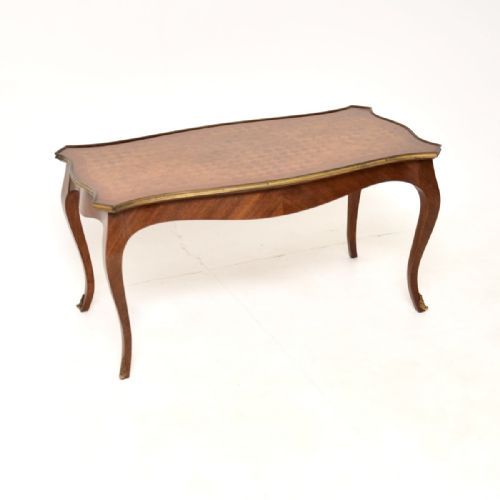
Object forms include games tables with folding tops, two-tier étagères, and low coffee tables adapted from earlier occasional furniture.
Judging the work
Quality rests in the crispness of the gilt bronze mounts and the finesse of the underlying cabinet-making, where master makers achieved seamless integration between timber and metal. The depth and precision of floral marquetry or parquetry geometric patterns separate standard production from exceptional artistry.
Structural integrity reveals itself in the fluid line of the cabriole leg and the stability of folding mechanisms on card and games tables. Superior examples display meticulous attention to secondary timbers and hand-chased chasing on ormolu mounts rather than mass-produced cast metal.
Joseph-Emmanuel Zwiener·François Linke·G T Morant
The Louis XV Tea Table Glossary
- Ormolu
- Gilded bronze used for decorative mounts and accents on furniture. This technique involved applying finely ground gold amalgam to cast bronze before heating.
- Marquetry
- Inlaid wood veneers forming pictorial or floral patterns. Craftsmen cut contrasting timber veneers together to achieve tight, flush joins.
- Parquetry
- Geometric wood inlay forming patterns such as cubes or chequers. This technique showcased the natural grain and colour variations of timbers like kingwood and walnut.
- Cabriole leg
- A furniture leg with a double curve mimicking an animal's hind leg, swelling outward at the knee and tapering inward to a foot. It forms a defining feature of rococo design.
- Étagère
- A small open shelving unit or side table with multiple tiers. These pieces were designed for displaying ornaments or serving small items.
Louis XV Tea Table: Frequently Asked Questions
What is a louis xv tea table?
A louis xv tea table is an occasional or two-tier table designed with the curved lines, cabriole legs, and decorative mounts characteristic of French rococo revival furniture.
These pieces served functional and decorative roles in nineteenth-century interiors, functioning as surfaces for hospitality or display.
How do I date these tables?
Dating relies on examining construction methods, timber choices, and the style of the cast bronze or ormolu mounts. Most surviving examples date from the nineteenth century through the early twentieth century.
Makers' signatures, stamps on bronze mounts, and specific revival idioms help narrow the period of manufacture.
Were these tables actually used for tea?
While named for tea service or general entertaining, many forms on this page double as occasional, centre, or games tables with folding tops. Their versatile sizes made them suitable for drawing rooms and parlours of the Victorian and Edwardian eras.
The inclusion of tray tops and lower tiers accommodated portable vessels and decorative objects.
How do I care for wood and ormolu?
Maintenance involves dusting with a soft, dry cloth and avoiding harsh chemical polishes that can damage delicate veneer finishes or strip gilding from bronze mounts. Keeping timber away from direct heat sources prevents warping and veneer lifting.
Wax applied sparingly helps protect polished kingwood and walnut surfaces over time.