

Louis XV Style Light
A louis xv style light brings French Rococo elegance into a room through intricate cast metalwork and luminous crystal drops.
Louis XV Style Light
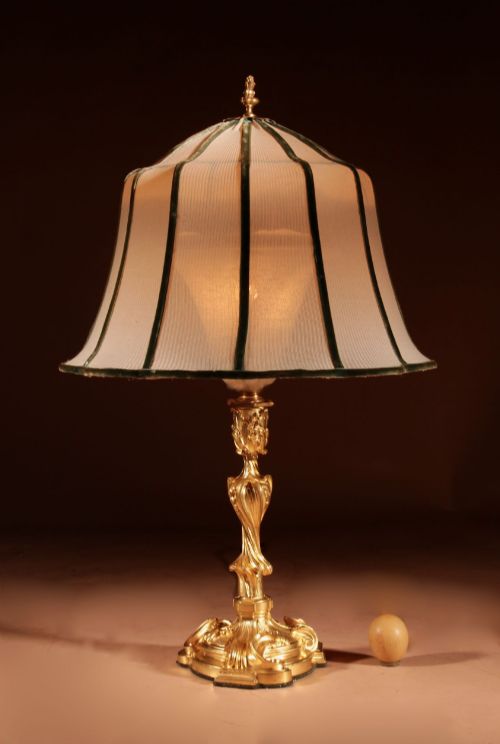
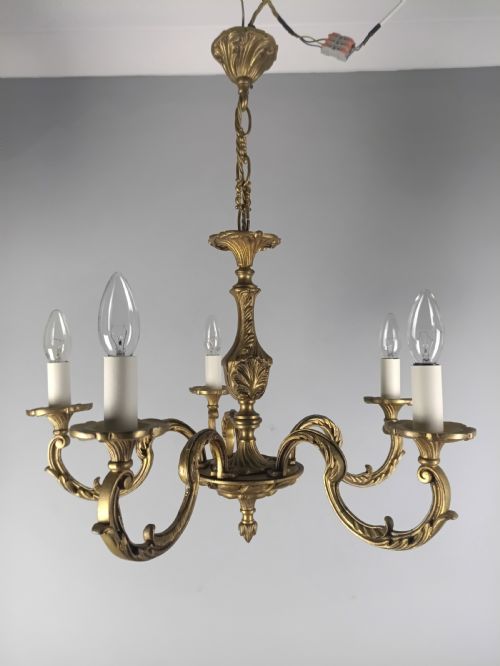
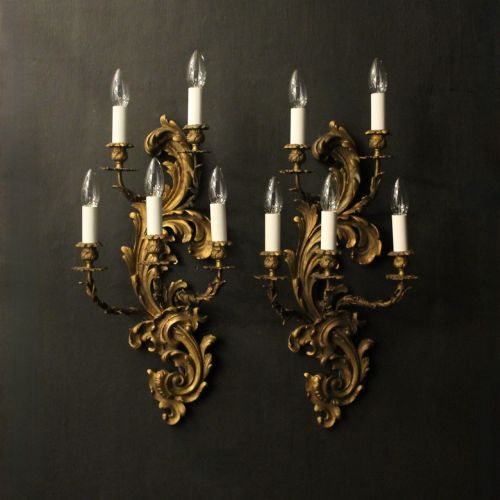
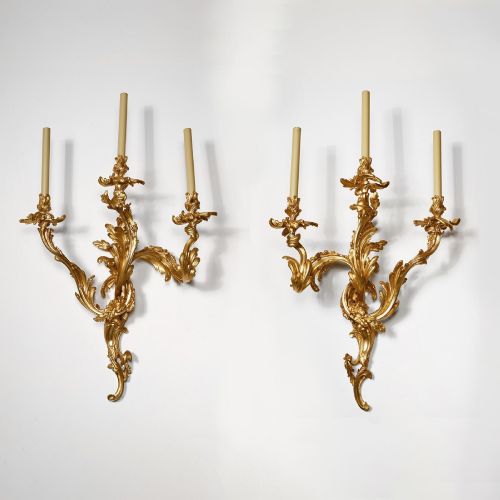
A louis xv style light encompasses chandeliers, wall sconces, lanterns, and candelabra originating from French design traditions spanning the nineteenth and early twentieth centuries. These fixtures lean heavily into French Rococo aesthetics, defined by asymmetrical curves, naturalistic leaf motifs, and ornate scrolling frames.
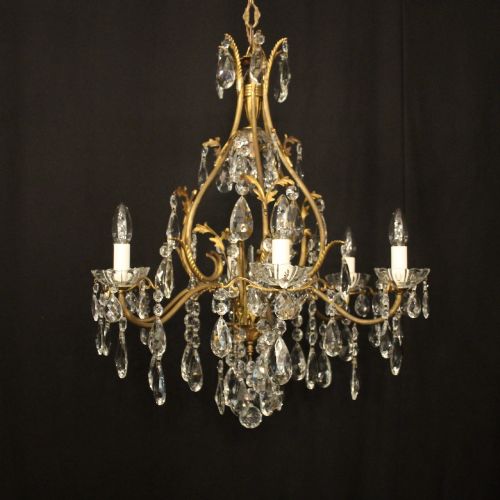
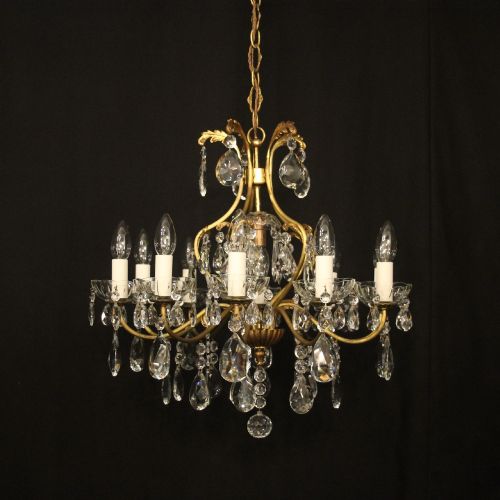
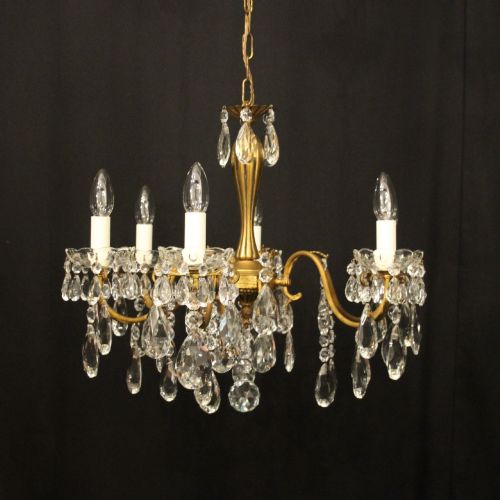
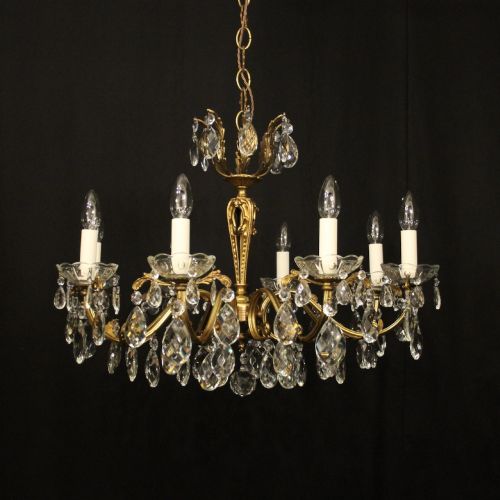
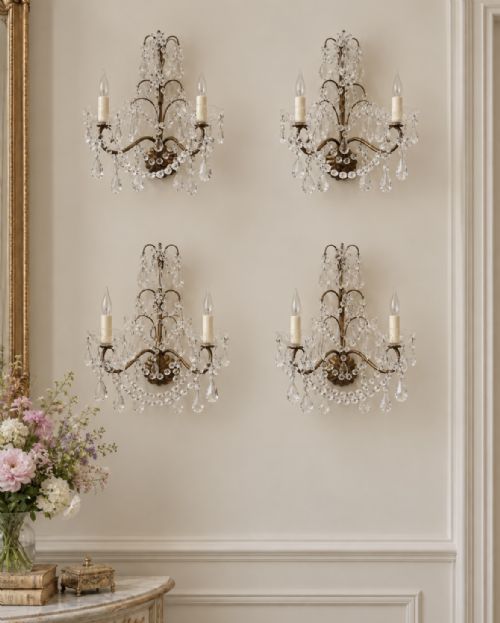
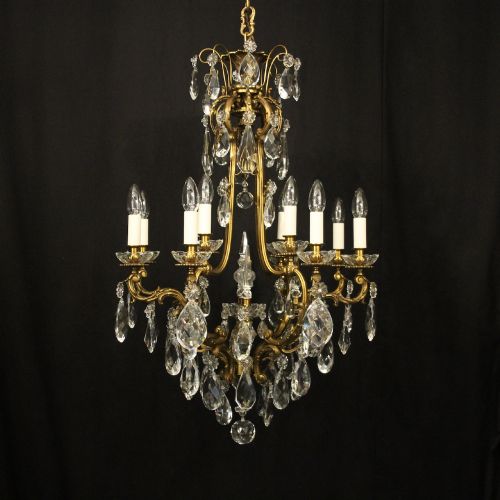
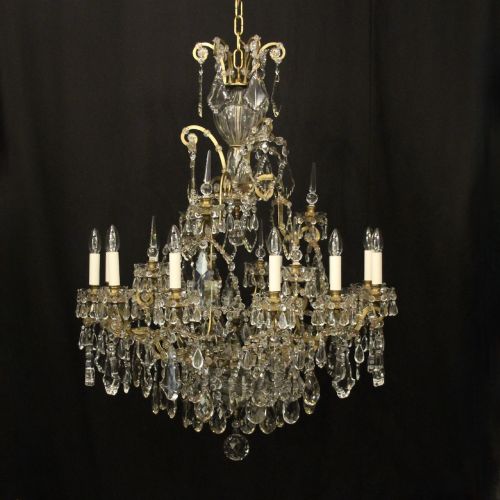
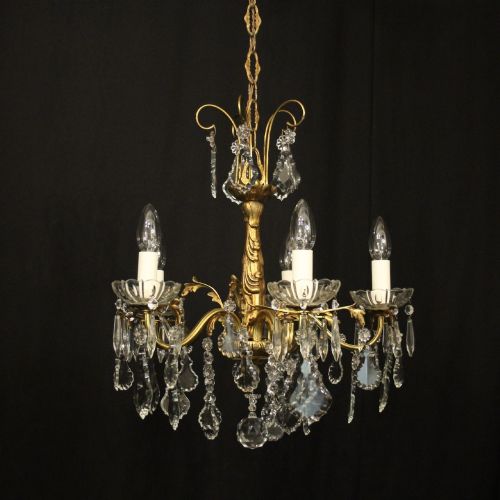
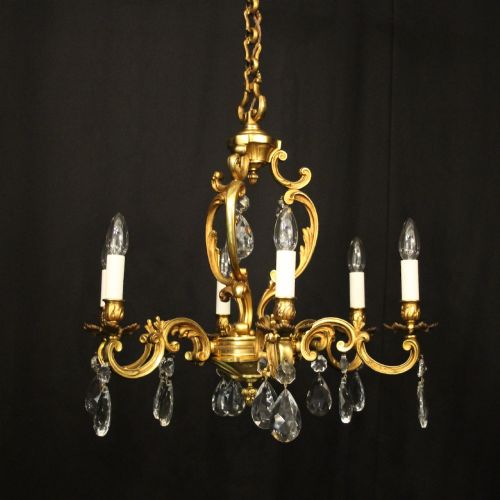
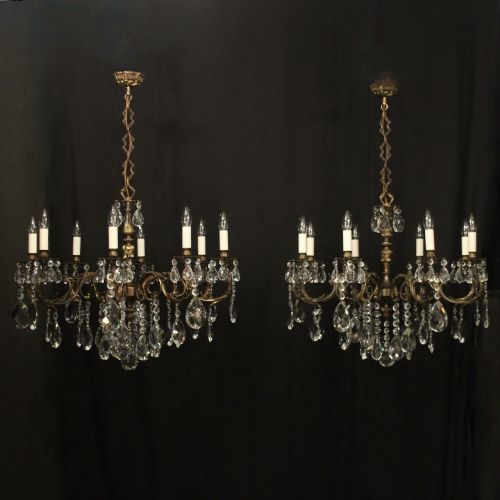
The version most commonly encountered on this page is the multi-arm chandelier or matched pair of wall lights produced during the early decades of the twentieth century. These pieces combine gilded brass, bronze, or ormolu mounts with cascades of cut glass and crystal lustres designed to reflect candle or electric illumination.
How they were made
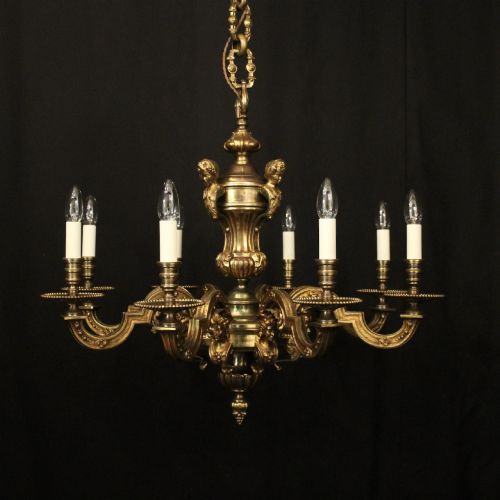
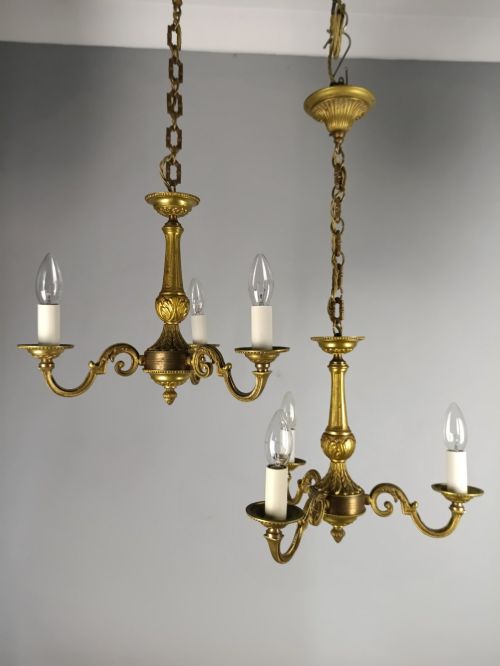
Makers shaped the structural elements of a louis xv style light using cast brass, bronze, and gilt metal, often employing ormolu techniques to impart a rich golden surface finish. These metal frames were formed with flowing, organic contours characteristic of the Rococo Revival style, creating sculptural armatures for multiple candle branches.
Glass and crystal components, from central birdcage columns to hanging lustres and cut glass drops, were hand-cut and wired or pinned to the metal framework. Wall lights and chandeliers integrate these reflective glass elements to amplify the spread of light across a space.
Louis XV Style Light Retail Price Guide 2026
Typical asking prices for louis xv style light among the pieces listed under this phrase on Sellingantiques today, from the lower quarter to the upper quarter. They describe what is for sale here now, not the wider market.
Listings span from the 1850s through the 1930s, showing enduring demand for French Rococo forms across the nineteenth and twentieth centuries.
What varies in quality
The standard of a louis xv style light is determined by the depth and crispness of the metal casting, particularly in the chased detail of ormolu mounts and figural elements. Finer examples display sharp, hand-finished acanthus leaves and scrolls without surface pitting or softening.
Assembly and material selection further separate tiers of production, seen in the weight of the cast bronze or brass, the clarity of the cut crystal lustres, and the structural integrity of multi-tiered birdcage frames.
The Louis XV Style Light Glossary
- Ormolu
- Gilt bronze produced by applying a finely ground high-carat gold mercury amalgam to a cast bronze object. This historic technique creates a warm, durable golden lustre on decorative mounts.
- Birdcage chandelier
- A lighting fixture featuring an open wirework metal frame resembling a birdcage, hung centrally with glass beads and crystal lustres. It represents a classic form in French antique lighting.
- Applique
- A wall-mounted lighting fixture designed to hold candles or electric lamps. In French interiors, these are frequently found in matched pairs or sets.
- Lustre
- A cut glass or crystal pendant suspended from a chandelier or wall light to refract illumination. Their quality depends on the precision of the glass cutting.
Louis XV Style Light: Frequently Asked Questions
What is a louis xv style light?
A louis xv style light is a decorative French lighting fixture inspired by eighteenth-century Rococo design, featuring curved metal frames, floral motifs, and crystal elements.
Most examples found today date from the nineteenth and early twentieth centuries, capturing the ornate aesthetic of the French chateau tradition.
How do I light my home with them?
Integrating these pieces involves balancing ambient chandelier light with the softer, directional glow of wall sconces or table lamps. Wiring must be assessed to ensure compatibility with modern electrical standards.
Matching pairs of wall lights work well flanking mirrors, fireplaces, or architectural doorways.
How do I date a louis xv style light?
Dating relies on examining the construction methods of the metal frame, the composition of the bronze or brass, and the wiring or socket types where electrified. Nineteenth-century examples often show heavier hand-chased ormolu work.
Early twentieth-century pieces frequently utilise standard cast brass components while retaining traditional French Rococo motifs.