


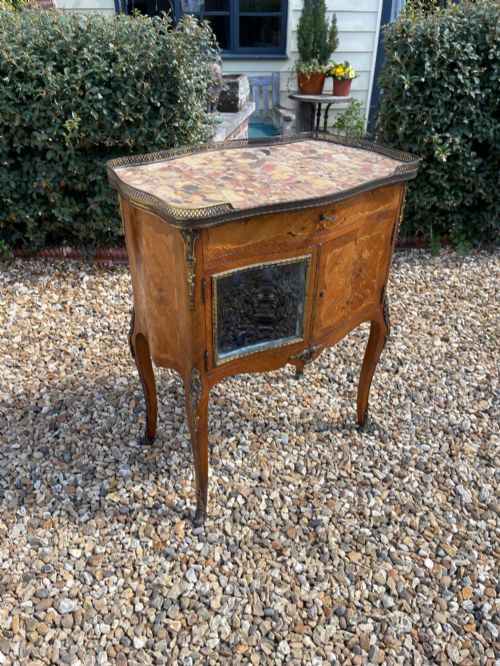

Louis XV Style Cupboard
A louis xv style cupboard brings curvaceous serpentine lines and ornate mounts into a room, offering both practical storage and undeniable French flair.
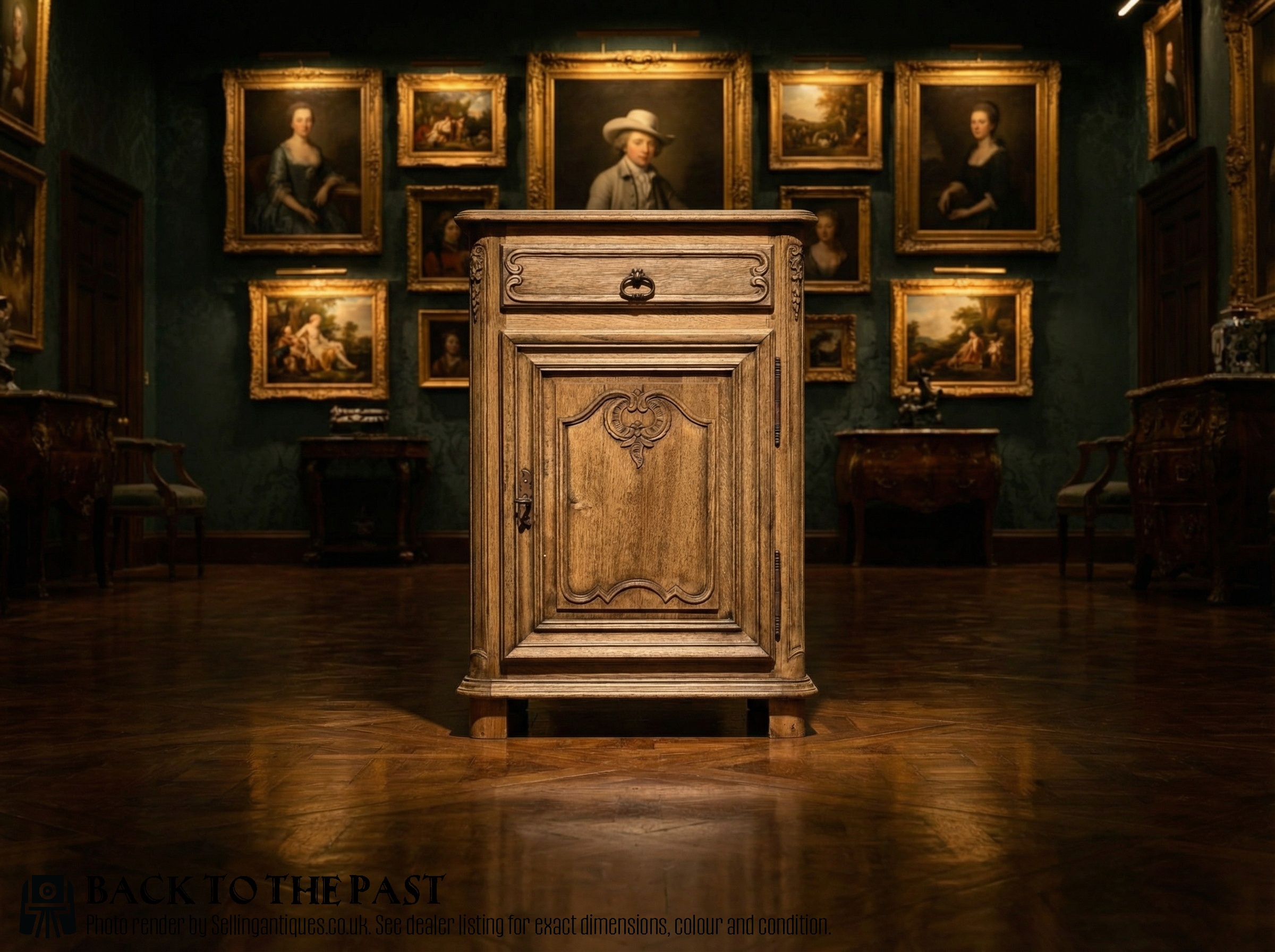
Louis XV Style Cupboard
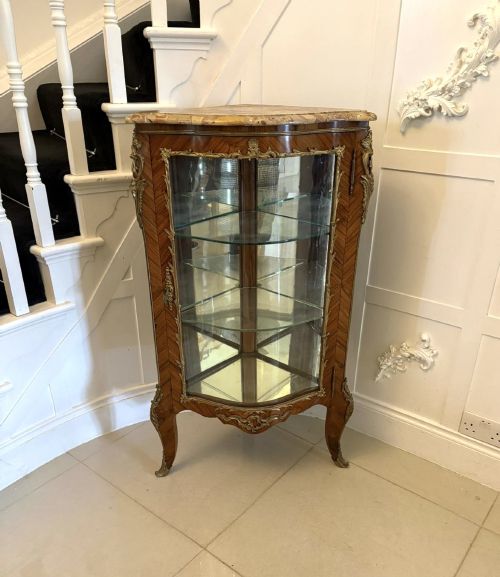
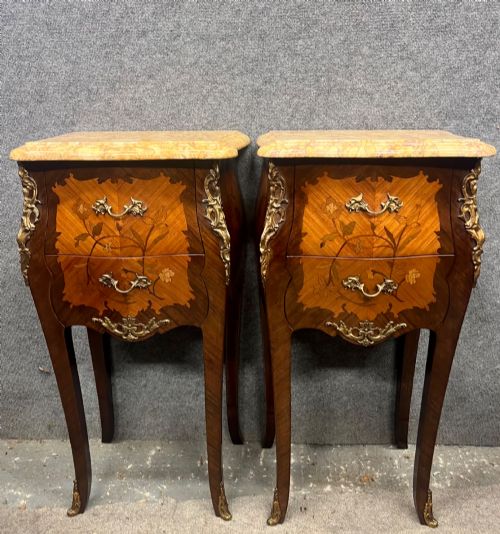
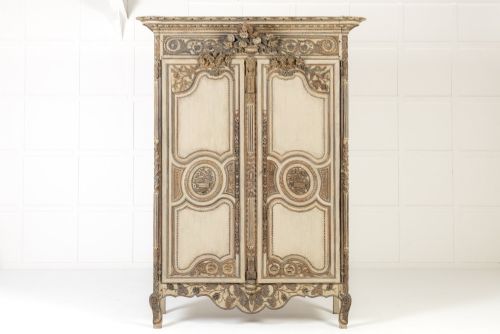
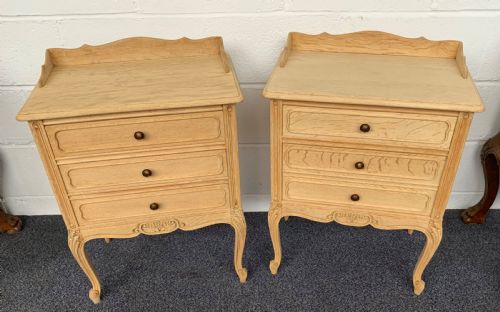
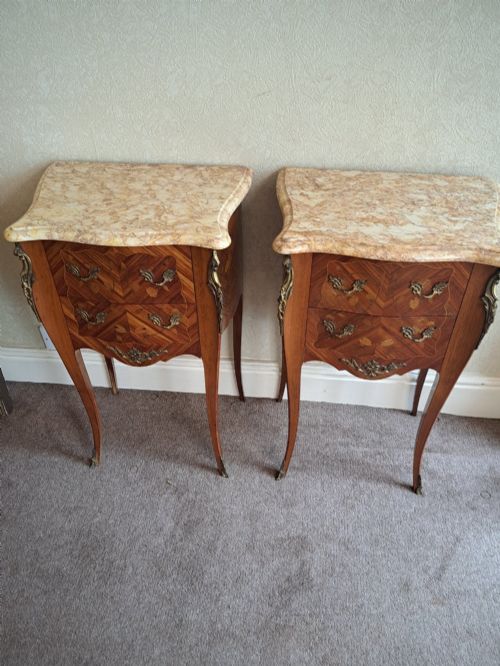
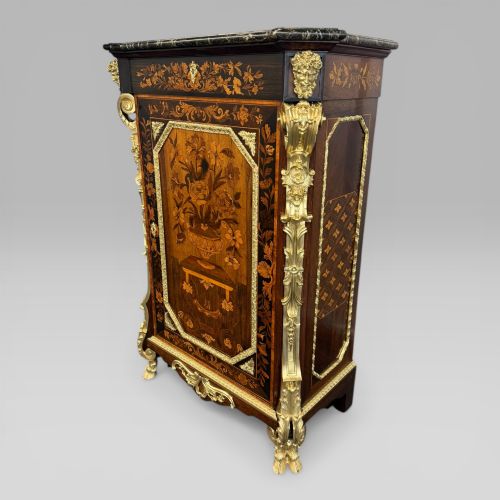
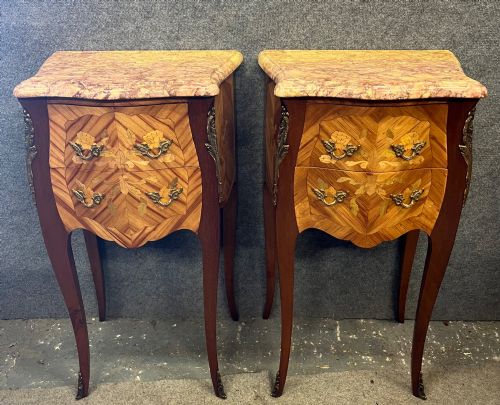
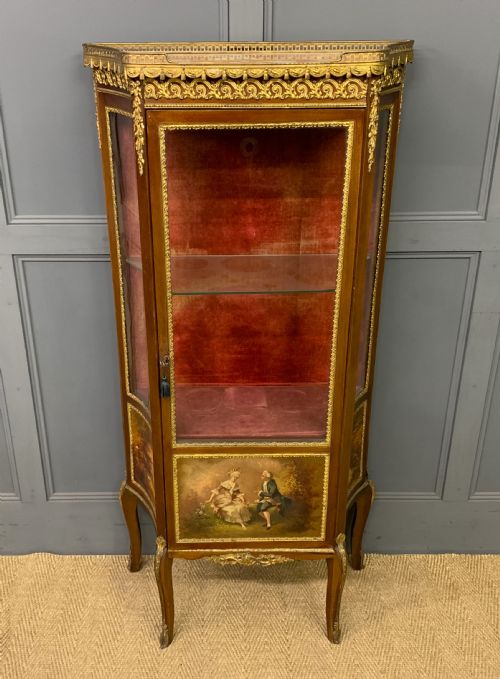
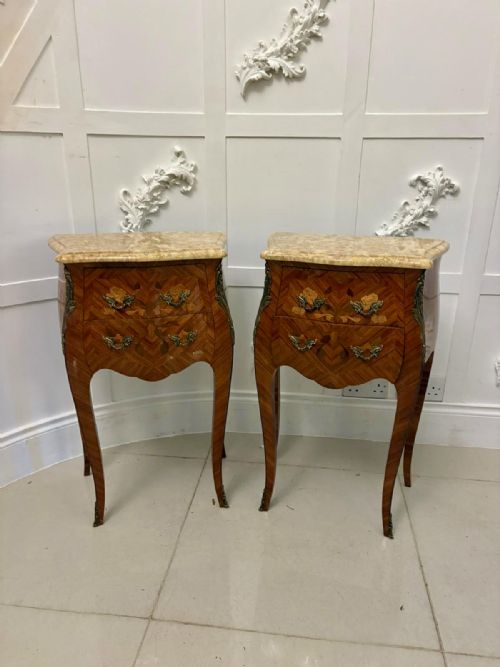
A louis xv style cupboard spans diverse forms, ranging from compact bedside chests and lamp tables to large armoires and glazed vitrines. Most examples encountered here date from the nineteenth and early twentieth centuries, drawing direct inspiration from eighteenth-century French rococo aesthetics.
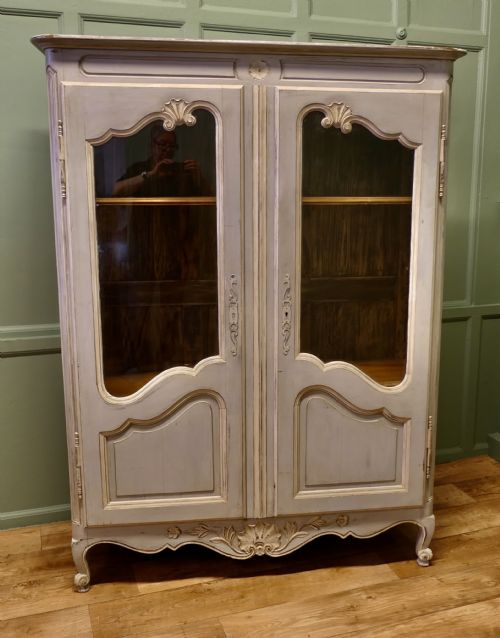
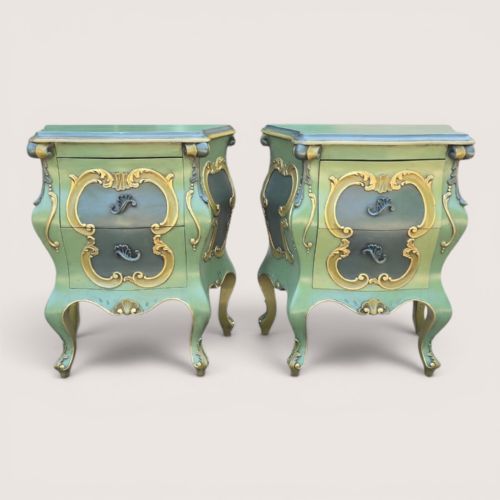
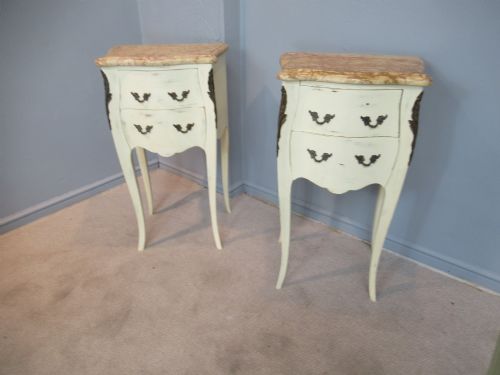
Makers of these pieces utilised distinct regional and period interpretations, yielding both grand serpentine display cabinets outfitted with marble tops and simpler provincial painted wood cupboards. Buyers frequently encounter matched pairs of bedside cabinets alongside standalone architectural armoires.
Materials and Construction Techniques
Cabinet makers relied upon select hardwoods including walnut, oak, mahogany, and exotic timbers such as kingwood and rosewood. Surfaces often received intricate marquetry and parquetry veneers arranged in geometric or floral motifs, while painted finishes appeared on provincial pieces.
Structural designs frequently incorporated shaped marble tops, brass or ormolu mounts, and glazed doors for display cabinets. Joinery techniques accommodated curved serpentine fronts and bombé profiles characteristic of the style.
The listings combine walnut, kingwood, oak, and painted wood with marble and ormolu across multiple centuries.
Evaluating Quality and Execution
Quality reveals itself in the precision of the marquetry inlay and the crispness of the cast ormolu mounts affixed to the corners and feet. Finer pieces demonstrate superior timber selection and seamless execution of complex serpentine curves.
The integration of heavy marble tops and the fluidity of carved wooden details distinguish standard production from exceptional examples. Interior fitting and the weight of hardware further separate workshop standards.
Edward Holmes Baldock·Maison Millet·Joseph Zwiener
The Louis XV Style Cupboard Glossary
- Ormolu
- Gilded bronze mounts applied to furniture. These decorative elements highlight the contours of cabinet corners and legs.
- Marquetry
- Decorative veneer patterns formed by fitted pieces of wood. Artisans created intricate floral or geometric designs across cabinet doors and tops.
- Serpentine
- A shape featuring a double curve that bends inward at the centre and outward at the ends. This contour defines the front profile of many cabinets.
- Vitrine
- A glass-fronted display cabinet. These pieces allow porcelain or objets d'art to be viewed while protected behind glass doors.
- Armoire
- A large freestanding wardrobe or cupboard with doors. They provide enclosed storage space with internal shelving or hanging capacity.
Louis XV Style Cupboard: Frequently Asked Questions
How do I identify a true period piece?
Distinguishing eighteenth-century originals from nineteenth-century revival pieces requires examining timber shrinkage, hand-cut joinery, and the wear patterns on secondary woods.
Revival pieces often display machine precision or nineteenth-century hardware styles that differ from authentic eighteenth-century construction methods.
Where should I place a bedside cabinet?
These compact chests suit bedrooms as functional bedside tables or lamp tables, providing enclosed surface storage for small items.
Their decorative marquetry and marble tops also allow them to function effectively as standalone lamp tables in smaller reception rooms.
Are marble tops removable?
Most marble tops rest unattached on the wooden carcass of the cabinet, held in place by their own substantial weight.
Lifting the stone off simplifies moving the heavy piece of furniture during transport or repositioning within a room.
How do I care for polished wood surfaces?
Maintaining polished wood and veneer requires avoiding direct sunlight and excessive moisture to prevent timber cracking or lifting.
Periodic application of appropriate wax preserves the sheen of walnut, kingwood, and mahogany without building up residue.