

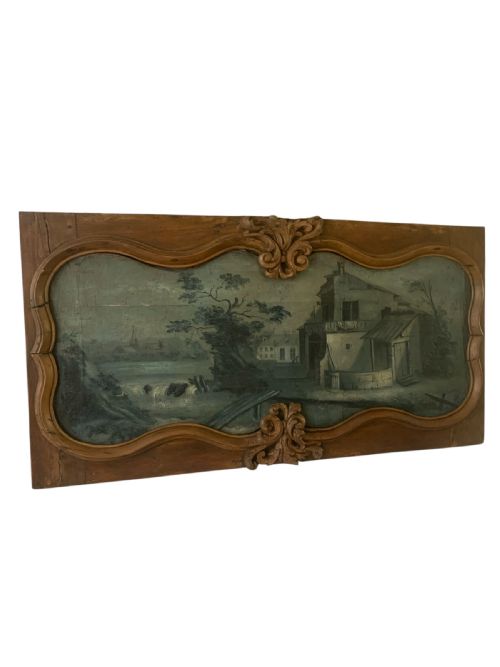


Louis XV Carved Doors
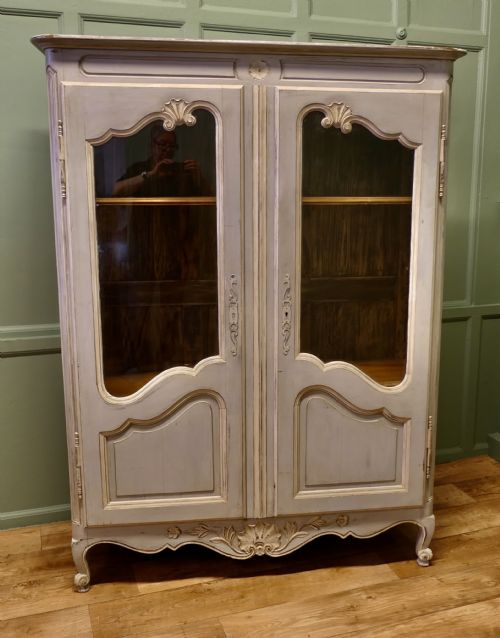
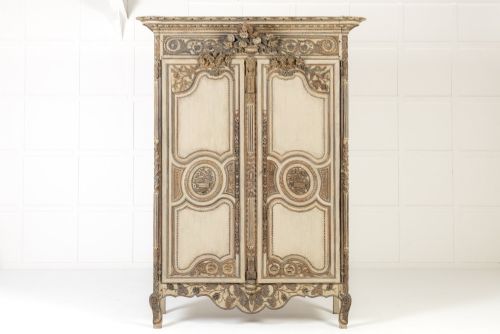
Louis xv carved doors bring genuine French provincial and chateau character to an interior, whether fitted into an architectural opening or displayed as statement panels.
Louis XV Carved Doors
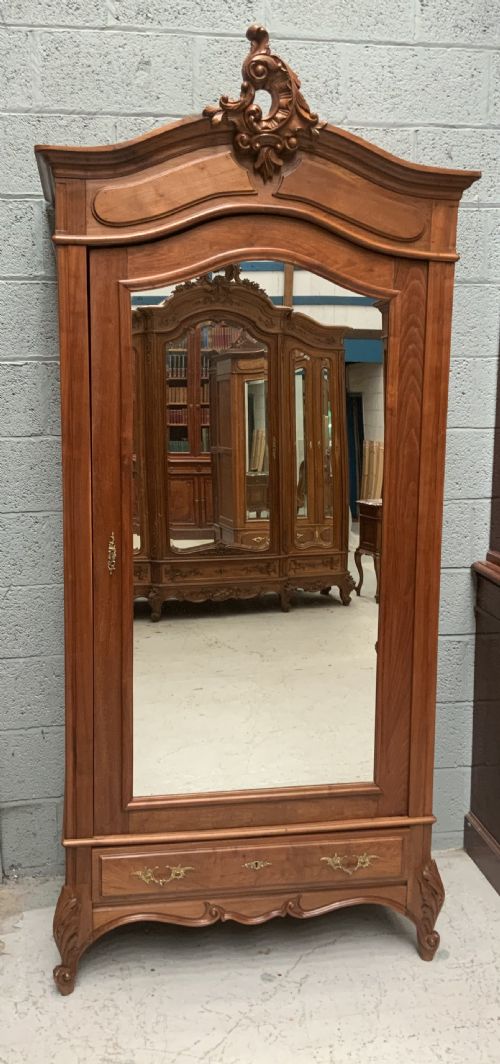
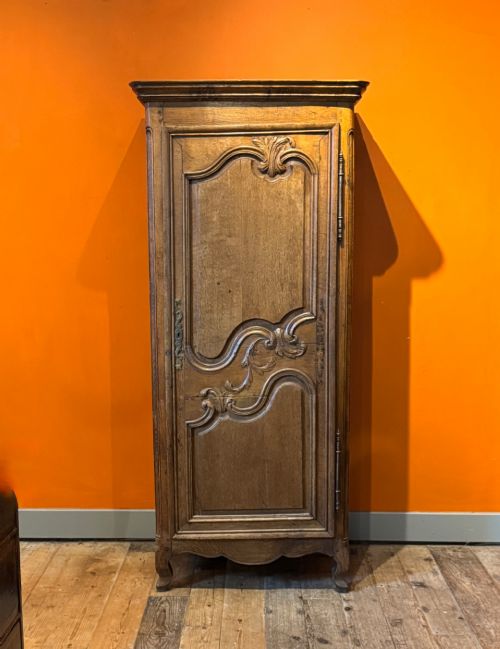
When you search for louis xv carved doors, you encounter architectural salvage and individual door panels spanning the eighteenth century through to the early twentieth century. These pieces encompass rustic painted finishes, simple oak formats, and rich walnut timber.
The most frequent examples on this page are paired doors and single panels originating from French armoires, buffets, and architectural elements. They display the characteristic asymmetry, scrolls, and naturalistic curves associated with French Rococo and revival styles.
Originating predominantly from French workshops, these items capture historical domestic design, utilising native timbers like oak, walnut, and cherry alongside painted surfaces. They serve as functional architectural dividers or decorative wall installations in contemporary and traditional interiors.
Materials and Construction
Carpenters constructed these doors using traditional joinery frameworks enclosing solid timber panels of oak, walnut, cherry, and mahogany. Selected woods were shaped by hand utilising gouges and chisels to achieve deep, sweeping relief carvings.
Surfaces received various treatments ranging from clear wax finishes that highlight the natural grain of walnut and oak to historical paint layers and distressed painted schemes. Iron and brass hinges, locks, and handles were integrated to secure the heavy timber.
Materials recorded across the available items include solid oak, burr walnut, mahogany, cherry wood, iron, brass, marble, and painted finishes.
Assessing Quality and Craftsmanship
The distinction between standard items and exceptional examples lies in the depth and crispness of the hand carving. Superior pieces exhibit fluid, undercut botanical motifs rather than shallow or mechanical machine work.
Timber selection and structural integrity also define the grade of a door. Dense, well-figured walnut or quarter-sawn oak that remains stable over centuries represents a higher standard of joinery than softer secondary woods.
The Louis XV Carved Doors Glossary
- Rococo
- An eighteenth-century style characterised by ornate scrollwork, asymmetry, and motifs derived from nature. It forms the primary aesthetic foundation for these carved panels.
- Armoire
- A large freestanding cupboard with one or more doors, which frequently provides the source for antique carved doors when dismantled. These functional pieces house shelving or hanging space.
- Parquetry
- Geometric wood mosaic work used for decorative surface patterns on furniture panels. It demonstrates advanced cabinet-making skill.
- Ormolu
- Gilded bronze mounts applied to furniture and doors for decorative enrichment. This material elevates the status of the piece.
- Pelmet
- A decorative wooden framework positioned above a window or opening. Examples in the evidence show intricate hand carving matching door styles.
Louis XV Carved Doors: Frequently Asked Questions
How can I install antique doors?
These panels adapt well to modern interiors when mounted on sliding tracks or hung within custom doorframes as interior room dividers. They also function successfully as fixed wall art to add architectural depth to plain plaster walls.
Ensure that the weight of solid walnut or oak timber is supported by adequate hinges and framing. Consulting a skilled joiner helps integrate antique dimensions into standard architectural openings.
What is French provincial style?
French provincial style reflects the domestic furniture and architectural elements produced in the regions outside Paris during the seventeenth and eighteenth centuries. It combines practical utility with local interpretations of courtly Rococo ornamentation.
Pieces from these areas typically feature robust construction in native timbers like oak, chestnut, and fruitwood. The carving is often simpler and sturdier than high Parisian work, suited to rural chateaux and farmhouses.
How do I care for antique wood?
Maintain finished timber surfaces by applying natural beeswax periodically to nourish the grain and protect against dryness. Avoid placing antique panels near direct heat sources or in areas with fluctuating humidity.
Clean the carved recesses gently with a soft, dry brush to remove dust without disturbing the patina. Avoid harsh chemical cleaners that strip historical finishes and painted layers.
How do I distinguish eighteenth-century pieces?
Eighteenth-century woodwork displays hand-cut joinery marks, peg construction, and natural wear patterns accumulated over generations. The timber often shows subtle undulations and a deep patina unique to early hand tools.
Later revival pieces from the nineteenth and twentieth centuries frequently employ more uniform machine sawing and standardised hardware. Comparing the depth of the carving and the type of wood preparation helps determine the era of manufacture.