


Louis Style Work Table
A louis style work table brings continental flair to an interior, offering practical surface space combined with traditional French revival elegance.
Louis Style Work Table
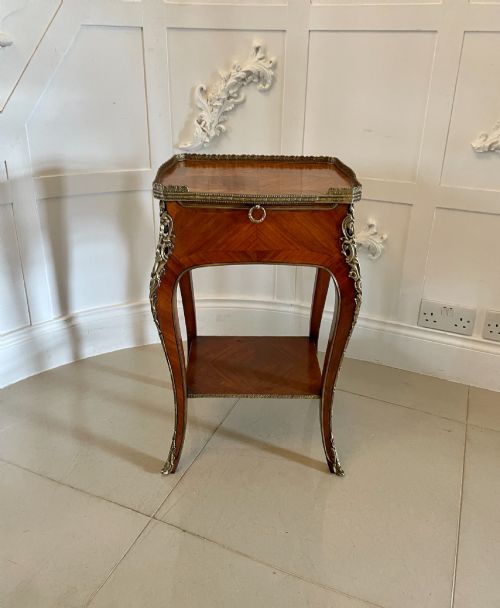
A louis style work table represents a refined intersection of utility and display, functioning as a sewing box, a dressing table, or an occasional piece. These tables emerge primarily from the nineteenth century, drawing heavily on French revival idioms associated with various royal courts.
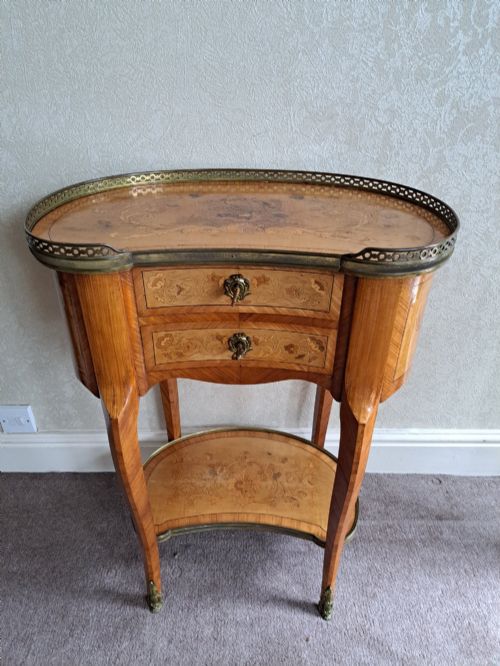
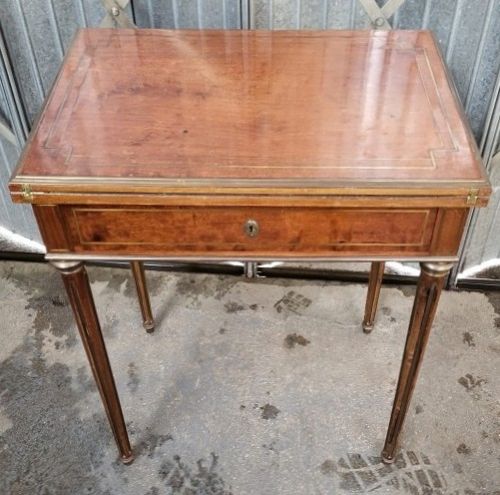
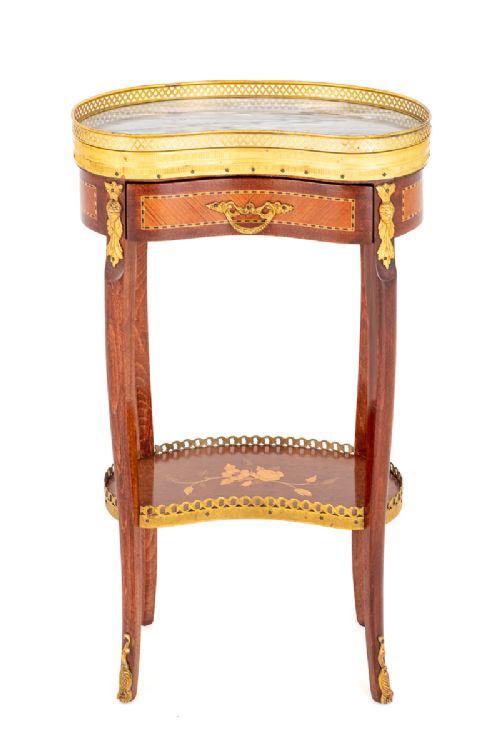
The selections encountered here typically manifest as freestanding items finished with substantial attention to detail. Formats range from kidney-shaped surfaces to rectangular tables fitted with drawers, internal compartments, or metamorphic mechanisms designed for multifaceted daily use.
How they were made
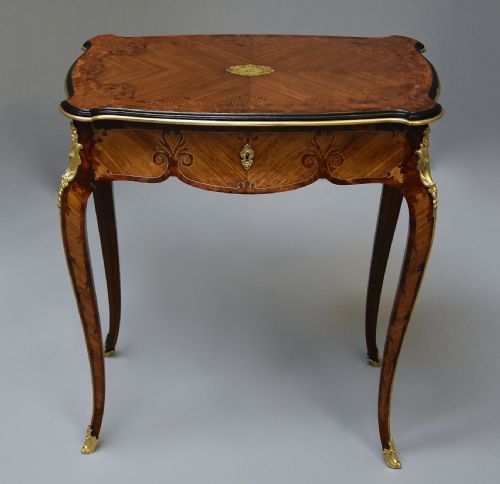
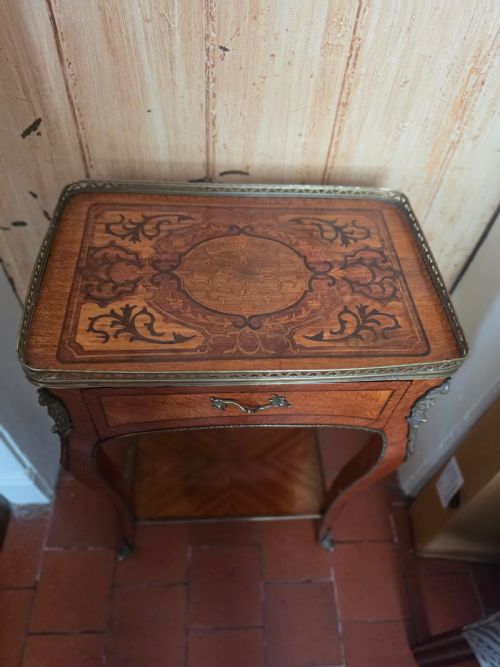
Cabinetmakers utilised dense timbers such as kingwood, walnut, rosewood, and mahogany as foundations for intricate marquetry, parquetry, and tortoiseshell inlay work. Carcases often incorporate curved contours, notably seen in kidney shapes requiring precise veneer matching.
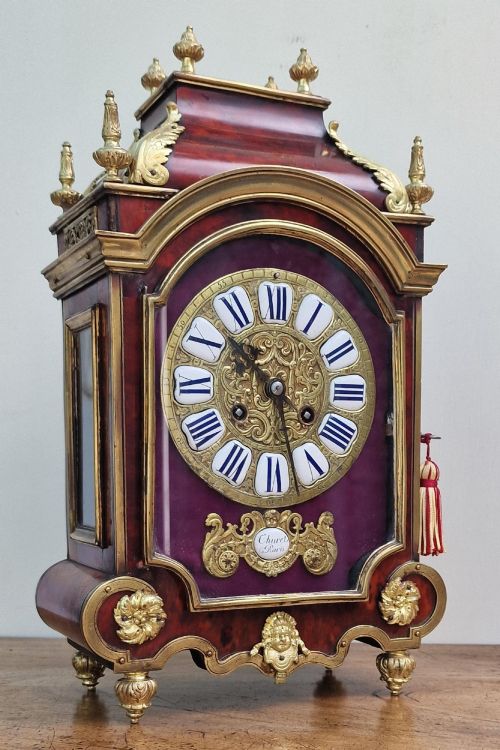
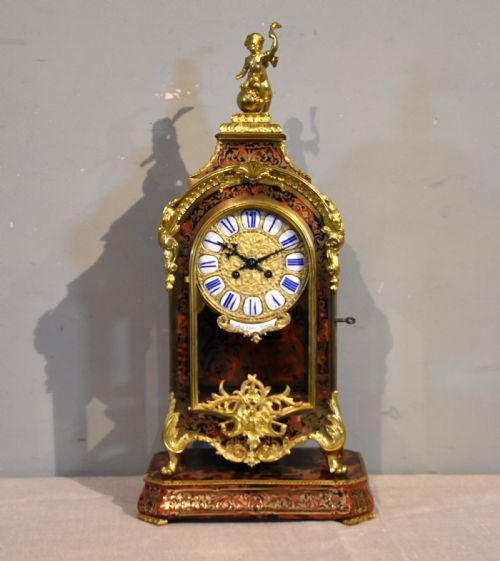
Metal enrichment forms a cornerstone of the construction, employing cast or chased ormolu, gilt bronze, and gilt-metal mounts to accent corners, legs, and borders. Porcelain plaques and enamel dials occasionally supplement the wooden and metallic elements.
The inventory records various forms including kidney-shaped occasional tables, side tables with drawers, and metamorphic dressing tables.
What varies in quality
The standard of execution in the cabinetry separates standard examples from exceptional pieces. Superior specimens display seamless veneer alignment, finely hand-chased ormolu mounts, and complex internal mechanisms that operate with absolute precision.
Artisanal involvement also dictates value, particularly when pieces bear attribution to established workshops or feature sophisticated marquetry patterns. Lesser examples rely on simpler timber selections and unadorned mounts with minimal hand-finishing.
Thuret Paris·Maison Millet·Charles Topino
The Louis Style Work Table Glossary
- Ormolu
- Gilded bronze mounts applied to furniture. This technique imparts a bright golden finish that highlights the structural lines of nineteenth-century revival pieces.
- Kingwood
- A dense, richly figured Brazilian timber frequently used for veneering. It displays distinct dark violet and brown striping.
- Marquetry
- Decorative patterns formed by fitting together small pieces of coloured wood veneer. Craftsmen apply this technique to tabletop surfaces to create geometric or floral motifs.
- Boulle
- An intricate marquetry technique combining tortoiseshell and brass. It is named after the master cabinetmaker André-Charles Boulle.
- Metamorphic
- Furniture designed to transform its function, such as a table converting between a writing desk, a dressing table, and a work station.
Louis Style Work Table: Frequently Asked Questions
What is a louis style work table?
A louis style work table is a nineteenth-century decorative piece designed for domestic tasks like sewing or dressing, inspired by earlier French royal aesthetics.
These tables frequently feature shaped tops, rich timber veneers, and metal mounts that reflect the revival tastes of the Victorian era.
How were these tables used originally?
Upper-class households utilised them in private chambers and reception rooms for needlework, correspondence, or minor grooming tasks.
Interior compartments and drawers kept sewing implements, cosmetics, and letters organised out of sight.
Where should I place one at home?
These versatile pieces work well as lamp tables beside a sofa, as occasional tables in a drawing room, or as functional dressing surfaces in a bedroom.
Their finished backs allow them to stand freely in the centre of a room rather than against a wall.