






Louis Style Footstool
A louis style footstool brings ornate French design and carved timber into a room, offering a low seat or rest for the feet.
Louis Style Footstool
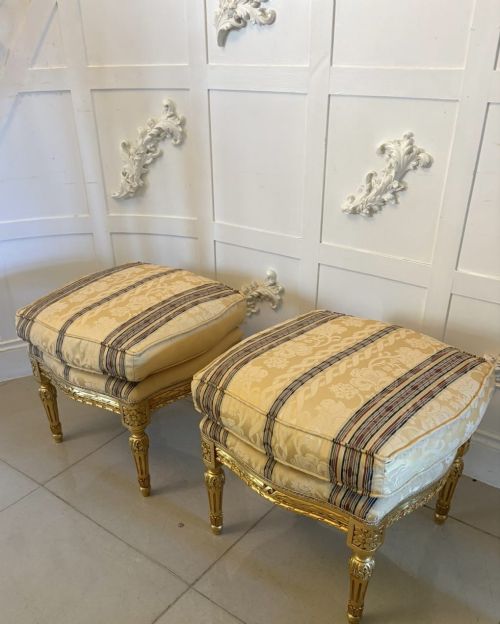
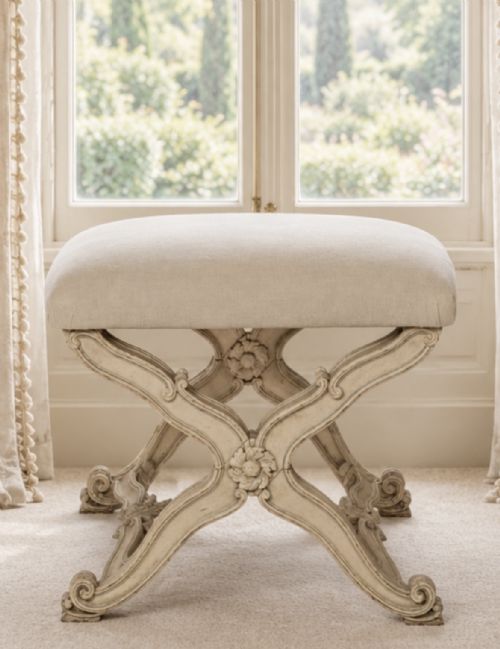
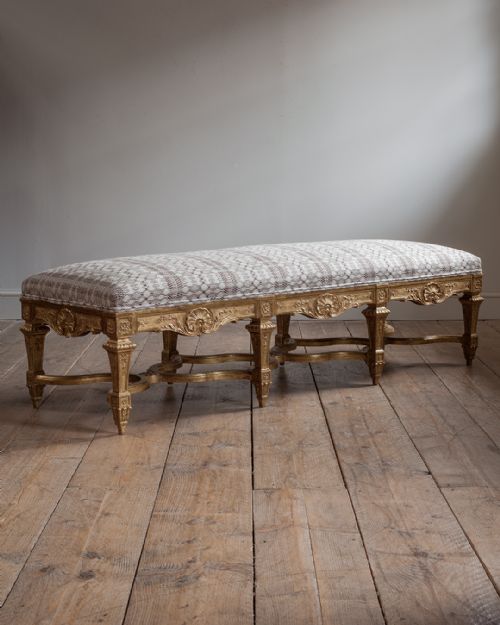
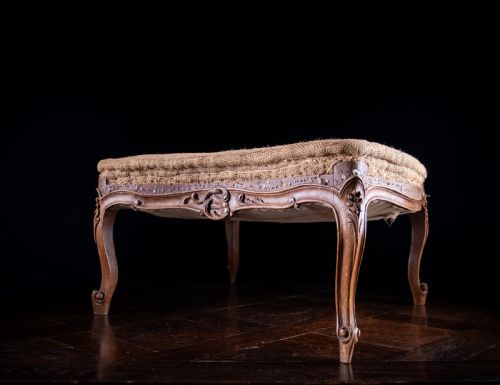
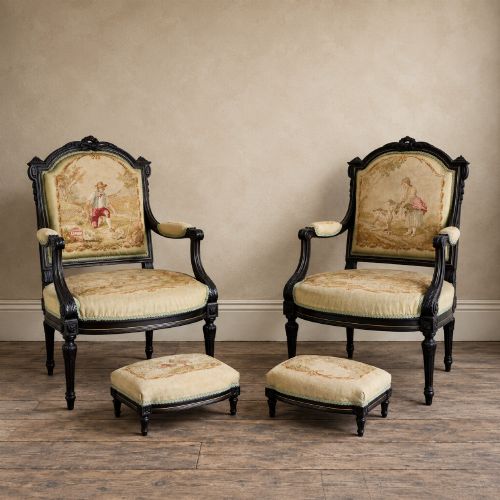
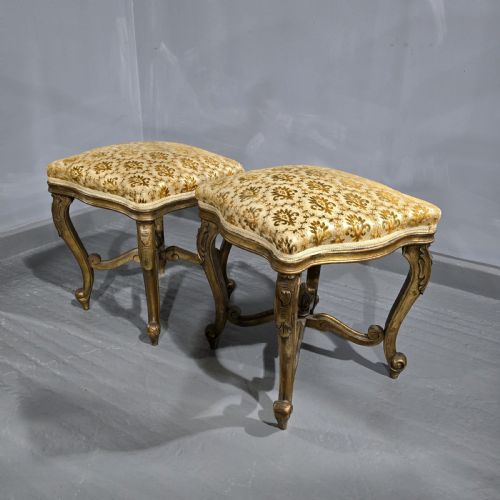
When you search for a louis style footstool, you encounter low seating forms rooted in French decorative traditions, spanning periods from the Regency era through to the early twentieth century. The most common examples take the form of carved wooden stools, giltwood pieces, and painted frames upholstered in fabric or linen.
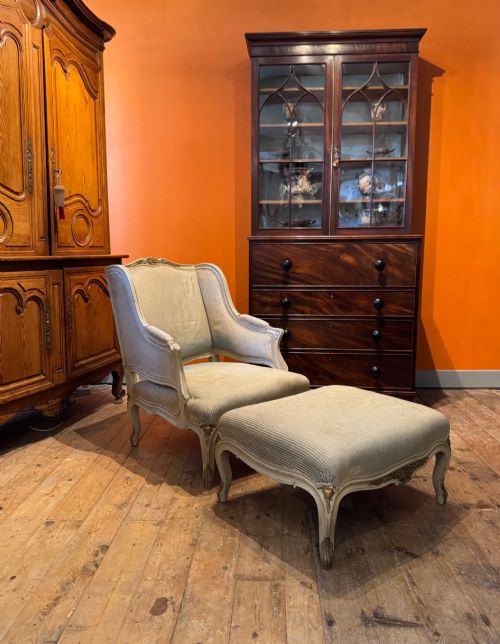
Makers drew on Louis XV, Louis XVI, and Baroque revivals, resulting in frames shaped with curves or neoclassical straight lines. Pieces appear singly or as pairs, sometimes accompanying larger salon armchairs or chaise longues.
Origins stretch across French workshops and broader continental makers embracing French provincial and chateau aesthetics. These low furnishings served boudoirs and grand reception rooms alike, functioning as footstools, ottomans, or small benches.
Materials and construction methods
Carpenters shaped frames from solid hardwoods like beech, walnut, and general timber before applying decorative finishes. Surfaces received coats of paint, parcel gilding, or full giltwood treatment to achieve the characteristic sheen of French revival furniture.
Craftsmen carved floral motifs, scrolls, and structural details directly into the wood by hand. Upholsterers then finished the tops with traditional fabrics, needlework, or linen over padding.
Louis Style Footstool Retail Price Guide 2026
Typical asking prices for louis style footstool among the pieces listed under this phrase on Sellingantiques today, from the lower quarter to the upper quarter. They describe what is for sale here now, not the wider market.
Materials recorded on frames include solid walnut, beech, giltwood, and painted wood surfaces.
Assessing quality in antique footstools
The crispness of the hand carving dictates much of the distinction between ordinary pieces and finer examples. Deeply undercut foliage and fluid scrollwork indicate a more skilled hand at the bench than shallow, mechanical shaping.
The choice of primary wood and the execution of the giltwood or painted finish also mark the grade of a piece. Original gilding on dense timber carries greater integrity than later repainting over soft wood.
LOIDRAULT FRERES PARIS
The Louis Style Footstool Glossary
- Giltwood
- Timber coated with a thin layer of gold leaf. This finish defines many formal French revival seats.
- Louis XV Style
- A design period characterised by asymmetry, C-scrolls, and organic rococo curves. Pieces in this style emphasise flowing natural lines.
- Louis XVI Style
- A neoclassical aesthetic marked by straight fluted columns, symmetry, and geometric restraint. It provides a more architectural contrast to earlier rococo forms.
- Duchesse Brisée
- A multi-part chaise longue often accompanied by a matching stool. This form extends a chair into a daybed arrangement.
- Needlework
- Hand-stitched textile used for upholstery. These decorative covers frequently feature floral or patterned needlepoint designs.
Louis Style Footstool: Frequently Asked Questions
What is a louis style footstool?
A louis style footstool is a low decorative seat inspired by French royal periods such as the reign of Louis XV or Louis XVI. These pieces feature carved wooden frames with painted, gilded, or exposed wood finishes.
Craftsmen built them as standalone footrests or companions to larger armchairs and boudoir seating. They bring traditional continental craftsmanship into modern interiors.
How do I date a louis style footstool?
Dating relies on examining the timber, tool marks, and style revival indicators on the frame. Nineteenth-century pieces often imitate earlier seventeenth and eighteenth-century aesthetics with nineteenth-century construction methods.
Makers' stamps, wear patterns on the giltwood, and original upholstery tack types also help establish the age of the piece.
Where were these footstools used?
Historically, such stools occupied formal salons, withdrawing rooms, and private boudoirs in French chateaux and continental homes. They provided movable seating or a place to rest feet near low chairs.
Today, they function easily in living spaces as occasional seats, dressing table stools, or decorative accents.
How do I care for giltwood frames?
Giltwood requires gentle dusting with a soft, dry cloth to protect the delicate gold leaf surface. Avoid commercial polishes, moisture, and direct sunlight which can degrade the finish.
Keeping the piece in a stable environment prevents the underlying wood from expanding and cracking the gesso and gilt layers.