

Louis Revival Table
A louis revival table brings the ornate symmetry of French court design into nineteenth and early twentieth century interiors.
Louis Revival Table
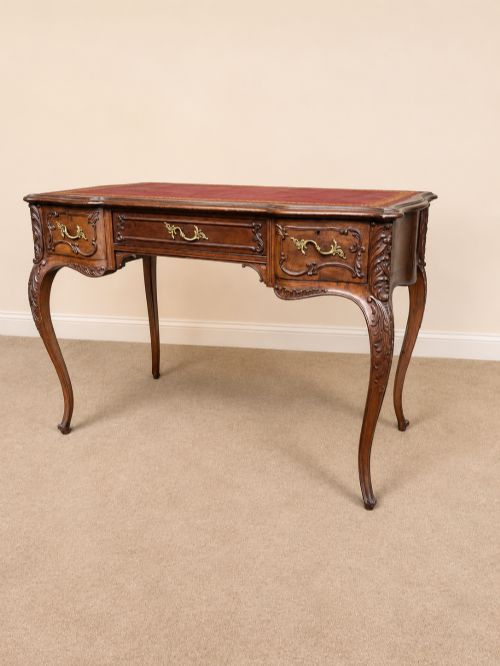
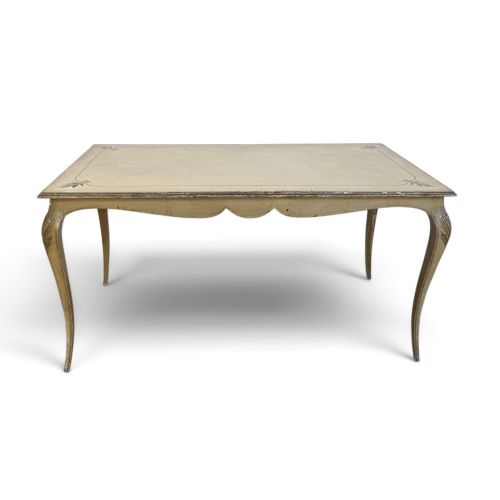
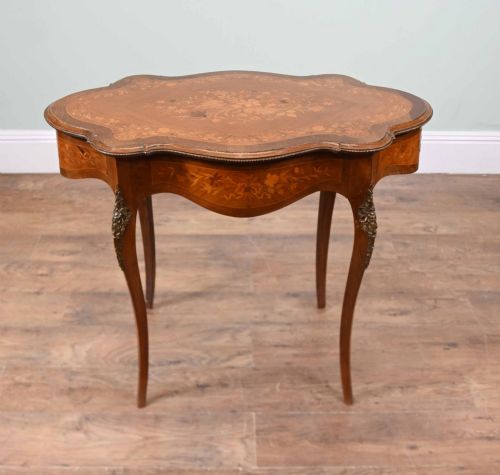
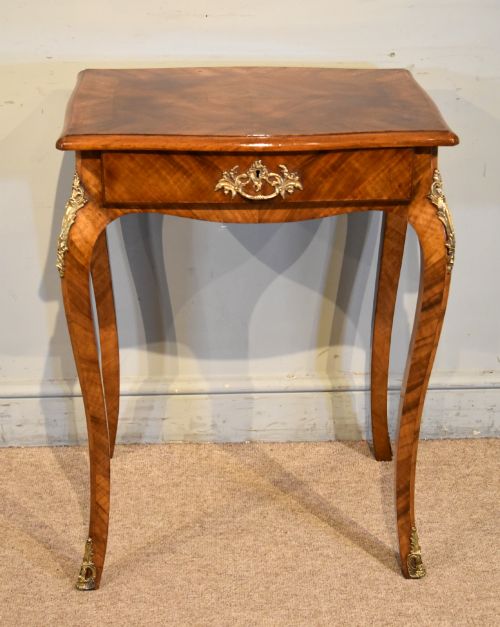
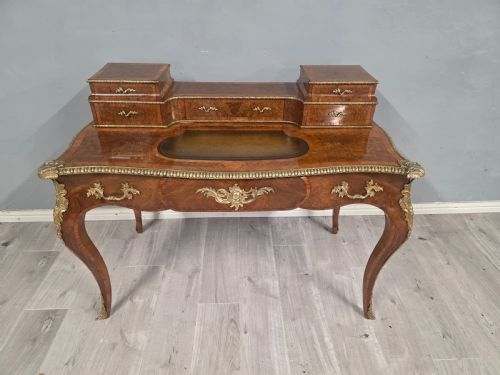
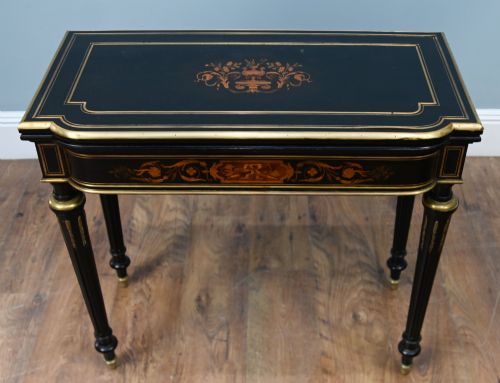
A louis revival table encompasses a variety of functional forms, ranging from writing desks and card tables to centre pieces and low coffee surfaces. These items draw directly upon earlier French court aesthetics, appearing most frequently in nineteenth and early twentieth century iterations.
Makers working during the Victorian and Napoleon III eras adapted these continental blueprints for British and French homes. Buyers encounter diverse scales, from compact occasional stands to large dining variants.
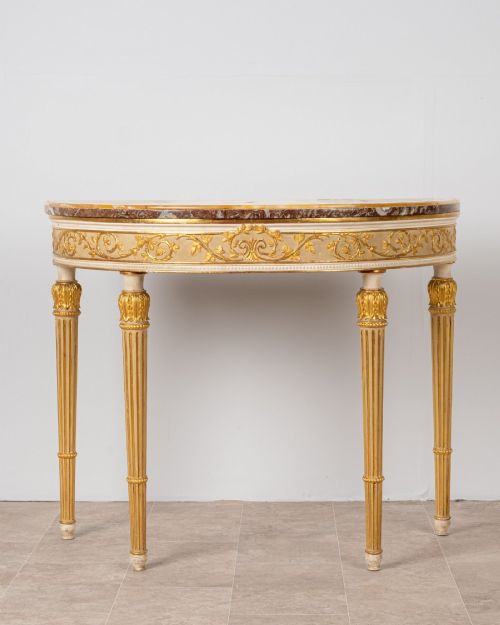
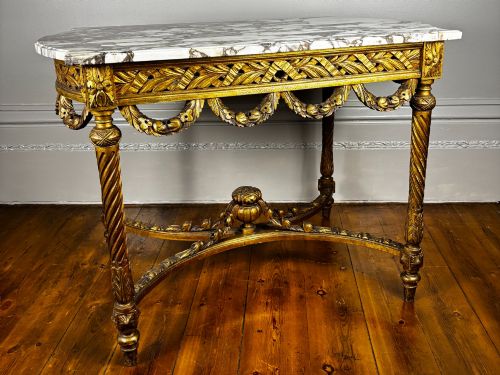
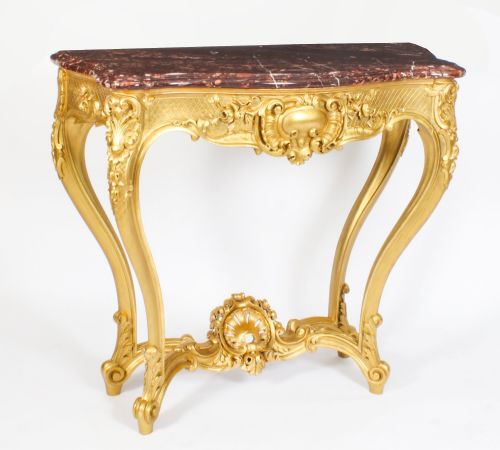
The aesthetic leans heavily on French Rococo Revival and Louis XV or XVI styles, translated through walnut, kingwood, and giltwood frameworks. Each piece reflects the enduring nineteenth century fascination with historic monarchical design.
Materials and Technique
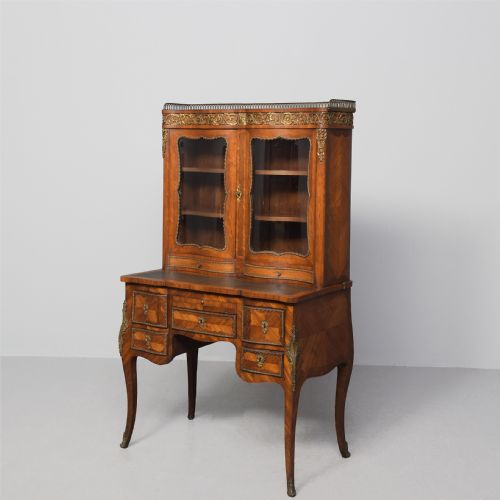
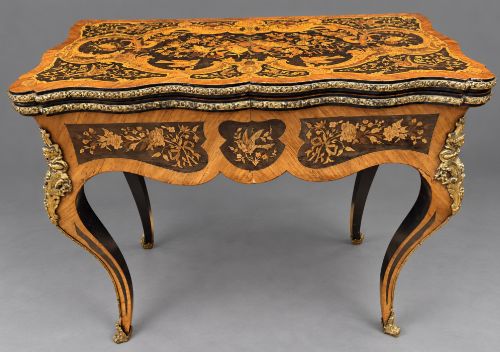
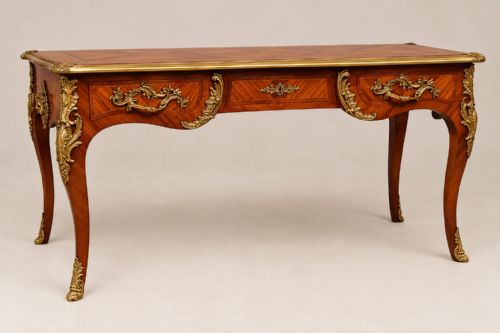
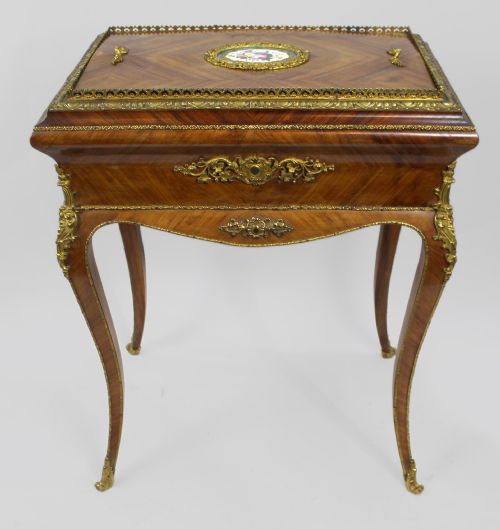
Construction relies heavily on dense timbers such as walnut and kingwood, often enhanced by intricate marquetry and parquetry patterns. Artisans laid geometric or floral wood veneers across the surfaces to create rich visual depth.
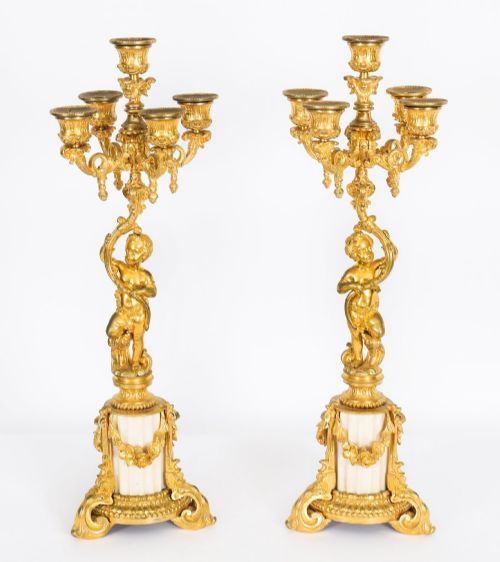
Metalwork played a defining role, with cast ormolu and gilt bronze mounts fitted meticulously to corners, legs, and borders. Marble tops and porcelain plaques also appear frequently, adding weight and contrasting colour to the timber frames.
Louis Revival Table Retail Price Guide 2026
Typical asking prices for louis revival table among the pieces listed under this phrase on Sellingantiques today, from the lower quarter to the upper quarter. They describe what is for sale here now, not the wider market.
Some tables hide clever folding mechanisms for cards or writing, proving that nineteenth century engineers loved a disappearing desk trick.
The Spectrum of Craft
Quality rests upon the precision of the veneer work and the crispness of the cast metal mounts. Superior examples exhibit hand-chased ormolu details and seamless timber matching across complex curves.
Signatures from established cabinetmakers elevate certain pieces, distinguishing standard workshop output from exceptional artistry. The integration of high-grade marble and painted porcelain plaques further separates baseline items from top-tier survivals.
JAS Shoolbred·CH Jeanselme and Co·Antoine Lampre·Achille Brocot
The Louis Revival Table Glossary
- Ormolu
- Gilded bronze mounts applied to furniture. This technique provides metallic ornamentation along legs and edges.
- Marquetry
- Elaborate veneer patterns forming pictorial or floral designs. Artisans piece together various coloured woods onto a solid base.
- Parquetry
- Geometric wood inlay creating tiled motifs. This method decorates tabletops and drawer fronts with repeating patterns.
- Bureau Plat
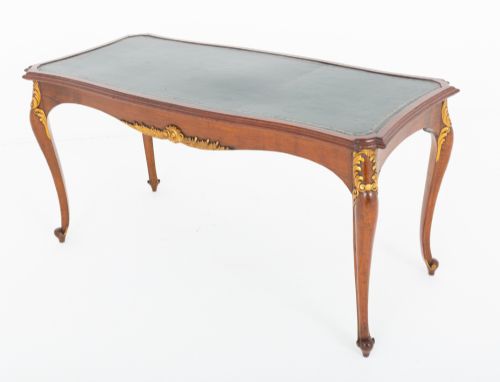
- A flat-topped freestanding writing desk. These desks typically feature multiple drawers and gilt bronze mounts.
- Console Table
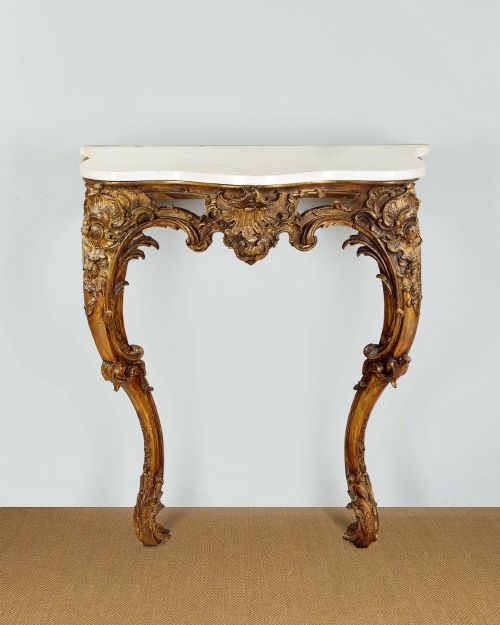
- A wall-mounted or freestanding table designed to stand against a vertical surface. They often feature marble tops and carved giltwood frames.
Louis Revival Table: Frequently Asked Questions
What rooms suit a louis revival table?
These tables function well as central focal points in drawing rooms or as functional desks in studies. Their decorative surfaces complement traditional and eclectic modern interior schemes alike.
Smaller occasional and side variations fit comfortably beside seating areas or within hallways. Larger dining and centre versions require open floor space to display their detailed marquetry and metal mounts properly.
How do I care for wood and ormolu?
Routine dusting with a dry, soft cloth preserves the timber finish and prevents abrasive particle buildup. Avoid placing these pieces in direct sunlight to protect the underlying wood veneers and natural polishes.
Metal mounts require gentle cleaning without harsh chemical polishes that might strip the original gilding. Maintaining stable room humidity prevents the timber and inlaid veneers from warping or cracking over time.
Are these tables purely decorative?
Many variants served practical domestic purposes, including writing desks, card tables with fold-out surfaces, and dining tables. Their initial creation combined utility with high status display.
While some smaller occasional and console forms prioritize visual impact, pieces like bureau plats remain fully functional workspaces. Buyers can utilise them daily provided proper care is taken with the antique surfaces.
How do I distinguish nineteenth century pieces?
Examine the timber construction methods, secondary woods, and the wear patterns on the underside and drawer interiors. Nineteenth century cabinetmakers utilised specific jointing techniques and saw marks characteristic of the period.
The style of the cast ormolu mounts and the specific type of veneer matching also offer strong chronological clues. Comparing construction details against verified pieces from the same era helps confirm authenticity.