


Louis Revival Chairs
Louis revival chairs bring the opulent ornamentation of French royal courts into domestic interiors through curved frames and luxurious upholstery.
Louis Revival Chairs
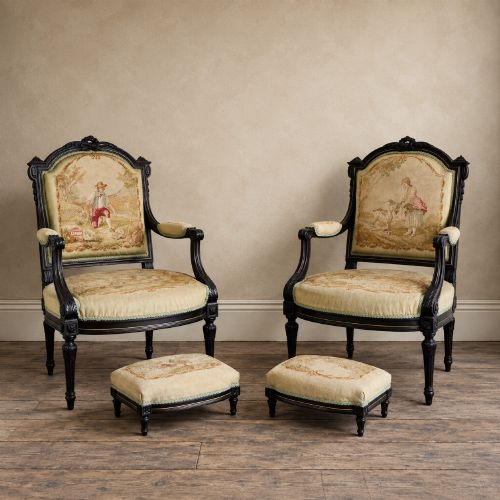
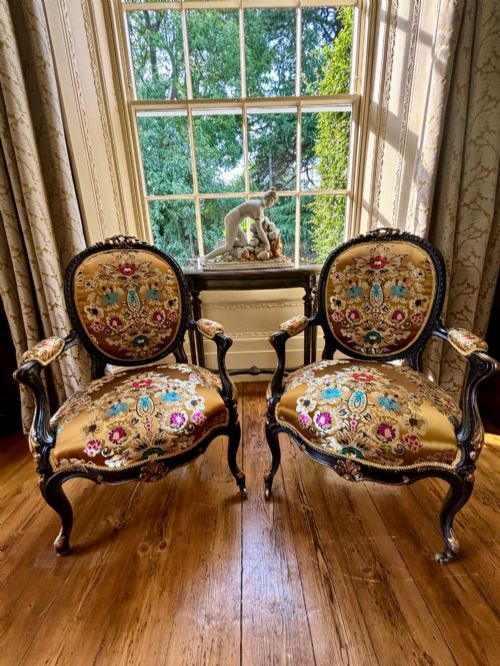
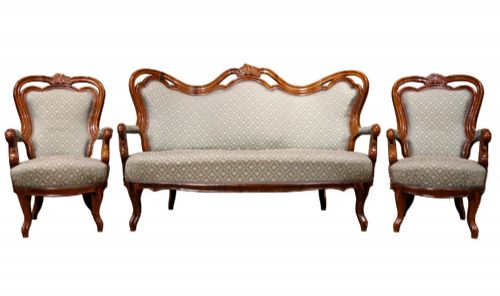
Louis revival chairs encompass seating created during the nineteenth and early twentieth centuries that reinterprets eighteenth-century French royal aesthetics. A buyer searching this phrase encounters armchairs, side chairs, salon suites, and settees originating from French and continental workshops.
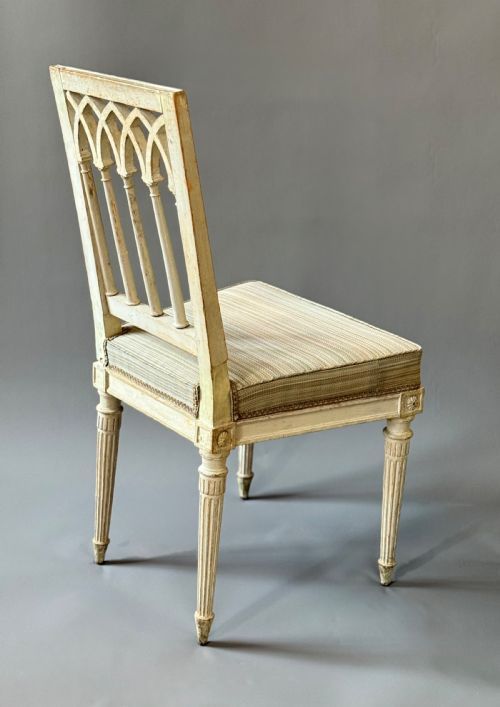
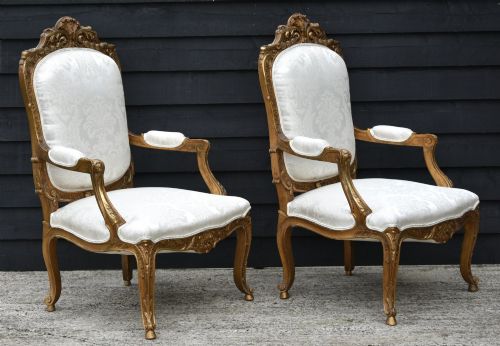
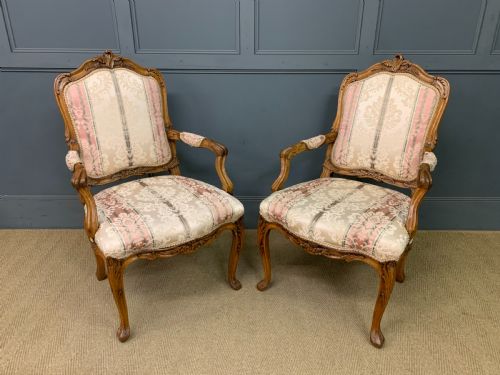
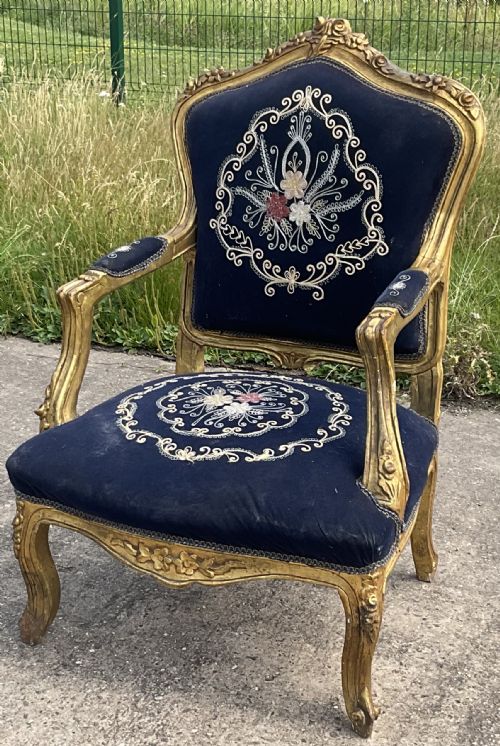
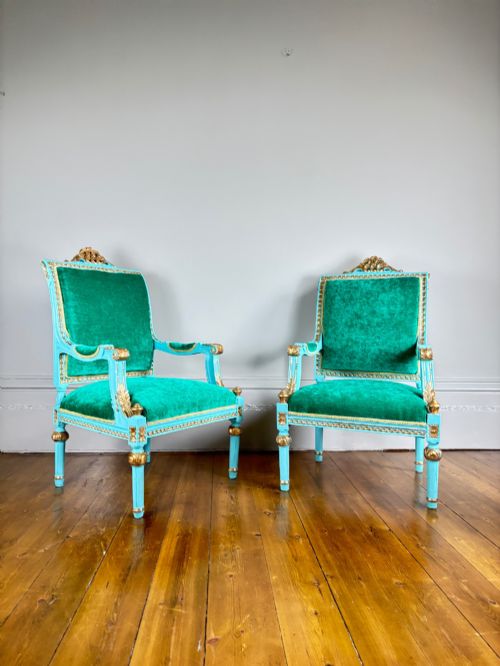
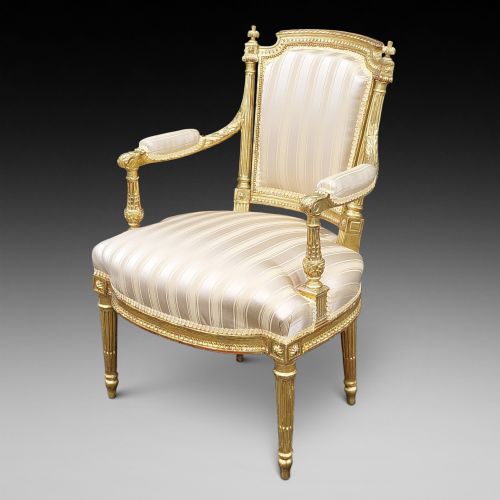
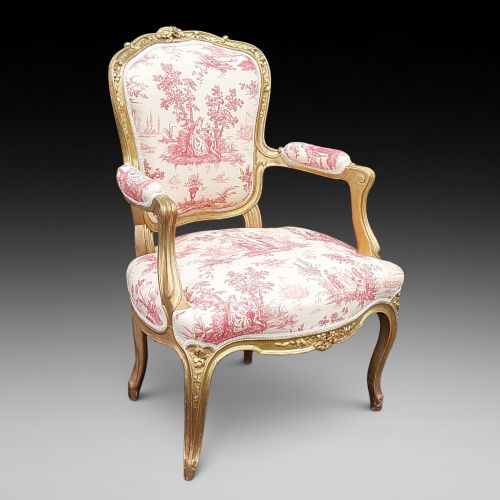
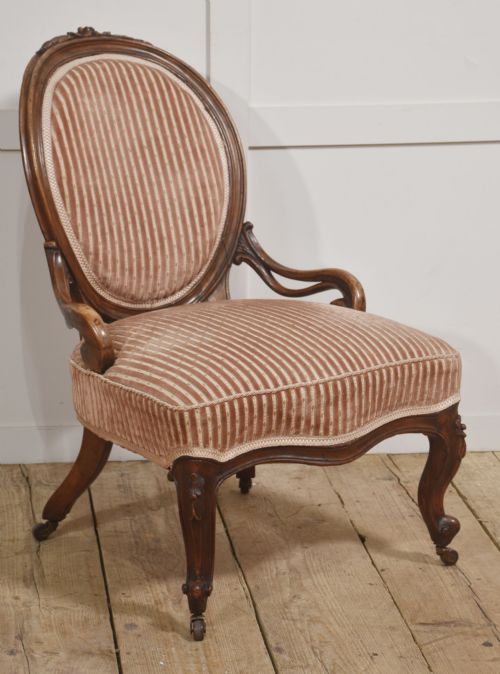
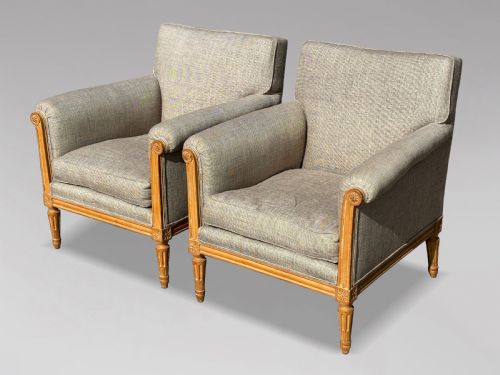
The prevalent forms follow the exuberant curves of the Louis XV Rococo style or the restrained, geometric lines of the Louis XVI neoclassical period. Carved walnut, gilded wood, and painted beech provide the structural foundation for these nineteenth and twentieth-century interpretations.
How they were made
Makers utilised solid timbers such as walnut, mahogany, oak, and beech to construct the intricate frames, often employing carved decoration to define the contours. Giltwood surfaces reflect applied gold leaf over gesso, while painted finishes utilise soft grey or cream pigments.
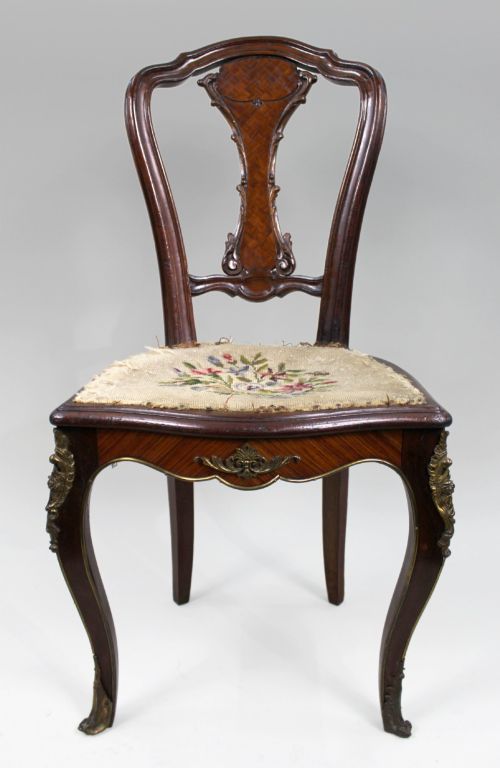
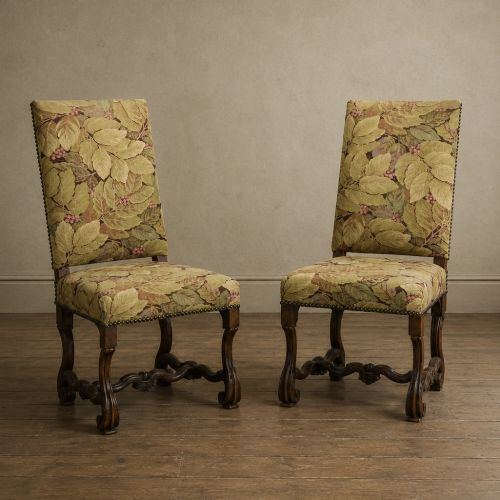
Upholstery techniques incorporate traditional stuffing secured beneath silk velvet, damask, tapestry, or printed cotton fabrics. Ormolu mounts and brass details punctuate the wooden structures, alongside woven cane panels integrated into open-back designs.
Some nineteenth-century makers tucked secret carved parrots into silk upholstery designs just to surprise observant guests.
What varies in quality
The depth and crispness of the hand-carved ornamentation distinguish masterwork pieces from commercial production, separating fluid, organic leaf motifs from shallow, mechanical stampings. Timber selection dictates structural integrity, with dense, figured walnut and heavy, fire-gilded bronze mounts marking the upper tier of execution.
Upholstery execution reveals interior craftsmanship through hand-tied springs and traditional hair stuffing rather than modern foam pads. The integration of original gilding and undamaged cane work further elevates the standing of an individual piece.
Holland And Sons·Morison And Co
The Louis Revival Chairs Glossary
- Fauteuil
- An open-framed armchair with upholstered armrests, typically featuring an exposed wooden structure carved in rococo or neoclassical motifs.
- Giltwood
- Timber coated with fine gold leaf applied over a prepared gesso ground, creating a reflective metallic surface.
- Ormolu
- Cast bronze mounted to furniture frames that has been treated with a mercury-gilding process to produce a bright gold appearance.
- Parquetry
- Geometric wood inlay patterns assembled from contrasting veneers to decorate flat structural surfaces.
- Caning
- Woven rattan material stretched across chair backs or seats to provide a lightweight, patterned support.
Louis Revival Chairs: Frequently Asked Questions
How do I identify Louis XV style chairs?
Louis XV style chairs are defined by asymmetrical cartouche backs, sweeping cabriole legs, and flowing rococo scrollwork. The overall silhouette avoids straight lines in favour of organic, undulating curves.
Carvings on these pieces typically incorporate floral sprays and acanthus leaves rather than the strict symmetry found in later neoclassical revivals.
What distinguishes Louis XVI revival chairs?
Louis XVI revival pieces feature straight, fluted legs, geometric frames, and oval or rectangular medallion backs. This neoclassical approach relies on symmetry, urn motifs, and ribbon twists.
Construction details often include classical architectural proportions that contrast sharply with the earlier curved rococo aesthetic.
Where were these chairs used historically?
These seating forms were designed for formal reception rooms, drawing rooms, and boudoirs within nineteenth-century grand residences. Salon suites provided matching seating arrangements for entertaining guests.
Smaller side chairs and boudoir chairs functioned as moveable seating for parlours and bedrooms within domestic settings.
How should I care for antique upholstery?
Protect delicate textiles such as silk damask, velvet, and tapestry from direct sunlight to prevent fibre degradation and colour fading. Regular gentle vacuuming with a soft brush attachment removes surface dust.
Professional textile conservators should handle deep cleaning to preserve fragile historic weaves and traditional internal stuffing materials.