

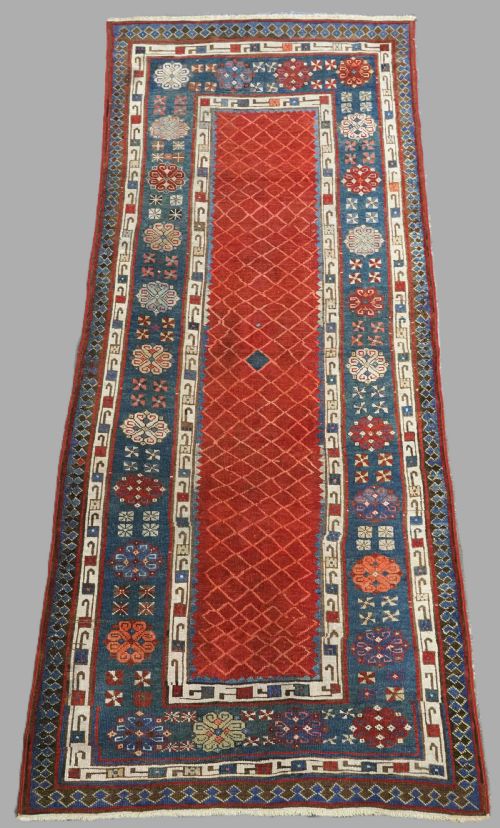
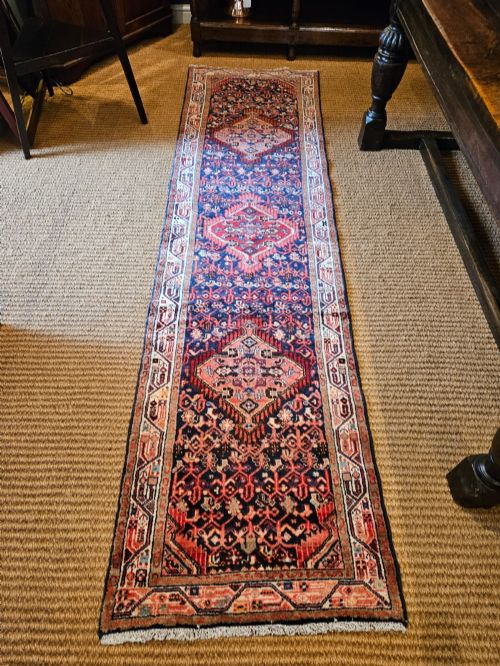
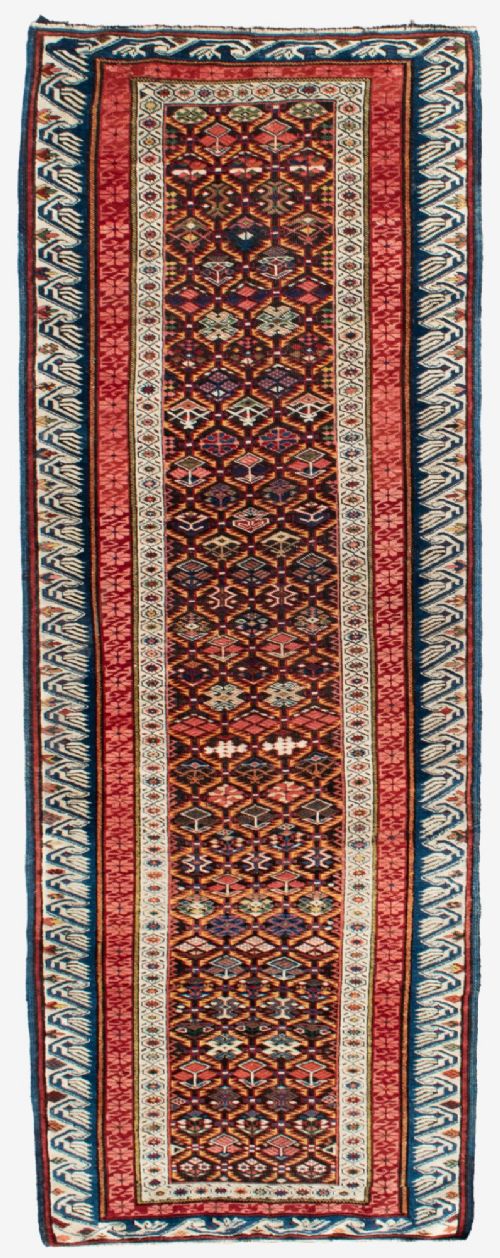
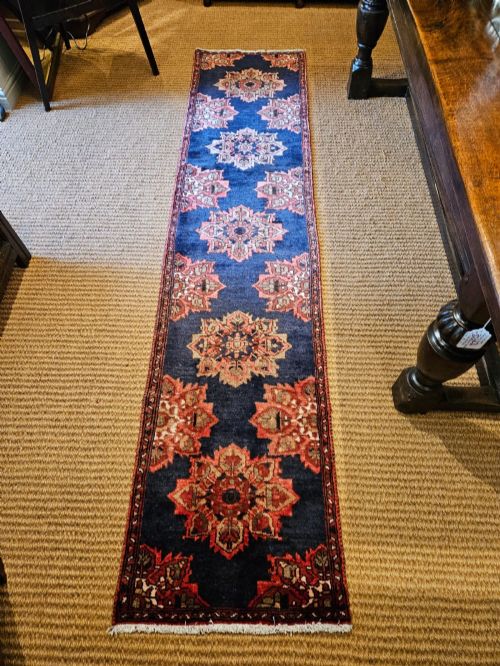
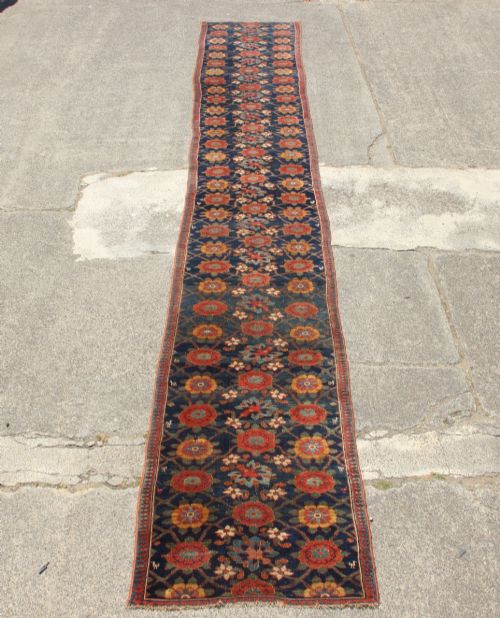
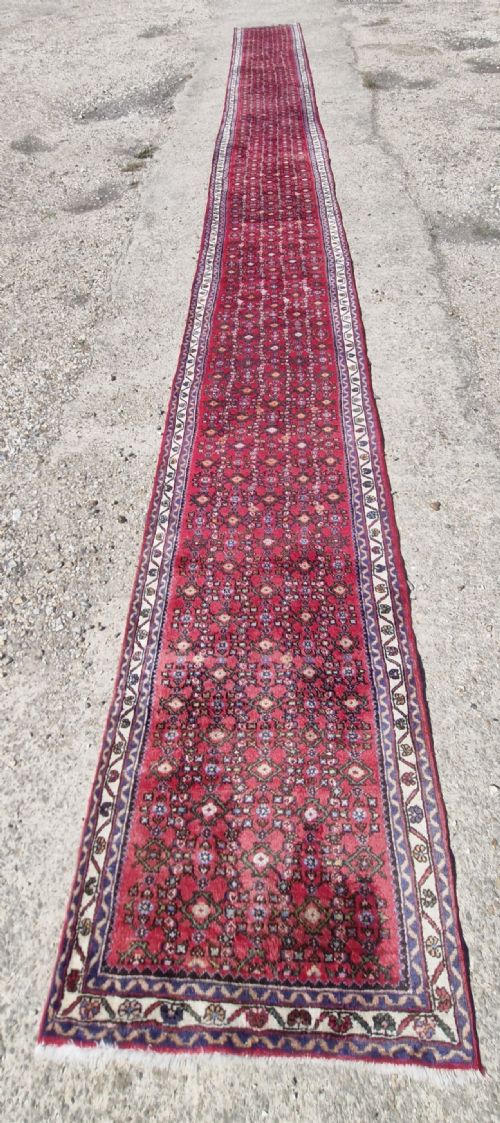

Long Tribal Runner Rug
A long tribal runner rug brings character to narrow hallways through regional wool patterns woven across the nineteenth and twentieth centuries.
Long Tribal Runner Rug
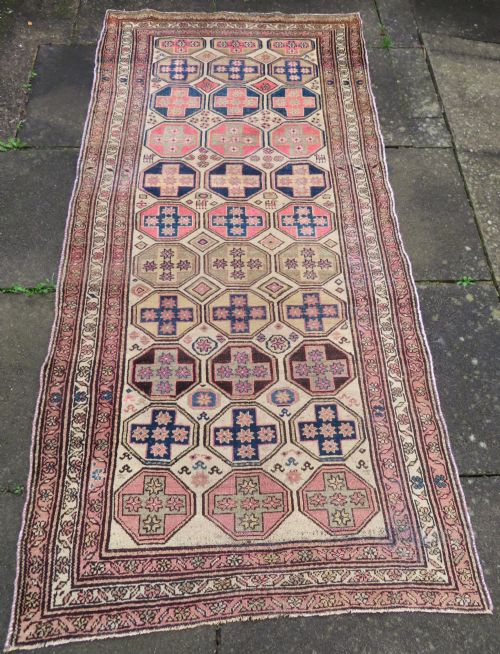
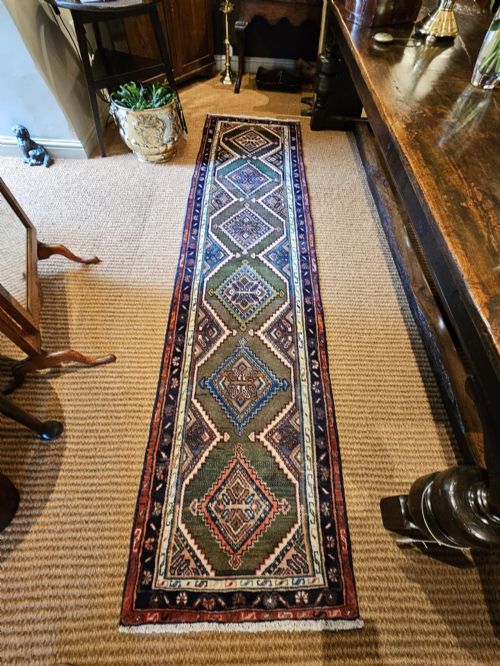
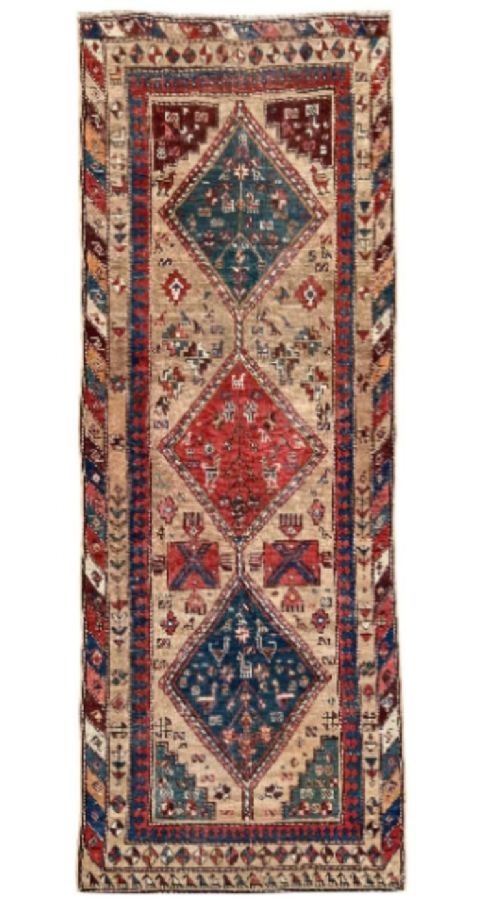
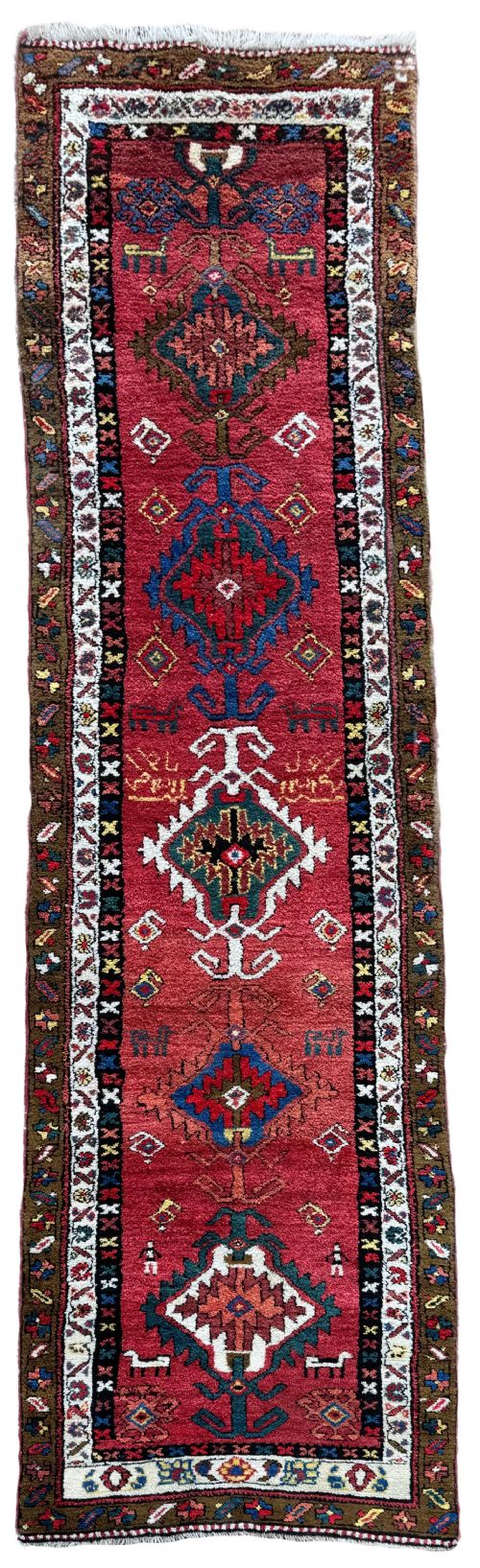
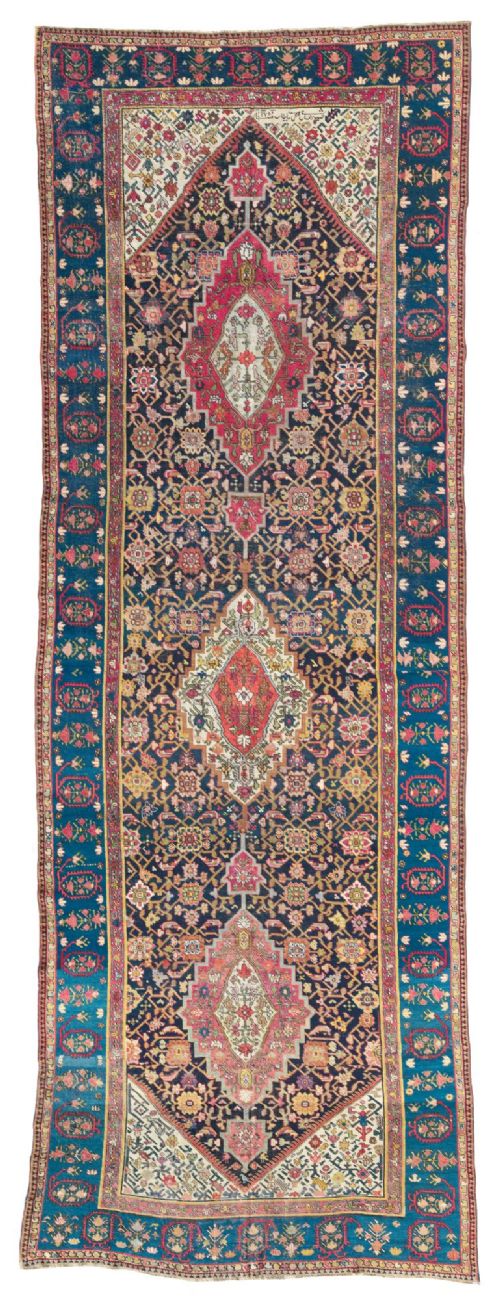
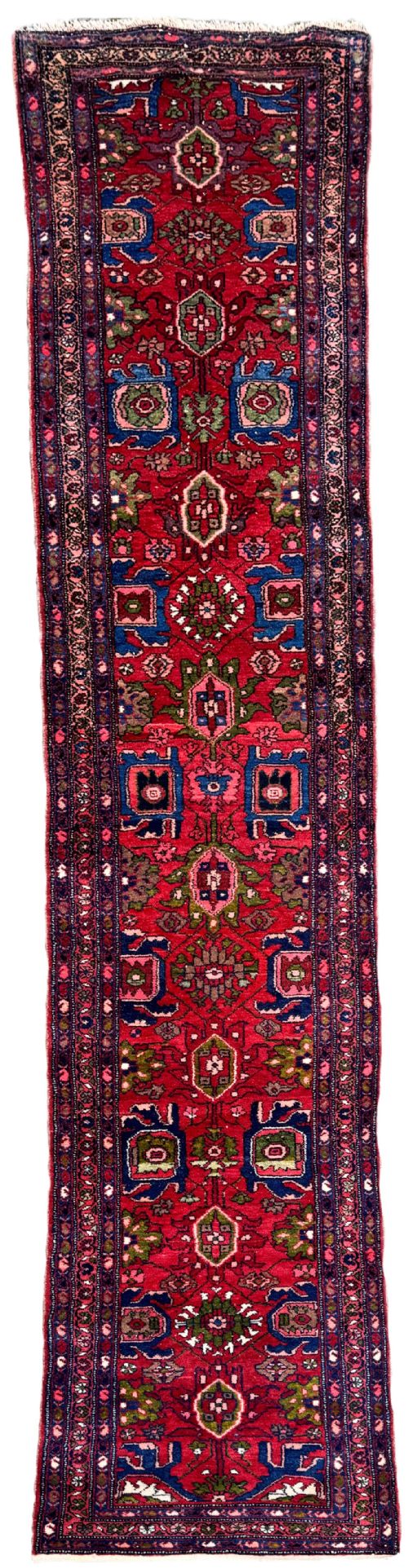
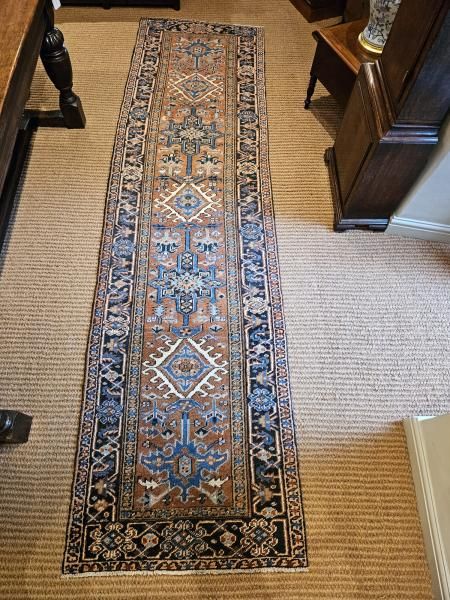
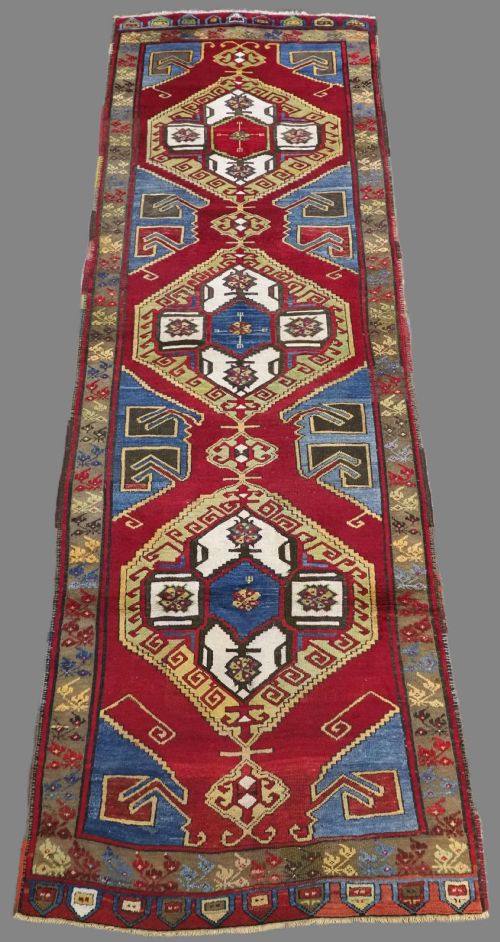
A long tribal runner rug is an elongated floor covering traditionally woven in villages and nomadic settlements across Persia, the Caucasus, Anatolia, and beyond. These pieces bridge corridors and long landings with narrow proportions and dense geometric or floral layouts.
The specimens met most often on this page date from the late nineteenth century through to the early decades of the twentieth century. They originate from specific weaving traditions including Kurdish, Hamadan, Heriz, and Caucasian workshops.
Makers utilised traditional formats to suit domestic architecture, producing elongated formats that range from compact proportions to grand lengths exceeding five metres. Each piece reflects the specific weaving vocabulary of its region of origin.
Materials and construction
Construction relies heavily on durable wool and hand-spun wool pile knotted onto sturdy cotton or wool foundations. This combination provides the structural resilience required for high-traffic hallway placements.
Weavers employed natural dye traditions to create rich palettes, utilising locally sourced materials that developed nuanced patinas over decades of use.
Some hallways get thirty-two feet of continuous tribal geometry to walk on.
Assessing quality
Quality rests in the tightness of the knotting, the crispness of the geometric design, and the integrity of the foundation. Finer knot densities allow intricate motifs like the Mina Khani or lattice patterns to maintain sharp definition along the runner's length.
The handled quality of the wool and the depth of the natural dyes distinguish superior examples. Even wear patterns and secure original or early binding along the outer edges separate better-preserved runners from heavily compromised specimens.
The Long Tribal Runner Rug Glossary
- Kelleh
- A large format rug that is longer than a standard carpet but broader than a runner. These substantial pieces served specific placement needs in traditional interiors.
- Gul
- A medallion or repeating octagonal motif frequently found in tribal and nomadic weaving traditions. This design element often identifies specific regional groups such as Ersari Turkmen.
- Mina Khani
- An all-over repeating pattern composed of four-flower motifs linked by delicate stems or lattices. It appears frequently in fine Kurdish runner rugs.
- Pile
- The upright yarn loops that form the soft upper surface of the rug. In antique pieces, the height of this pile varies due to age and wear.
Long Tribal Runner Rug: Frequently Asked Questions
Where should I place a long runner?
These elongated rugs suit narrow architectural spaces such as hallways, long landings, and corridors where traditional broad carpets do not fit. Their proportions guide movement through domestic interiors while protecting timber flooring.
Ensure you measure the corridor width and length carefully, leaving a consistent border of exposed floorboards or stone around the perimeter of the rug.
How do I care for antique wool?
Regular gentle vacuuming without a rotating brush roll prevents dust and grit from settling deep into the wool pile. Professional cleaning by specialists in antique textiles is recommended every few years.
Protect the piece from prolonged direct sunlight to prevent natural dye fading, and use a quality underlay to reduce friction against the floor.
How do I identify regional styles?
Regional attribution relies on examining the specific palette, knotting structure, and recurring motifs such as lattice designs or geometric guls. Kurdish, Caucasian, and Hamadan pieces each possess distinct visual markers rooted in local weaving history.
Comparing border bands and fringe finishes often reveals clues about the specific tribal or village origin of the textile.