



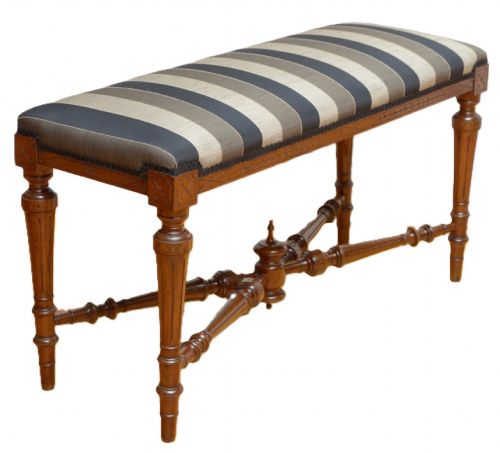


Long Padded Stool
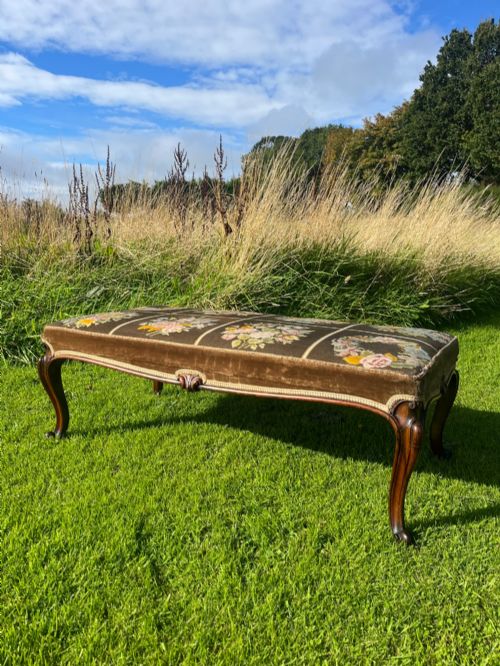
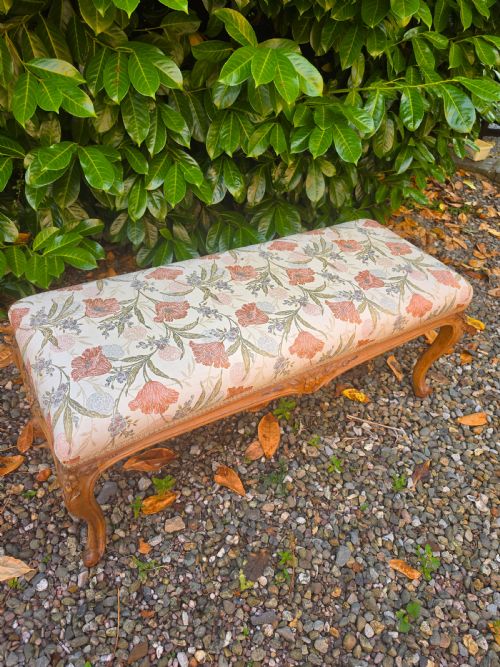
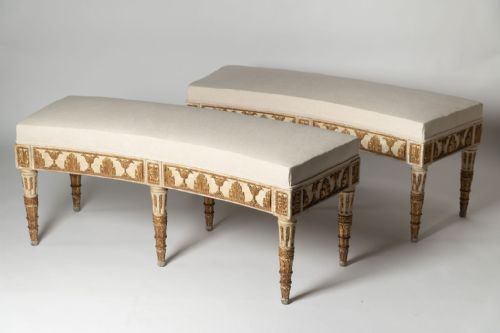
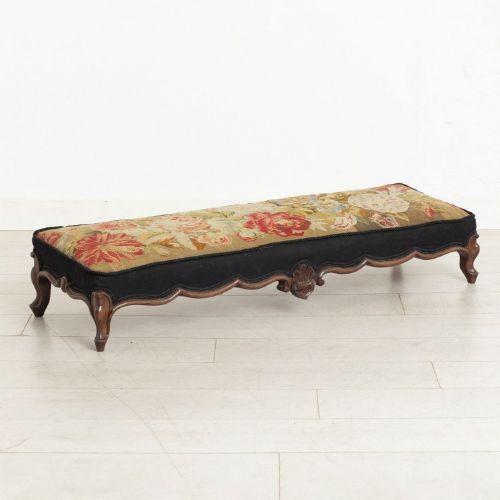
A long padded stool offers a generous seat or rest for the feet, combining substantial timber frames with soft upholstered tops across nineteenth and early twentieth century designs.
Long Padded Stool
A long padded stool is a versatile seating form designed to serve various rooms, appearing frequently in Victorian and Edwardian iterations. Buyers searching for a long padded stool encounter diverse formats ranging from low footstools and fender stools to piano duet benches and window seats.
The construction typically spans nineteenth century periods up to the nineteen-thirties, encompassing walnut, mahogany, oak, and painted frames. These pieces function equally well as hallway benches, fireside rests, or low dressing seats.
Origin and style vary considerably within the selection, drawing upon Queen Anne, Rococo Revival, Gothic Revival, Aesthetic Movement, and Italian Neoclassical traditions. Most examples rely on substantial timber chassis paired with textile, leather, linen, or wool upholstery.
Markers of quality
Quality in a long padded stool rests primarily on the integrity of the timber frame and the precision of any carved ornamentation. Heavier hardwood construction with stable, well-joined legs and crisp decorative carving distinguishes finer examples from simpler painted or utilitarian forms.
The execution of the upholstery and the condition of the supporting structure underneath dictate the refinement of the piece. Retaining original fabrics or employing period-appropriate textiles with careful stitching indicates a higher standard of manufacture and preservation.
Long Padded Stool Retail Price Guide 2026
Typical asking prices for long padded stool among the pieces listed under this phrase on Sellingantiques today, from the lower quarter to the upper quarter. They describe what is for sale here now, not the wider market.
Listings span the nineteenth and early twentieth centuries, featuring walnut, mahogany, and oak frames upholstered in textiles, leather, linen, and wool.
The Long Padded Stool Glossary
- Cabriole leg
- A furniture leg that curves out and then in, resembling the leg of an animal. This decorative support appears frequently on nineteenth-century seating.
- Fender stool
- A long, low stool designed to sit in front of a fireplace hearth. These pieces allowed individuals to warm their feet comfortably.
- Duet stool
- An extended seat originally built for two piano players. They often include a hinged top concealing internal storage for sheet music.
- Ebonised
- Wood finished with a dark stain or paint to imitate ebony. This treatment was popular in nineteenth-century decorative arts.
- Aesthetic Movement
- A late nineteenth-century design style emphasising visual beauty over narrative content. Pieces from this movement often display refined simplicity.
Long Padded Stool: Frequently Asked Questions
Where should I place a long padded stool?
These pieces fit naturally at the foot of a bed, beneath a window, or alongside a hallway wall as a convenient seat. Their elongated shape also suits placement before a low living room hearth as a fender stool.
In larger spaces, a piano duet version can serve as a central bench. The low profile ensures they do not block light or views.
How do I identify a Victorian example?
Victorian pieces typically employ walnut or mahogany frames combined with cabriole legs or turned supports. Stylistic clues include heavy proportions and traditional upholstery techniques.
Many incorporate design elements from revival movements popular during the nineteenth century. Examining the timber and joinery helps confirm the period.
What is the difference between a window seat and a footstool?
Window seats generally stand higher and often feature supportive ends or arms designed for comfortable sitting. Footstools are lower to the floor and built primarily to support resting feet.
Some longer formats bridge these categories, functioning as low benches or long footrests depending on room placement. The height remains the main distinguishing factor.
Can I use these stools for daily seating?
Sturdy hardwood frames provide reliable support for regular sitting or resting feet. Checking the internal joinery ensures the piece remains structurally sound for daily use.
Upholstery can be refreshed or replaced if necessary to match modern interiors. The solid timber construction generally withstands everyday household activity.