




London Tall Clock
A London tall clock brings the measured rhythm of centuries past into a room, anchored in timber and brass.
London Tall Clock
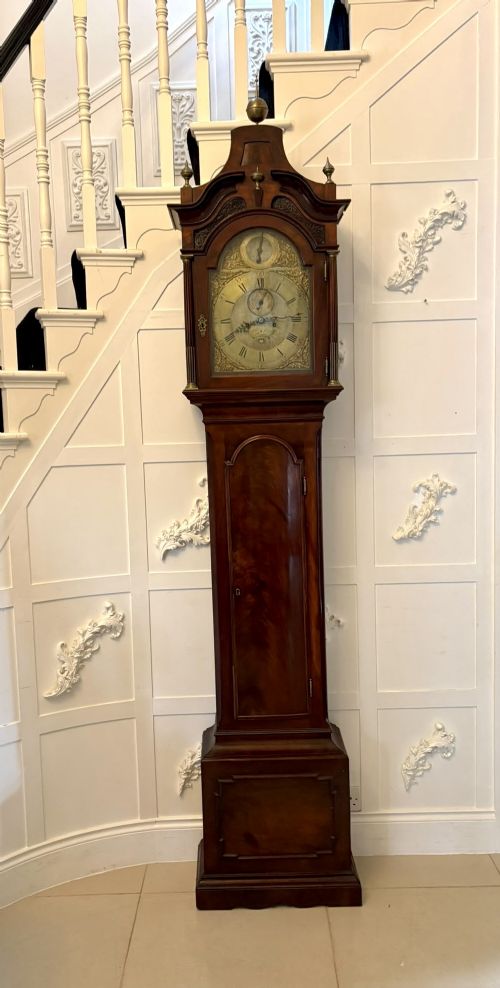
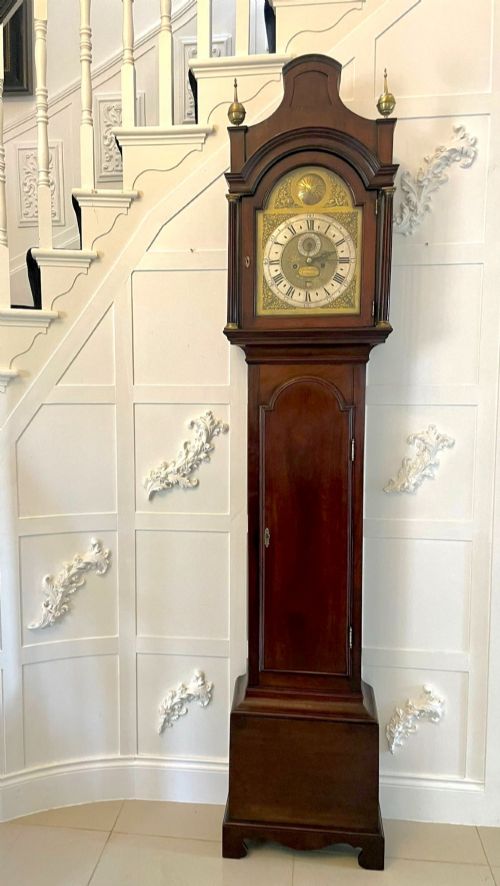
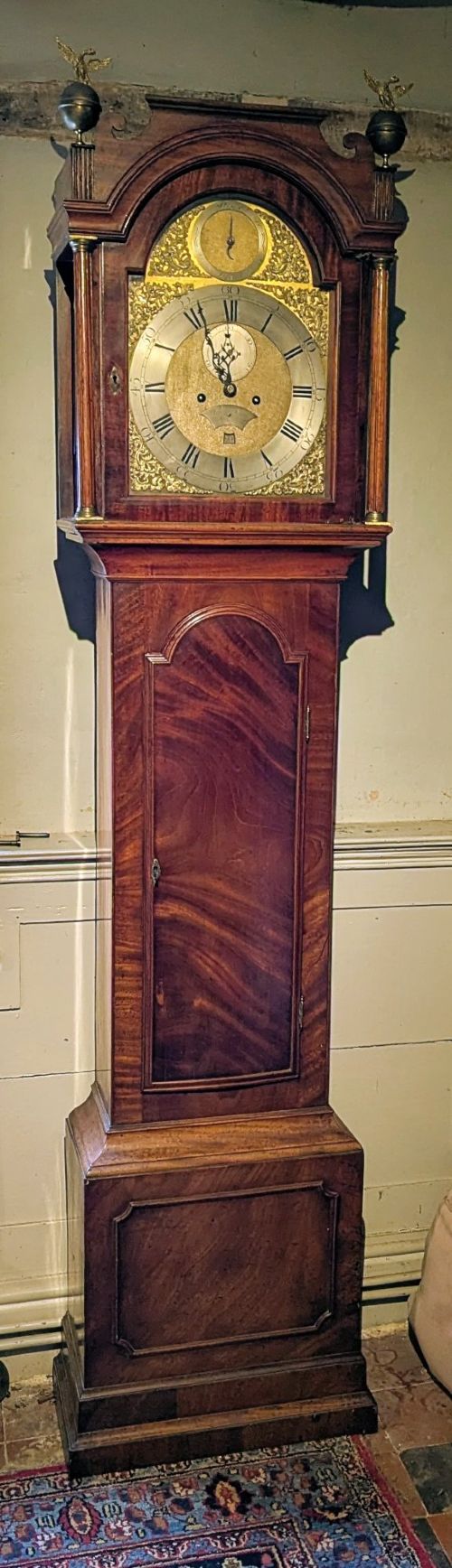
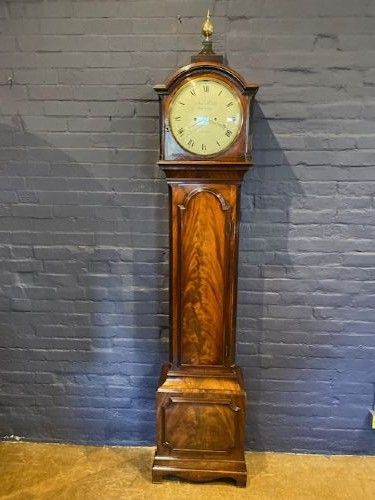
A London tall clock, often called a longcase or grandfather clock, stands as a monumental timepiece housing precision movements within a protective wooden housing. These pieces emerge from periods spanning the seventeenth century through the nineteenth century, reflecting evolving cabinet-making and horological standards.
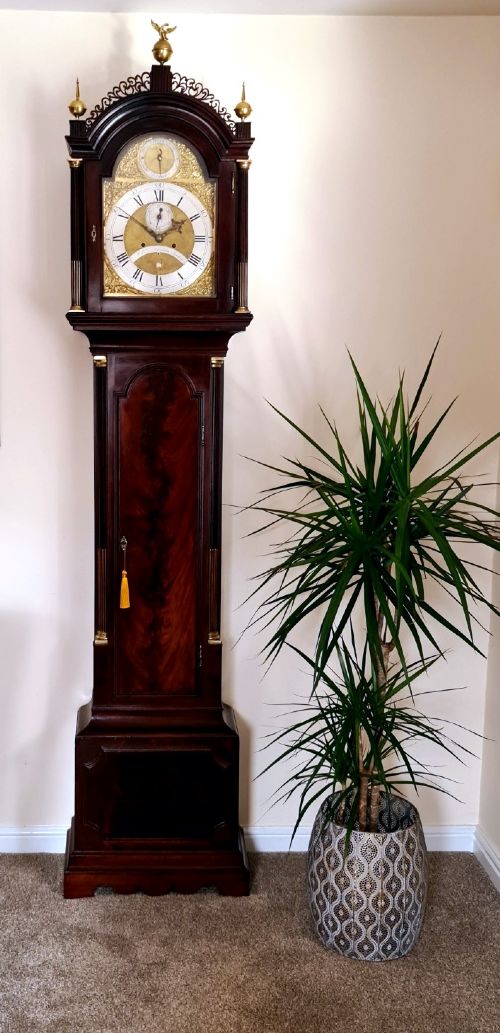
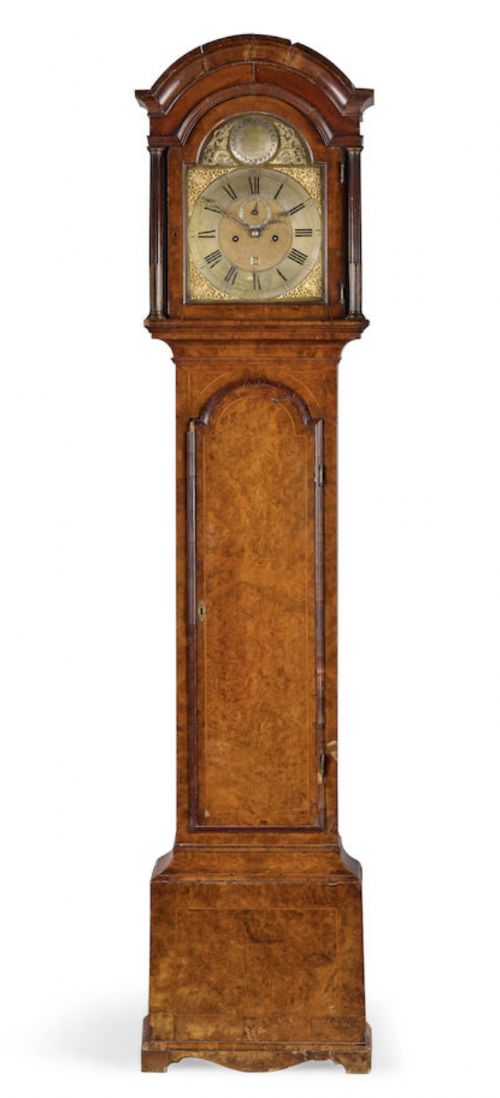
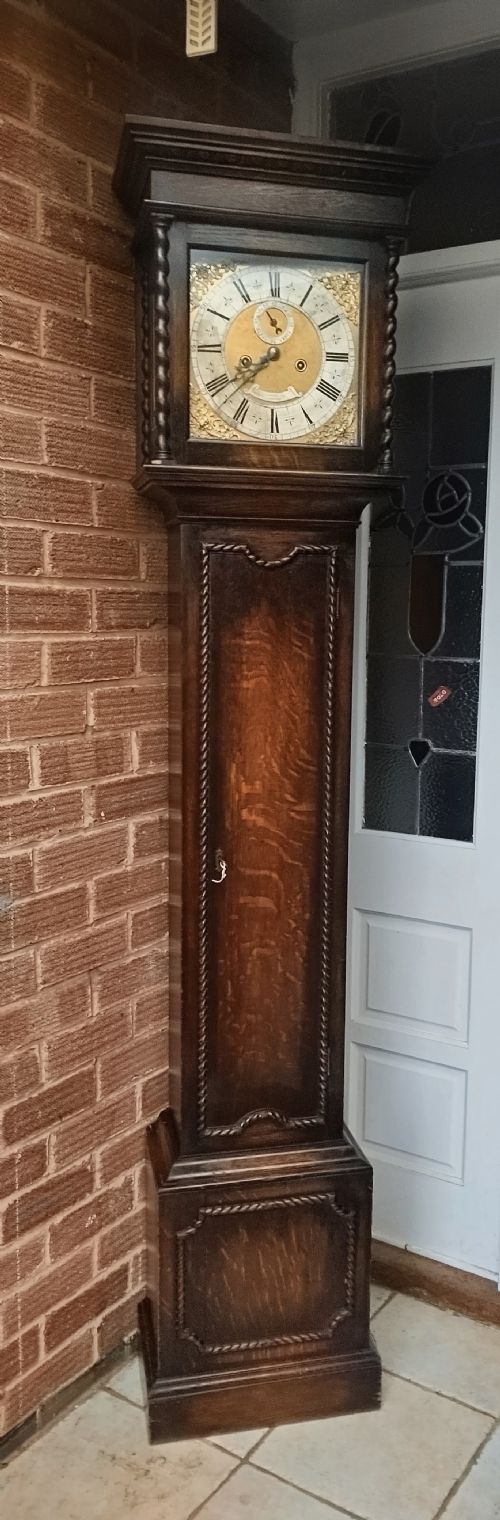
Buyers encounter variations ranging from restrained mahogany and oak cases to highly decorative examples finished in burr walnut or gilt lacquer. The form serves both as a functional ticker and a commanding architectural presence in a hallway or principal room.
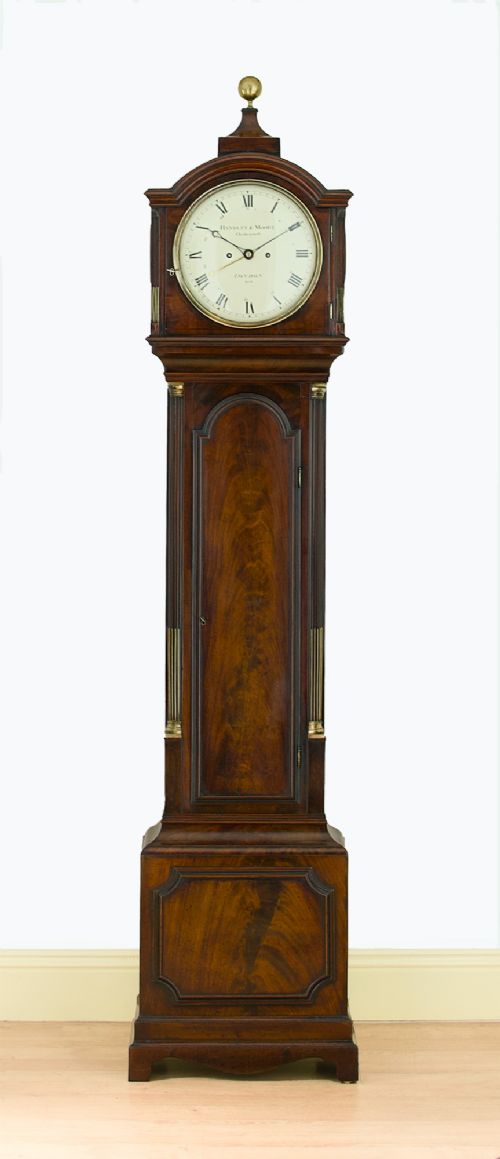
Origins trace directly to metropolitan workshops where master horologists signed their dials, creating pieces that combine cabinet craftsmanship with intricate mechanical gear trains. Examples on this page represent centuries of British clockmaking heritage from notable makers.
Materials and construction
Cabinetmakers constructed the tall cases using dense hardwoods such as mahogany, oak, walnut, and burr walnut, frequently applying veneer and lacquer for decorative surfaces. These timbers provided the structural stability necessary to house heavy movements and swinging pendulums without warping.
Dial faces combined brass, steel, and glass, with engraved silvered chapter rings and hand-hammered mounts marking the hours. Inside, complex brass gear trains, anchor escapements, and grid-iron pendulums worked in tandem to maintain accurate time over eight-day or longer operational cycles.
London Tall Clock Retail Price Guide 2026
Typical asking prices for london tall clock among the pieces listed under this phrase on Sellingantiques today, from the lower quarter to the upper quarter. They describe what is for sale here now, not the wider market.
Listings feature movements housed in oak, mahogany, walnut, and burr walnut cases spanning the seventeenth to the twentieth century.
Judging quality in tall clocks
Quality rests in the harmony between the cabinetmaker's joinery and the horologist's mechanical execution. Superior pieces display crisp timber figuring, well-proportioned hood mouldings, and dials signed by recognised practitioners of the craft.
The integrity of the movement and its original dial integration separate exceptional examples from standard production. Finer tall clocks retain original brass work, clean engraving, and secondary woods that match the primary case without unwarranted replacement.
John Taylor·Charles Shuckburgh·James McCabe·Handley and Moore·William Jourdain·Windmills and Wightman·Henry Weedon·Mclennan·William Kipling·William Moon·Thomas Vernon·Edin Burgis·William Allam·James Tregent·John Rainsford·Thomas Goddard·Francis Perigal·Mappin and Webb·Wightman Of London·Parkinson and Frodsham·John Shelton·Dwerrihouse and Carter·Gardner·James Bullock·William Tomlinson
The London Tall Clock Glossary
- Longcase clock
- A tall freestanding pendulum clock enclosed in a wooden case designed to protect the weights and pendulum. This term is often used interchangeably with grandfather clock.
- Quarter striking
- A mechanism enabling the clock to sound the quarters of the hour on bells or gongs in addition to striking the full hour. This adds mechanical complexity to the gear train.
- Burr walnut
- A prized timber veneer harvested from walnut tree growths, producing swirling patterns used on high-status cabinet furniture. It appears frequently on seventeenth and eighteenth-century examples.
- Regulator
- A precision pendulum clock designed for exceptional accuracy, often utilised to set other timepieces. These movements typically feature specialised grid-iron pendulums to counteract temperature changes.
- Chinoiserie
- A decorative style employing simulated Chinese motifs, often rendered in raised gilt lacquer on a painted background. This technique decorated select Georgian clock cases.
London Tall Clock: Frequently Asked Questions
How do I wind an antique tall clock?
Most eight-day tall clocks require a key to wind the weights up the trunk once a week. Care must be taken not to overwind the mechanism.
Ensuring the weights rise evenly keeps the gear train functioning smoothly without placing undue strain on the historic brass teeth.
Where should I place a tall clock at home?
Tall clocks need a stable, plumb wall surface away from direct sunlight, heating vents, and dampness. A firm floor prevents vibrations from disrupting the pendulum swing.
Hallways and principal living areas offer the most stable environmental conditions for keeping wood and movement settled.
How can I tell the period of a tall case?
Case proportions, timber choice, and dial design offer primary clues to the era of manufacture. Earlier seventeenth-century pieces often feature narrower proportions and walnut veneers, while later Georgian examples frequently utilise mahogany.
The signature of the maker on the brass dial can also be cross-referenced against historical records of working dates in London.
Why do some tall clocks show moon phases?
A moon phase dial tracks the lunar cycle through a rotating disc painted with two moons behind a shaped arch. This complication added status and visual interest to higher-end eighteenth-century clocks.
Owners used the feature to track tides and agricultural cycles in addition to standard hours.