


London Sterling Silver Box
A London sterling silver box brings domestic history to hand, ranging from Georgian pocket snuff containers to large Victorian dressing table chests.
London Sterling Silver Box
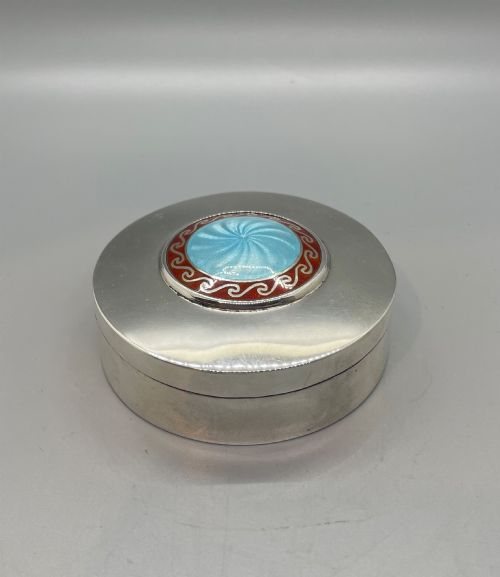
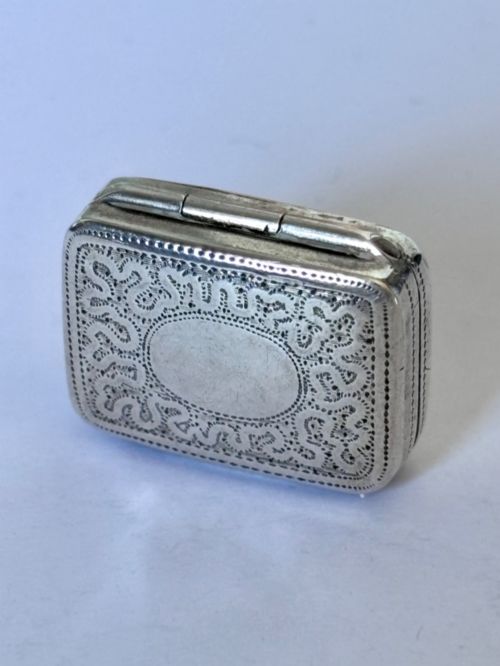
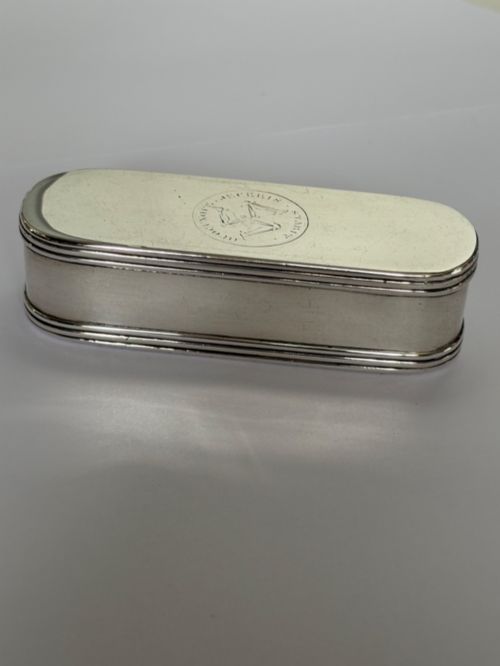
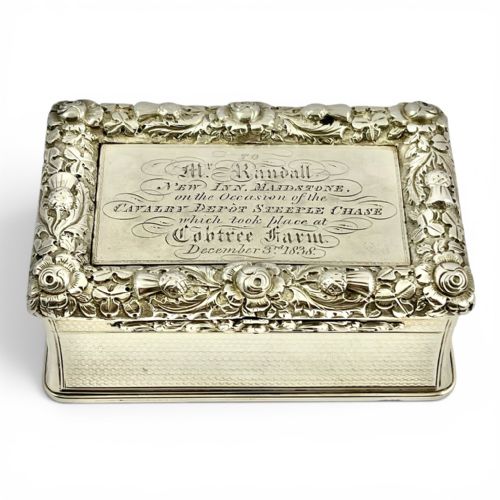
A london sterling silver box encompasses a diverse array of small containers created for personal utility and display, from Georgian snuff boxes and vinaigrettes to Victorian jewellery chests, desk accessories, and tea caddies.
The pieces appearing across these records span periods from the reign of George III through Victorian, Edwardian, and Art Deco eras, reflecting shifting domestic habits and social rituals.
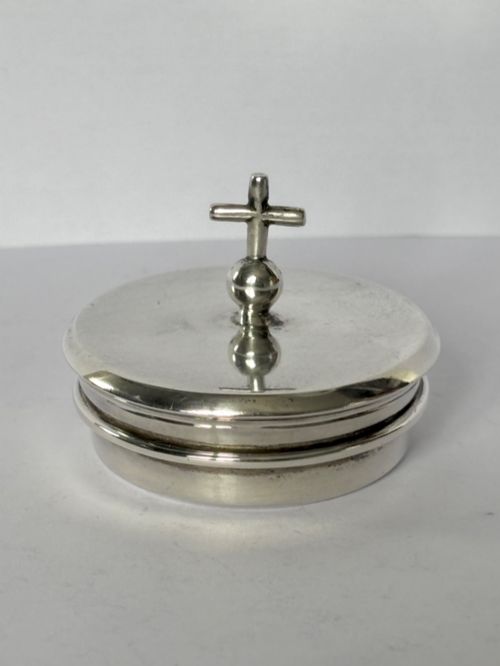
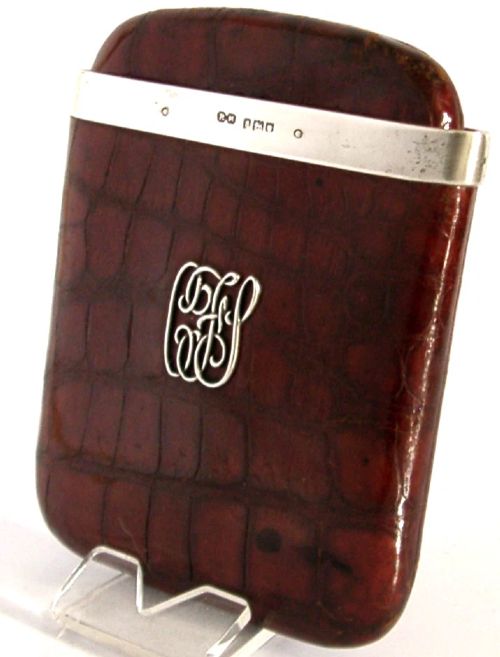
Buyers frequently encounter trinket boxes lined with velvet, silver gilt pyx boxes associated with ecclesiastical use, and novelty vesta cases or stamp dispensers designed for everyday carrying.
Distinctions in Standard
Quality rests upon the crispness of cast borders, the precision of engine-turned patterns, and the integrity of hinges and closures that must seal tightly after generations of use.
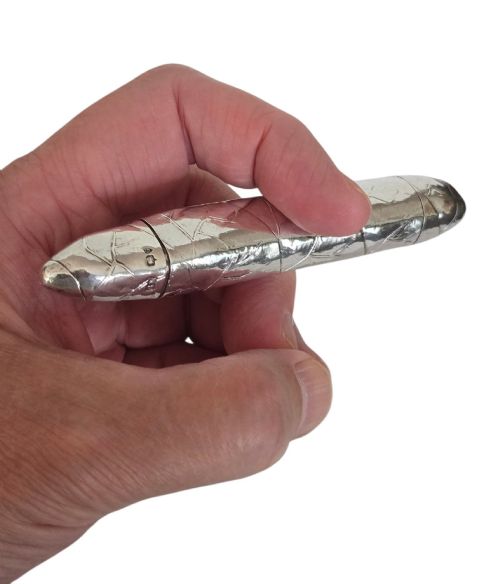
Works bearing the marks of specialised workshops, detailed repoussé figural scenes, or uncommon forms such as double-ended cigar cases demonstrate higher ambition than standard utility items.
Listings demonstrate a broad chronological range from Georgian George III examples to mid-century ecclesiastical pyx boxes.
F. Osbourne & Co·Charles Edwards·Thomas Johnson·Sampson Mordan & Co·Cornelius Bland·W & G Neal·Jane Brownett Alexander Jones·Wright & Davies·Edward Edwards·James Phipps I·Reily And Storer·Phipps Robinson·AR Mowbray & Co·William Hornby·Goldsmiths & Silversmiths Co
The London Sterling Silver Box Glossary
- Vesta case
- A pocket container designed for holding matches, often fitted with a striking surface on the base. These small items frequently took novelty shapes.
- Vinaigrette
- A small ornamental box featuring an internal pierced grille, designed to hold a sponge soaked in aromatic vinegar. They date predominantly from the Georgian and early Victorian periods.
- Pyx
- A small round container used in ecclesiastical contexts to carry the Eucharistic host. Examples in silver gilt often feature engraved or applied crosses.
- Guilloché
- A decorative technique where a precise, intricate geometric pattern is mechanically etched into a metal substrate. It is frequently seen beneath translucent enamel on Edwardian and Art Deco boxes.
- Tea caddy
- A vessel designed for storing loose tea leaves, which were once an expensive luxury commodity. Many examples feature tight-fitting inner lids to preserve aroma.
London Sterling Silver Box: Frequently Asked Questions
What were silver boxes used for?
These containers served specific domestic and personal functions, holding snuff, tobacco, stamps, matches, or toothpicks before modern packaging existed.
Larger variants sat on dressing tables to store jewellery, trinkets, or letters, acting as secure receptacles for valuable personal items.
How do I date a silver box?
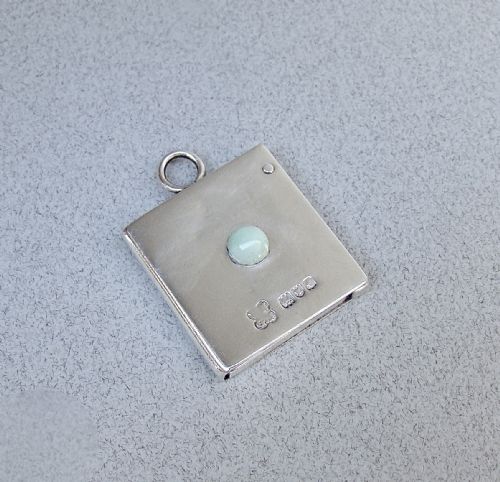
London hallmarked pieces bear specific date letters alongside the leopard's head town mark and the lion passant sterling standard.
Matching these assay office marks against published London hallmark tables reveals the exact year of manufacture and the silversmith responsible.
What is a silver gilt box?
Silver gilt refers to sterling silver that has been coated with a thin layer of gold through a process called vermeil or fire gilding.
This treatment was often applied to the interiors of boxes holding acidic substances like snuff or vinegar to prevent the silver from tarnishing and corroding.
How should I clean my silver box?
Dust gently with a soft microfibre cloth and avoid aggressive commercial dips that strip away patination and damage delicate enamel or tortoiseshell.
Store pieces away from direct sunlight and high humidity to protect internal silk, velvet, or leather linings from deterioration.