


London Silver Tableware
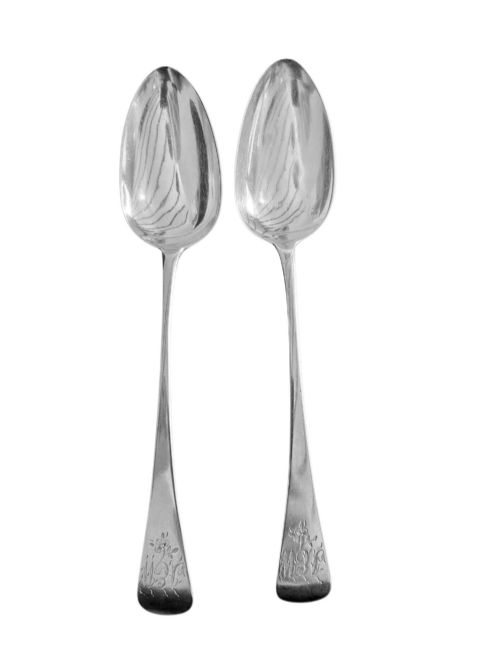
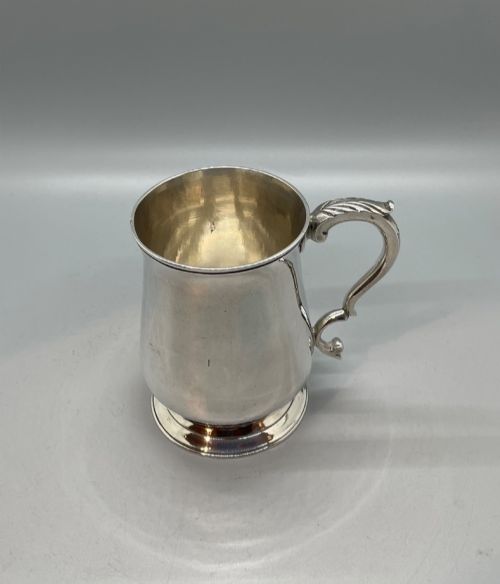
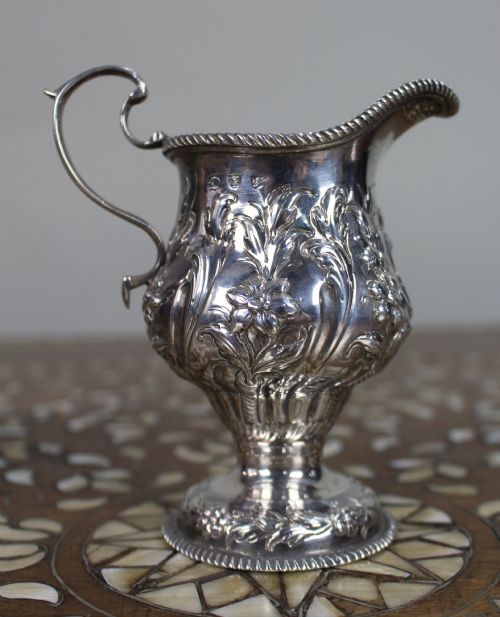
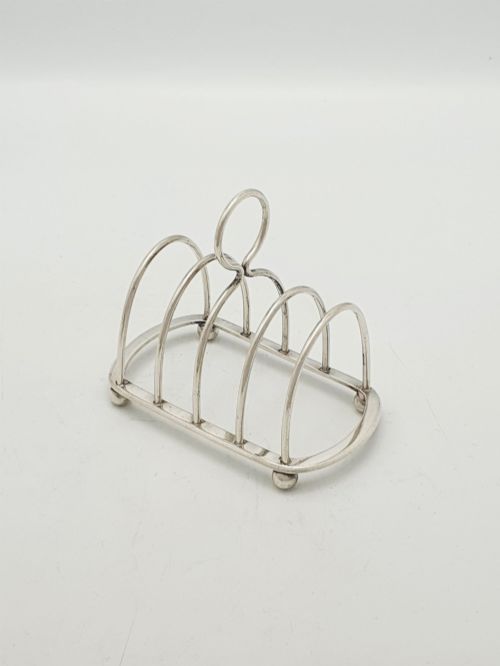
London silver tableware brings functional elegance to the dining table through enduring forms like salt cellars, cream jugs, and serving spoons.
London Silver Tableware
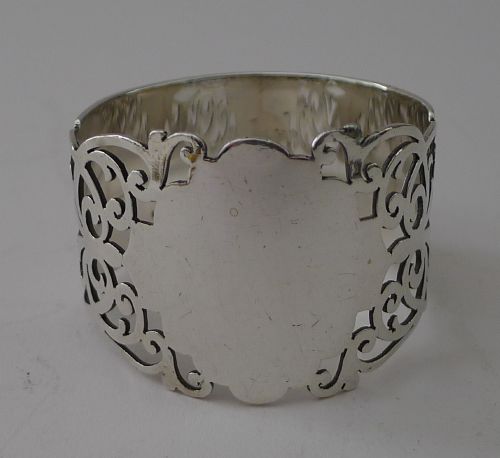
The objects frequently encountered on this page reflect Georgian, Victorian, and Edwardian periods, displaying distinct stylistic evolutions from plain utilitarian designs to ornate pierced baskets and naturalistic forms.
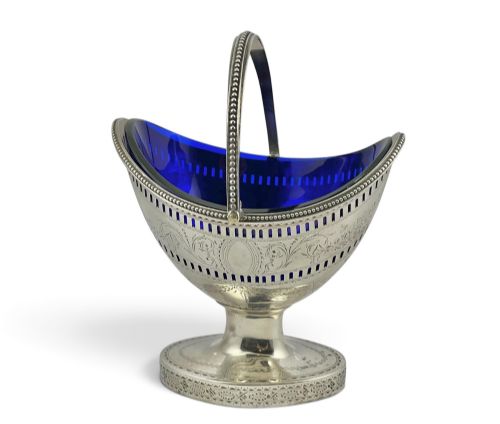
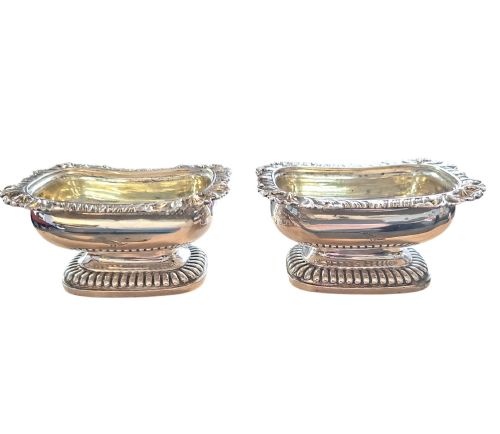
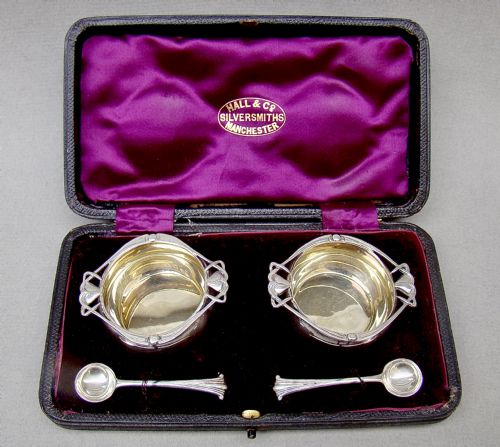
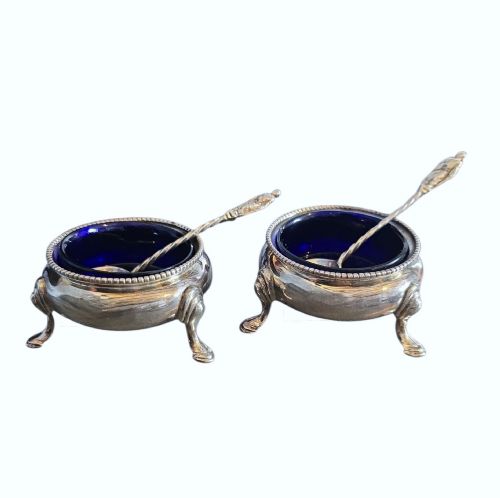
Makers and silversmiths working in London produced these items using sterling silver, frequently paired with blue glass liners, cobalt glass, or silver gilt finishes to add colour and contrast.
Materials and Craftsmanship
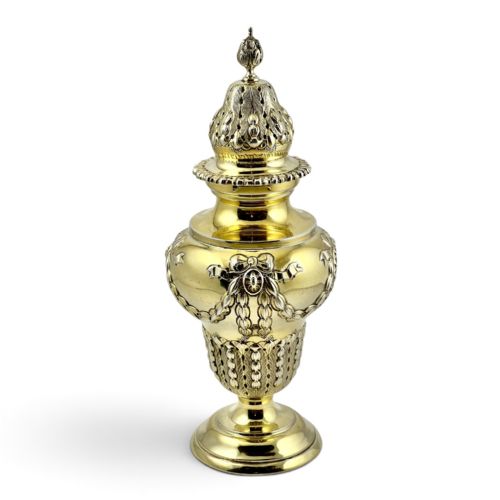
Silversmiths primarily utilised sterling silver and solid silver for durability and lustre, occasionally applying silver gilt or vermeil to create a contrasting golden sheen on the interior of bowls or cast components.
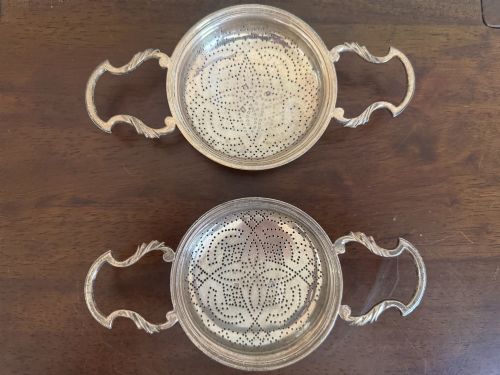
Techniques such as piercing, casting, and hand-hammering shaped items like sugar bowls, cream jugs, and entree dishes, while specialised glass inserts like cobalt glass were integrated into salt cellars.
London Silver Tableware Retail Price Guide 2026
Typical asking prices for london silver tableware among the pieces listed under this phrase on Sellingantiques today, from the lower quarter to the upper quarter. They describe what is for sale here now, not the wider market.
Listings feature sterling silver and silver gilt materials across Victorian, Georgian, and Edwardian eras.
Assessing Quality
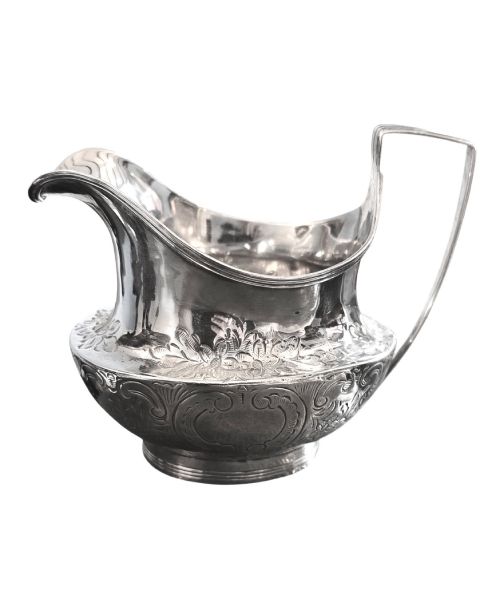
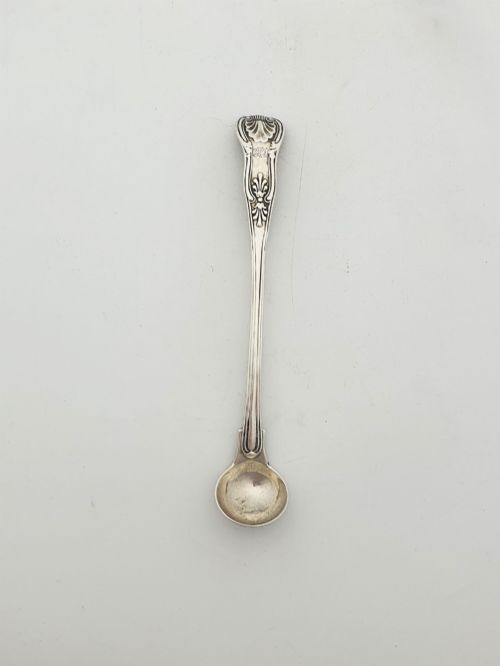
The distinction between standard domestic items and finer pieces lies in the crispness of chased and pierced decoration, such as the naturalistic acorn motifs on sauce boats or the intricate lace patterns on early spoons.
Weight, gauge of silver, and the clarity of the London hallmarks contribute significantly to a piece's standing, alongside the survival of original matched components like blue glass liners and associated spoons.
John Lambe·Beare Falcke·Charles and George Fox·David Hennell·William Burwash·The Goldsmiths and Silversmiths·John Emes·Thomas Tookey·John Rawlings·William Comyns·Stephen Coleman·Thomas Johnson·Edward and John Barnard·Jabez Daniell·George Adams·George Wintle
The London Silver Tableware Glossary
- Sterling silver
- An alloy containing 92.5 percent silver by mass, forming the primary material standard for durable tableware.
- Silver gilt
- Sterling silver that has been coated with a thin layer of gold on the surface, often seen on interiors of bowls and cast items.
- Cruet stand
- A fitted frame holding multiple condiment bottles, castors, or salt cellars for table service.
- Caddy spoon
- A short-handled spoon specifically designed for measuring loose tea leaves from a storage caddy.
- Marrow scoop
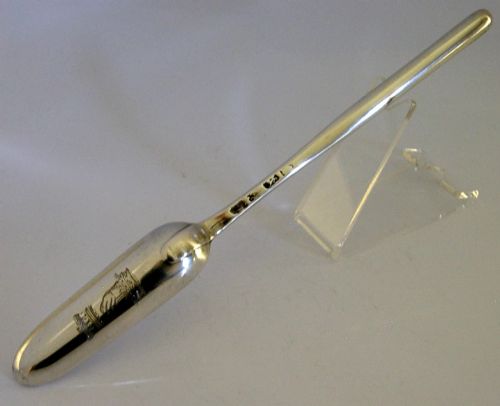
- A long, narrow utensil with troughs at either end, utilised for extracting marrow from animal bones during formal meals.
London Silver Tableware: Frequently Asked Questions
What items are classed as London silver tableware?
The category includes utilitarian and decorative items designed for dining, such as cream jugs, salt cellars, toast racks, soup ladles, and entree dishes.
These pieces were forged in London workshops across the Georgian, Victorian, and Edwardian eras, utilising sterling silver and sometimes featuring glass liners or gilt finishes.
How do I identify the date of a piece?
British silver typically bears a series of hallmarks stamped directly onto the metal, including a leopard's head indicating London origin and a specific date letter.
Matching these punch marks against standard silversmith registry charts reveals the exact year the item passed through the assay office.
Were glass inserts original to salt cellars?
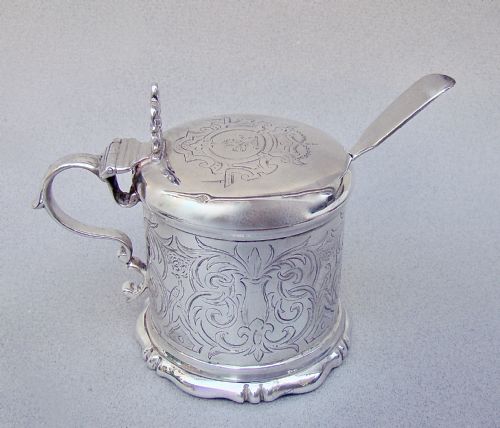
Many Victorian and Georgian salt cellars and mustard pots were manufactured with fitted glass liners made of cobalt or deep blue glass.
These removable liners protected the silver from corrosive salts and vinegars used in historical dining customs.
How should I clean antique silver tableware?
Antique silver benefits from gentle washing in warm water with mild soap, followed by drying with a soft cloth to prevent moisture spots.
Abrasive polishes and harsh chemical dips should be avoided to preserve the original patina, fine engravings, and subtle tool marks left by the silversmith.