




London Silver Dish
A London silver dish brings centuries of assay office heritage straight to the table, offering tangible craftsmanship from Victorian, Edwardian and Georgian makers.
London Silver Dish
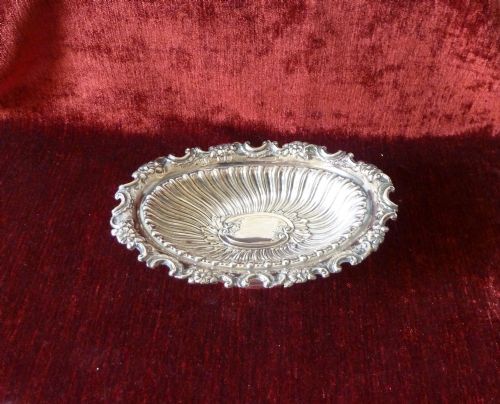
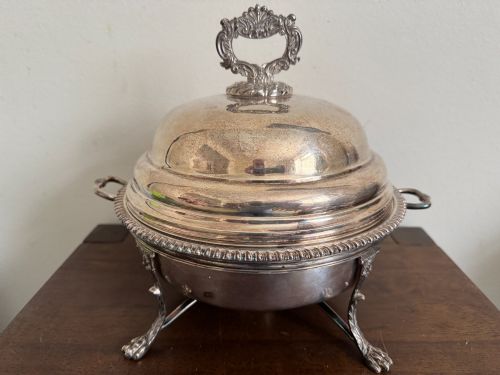
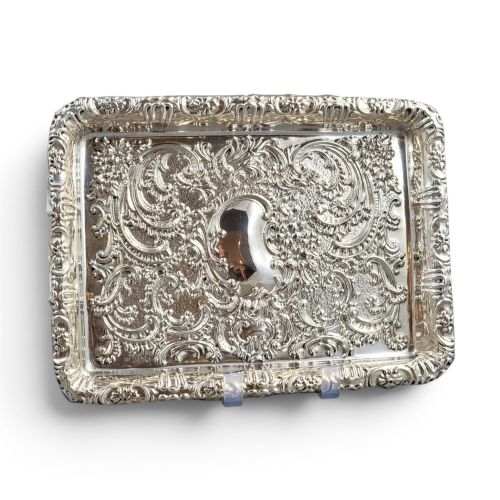
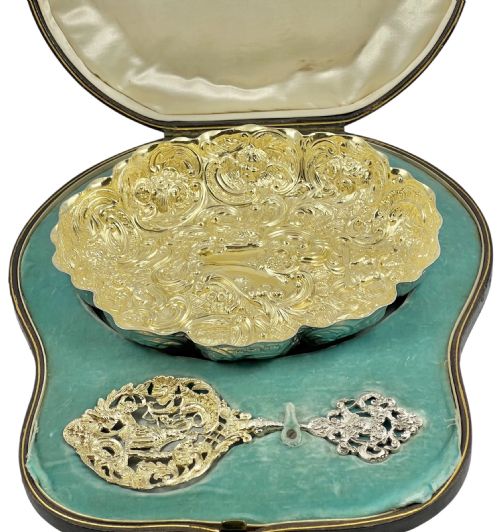
A london silver dish encompasses a broad spectrum of domestic and decorative silverwork, ranging from nineteenth-century bon bon dishes and Edwardian butter dishes to substantial Georgian supper dishes and bread baskets. Buyers exploring this category encounter varied forms created for dining, serving and display, each bearing the characteristic hallmarks of the capital's assay office.
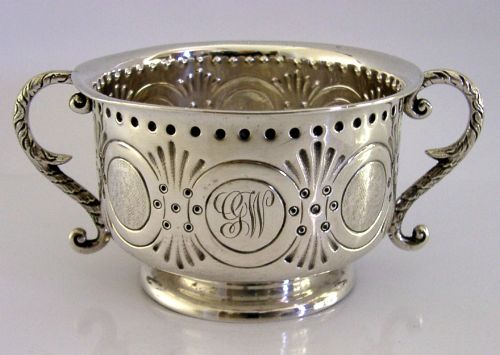
The selection on this page leans heavily toward sterling silver vessels spanning the Victorian and Edwardian eras, alongside earlier Georgian items and pieces influenced by the Arts and Crafts movement. Formats include tazzas, pierced baskets, card trays and porringers, reflecting the diverse domestic rituals of past centuries.
Pewter dishes also appear among the offerings, demonstrating that utilitarian metalwork shares space with high-karat tablewares. Each object serves as a functional vessel or decorative centrepiece carrying the tangible record of its London origins.
What varies in quality
The distinction between standard commercial output and exceptional workshop production rests on the crispness of the chasing, the precision of the piercing and the integrity of the maker marks. Items produced by prominent retailers and silversmiths display superior handling of weight and balance.
The integration of decorative elements, from applied borders to intricate enamel work, determines the refinement of the piece. Superior examples maintain structural rigidity in delicate elements like pierced baskets and tazzas without feeling overly thin or flexible.
London Silver Dish Retail Price Guide 2026
Typical asking prices for london silver dish among the pieces listed under this phrase on Sellingantiques today, from the lower quarter to the upper quarter. They describe what is for sale here now, not the wider market.
Listings feature sterling silver, pewter, and silver gilt across Victorian, Edwardian, and Georgian periods.
Asprey·Goldsmiths and Silversmiths Company·Robert Pringle and Sons·John Hunt·James Hennell·William Comyns·Theo Fennell·Garrard·Edward and John Barnard·Samuel Hennell·Thomas Templeman·Archibold Knox·Liberty and Co
The London Silver Dish Glossary
- Porringer
- A small, two-handled bowl used historically for porage or broth. These vessels often feature flat, pierced lugs or handles.
- Tazza
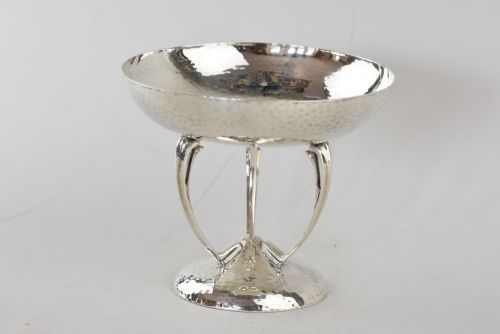
- An ornamental shallow cup or plate mounted on a stem and foot. They function primarily as display pieces or serving stands for fruit and small sweetmeats.
- Guilloche enamel
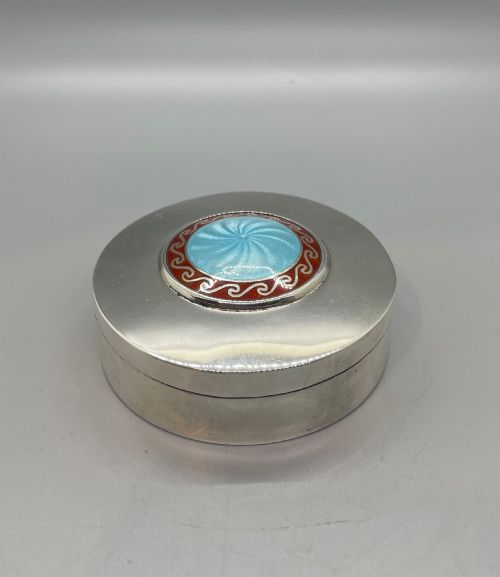
- Decorative mechanical engraving beneath a translucent layer of coloured enamel. This technique creates repeating geometric patterns that catch the light.
- Silver gilt
- Sterling silver that has been coated with a thin layer of gold on its surface. This process enriches the interior appearance and prevents tarnishing from food acids.
- Pierced
- Metalwork perforated with decorative patterns or openwork designs. This method lightens the visual weight of large baskets and trays.
London Silver Dish: Frequently Asked Questions
How do I read London silver hallmarks?
London silver hallmarks typically include a leopard's head indicating the London assay office, a standard mark such as the lion passant for sterling silver, and a date letter corresponding to the year of assay. Additional marks identify the reigning monarch and the specific maker.
Examining these stamps allows collectors to trace the exact lineage and production year of each dish with confidence.
What is a silver bon bon dish?
A bon bon dish is a small decorative vessel designed specifically for holding sweets, sugared almonds or small confections during formal dining. They gained popularity during the Victorian and Edwardian periods as table accessories.
These pieces often feature pierced decoration, delicate handles, and elevated feet to sit gracefully among other tablewares.
How should I clean antique silver dishes?
Antique silver requires gentle cleaning with a specialised silver cloth or mild, non-abrasive silver polish to preserve the original patina and details. Avoid harsh chemical dips that strip away the subtle aged character accumulated over decades.
Wash the pieces in lukewarm water with mild soap after polishing and dry them thoroughly with a soft cloth.