

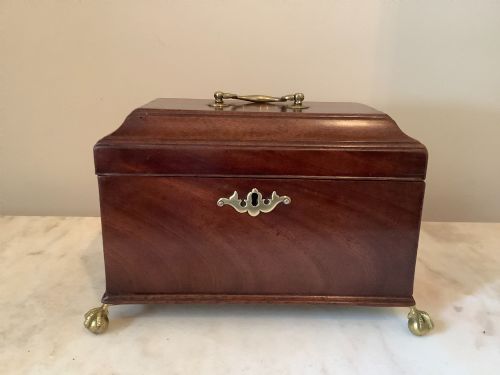
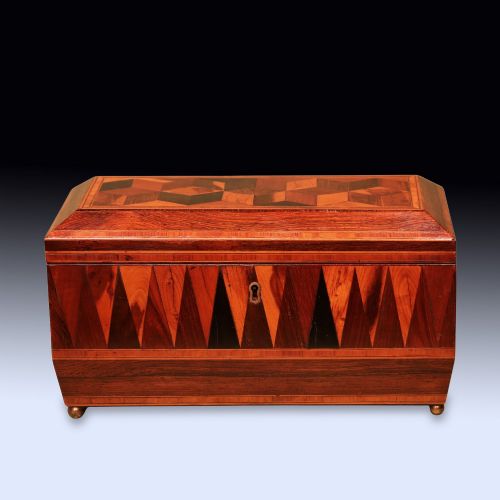
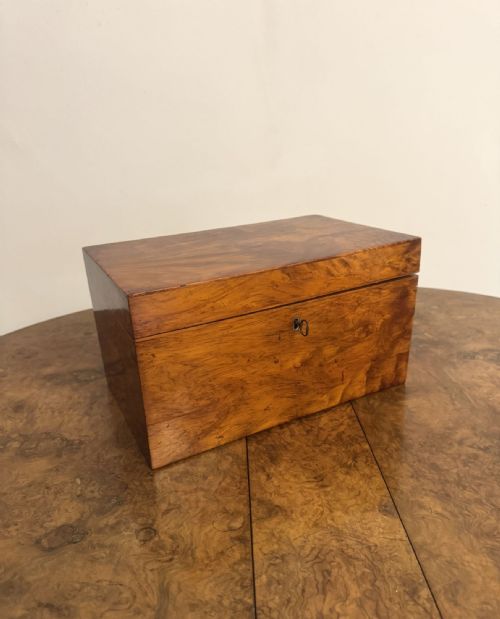


Lockable Caddy
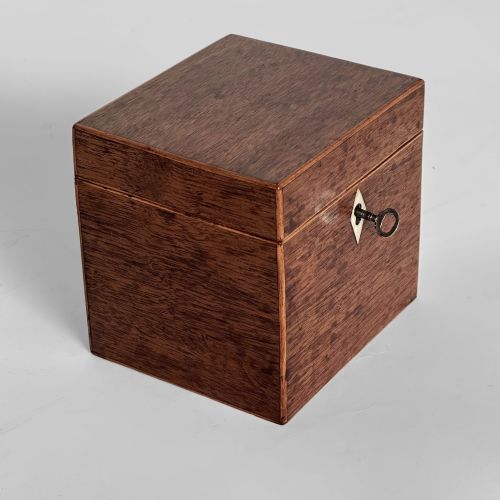
A lockable antique caddy is a secure wooden box made for storing dry leaf tea or holding decanters, designed to protect precious household stores.
Lockable Caddy
A lockable antique caddy serves as a secure container originally built to preserve costly dried tea leaves under lock and key. The selection spans the Georgian, Regency, and Victorian eras, alongside Edwardian examples.
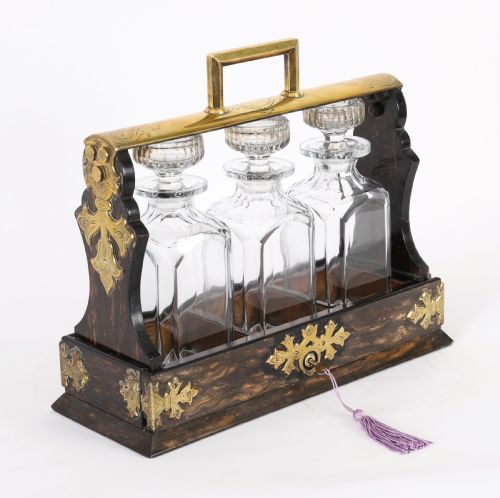
The most common form encountered in these listings is the wooden tea caddy or storage box, frequently rendered in mahogany, rosewood, or walnut. Alongside traditional tea boxes, the selection includes oak tantalus units fitted with cut crystal decanters.
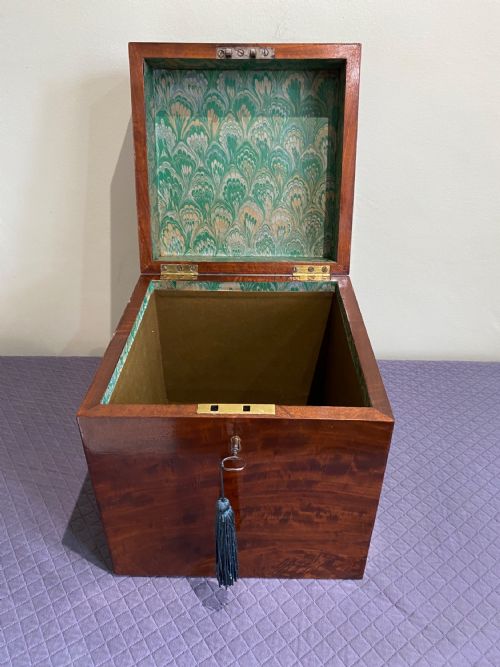
Pieces often arrive with working keys and internal divisions, such as loose leaf cases, mixing glasses, or inner canisters. Origins range from English workshops to French and Chinese production.
Materials and Construction
Cabinet makers built these vessels using solid timbers and fine veneers like mahogany, rosewood, walnut, satinwood, and harewood over supportive framing. Decorative elements rely on stringing, parquetry, marquetry, and shell inlay utilising boxwood, bone, or contrasting woods.
Metal mounts in brass, silver plating, and sterling silver provide structural reinforcement and secure locking mechanisms. Interior compartments frequently incorporate fitted glass mixing bowls, metal canisters, and secret drawers.
Periods represented across the inventory stretch from the early 18th century through the Edwardian era.
Distinctions in Quality
The standard of a piece depends on the choice of timber figure, such as burr walnut, flame mahogany, or partridge wood, combined with precise execution of inlay and marquetry. Superior examples display dense grain patterns and harmonious veneer matching across every visible surface.
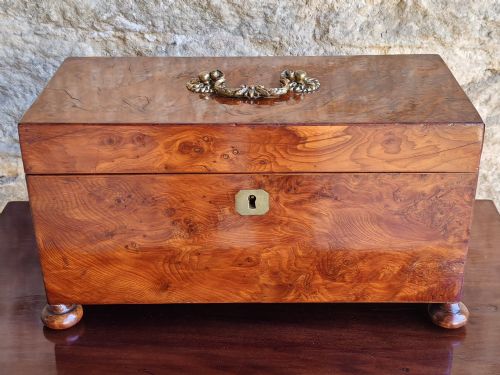
Hardware execution dictates overall grade, where heavy brass lion mask handles, original working locks with keys, and intact internal canisters distinguish finer workshop production from standard utility boxes.
The Lockable Caddy Glossary
- Caddy
- A small box or chest designed for storing tea leaves. The term derives from the Malay word kati, a unit of weight.
- Tantalus
- A locking drink cabinet that secures decanters within a wooden frame while keeping the stoppers visible. The design prevents unauthorized access to the contents.
- Sarcophagus
- A box shape featuring a domed or steep-sided sloping lid resembling a stone coffin, popular during the Regency and Victorian periods.
- Marquetry
- The art of applying decorative pieces of veneer to a structure to form intricate picture designs or geometric patterns. Craftsmen select various coloured woods to achieve tonal contrast.
- Parquetry
- A geometric mosaic of wood pieces used for decorative surface inlay. It creates regular patterns such as squares, triangles, and lozenges.
Lockable Caddy: Frequently Asked Questions
How do I secure a lockable antique caddy?
Many surviving examples retain functional brass locks operated by small period keys.
Testing the mechanism requires care to avoid straining historical ironwork inside the lid.
What went inside a tea caddy?
Interiors typically held separate metal canisters for green and black tea leaves alongside a central glass mixing bowl.
Leaf quantities were strictly measured by the household master due to high import costs.
How do I date a wooden caddy?
Stylistic markers like sarcophagus curves, lion mask handles, and shell inlays point toward Georgian and Regency periods.
Timber choices and interior hardware offer further clues regarding manufacturing decades.
What is a tantalus decanter set?
A tantalus holds glass decanters beneath a locked metal bar that traps the glass stoppers in place.
Victorian households used these frames to restrict servants from accessing stored spirits.