



Lobed Ceramic Display Plate
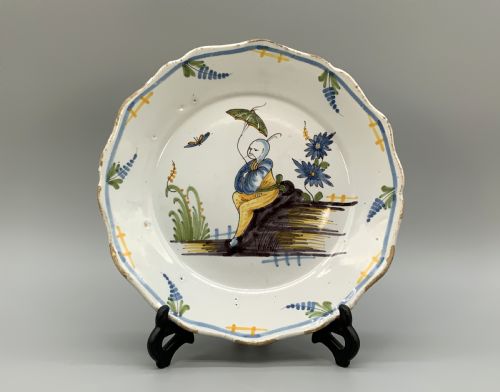
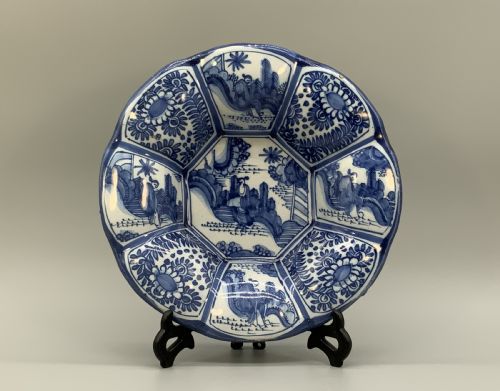
These lobed ceramic display plate pieces are shaped chargers and dishes designed to catch the eye, bringing centuries of ceramic artistry straight to your wall or cabinet.
Lobed Ceramic Display Plate
When you search for a lobed ceramic display plate, you are looking at decorative plates, chargers, and dishes shaped with distinct scalloped or indented rims. The listings on this page span several centuries, reaching from the seventeenth century through the nineteenth century.
You are most likely to meet pieces decorated in the Japanese Imari palette or Dutch Delft styles, alongside French faience and English porcelain. These items functioned primarily as decorative display pieces rather than everyday tableware, meant to be shown off on dresser plates or walls.
The forms range from large chargers down to dessert plates, often featuring cobalt pigment, tin glaze, or enamel over earthenware and porcelain. Each period brings its own characteristic moulding, from Dutch Baroque interpretations of Kraak porcelain to Victorian interpretations of Japanese export wares.
How they were made
Potters shaped these ceramics by throwing or moulding clay into lobed profiles, applying tin glaze, earthenware, or porcelain bodies depending on the workshop and period. Tin-glazed earthenware provided an opaque white surface suitable for absorbing cobalt pigment before a final firing.
Decoration relied on hand-painted pigments, enamel, and occasionally gold leaf applied over or under the glaze. Japanese Imari wares combined iron red, cobalt blue, and gilt highlights, while European delftware makers utilised manganese and yellow alongside traditional blues.
Lobed Ceramic Display Plate Retail Price Guide 2026
Typical asking prices for lobed ceramic display plate among the pieces listed under this phrase on Sellingantiques today, from the lower quarter to the upper quarter. They describe what is for sale here now, not the wider market.
Some nineteenth-century plates arrived bearing tiny puce griffins on the back, leaving a permanent maker's signature for curious eyes.
What varies in quality
Quality rests in the crispness of the lobed moulding and the control shown in the hand-painted brushwork. Stronger pieces display confident cobalt pigment or enamel work that sits cleanly on the ceramic body without excessive blurring.
The sophistication of the design execution separates standard domestic production from finer examples made for prominent display. Early Dutch Delft and Japanese Imari specimens show a depth of colour and balance of composition that elevates them above later copies.
The Lobed Ceramic Display Plate Glossary
- Lobed dish
- A ceramic plate or platter with a scalloped or indented rim creating distinct lobes. This shaping requires careful hand-moulding while the clay is soft.
- Tin-glazed earthenware
- Pottery coated with a glaze containing tin oxide to produce a smooth, white, opaque surface. It serves as a ground for painted decoration.
- Cobalt pigment
- A metallic blue colouring agent used under the glaze on ceramics. It withstands high firing temperatures without losing its depth of tone.
- Imari
- A style of Japanese porcelain and ceramic decoration featuring iron red, dark blue, and gold. Exported widely to Europe, it heavily influenced Western potters.
- Charger
- A large decorative plate intended for display on a sideboard or wall rather than for serving food at the table.
Lobed Ceramic Display Plate: Frequently Asked Questions
How do I hang a display plate?
Display plates require specialised wire hangers that grip the rim securely without causing damage to the ceramic body. Ensure the wall fixing is secure before mounting heavier chargers.
Alternatively, use a dedicated plate stand designed for cabinet or table presentation. This avoids any risk from wall mounting altogether.
Were these plates used for food?
Most pieces designed with lobed rims and decorative export painting served as garniture or display items rather than dining service. Their soft earthenware bodies and historical glazes mean they are best kept off the dining table.
Some nineteenth-century dessert plates saw actual service use, but collectors generally treat them as decorative objects today.
How do I tell Delft from Imari?
Dutch Delft relies heavily on blue and white tin glaze, often drawing inspiration from Chinese motifs with opaque white surfaces. Imari uses a distinctive palette of iron red, cobalt blue, and gold leaf on a porcelain or dense ceramic body.
Examining the foot ring and weight of the piece will also reveal whether it follows European earthenware traditions or Japanese porcelain practices.