



Lion Mask Bucket
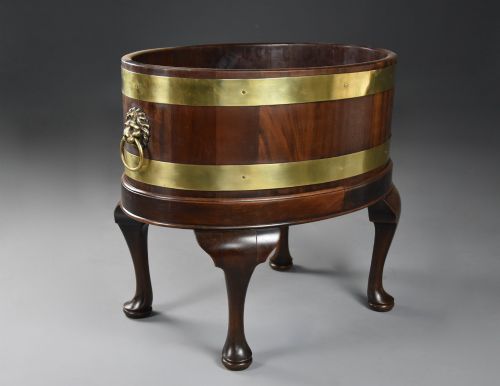
These lion mask bucket examples are robust vessels cast or coopered with bold animal mounts, serving practical duties with undeniable presence.
Lion Mask Bucket
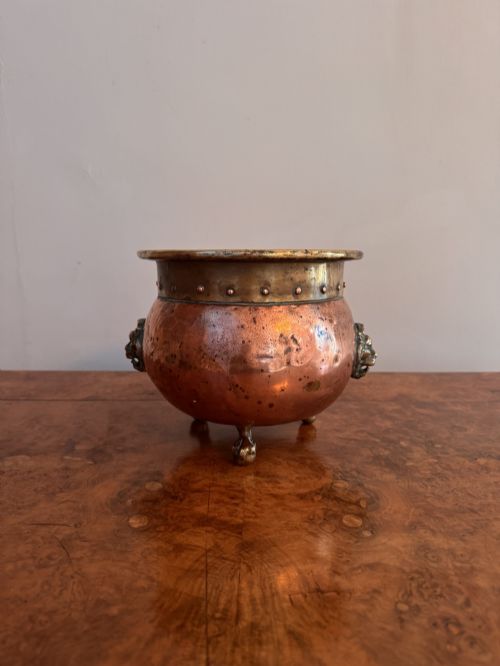
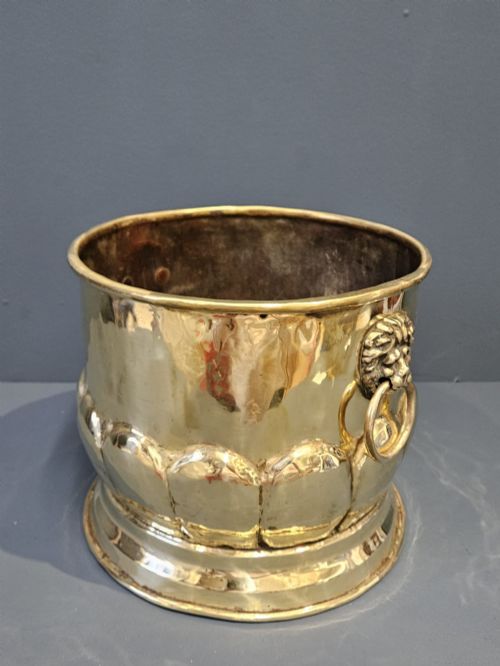
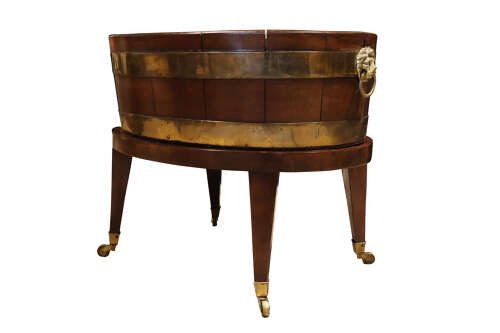
A lion mask bucket brings together heavy utilitarian forms and classical ornamentation, appearing across the Georgian, Victorian, and Edwardian periods in various guises. When seeking a lion mask bucket, buyers encounter objects ranging from coopered mahogany wine coolers on stands to brass planters, coal scuttles, and silver-plated champagne buckets.
The practical origins of these vessels lie in dining, fireside service, and horticulture, manifesting as cellarettes, log bins, and jardinieres. The pieces listed span centuries of domestic life, utilising drop-ring handles suspended from cast brass or gilt bronze leonine mouths.
Mahogany wine coolers and heavy brass or copper vessels dominate the selection, often incorporating zinc linings or metal banding. The overarching form remains consistent: a deep, capacious body anchored by the distinct sculptural motif of the beast.
How they were made
Makers utilised traditional woodworking techniques for wooden forms, employing tight cooperage with brass banding for mahogany wine coolers and cellarettes. Timber such as mahogany was shaped into staves and secured around metal liners to hold ice and liquid safely.
Metal vessels relied on casting, beating, and spinning techniques, particularly for brass, copper, and silver plate. Lion masks were typically cast separately in brass or bronze and riveted or bolted securely to the sides of wooden staves or metal bodies.
Lion Mask Bucket Retail Price Guide 2026
Typical asking prices for lion mask bucket among the pieces listed under this phrase on Sellingantiques today, from the lower quarter to the upper quarter. They describe what is for sale here now, not the wider market.
Materials span mahogany, brass, copper, silver plate, and cut glass, reflecting diverse utilitarian roles from wine cooling to coal storage.
What varies in quality
The refinement of the casting in the lion masks sets the visual standard, distinguishing crisp, detailed manes and deep relief from soft, commercial production. Weight and gauge of the metal, alongside the joinery of the timber staves, dictate the physical substance of the piece.
Proportion and the integration of mounts determine visual balance, separating bespoke Georgian library pieces from later mass-produced jardiniere adaptations. The integrity of internal linings and the original patination of the wood or metal further define the standing of an individual vessel.
The Lion Mask Bucket Glossary
- Coopered
- Constructed from wooden staves bound together with metal hoops, much like a traditional barrel. This method ensured watertight integrity for wine coolers.
- Cellarette
- A lockable container used to store wine in the dining room before the widespread use of fitted cellars. They frequently incorporated lead linings for ice.
- Jardiniere
- An ornamental pot or stand designed to hold growing plants or flowers. These vessels often shared forms with coal scuttles and wine buckets.
- Gilt Bronze
- Bronze that has been treated with a thin layer of gold or gold-coloured alloy. This material provided durable metallic lustre for mounts.
- Mount
- A decorative metal fitting attached to the exterior of a wooden or metal body. Lion masks function as both handles and decorative mounts.
Lion Mask Bucket: Frequently Asked Questions
What were lion mask buckets used for?
These vessels served diverse practical functions in period homes, primarily chilling wine and champagne at the dining table. They also held coal and logs by the fireside or acted as jardinieres for indoor plants.
The inclusion of metal linings, particularly zinc or lead, allowed them to hold melting ice and wet fuel without damaging the surrounding floors or furniture.
How do I date a wooden wine cooler?
Dating relies heavily on the timber species, construction methods, and the style of the brass mounts. Georgian examples often feature figured mahogany with hand-cut dovetails or precise cooperage, whilst Victorian pieces might utilise heavier brass bindings and simpler interior partitions.
The presence of original stands, castors, and lining materials provides further clues to the specific decade of manufacture.
Are brass and copper buckets watertight?
Many solid metal vessels were designed to hold liquids or damp items such as logs and earth, though solder joints and riveted seams can weaken with age. It is sensible to check the condition of the base and interior before using them for water or direct planting.
Placing a modern liner inside protects antique surfaces from moisture and corrosion.
How should I care for the timber and metal?
Maintenance involves dusting timber with a soft cloth and applying appropriate wax sparingly to preserve the polish. Metal components benefit from gentle cleaning to remove dust without stripping the natural patination.
Avoiding placement near direct heat sources prevents the wooden staves from shrinking and splitting over time.