
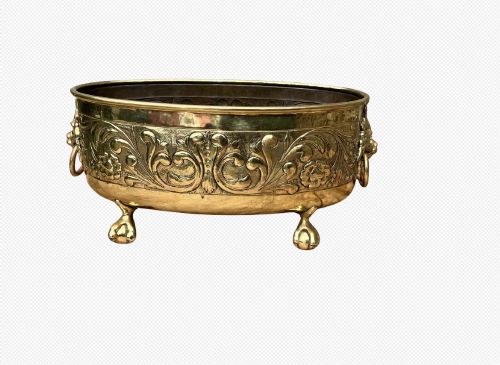
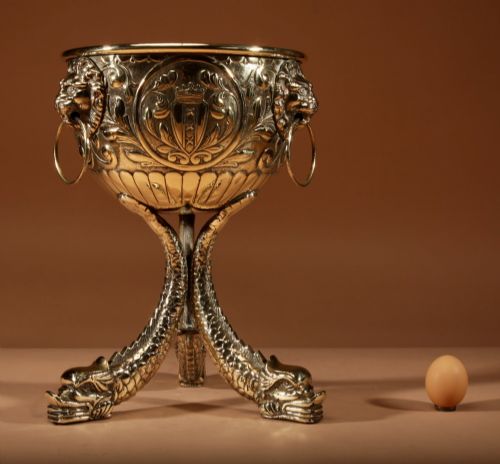


Lion Head Brass Planter
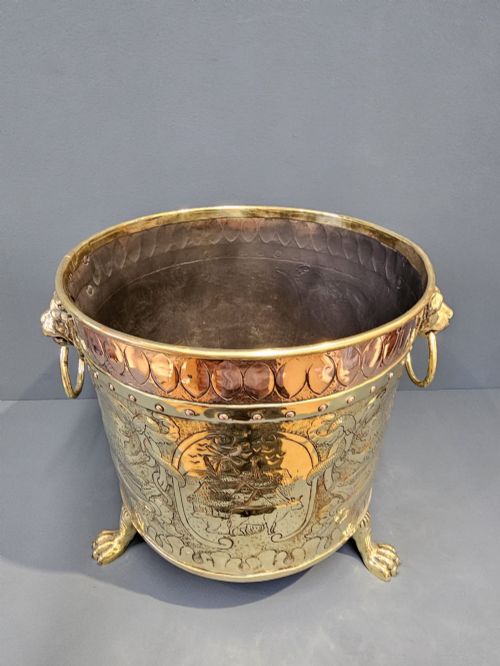
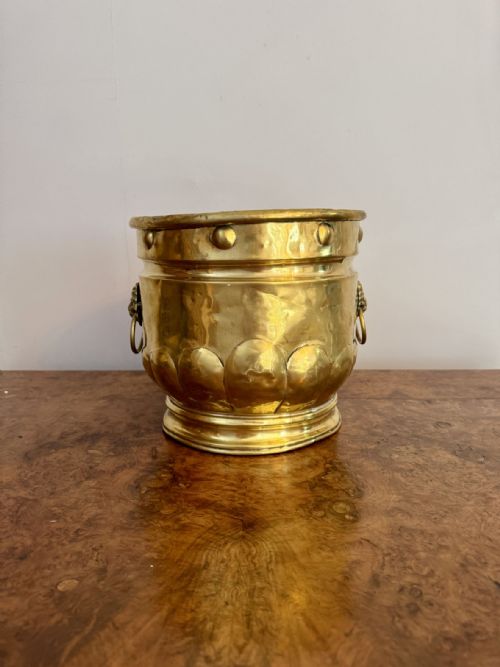
These robust lion head brass planter vessels combine utilitarian fireside storage with striking animal mask mounts.
Lion Head Brass Planter
A lion head brass planter functions as a jardiniere, log bin, or wine cooler, designed to hold plants, fuel, or bottles in domestic interiors. These vessels appear across multiple periods, including the eighteenth, nineteenth, and early twentieth centuries, reflecting diverse historical revivals.
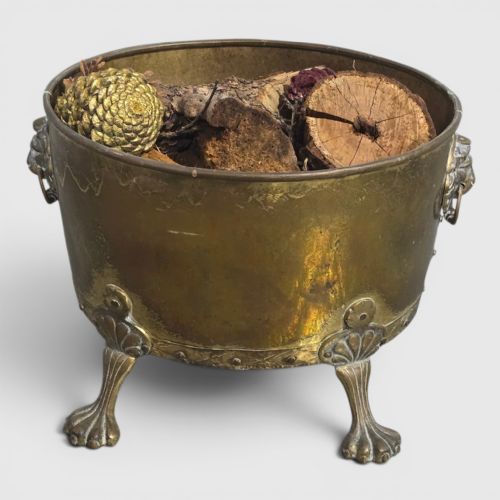
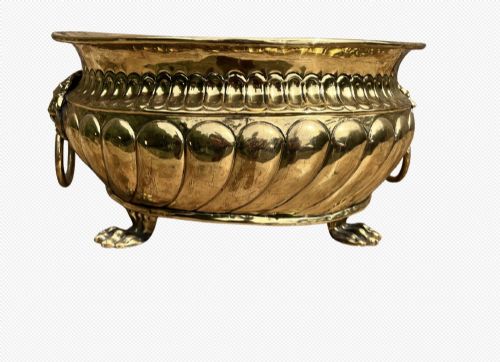
The dominant forms span large cylindrical buckets, deep cauldrons, and footed vessels equipped with cast metal ring handles held in animal mouths. Pieces emerge from English, French, and Dutch traditions, showing styles from Victorian and Gothic Revival to Renaissance and French Baroque.
Buyers encounter items classified under varied domestic headings such as jardiniere, log bin, cellarette, and fireside fuel basket. The unifying element remains the combination of heavy metal construction with distinct sculptural mask mounts.
Distinctions in craftsmanship and form
Proportion and decorative integration also separate standard utility items from finer decorative pieces. Vessels that balance heavy cast handles with well-balanced proportions and complementary materials like mahogany or ormolu represent the higher tier of production.
Listings feature items spanning the eighteenth, nineteenth, and early twentieth centuries, dominated by Victorian and Edwardian manufacturing dates.
Petrus Ramus
The Lion Head Brass Planter Glossary
- Jardiniere
- An ornamental pot or stand for holding plants or flowers. These items often sit on floors or hearths rather than tables.
- Repoussé
- A metalworking technique where the metal is hammered from the reverse side to form a raised design in relief. This method creates the textured patterns seen on many vessel bodies.
- Dinanderie
- A term for medieval and later brass or bronze wares produced in the Meuse Valley region. The designation applies to decorative and utilitarian domestic metalwork.
- Cellarette
- A lockable container used to hold bottles of wine or spirits near the dining table. Many examples double in function as planters or log bins.
- Ormolu
- Gilded bronze applications used for decorative mounts on furniture and decorative objects. The finish provides a bright golden appearance on specific French and revival pieces.
Lion Head Brass Planter: Frequently Asked Questions
What were lion head brass planters originally used for?
These versatile vessels served practical roles around the home, functioning as coal scuttles, peat bins, fireside fuel baskets, and wine coolers alongside their use as plant holders.
Households placed them in reception rooms and hearth areas where heavy utility items needed to remain decorative enough for public view.
How do I date a brass planter?
Dating relies on examining manufacturing techniques, alloy compositions, and stylistic revival cues present in the repoussé work and handles. Eighteenth-century Dutch pieces often display heavier casting and distinct patination compared to later Victorian or Edwardian revivals.
Stylistic markers such as Gothic Revival tracery or French Baroque asymmetry also provide clear chronological anchors for attribution.
Are copper and brass planters cleaned or polished?
Maintenance depends entirely on personal preference regarding historical patina versus a bright metallic shine. Many collectors prefer to leave the aged oxidation intact to preserve the depth of the repoussé detailing.
Gentle cleaning removes active dirt without stripping the dark surface tones accumulated over decades or centuries of domestic use.
How do I style a brass planter at home?
These heavy metal vessels suit hearth settings when filled with logs, kindling, or dried botanicals. They also accommodate large potted house plants or function as standalone decorative floor objects in hallways and living spaces.
The substantial lion mask handles and metallic surfaces contrast effectively against natural wood floors and stone fireplaces.