

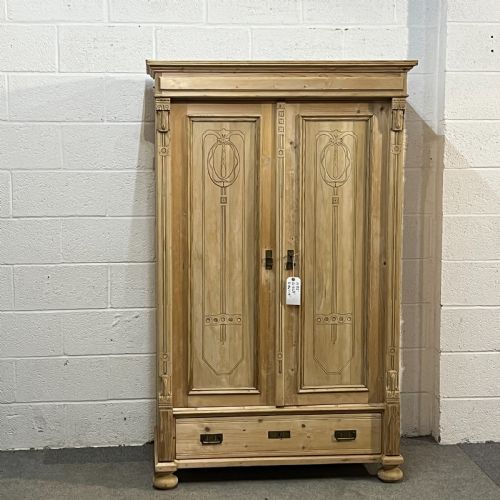


Light Wood Cupboard
A light wood cupboard offers functional storage in pale timbers like ash, pine, and birch, suiting modern rooms as well as period interiors.
Light Wood Cupboard
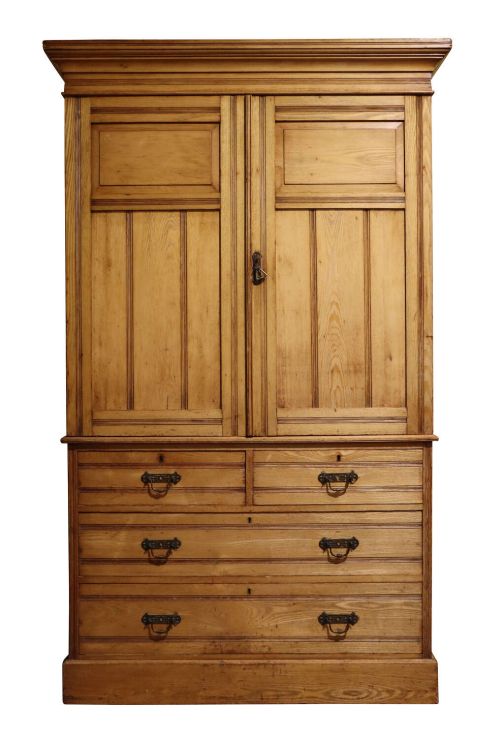
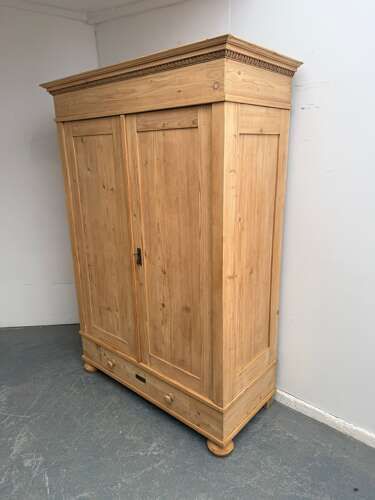
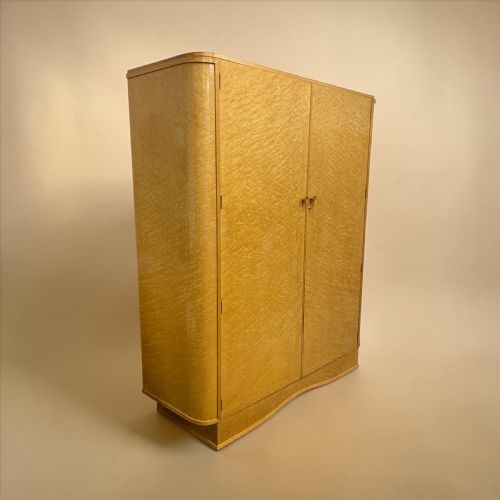
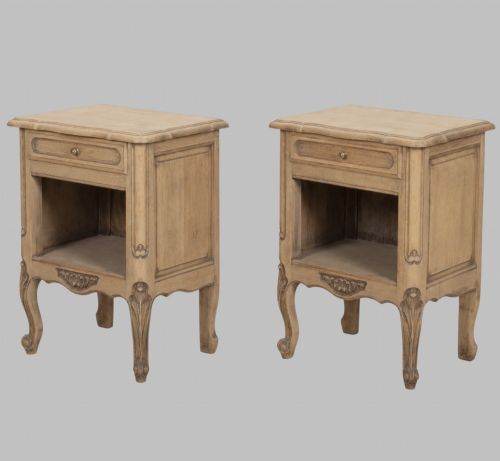
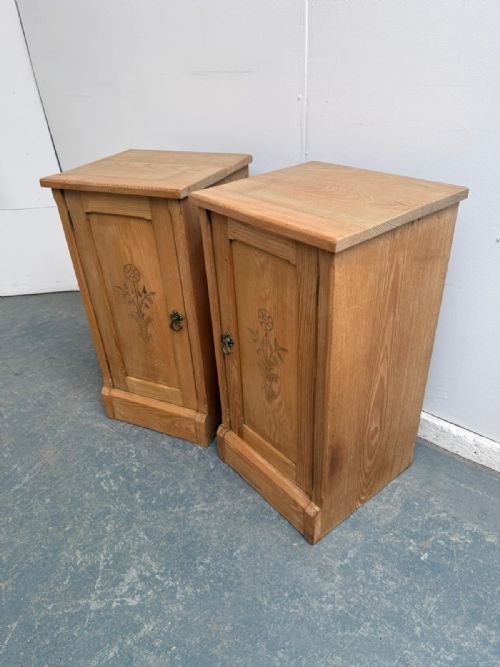
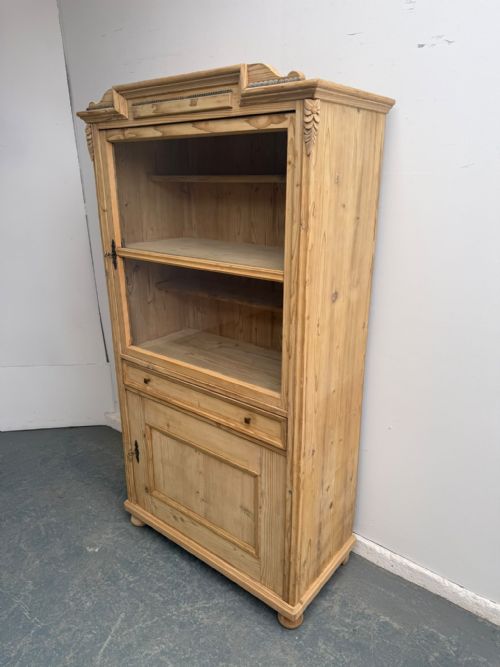
A light wood cupboard encompasses various forms of storage furniture constructed from pale timbers, ranging from compact bedside cabinets to large wardrobes and bookcases. Buyers searching for a light wood cupboard will encounter pieces spanning the nineteenth and twentieth centuries, with a strong representation of Art Deco designs and Victorian pine items.
Materials and construction
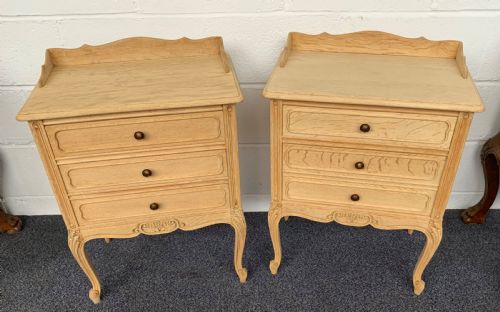
Construction relies heavily on timbers such as pine, ash, oak, and satinwood, frequently paired with brass or iron hardware. Many examples utilise bleaching techniques on oak or pine to achieve a pale, uniform tone suitable for contemporary aesthetics.
Joinery methods reflect the period of origin, from traditional nineteenth-century framing to twentieth-century veneering techniques seen on Art Deco maple and birch pieces. Surfaces are often finished with wax or paint to preserve the timber while maintaining a light colour palette.
One unexpected nineteenth-century cabinet was ingeniously constructed directly from a closed wooden bed front originating in Brittany.
Distinctions in quality
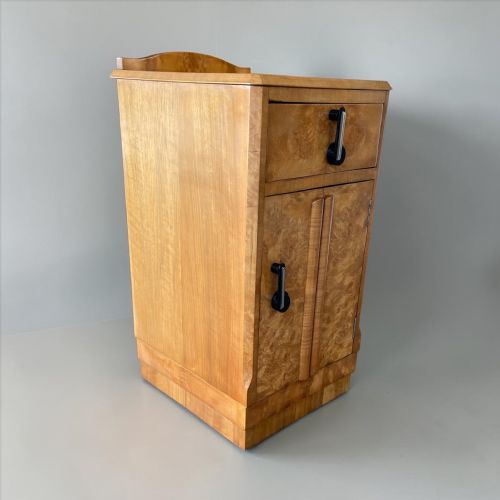
Quality rests on the selection of timber and the precision of the cabinetmaking, distinguishing standard utility furniture from pieces produced by notable makers or specialised workshops. Grain matching, particularly on veneered Art Deco items in blonde maple or birds-eye maple, marks the upper tier of production.
The integrity of the original hardware, such as brass pulls and hinges, alongside well-preserved structural joinery, elevates a piece above standard utilitarian items. Surface treatments also matter, with thoughtful bleaching or waxing preserving the natural character of the wood rather than masking it.
Maple & Co.·Betty Joel
The Light Wood Cupboard Glossary
- Ash
- A durable pale English hardwood with a pronounced grain, frequently utilised for nineteenth-century bedside cabinets and press cupboards.
- Bleached oak
- Oak treated to lighten its natural dark tone, a technique popular in French and English pieces from the early twentieth century.
- Birds-eye maple
- A figured maple variety featuring small circular markings in the grain, often employed in Art Deco wardrobes and tallboys.
- Linen press
- A tall storage piece combining sliding trays or shelves in the upper section with drawers below, traditionally used for textiles.
Light Wood Cupboard: Frequently Asked Questions
What periods do these light wood cupboards come from?
The pieces span from the eighteenth century through the Victorian era and into the Art Deco period of the 1930s. Different decades brought distinct styles, ranging from rustic country pine to sleek blonde maple.
Victorian examples often feature solid ash or pine, while 1930s pieces frequently showcase veneered finishes like satin birch or birds-eye maple.
How do I care for a waxed pine or ash surface?
Waxed timber requires occasional maintenance with a suitable furniture wax to nourish the wood and prevent it from drying out. Avoid placing these cabinets in direct sunlight or near heat sources.
Clean surfaces with a soft, dry cloth rather than wet products to preserve the finish and the natural grain.
Are bleached oak cupboards original or modern alterations?
Many bleached oak items, particularly those in French provincial or Art Deco styles, reflect period taste for lighter interiors rather than modern alterations. The process lightened heavy dark oak to suit changing decorative preferences.
Examining the interior surfaces and the depth of the patina helps determine whether the finish aligns with the age of the piece.
How can I distinguish Art Deco light wood pieces?
Art Deco cabinets typically feature clean geometric lines, symmetrical door arrangements, and blonde timbers such as maple and birch. They often dispense with elaborate carved ornamentation in favour of smooth, figured veneers.
Hardware on these pieces is frequently streamlined, utilising simple metal or contrasting wood pulls that complement the overall form.