


Light Wood Carvings
Light wood carvings combine sculptural form and organic texture, offering collectors a rich variety of figures, lamps, and decorative objects spanning multiple centuries.
Light Wood Carvings
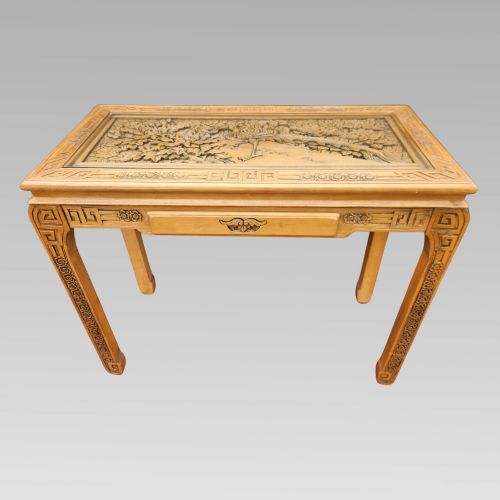
Light wood carvings encompass a diverse range of objects, including figural lamps, candlesticks, console tables, and sculptural folk art. When exploring light wood carvings, buyers encounter pieces fashioned from materials such as root wood, walnut, oak, linden, padouk, and teak.
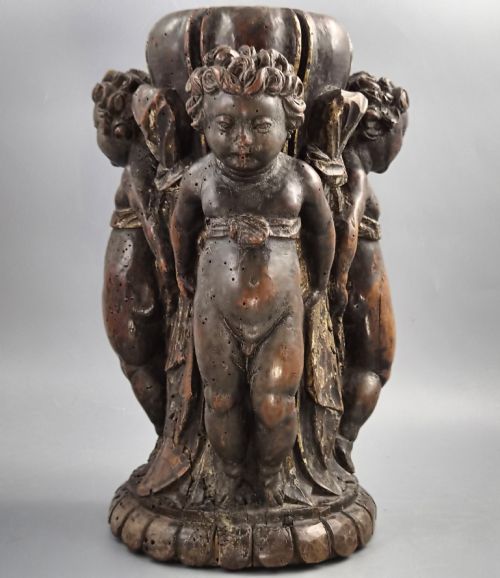
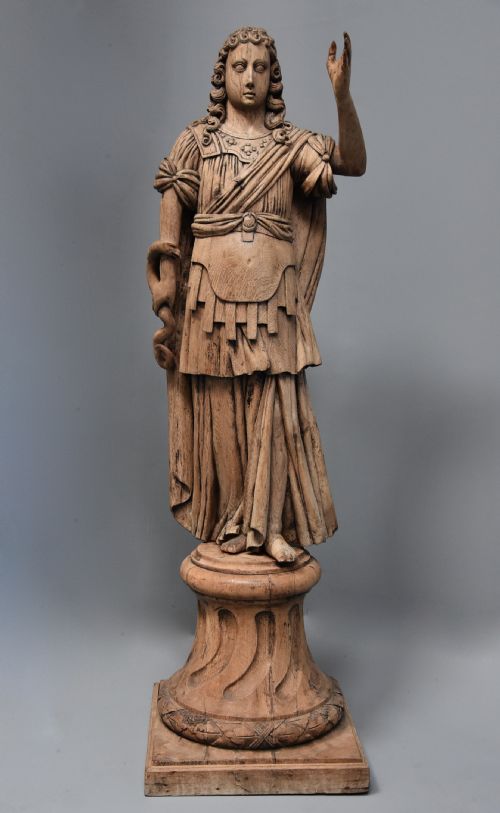
The selection ranges from early continental figures and Italian Baroque torchiere bases to Black Forest animal lamps and Chinese root wood carvings. Pieces from the nineteenth century and the early twentieth century appear frequently, alongside examples attributed to seventeenth-century and eighteenth-century periods.
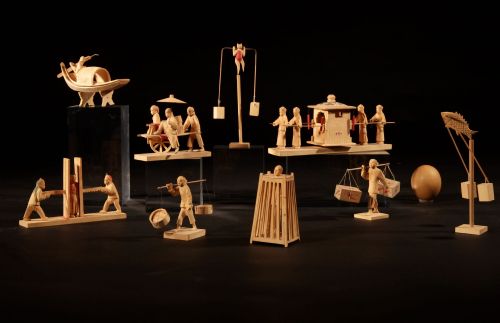
Regional styles vary widely, featuring Chinese export and folk art alongside European Black Forest, Welsh lovespoons, and Japanese root wood creations. Many of these items function as practical household objects, such as table lamps, floor lamps, and candlesticks, while others serve purely decorative roles as statues and pedestals.
How they were made
Craftsmen utilised various timbers, notably root wood, oak, walnut, and linden, shaping the natural grain of the wood through manual carving techniques. Artisans often integrated other elements such as brass, glass, metal, and fabric into functional pieces like adjustable oil lamps and torchiere bases.
Surface treatments range from natural polished timber finishes to polychrome wax-decorated details found on specific folk art objects. The construction methods reflect the traditional woodworking skills of different regions, from European Black Forest workshops to Chinese and Japanese carvers working with organic root formations.
Periods represented span from the seventeenth century through to the 1940s, with a strong concentration of nineteenth-century items.
What varies in quality
The integrity of the timber and the preservation of original surface finishes significantly influence the character of each object. Additionally, the complexity of the form - such as multi-figure groups or integrated mechanical elements in adjustable lamps - distinguishes simpler items from more ambitious works.
The Light Wood Carvings Glossary
- Root wood
- Timber sourced from the root system of a tree, prized by carvers for its gnarled, twisting grain and organic contours. This material often dictates the final sculptural form of lamps and decorative figures.
- Torchiere
- A tall decorative stand or candlestick designed to hold a light source. Baroque examples frequently feature elaborate figural supports like putti.
- Garniture
- A set of ornamental objects designed to be displayed together on a mantelpiece or sideboard. These matching sets often comprise carved animal or figural motifs.
- Lovespoon
- A traditional wooden spoon carved as a token of affection, sometimes decorated with polychrome wax. Welsh examples represent a distinct folk art tradition.
- Padouk
- A durable tropical hardwood with a distinct grain, utilised in nineteenth-century Anglo-Burmese pieces. It provides a sturdy base for carved lighting and furniture.
Light Wood Carvings: Frequently Asked Questions
What are light wood carvings used for?
These items serve both decorative and practical functions in domestic interiors. Many pieces operate as table lamps, floor lamps, or candlesticks, while others function as console tables and sculptural pedestals.
Collectors also acquire standalone figures, animals, and folk art objects simply for display. Their organic textures and varied forms allow them to integrate into diverse interior settings.
How do I identify Black Forest carvings?
Black Forest pieces typically feature naturalistic animal motifs, most notably bears, integrated into functional objects like table lamps and garnitures. These items originate from nineteenth-century and early twentieth-century European workshops.
The carving style emphasises detailed fur textures and expressive postures. Linden wood is frequently utilised in these regional creations.
What is root wood furniture and decor?
Root wood items are sculpted directly from the convoluted root structures of trees. Artisans work with the natural twists and knots of the timber to create table lamps and decorative sculptures.
This material produces unique, asymmetrical forms where no two pieces share the same grain pattern. Chinese and Japanese makers utilised this technique extensively during the nineteenth and early twentieth centuries.
How can I tell the age of a wooden carving?
Dating relies on stylistic markers, tool marks, and the specific type of timber used. Seventeenth-century and eighteenth-century pieces often display heavy oak or walnut construction with Baroque or continental vernacular influences.
Later nineteenth-century and twentieth-century items reflect shifting industrial and regional styles, such as adjustable metal fittings on Victorian lamps or distinct folk art traditions.