


Light Blue Pendant
A light blue pendant brings clear aquatic tones and delicate sparkle to the neckline through gemstones and glass.
Light Blue Pendant
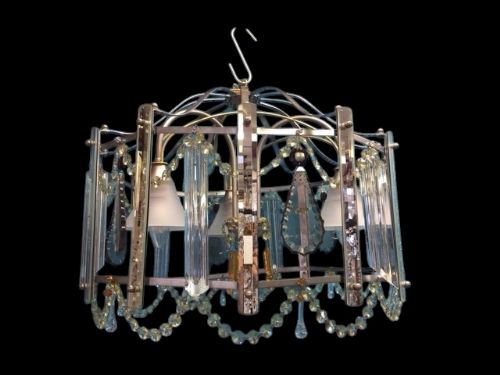
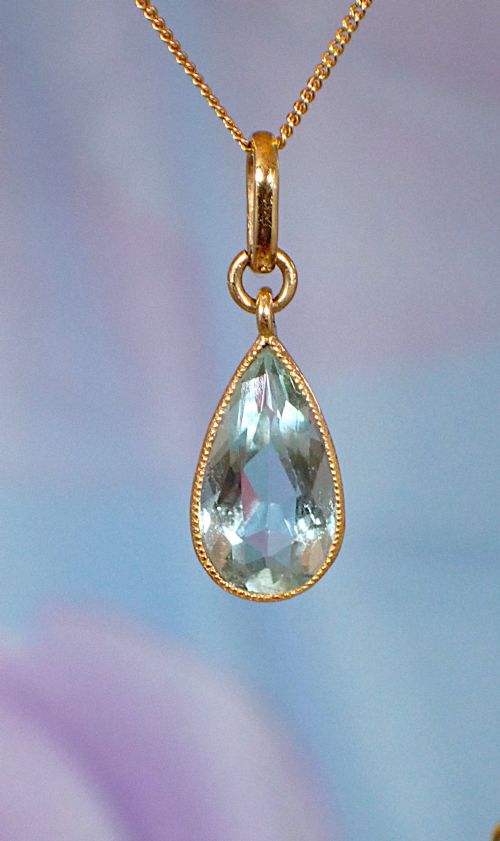
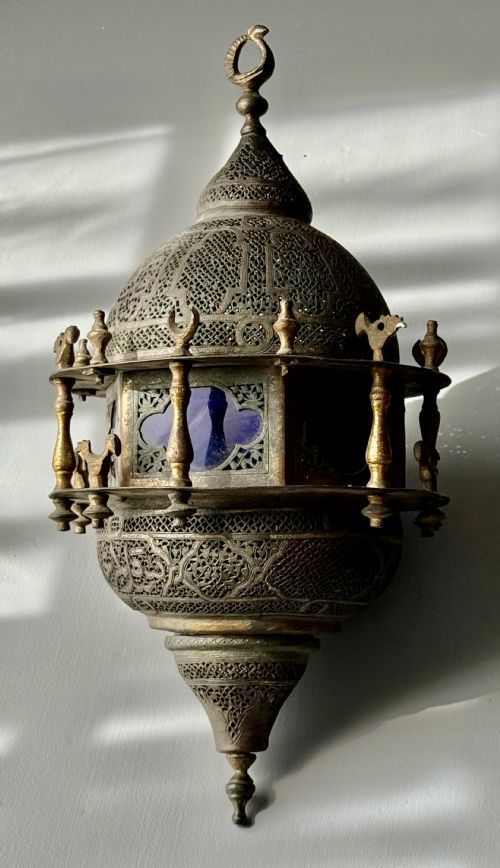
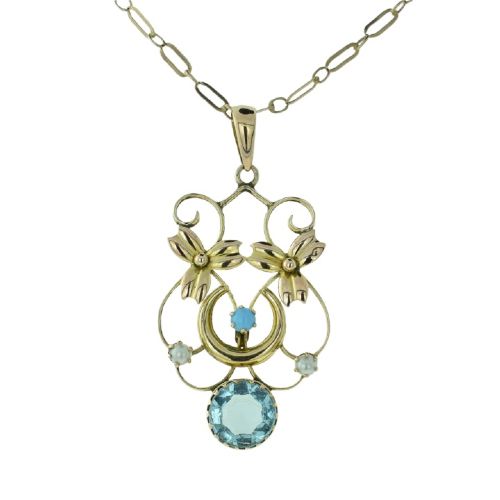
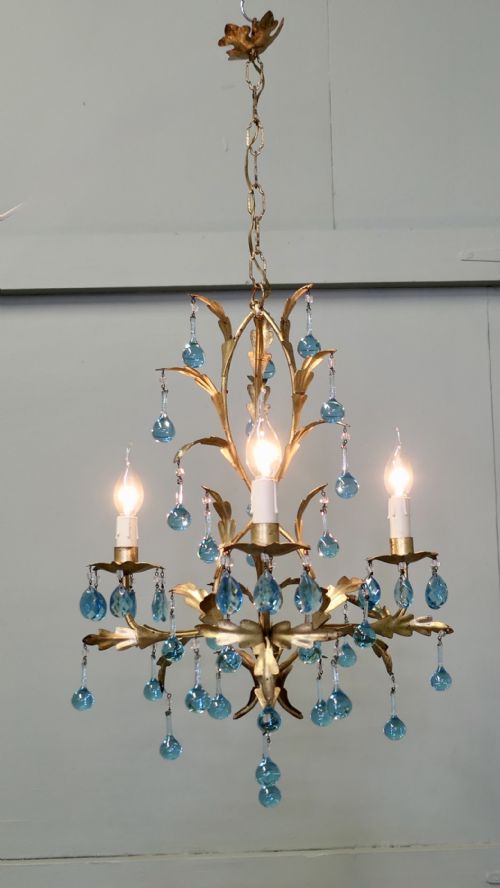
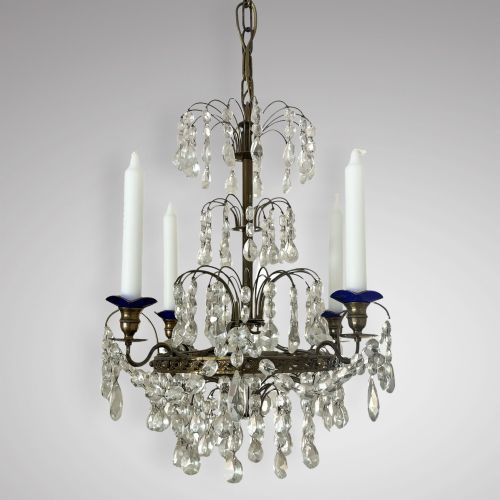
A light blue pendant typically takes the form of a delicate necklace drop or a suspended ceiling light featuring pale azure hues. When searching for a light blue pendant, buyers encounter pieces ranging from early twentieth-century gemstone drops to mid-century glass fixtures.
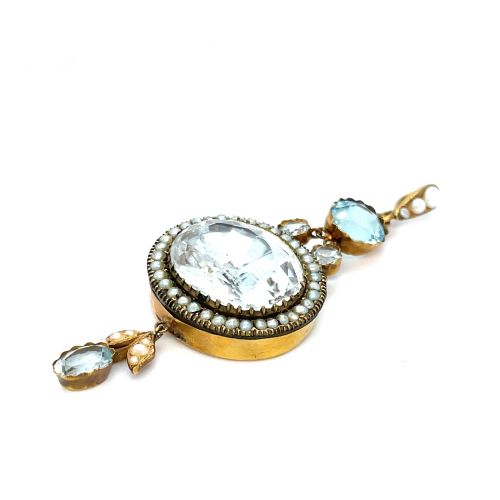
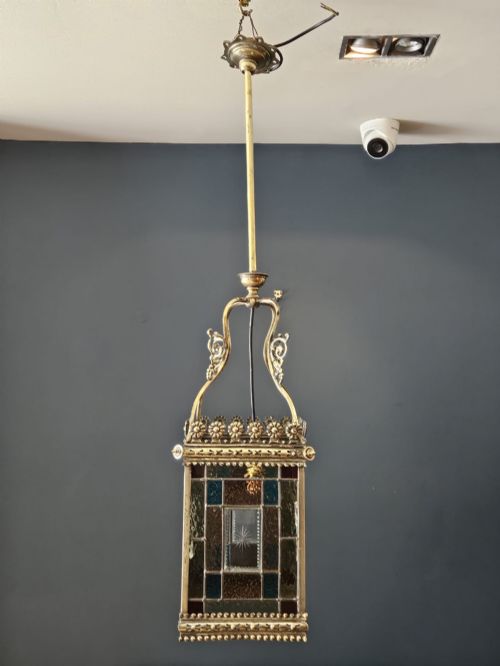
The selection includes Edwardian gold settings alongside Art Deco geometric arrangements and nineteenth-century hanging lanterns. Gemstone examples frequently feature aquamarine or blue topaz set in gold or platinum, while lighting variations utilise lead glass, crystal, and stained glass.
Dating spans from the Victorian era and the Edwardian period through to the nineteen-fifties and nineteen-sixties. Pendant necklaces and ceiling lamps dominate the forms, offering both personal adornment and interior illumination in pale blue shades.
Materials and Construction
Metals such as nine-carat and eighteen-carat gold, platinum, brass, wrought iron, and silver plating form the structural foundations of these pieces. Gemstone pendants combine precious metals with aquamarine, blue topaz, diamond, turquoise, pearl, and rock crystal.
Lighting fixtures incorporate lead glass, cut glass, crystal, cobalt glass, and toleware set into metal frames. Pierced brass work, soldered lead came, and precision stone setting demonstrate the varied craftsmanship across jewellery and hanging lamps.
The inventory combines aquamarine and blue topaz jewellery with lead glass and crystal ceiling lights spanning the Victorian era to the nineteen-sixties.
Assessing Quality and Execution
The standard of a light blue pendant rests on the clarity of the central stone or glass and the crispness of the surrounding metalwork. Superior gemstone examples display careful faceting in aquamarine or blue topaz paired with secure diamond accents and substantial gold or platinum mountings.
Lighting pieces demonstrate quality through the depth and colour saturation of the crystal, lead glass, or stained glass panels. Intricate detailing in pierced brass or wrought iron frames distinguishes finer decorative items from simpler production.
C'est Laudier·Wedgwood
The Light Blue Pendant Glossary
- Plafonnier
- A ceiling light fixture mounted flush or close to the ceiling. These often utilise frosted or coloured glass bowls.
- Toleware
- Painted or lacquered metalware used in decorative objects and lighting fixtures. It brings colour and texture to lamp frames.
- Lead glass
- Glass manufactured with lead oxide to increase brilliance and weight. It catches light effectively in period chandeliers and hanging lanterns.
Light Blue Pendant: Frequently Asked Questions
What periods do these light blue pendants come from?
The pieces span from Victorian and Edwardian times through the Art Deco era and into the mid-twentieth century. This covers both antique jewellery and vintage lighting fixtures.
Craftsmanship styles shift from ornate Edwardian floral motifs to geometric Art Deco lines and functional mid-century designs.
How do I distinguish between gemstone and glass pendants?
Gemstone pendants utilise natural minerals like aquamarine and blue topaz mounted in gold or platinum settings. Glass examples rely on lead glass, crystal, or stained glass suspended on metal chains.
Jewellery pieces sit against the skin on chains, while glass pendants function primarily as hanging lamps or ceiling light fittings.
How were hanging lanterns and glass pendants used?
Hanging lanterns and glass pendants served to illuminate hallways, dining areas, and parlours in period homes. Their coloured glass softened the light while adding decorative character to domestic interiors.
Today, they function as statement ceiling lights that preserve historical interior aesthetics.
Are these pieces made of solid gold?
Many jewellery listings feature solid nine-carat or eighteen-carat yellow and rose gold, alongside platinum and silver-plated brass. The choice of metal reflects the prevailing fashion of each specific decade.
Hallmarks and metal testing help verify the composition of the mountings.