



Lidded Porcelain Sugar Bowl
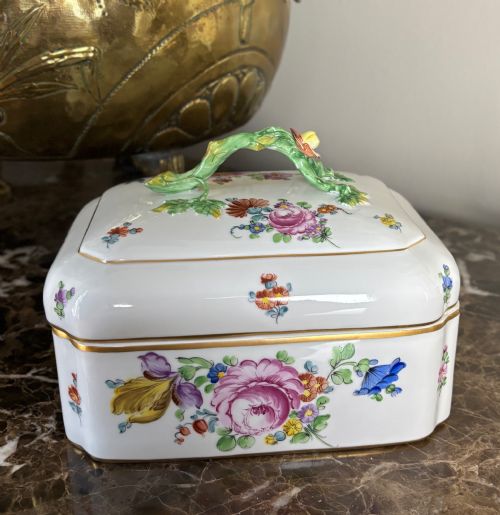
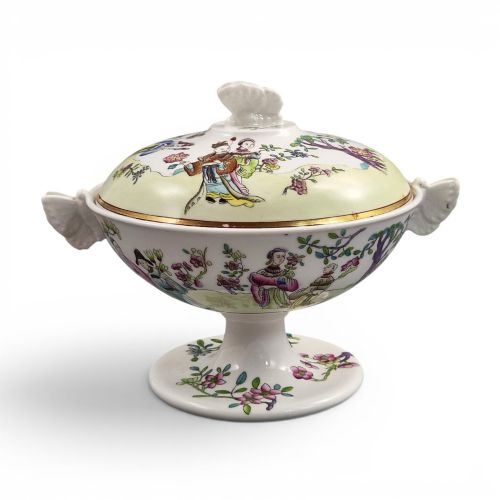
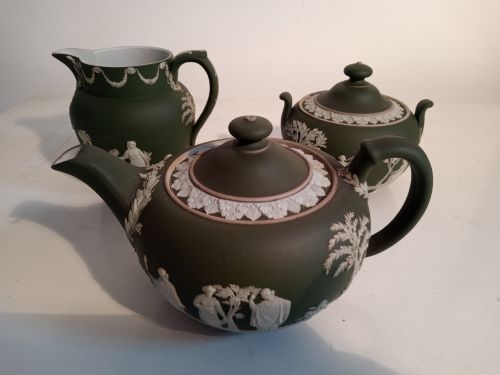
These lidded porcelain sugar bowls are refined ceramic vessels designed to hold sweeteners, spanning periods from the eighteenth century onwards in porcelain, stoneware, and jasperware.
Lidded Porcelain Sugar Bowl
When you search for lidded porcelain sugar bowl, you encounter a variety of forms including sucrose boxes, pedimented vessels, and covered bowls. These pieces originate from European and Japanese makers across the Georgian, Regency, Victorian, and Meiji eras.
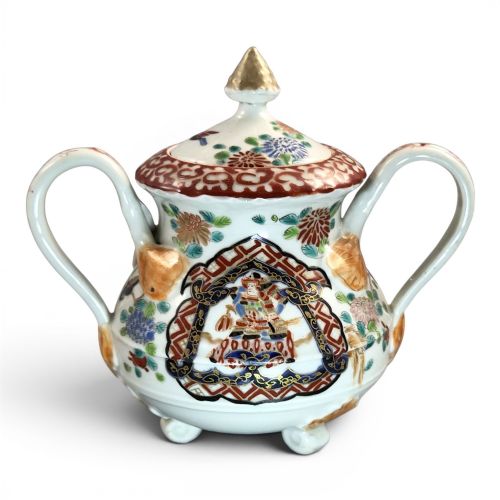
The objects on this page range from First Period Worcester blue and white sugariers to intricate Japanese Imari and Satsuma examples. They function as both decorative ceramics and practical additions to historic tea sets.
How they were made
These items are constructed primarily from porcelain, felspar porcelain, stoneware, and jasperware. Potters utilised moulding and throwing techniques to shape the bodies before applying intricate hand-painted decoration.
Finishes frequently incorporate gold leaf, gilding, and enamel work. Specific motifs and patterns, such as the Imari style or blue and white transfer printing, are fired onto the ceramic surface to create lasting colour.
Materials across these listings include traditional porcelain, felspar porcelain, stoneware, and jasperware, accented with gold leaf and enamel.
What varies in quality
Quality in these vessels rests on the crispness of the porcelain body and the precision of the hand-painted or gilt details. Pieces utilising high-grade felspar porcelain or detailed enamel work demonstrate superior manufacturing standards.
The sophistication of the form, such as butterfly handles or pedestal feet, distinguishes standard utilitarian sugar boxes from finer cabinet pieces. Maker marks and documented patterns also indicate higher atelier standing.
Spode·Wedgwood·Royal Crown Derby·Richard Ginori·Meissen·Coalport
The Lidded Porcelain Sugar Bowl Glossary
- Sucrier
- A French term for a sugar bowl or sugar box with a matching lid, commonly used in tea set terminology.
- Felspar porcelain
- A dense ceramic material developed in the nineteenth century, known for its durability and bright white body.
- Imari
- A style of Japanese porcelain decorated in underglaze blue, iron red, and gold, highly influential in Europe.
- Jasperware
- A type of durable stoneware pioneered by Wedgwood, typically featuring white raised reliefs against a coloured matte background.
- Bonbonniere
- A small decorative lidded container originally intended for holding sweets or confectionery.
Lidded Porcelain Sugar Bowl: Frequently Asked Questions
What is a sucrier?
A sucrier is simply the traditional term for a lidded sugar bowl, frequently encountered in antique tea service descriptions. It designates a covered vessel designed specifically to hold loose sugar on the dining table.
These pieces often match larger tea sets or appear as individual decorative items. They range from simple domesticware to highly ornamented display items.
How do I date a sugar bowl?
Dating relies on identifying maker marks, potting materials, and stylistic cues such as Regency or Rococo Revival shaping. Examining the base and the character of the glaze offers further clues to the decade of manufacture.
Different potteries used specific transfer-printed or hand-painted ciphers that changed over time. Comparing the decorative pattern to known factory archives confirms the period.
Are these bowls safe for sugar?
While these historic ceramics were built for domestic dining use, many collectors choose to treat them as display objects rather than daily utility items. Age can render the historic glaze and gilding sensitive to modern cleaning methods and food acids.
Displaying them in cabinets or on sideboards preserves their surface decoration. If utilised, gentle hand washing without harsh detergents is essential.
What distinguishes Japanese export pieces?
Japanese export sugar bowls from the nineteenth century often feature distinct regional aesthetics such as Satsuma earthenware or Imari porcelain palettes. These items frequently incorporate hand-painted samurai figures, intricate brocade patterns, and artist signatures.
Studio marks on the underside connect these bowls to specific Kyoto workshops or makers of the Meiji period. Their distinctive motifs set them apart from contemporary European porcelain.