




Antique English Tea Ware
Antique English tea ware brings together centuries of porcelain, earthenware, timber, and metal made for preparing and serving tea.
Antique English Tea Ware
Antique English tea ware comprises vessels and containers created across the eighteenth and nineteenth centuries for the domestic ritual of tea. The selection centres on tea caddies, teapots, sugar boxes, creamers, cups, and canisters spanning Georgian, Regency, and Victorian periods.
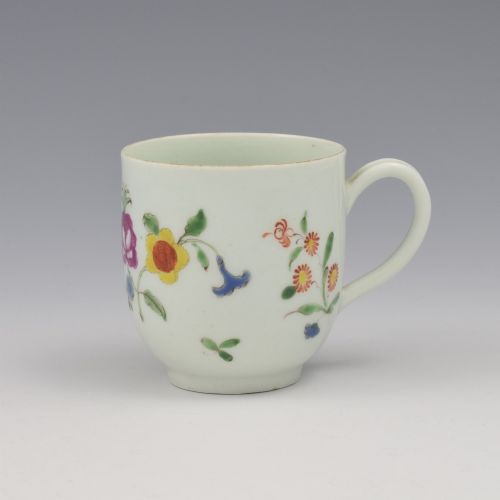
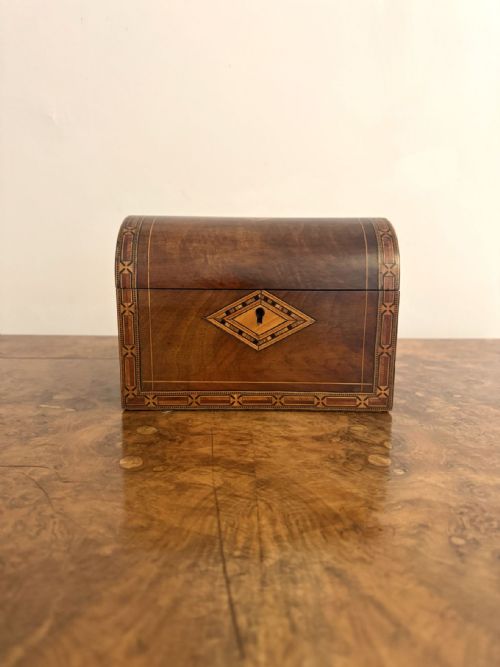
Buyers frequently encounter wooden tea caddies featuring Tunbridge mosaic work alongside ceramic teapots and porcelain sugar basins. These items originate from workshops and potteries across England, representing diverse regional manufacturing traditions.
The objects range from utilitarian tin toled storage canisters to finely potted porcelain coffee cups intended for formal drawing-room display. Each piece reflects the evolving social habits and material culture of English tea consumption.
Materials and construction methods
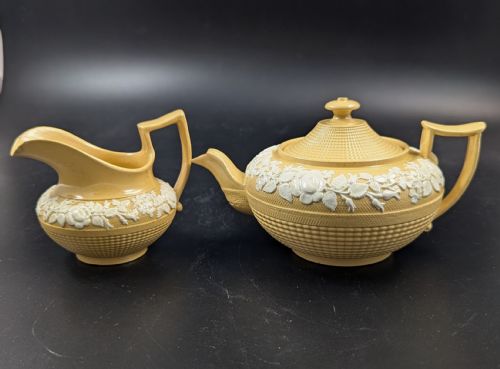
Ceramic pieces utilise bodies such as porcelain, creamware, pearlware, and earthenware, shaped by throwing or moulding before being painted or transfer-printed. Cobalt blue decoration and polychrome enamels frequently adorn these glazed vessels.
Wooden caddies employ structural timbers like walnut and rosewood, embellished with intricate Tunbridge ware mosaic veneers constructed from tiny blocks of dyed and natural woods. Brass hinges, locks, and stringing often complete the cabinetry.
Metal items rely on copper, brass, and painted toleware, sometimes stamped by makers or retailers to indicate commercial origin. These sheet iron and alloy containers protect dry leaves from light and moisture.
Victorian tea caddies occasionally hide secret compartments operated by concealed wooden spring latches.
Distinctions in quality and execution
Quality rests upon the precision of the manufacturing technique, whether in the microscopic exactness of wooden mosaic tesserae or the crispness of porcelain potting and underglaze painting. Earlier wares often exhibit hand-painted delicacy, whereas later pieces demonstrate industrial specialisation.
Material selection dictates durability and visual depth, distinguishing dense hardwoods and fine translucent porcelain from simpler earthenware bodies and base metals. Intact original interiors in caddies, complete with mixing bowls and foil linings, elevate a piece.
Design ambition separates standard domestic items from exhibition-standard works produced by renowned makers and specialised manufactories. The survival of crisp surface decoration and original hardware preserves the intended aesthetic impact.
Richard Chaffers·Henry Hollamby·Copeland Spode·Ridgway·Wedgwood·Parnall and Sons
The Antique English Tea Ware Glossary
- Tunbridge Ware
- A type of decorative woodwork originating from Kent, characterised by surface mosaics built from thousands of tiny wood blocks forming geometric or pictorial designs. This technique reached its peak during the Victorian era on caddy boxes.
- Sucrier
- A covered sugar bowl or basin designed to hold loose sugar for the tea service. These often match contemporary teapots and cup sets.
- Toleware
- Japanned or painted sheet metal items, commonly tinplate, used for storage canisters and domestic vessels. The surface finish mimics Asian lacquerware through layered varnishes.
- Creamware
- A refined earthenware developed in Yorkshire and Staffordshire during the eighteenth century, noted for its pale yellowish cream glaze. It provided an affordable alternative to imported porcelain.
- Pearlware
- An improved earthenware body introduced in the late eighteenth century featuring a subtle bluish glaze that made the ceramic appear whiter than standard creamware. It frequently carried blue printed decoration.
Antique English Tea Ware: Frequently Asked Questions
How do I date an old tea caddy?
Dating relies on timber choices, construction methods, and hardware styles. Early pieces utilise simpler box forms with mahogany or walnut, while later Victorian examples frequently incorporate complex Tunbridge mosaic veneers.
Interior compartments, lock plates, and escutcheons offer further chronological clues. Hand-cut dovetails and older paper linings generally indicate eighteenth or early nineteenth-century origins.
Were toleware canisters used for tea?
Painted metal toleware canisters served specifically for storing dry tea leaves safely away from air and moisture. Their airtight lids and opaque walls protected the expensive leaves from degradation.
Many bear period trade labels or stamps indicating use by grocers and merchants. They formed part of larger sets designed to sit on mahogany tea tables or inside fitted caddies.
What is the difference between creamware and pearlware?
Creamware possesses a warm, buttery yellow glaze developed by potters to compete with porcelain. Pearlware, introduced slightly later, contains a small amount of cobalt in the glaze to create a brighter, whiter appearance.
Pearlware often displays underglaze blue transfer printing typical of the Regency period. Creamware bodies tend to be slightly heavier and date predominantly to the Georgian era.
Can I use antique porcelain cups?
Eighteenth and nineteenth-century porcelain cups are delicate and subject to thermal shock from boiling water. Hairline cracks or historical repairs can worsen with modern daily use.
Collectors generally treat these fragile pieces as display items or decorative objects rather than functional tableware. Hand washing in lukewarm water is essential if handling them.