


Liberty Oak Furniture
Liberty oak furniture brings the sturdy practicality and distinctive craftsmanship of the Arts and Crafts movement directly into daily living spaces.
Liberty Oak Furniture
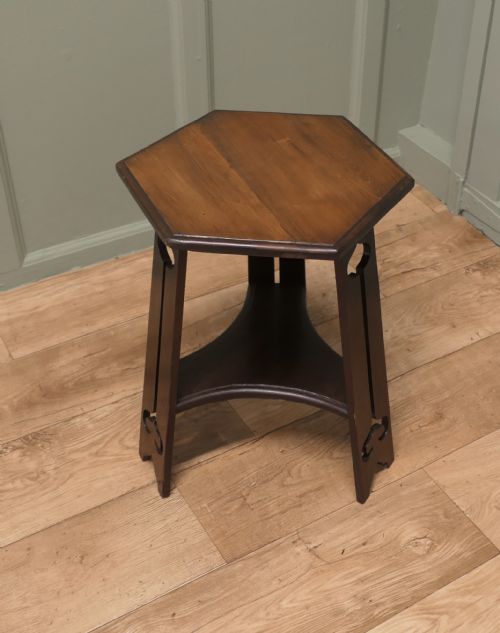
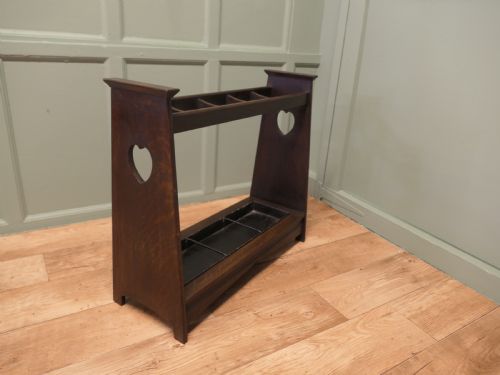
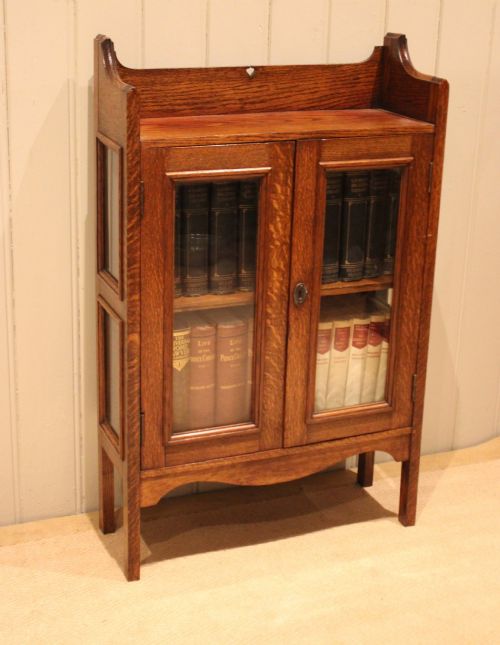
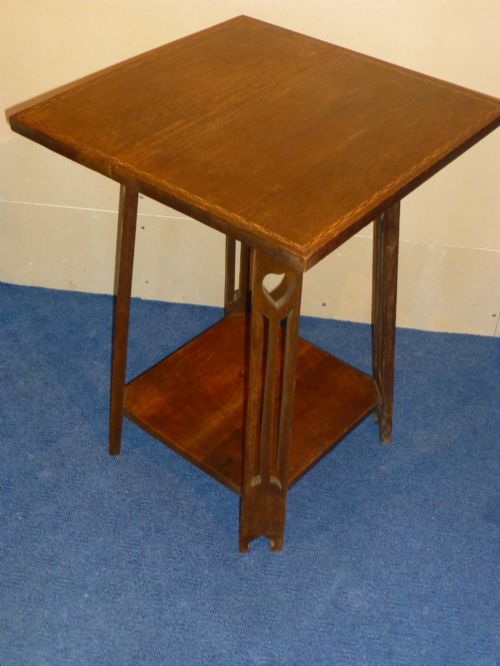
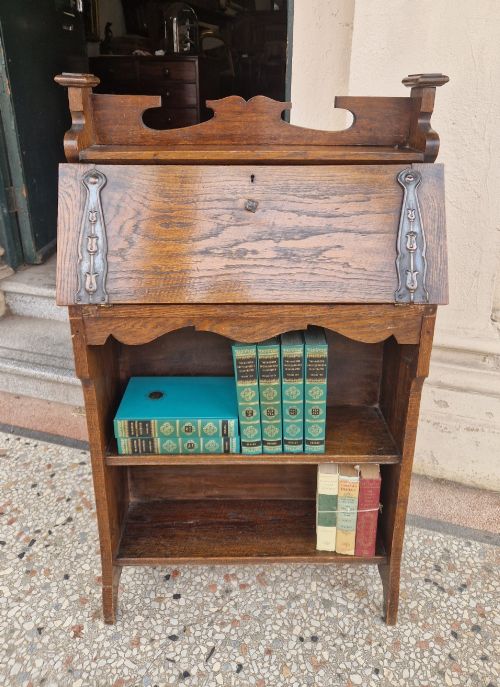
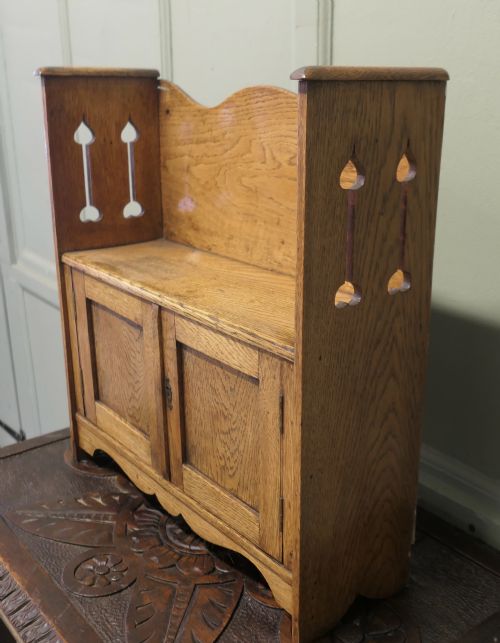
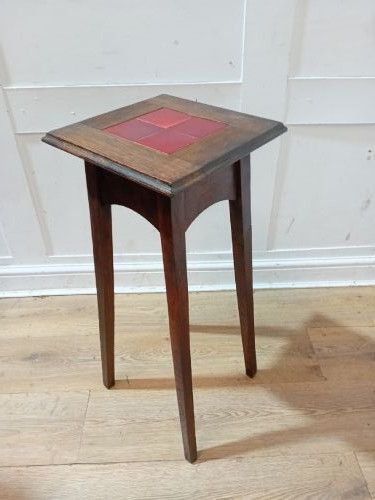
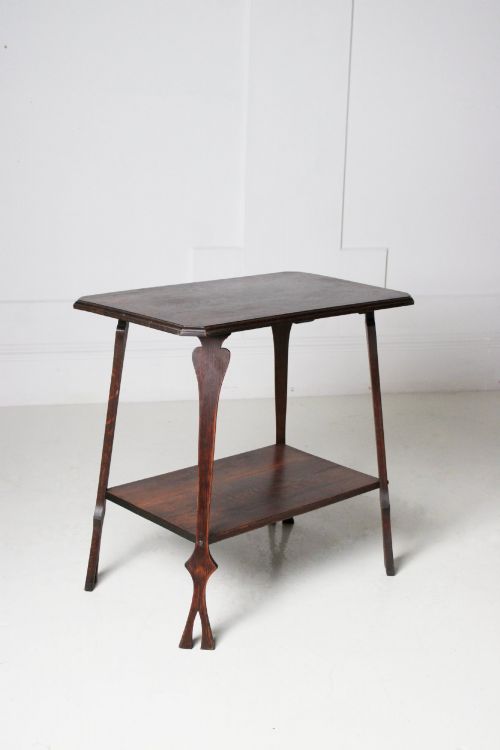
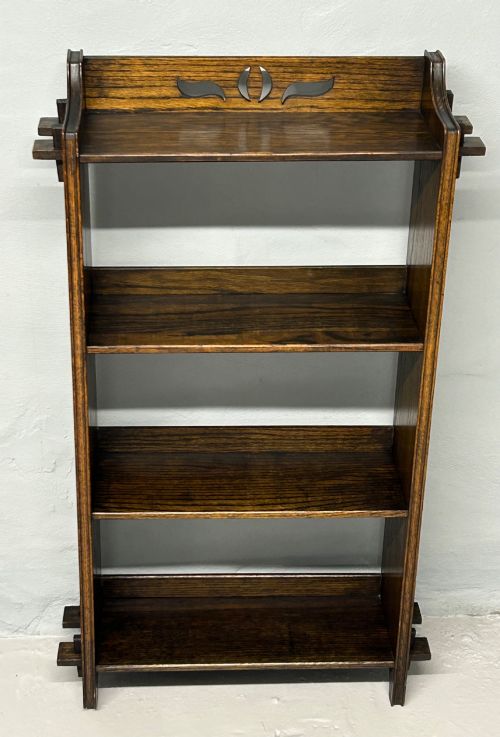
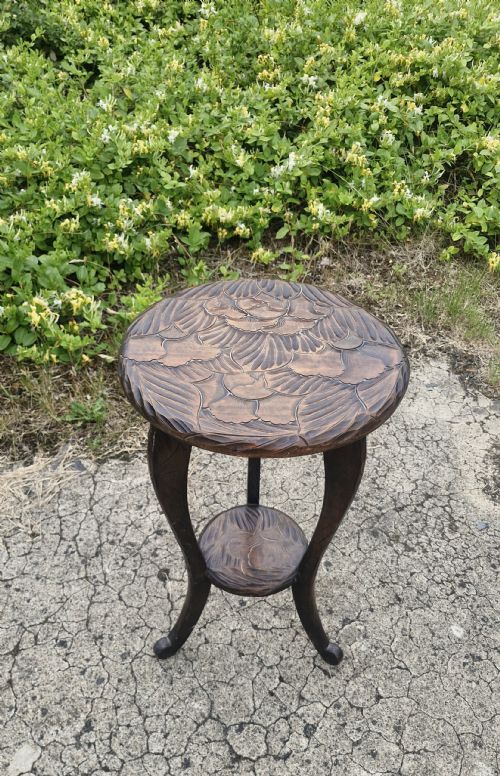
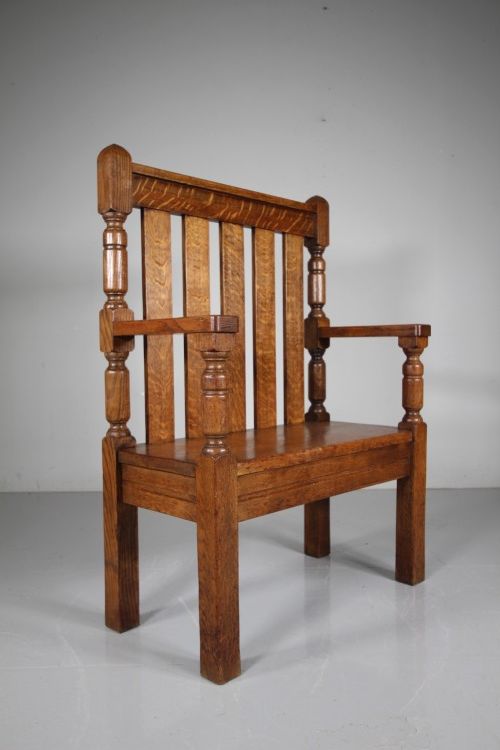
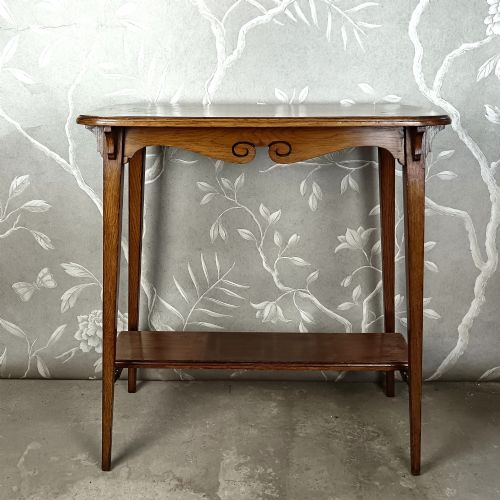
Liberty oak furniture encompasses a wide array of domestic items produced during the late nineteenth and early twentieth centuries, spanning periods from Victorian and Edwardian eras to the 1920s. Buyers searching for liberty oak furniture encounter utilitarian forms such as side tables, occasional tables, bookcases, dressers, sideboards, and armchairs.
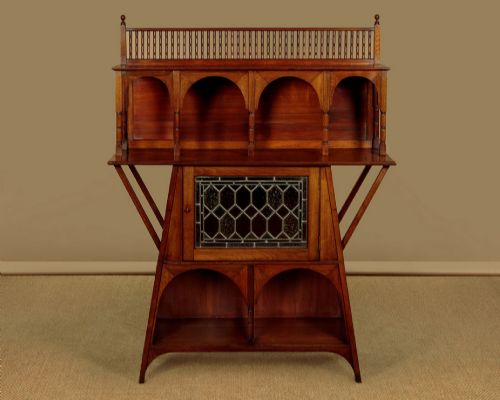
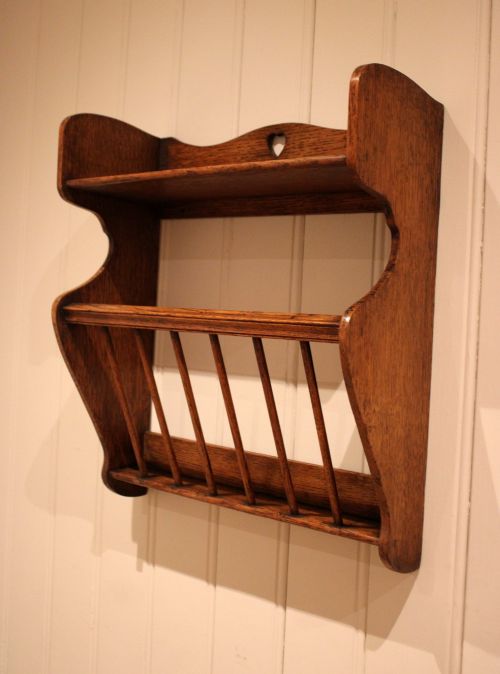
The aesthetic bridges traditional craftsmanship with modern design principles, often incorporating styles associated with the Arts and Crafts movement alongside occasional Moorish Revival influences. Pieces range from simple plant stands and wall shelves to substantial sideboards, hall benches, and bureau bookcases.
Many examples directly reflect the output of Liberty and Co., sometimes attributed to specific designers like Leonard Wyburd or makers such as William Birch. Construction typically emphasises solid timber form, sometimes enhanced with rush seating, copper, brass, or subtle chequered inlay.
Distinguishing quality in the pieces
Quality rests upon the integrity of the timber selection, the depth of carving, and the sophistication of the design execution. Pieces designed by named figures or produced in collaboration with established workshops tend to exhibit superior proportion and finer detailing.
The presence of integrated mixed media, such as hand-beaten copper inserts, inlaid chequered banding, or original rush work, elevates a piece above standard utility items. Structural honesty, balanced proportions, and the survival of original patination separate ordinary production from exemplary works.
The listings span the Victorian, Edwardian, and 1920s periods, predominantly featuring oak alongside copper, brass, and rush materials.
Liberty and Co·William Birch·Leonard Wyburd·Gillow·Morris and Co·Shapland and Petter
The Liberty Oak Furniture Glossary
- Arts and Crafts
- A design movement promoting handcraftsmanship, simple forms, and traditional styles over mass production. It heavily influences the construction and decorative approach of these items.
- Rush Seat
- A seat woven from dried marsh grass twisted into cords, frequently utilised in ladder back chairs and low armchairs. This technique provides a durable and textured seating surface.
- Occasional Table
- A small, movable table designed for a specific, transient use within a room, such as a plant stand or lamp table. These items form a substantial category of the available pieces.
- Moorish Revival
- An architectural and decorative style incorporating geometric patterns and arches inspired by Islamic architecture. It appears in specific cabinets, overmantels, and seating options.
- Bureaux
- Writing cabinets featuring a sloping flap that opens to reveal a fitted interior with compartments and pigeonholes. They combine storage with a compact writing surface.
Liberty Oak Furniture: Frequently Asked Questions
What defines Liberty oak furniture?
These pieces combine solid oak construction with the simple, functional aesthetics of the Arts and Crafts movement. They often feature honest joinery and thoughtful details like copper or rush.
Items range from practical storage furniture like bookcases and sideboards to smaller occasional tables and chairs.
How do I identify a Liberty piece?
Look for characteristic design elements such as clean lines, exposed pegged joints, and occasional Moorish or Glasgow School influences. Documentation or attribution to designers like Leonard Wyburd also helps confirm origin.
Many examples reflect the retail style of the London store through distinctive catalogued forms or specific hardware.
Where were these pieces used?
They were designed for domestic interiors, fitting comfortably into libraries, halls, drawing rooms, and dining spaces. Their robust nature made them ideal for everyday household use.
Smaller items like plant stands and wall cabinets served to decorate specific corners and display ornamental objects.
How should I care for oak furniture?
Keep the timber away from direct heat sources and sudden humidity changes to prevent splitting. Regular dusting with a soft, dry cloth preserves the natural finish and patination.
Avoid harsh chemical polishes, opting instead for traditional beeswax applied sparingly when the wood appears dry.