
Leather Travelling Case
When you search for a leather travelling case, you encounter robust trunks, fitted vanity boxes and compact instrument holders built for transit across centuries.
Leather Travelling Case
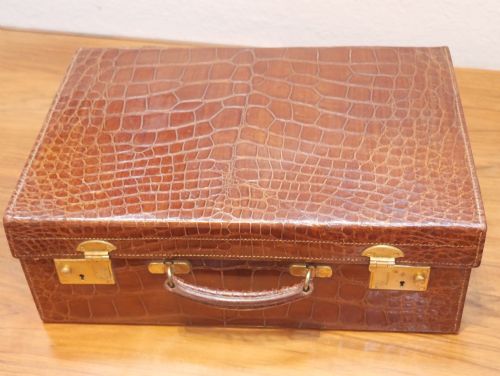
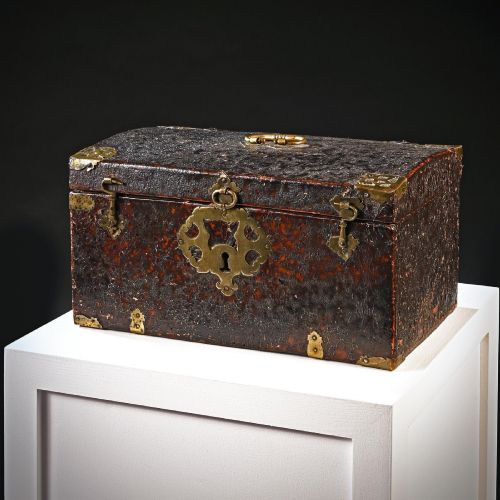
A leather travelling case encompasses everything from large Victorian trunks and Edwardian suitcases to small leather-bound containers for instruments, clocks, and bottles. The selection spans the seventeenth century through the Art Deco era, capturing shifts in transit and personal luggage.
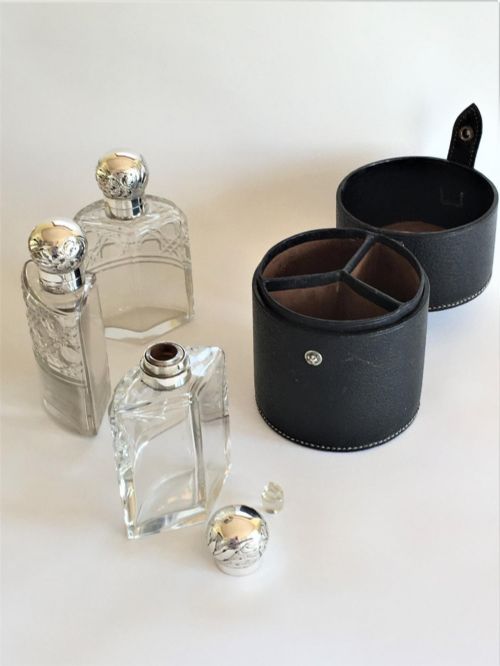
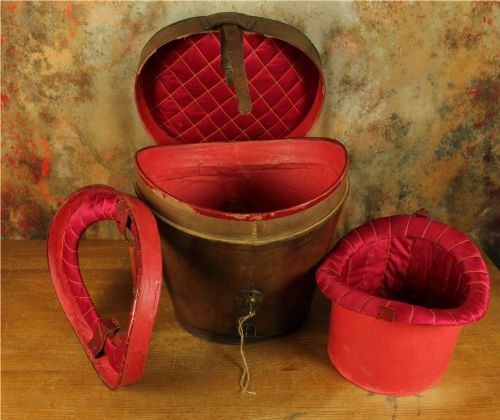
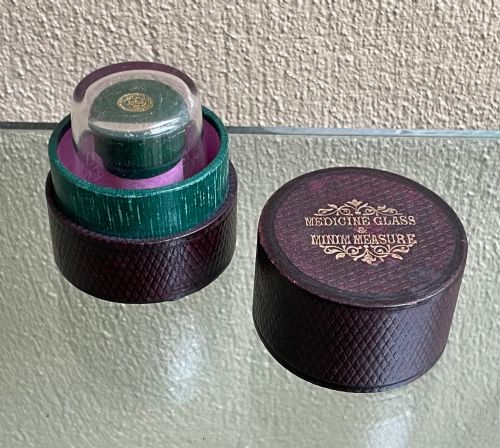
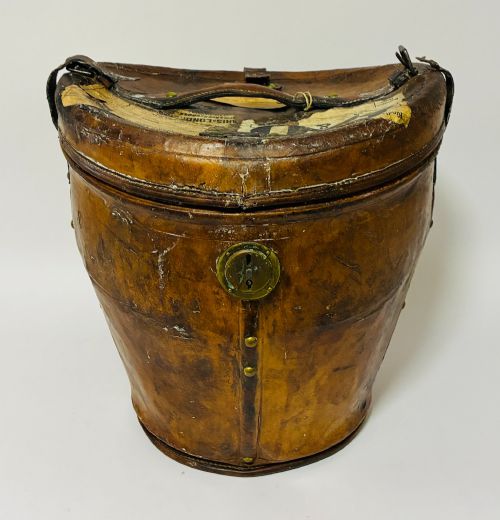
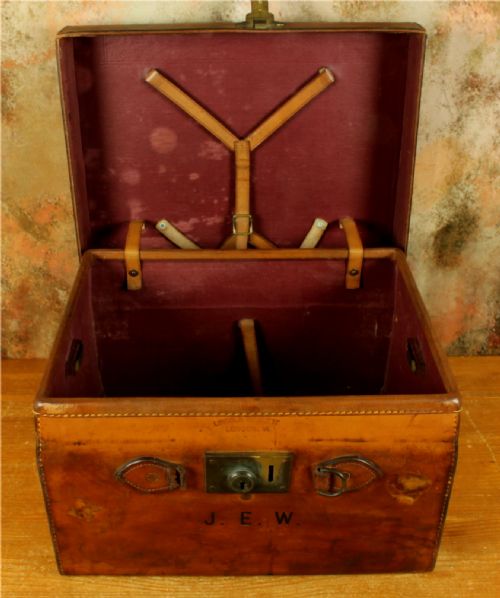
The form frequently reflects its specific contents, yielding hat boxes, apothecary cases, spirit sets, and writing boxes. Many survive from the Victorian and Edwardian periods, constructed to endure long journeys by rail and carriage.
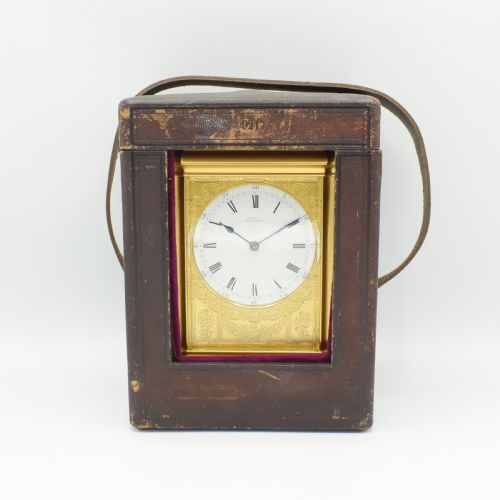
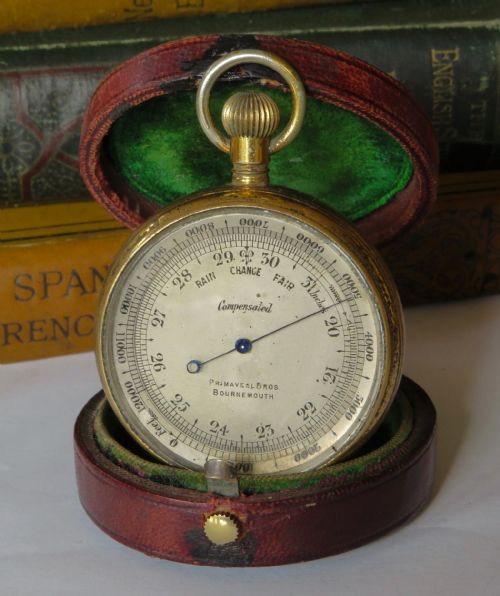
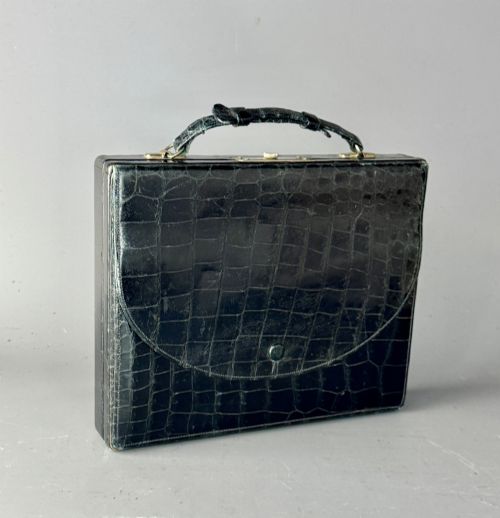
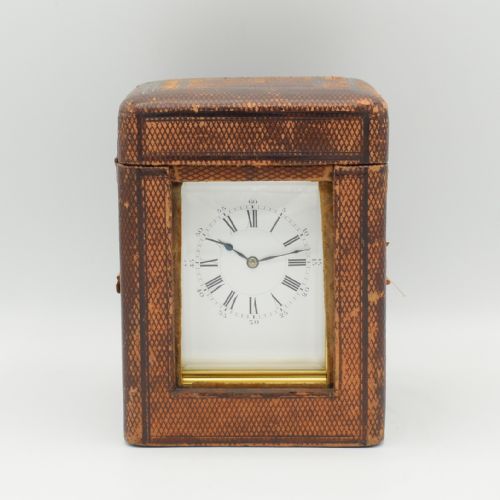
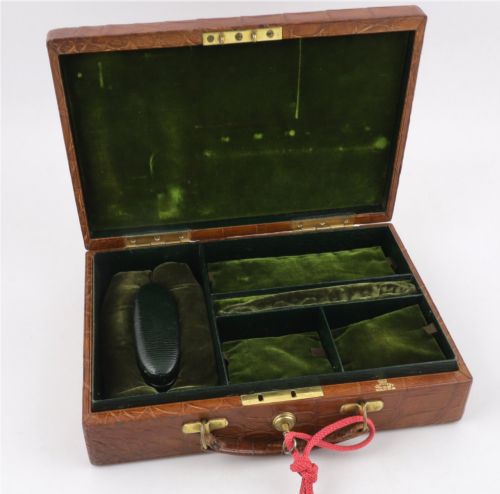
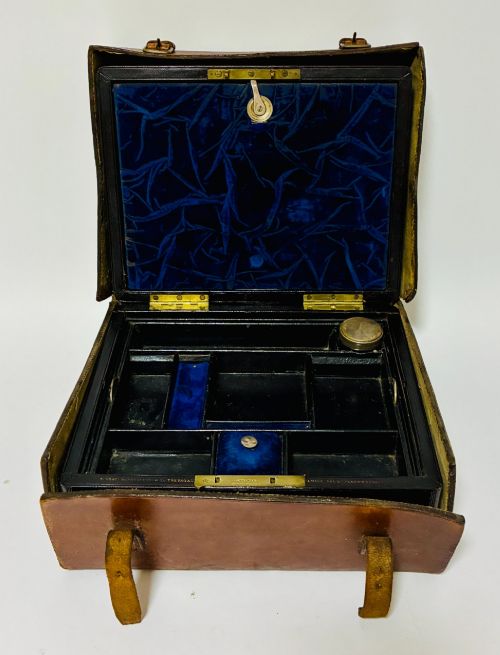
Examples range from utilitarian officers' trunks to luxurious vanity boxes lined with velvet and fitted with silver-plated accessories. The category also includes specialised items like carriage clock travel cases and barometer holders.
How they were made
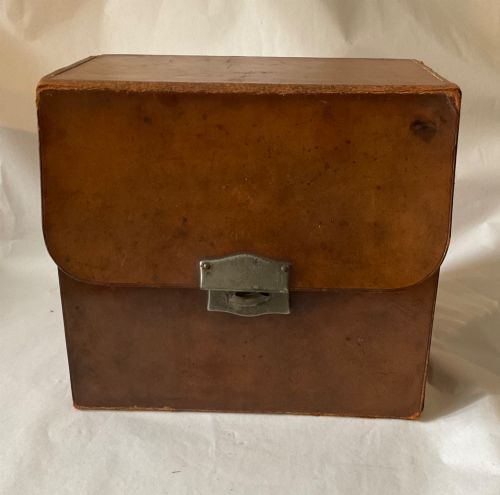
Construction relies heavily on thick hide or leather bound over wooden or canvas carcasses, secured with brass locks, studs, and reinforced corners. Artisans utilised durable stitching to ensure the exteriors could withstand the rigours of travel.
Interiors often feature fitted compartments lined in velvet, silk, or wood, designed to hold delicate items securely in transit. Glass, silver plate, enamel, and brass elements are frequently integrated into these custom internal layouts.
Listings feature items spanning the 17th century through the Art Deco period, utilising brass, glass, wood, and velvet.
What varies in quality
Quality reveals itself in the integrity of the leather hides, the weight and finish of the brass hardware, and the complexity of the fitted interior. Finer items exhibit precise stitching, robust locking mechanisms, and high-grade internal materials like velvet or solid wood.
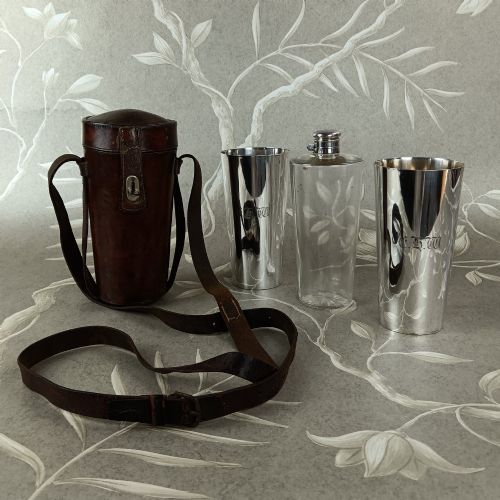
The presence of original accessories, such as matching glass flasks, silver-plated instruments, or fitted writing implements, distinguishes standard utility luggage from high-end bespoke pieces made for affluent travellers.
Henri Jacot·J C Vickery·James Dixon And Sons·Lincoln Bennett·Dunhill London·Chapple And Sons·Drew And Sons·Troughton And Simms·Alexander Adie And Son·Dollond Of London
The Leather Travelling Case Glossary
- Campaign case
- A portable chest or box designed for military officers or travellers, typically featuring recessed brass handles and reinforced corners. These pieces were built for durability during active service and field deployment.
- Vanity case
- A fitted container for cosmetics, grooming tools, and personal accessories. Interiors often include mirrors, glass bottles, and compartments lined in velvet or silk.
- Apothecary case
- A specialised box housing medical bottles, scales, or remedies for use on journeys. They feature secure internal dividers to protect fragile glass vessels.
- Carriage clock case
- A protective outer container, often leather-bound, designed to house a portable clock during travel. These cases protected delicate brass and glass timepieces from shock.
- Portmanteau
- A large trunk or suitcase typically made of leather, opening into two equal compartments. It represents standard luggage for long-distance journeys in the nineteenth and early twentieth centuries.
Leather Travelling Case: Frequently Asked Questions
What did people carry in these cases?
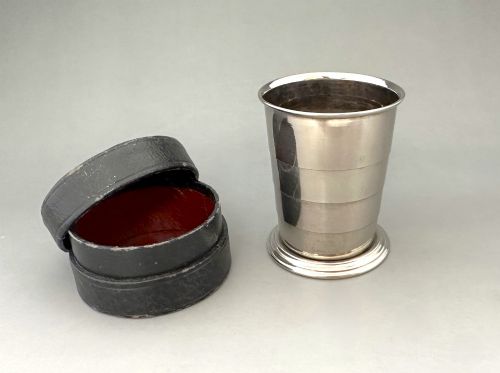
Travellers packed a wide array of personal effects depending on the purpose of the journey, including top hats, writing materials, grooming equipment, and alcoholic beverages.
Specialised versions held scientific instruments like barometers and thermometers, or delicate timepieces such as carriage clocks.
How do I date a leather case?
Dating relies on stylistic clues, construction methods, and materials, ranging from seventeenth-century brass-studded boxes to Art Deco chrome-plated travel clocks.
Makers' marks, locks stamped with royal ciphers, and associated travel labels also help establish the chronological period.
Are original interiors common?
Many surviving pieces retain their original fitted interiors, including velvet linings, glass bottles, and silver-plated accessories.
Originality adds significant interest for collectors, as custom layouts reveal how specific items were transported.
How should I clean antique leather?
Leather maintenance requires gentle handling to preserve the aged surface, original colour, and historical patina.
Harsh chemical cleaners should be avoided in favour of specialist conservation waxes recommended for historic hides.