

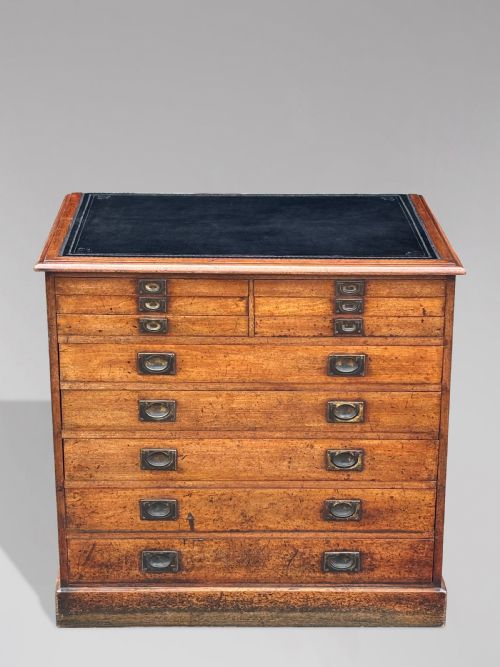

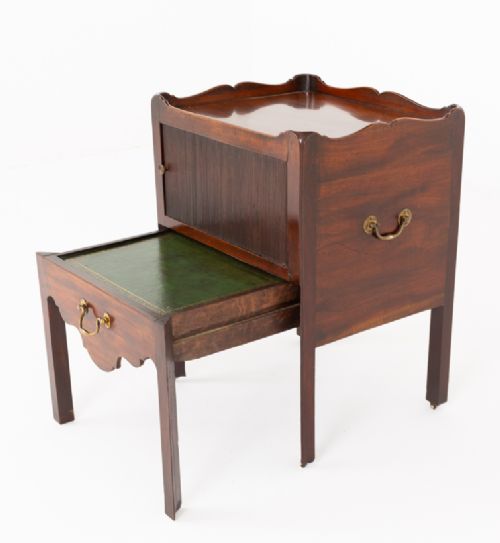
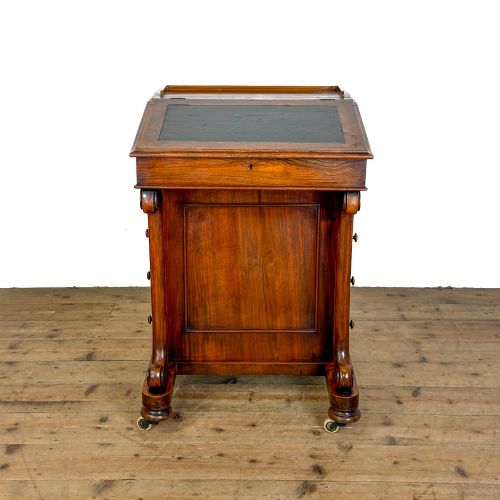
Leather Top Cabinets
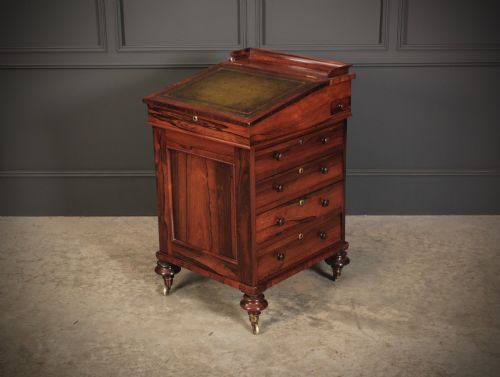
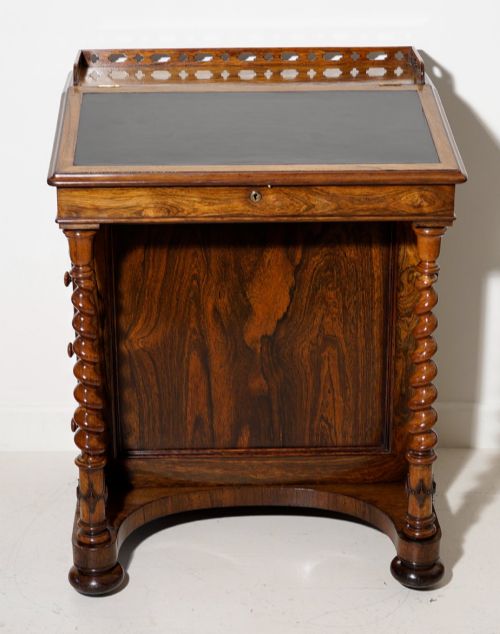
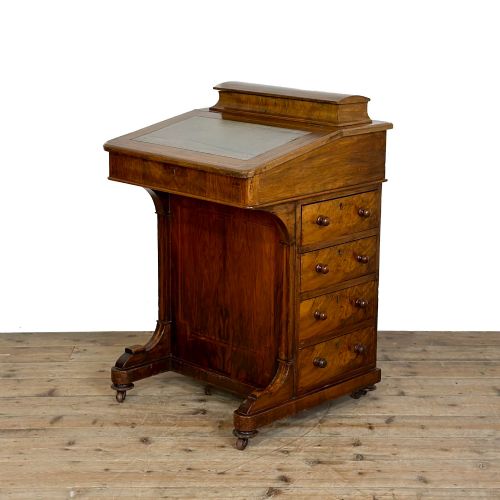
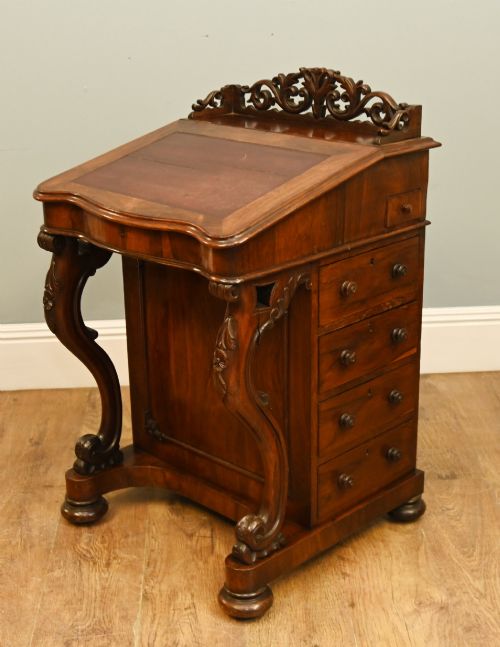
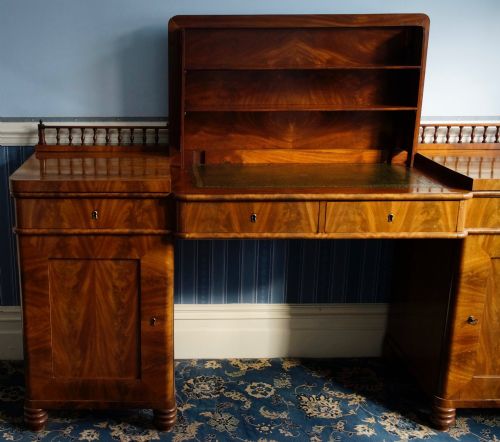
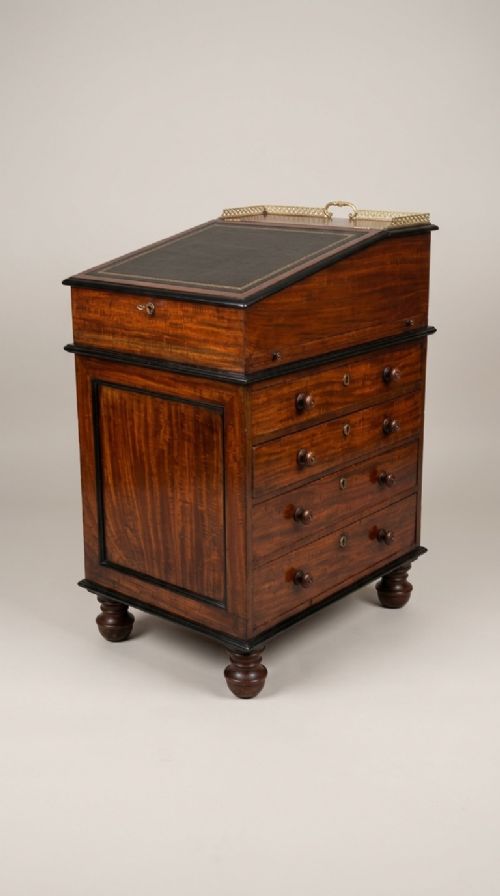
Leather top cabinets are functional writing surfaces and storage pieces designed for daily study, most often met as compact Victorian and Regency davenports or campaign desks.
Leather Top Cabinets
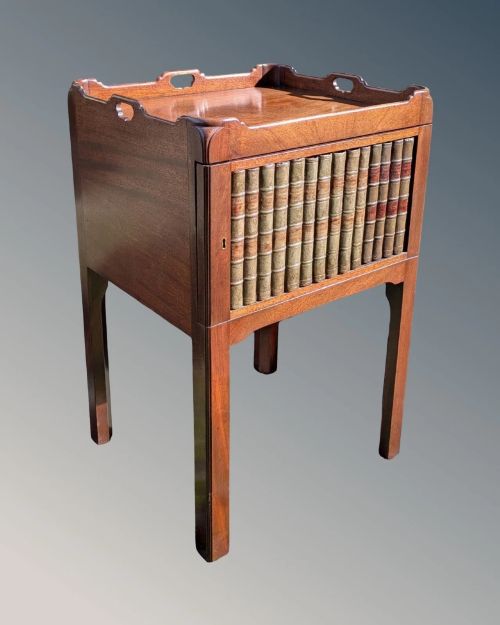
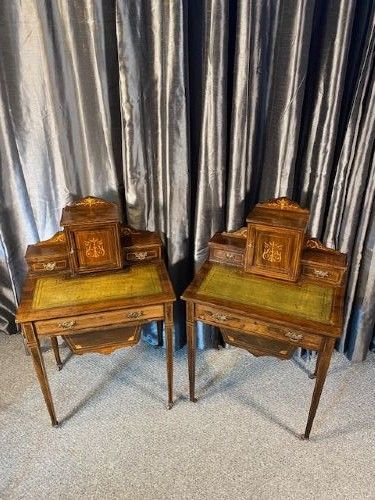
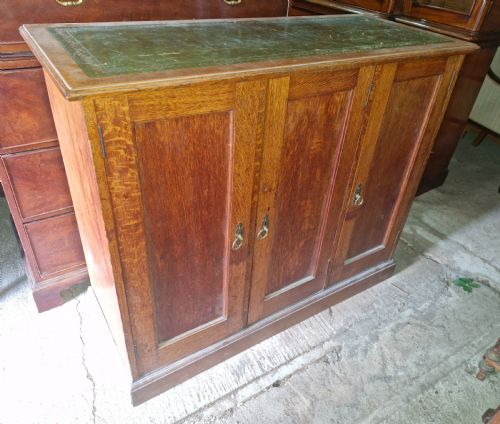
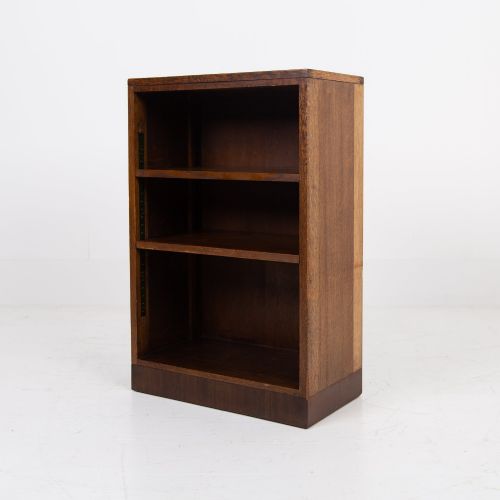
Leather top cabinets encompass compact writing desks, davenports, bedside chests, and campaign pieces designed for domestic and study use. When you search for leather top cabinets, you encounter compact furniture built to house writing materials whilst providing a firm, leather-lined working surface.
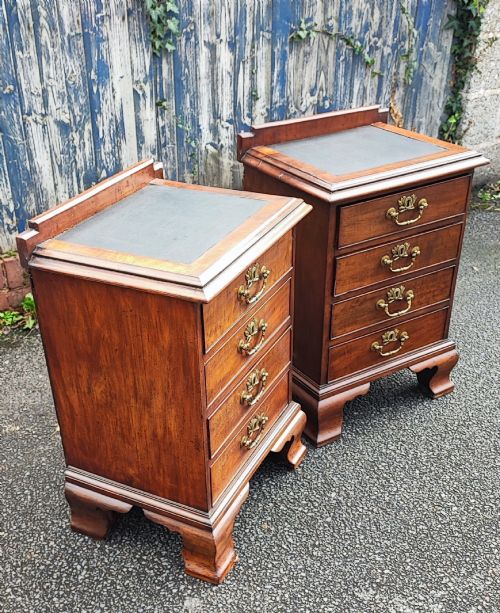
The majority of pieces seen on this page date from the 19th century, spanning the Regency, Victorian, and Edwardian periods. These range from slope-front davenports to bedside cabinets and filing chests fitted with inset leather writing surfaces.
Form follows function closely in these items, with sloping desks lifting to reveal stationery compartments and pedestals fitted with banks of small drawers. Oak, mahogany, rosewood, and burr walnut form the primary carcases, often paired with brass mounts and handles.
How they were made
Cabinetmakers constructed the carcases of these pieces using dense hardwoods such as mahogany, rosewood, and oak, frequently applying decorative veneers of burr walnut, amboyna, or satinwood to visible surfaces. These timbers were selected for their stability and grain pattern, providing a robust frame capable of supporting repeated daily use.
Writing surfaces were inset with panels of tooled leather, often highlighted with gilt tooling around the perimeter to frame the working area. Brass fittings, including carrying handles, campaign corners, and drawer pulls, were integrated into military and travelling variants to withstand transit.
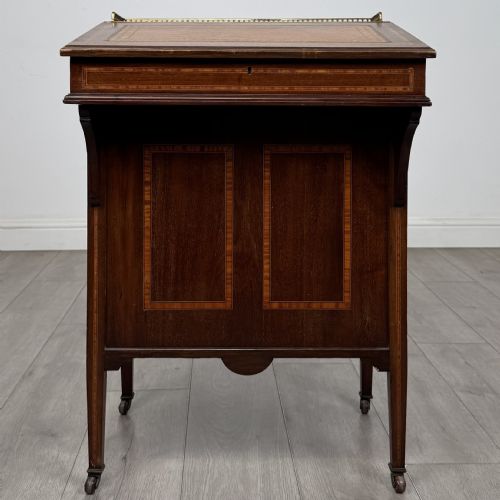
Joinery techniques relied on tight dovetailing for drawer construction and solid framing for the sloping desk lids and pedestal cabinets. Inlaid stringing and banding in lighter woods frequently accented the mahogany or walnut ground.
Leather Top Cabinets Retail Price Guide 2026
Typical asking prices for leather top cabinets among the pieces listed under this phrase on Sellingantiques today, from the lower quarter to the upper quarter. They describe what is for sale here now, not the wider market.
Listings feature pieces spanning the Georgian, Regency, and Victorian eras, predominantly constructed in mahogany, rosewood, and burr walnut.
What varies in quality
Quality in these pieces is dictated by the selection of timber veneers and the crispness of internal joinery. Finer examples utilise matched burr walnut or figured rosewood across the entire facade, with hand-cut dovetails securing the interior stationery drawers.
The execution of secondary details, such as hand-tooled gilt borders on the leather inserts and the integration of brass hardware, separates standard workshop production from high-end cabinetmakers. The survival of original fittings and fitted sliding tops also distinguishes superior specimens.
Gillows of Lancaster·J.C Vickery of London
The Leather Top Cabinets Glossary
- Davenport
- A small pedestal desk featuring a sloping, leather-lined writing lid above a bank of drawers. It gained popularity during the Regency and Victorian periods for domestic correspondence.
- Campaign furniture
- Portable pieces designed for military officers, typically constructed from robust timbers with brass corners, inset handles, and dismantling sections for ease of transport.
- Burr walnut
- A highly prized wood veneer taken from the wart-like growths on walnut trees, known for its swirling, intricate grain patterns. It was frequently applied to Victorian davenports and cabinets.
- Satinwood
- A pale, lustrous exotic timber utilised for fine inlay work and stringing on mahogany and rosewood furniture.
Leather Top Cabinets: Frequently Asked Questions
What is a davenport desk?
A davenport is a compact form of writing desk featuring a sloping, leather-covered top that usually lifts to reveal a set of pigeonholes. Below the slope, a pedestal houses a bank of small drawers, often with dummy drawers on the reverse.
First appearing around the late Georgian era, these pieces were designed for drawing rooms and boudoirs where space was limited. Their clever internal compartments kept stationery and inkwells organised close to hand.
How do I care for the leather top?
The leather writing surface benefits from gentle dusting with a dry, soft cloth to prevent grit from accumulating in the grain. Avoid using modern chemical cleaners or excessive water, which can damage the old leather and fade the gilt tooling.
Applying a specialist leather balm or neutral wax occasionally helps keep the hide supple and prevents it from drying out over time. Keeping the cabinet away from direct sunlight and heat sources preserves both the leather and the timber carcase.
How do I date a Victorian davenport?
Dating a Victorian davenport involves examining the secondary timbers used inside the drawers, the style of the brass hardware, and the complexity of the veneer work. Early Victorian examples from the 1850s often display clean Regency proportions, whilst later 1890s pieces can feature heavier carving or more elaborate satinwood inlay.
Checking the construction of the drawer sides, whether they use hand-cut dovetails or machine-cut joints, also helps place the piece within the century. The treatment of the leather insert and the presence of maker stamps provide further clues to the decade of manufacture.