





Leather Lounge Seat
A leather lounge seat brings deep comfort and sturdy timber frames into a room, spanning the clean curves of Art Deco and the buttoned weight of the Victorian era.
Leather Lounge Seat
A leather lounge seat encompasses sturdy armchairs, low club chairs, and three-piece suites designed primarily for deep seating and comfort. The pieces span periods from the late eighteenth century through to the 1930s, offering robust frames covered in hide.
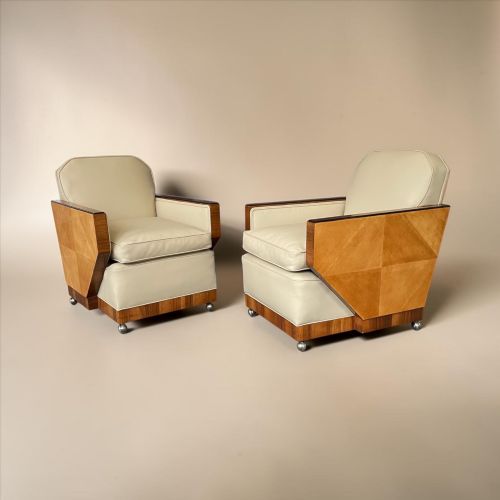
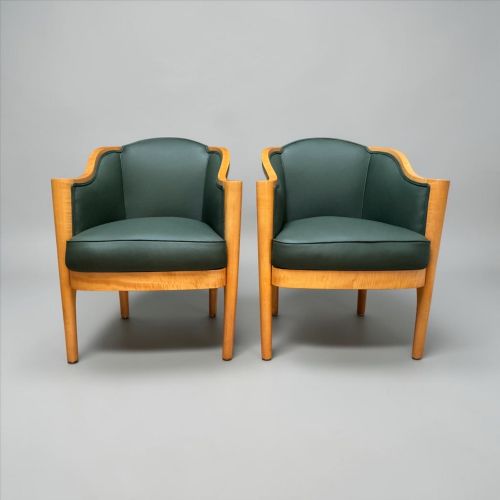
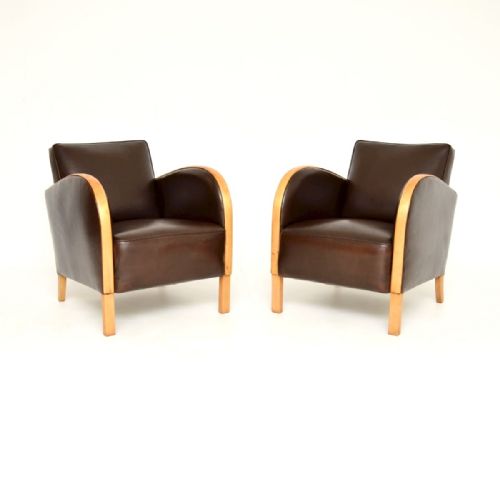
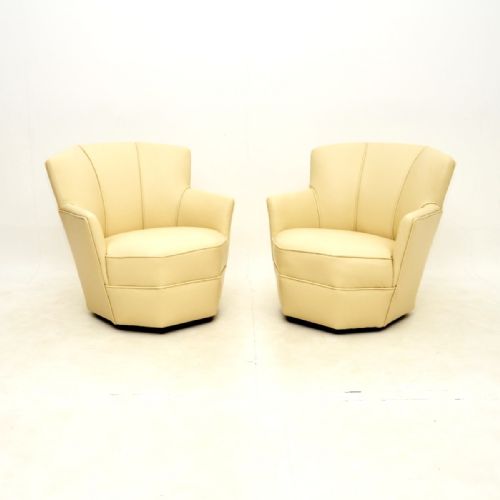
The version most commonly met on this page is the Art Deco club chair or occasional chair from the 1920s and 1930s, often found in pairs. These selections feature rounded forms, sometimes called cloud shapes, upholstered in warm caramel, tan, or cigar brown leather.
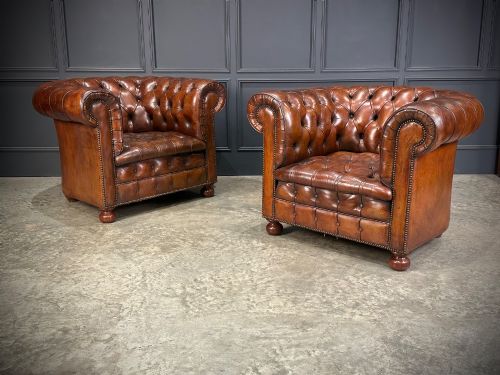
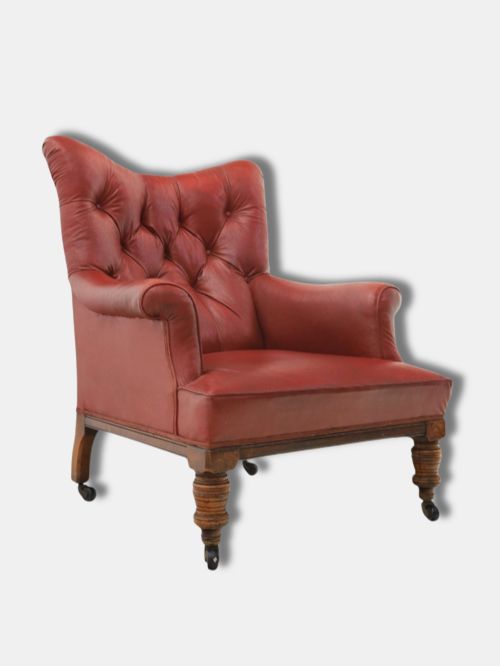
Beyond Art Deco, the selection includes Victorian button-back models, Georgian style wingback chairs, and occasional campaign pieces from the nineteenth century. Buyers encounter mahogany, walnut, and teak frames paired with brass details and traditional upholstery.
Construction and materials
Makers built the structural frames of these seats using hardwoods such as mahogany, walnut, satin birch, and teak, supplemented by timber supports. These solid woods provided the necessary rigidity to support heavy sprung interiors and dense padding.
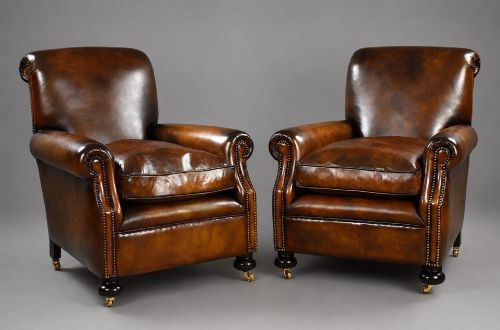
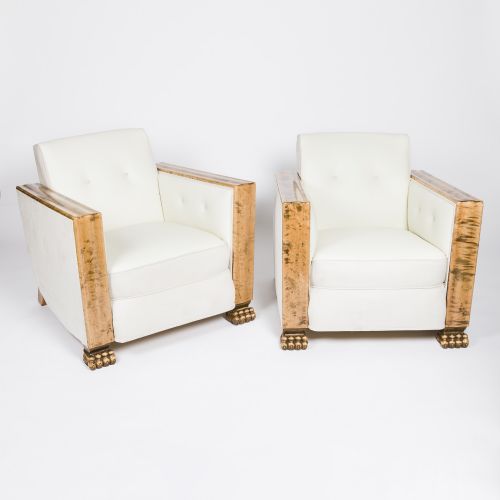
Upholstery relies on traditional leather hides, frequently paired with button-back detailing, brass studs, and sturdy turned or claw-and-ball feet. Selected items incorporate adjustable elements or specialised campaign designs suited for movement.
Leather Lounge Seat Retail Price Guide 2026
Typical asking prices for leather lounge seat among the pieces listed under this phrase on Sellingantiques today, from the lower quarter to the upper quarter. They describe what is for sale here now, not the wider market.
Listings feature leather lounge seats spanning from the 18th century through to 1930, utilising walnut, mahogany, teak, and brass.
Assessing the pieces
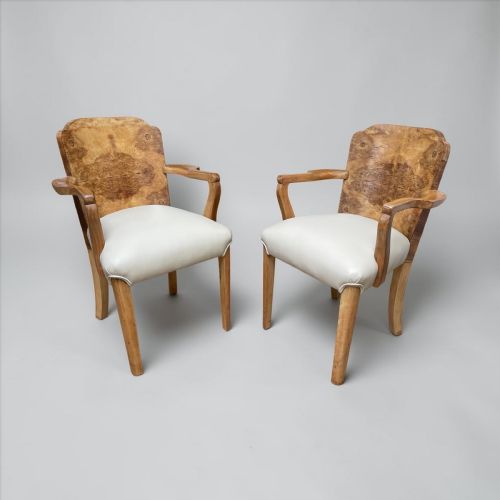
The distinction between standard examples and exceptional pieces rests upon the integrity of the wooden frame and the depth of the timber grain, such as burr walnut or figured mahogany. Master craftsmanship shows in the balanced proportions of an armchair or sofa suite.
Quality also manifests in the patination and suppleness of the leather upholstery, alongside the precision of hand-stitched seams and secure brass studwork. Maker attributions, such as pieces from recognised workshops, elevate the standing of a lounge seat.
Maurice Adams·Hille·Epstein·Harry and Lou Epstein·Howard & Son's
The Leather Lounge Seat Glossary
- Art Deco
- A design style from the 1920s and 1930s characterised by smooth lines, rounded cloud shapes, and streamlined geometric forms. It dominates the club chairs and sofas found in this selection.
- Club Chair
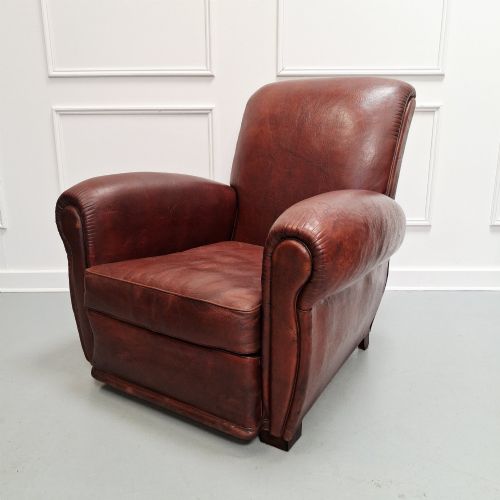
- A comfortable, deep-seated armchair with padded armrests, traditionally upholstered in leather. These sturdy seats became popular for domestic relaxation during the early twentieth century.
- Wingback Armchair
- A traditional seat featuring high backrests with projecting side panels designed to shield the sitter from drafts. Older examples date back to the Georgian period and nineteenth century.
- Campaign Chair
- A portable, often folding or adjustable piece of furniture designed for military officers on the move during the nineteenth century. They combine practical timber frames with durable leather surfaces.
- Cloud Suite
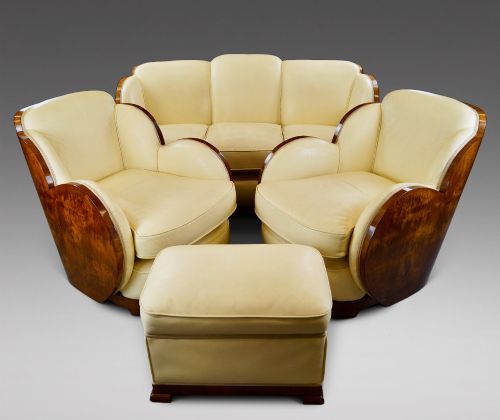
- A matched set of lounge seating from the Art Deco period featuring bulbous, rounded upholstery reminiscent of clouds. These suites typically include a sofa and matching armchairs.
Leather Lounge Seat: Frequently Asked Questions
What is an Art Deco club chair?
An Art Deco club chair is a deep, comfortable seat originating from the 1920s or 1930s, defined by rounded contours and smooth leather upholstery.
These chairs often appear in pairs and provide a low, inviting profile well suited to relaxed modern or traditional interiors.
How do I identify a Victorian leather armchair?
Victorian leather armchairs typically display darker wood frames, button-backed upholstery, and sturdy turned feet or traditional castors.
They carry a heavier, more formal silhouette compared to the later rounded club chairs of the twentieth century.
Where were wingback armchairs used?
Wingback armchairs were historically placed near firesides to protect sitters from cold drafts using their characteristic side panels.
Today, they serve as prominent accent chairs in studies, living rooms, and libraries.
Are these lounge seats sold as sets?
Many listings feature pairs of armchairs, and occasional larger configurations include matching sofa suites from the Art Deco period.
These paired groupings offer a cohesive look for furnishing a complete room.