



Leather Library Sofa
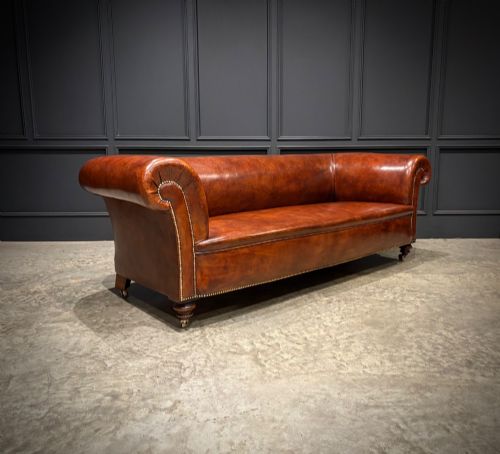
A leather library sofa brings together firm seating and rich hides, offering a practical yet stately seat for reading rooms.
Leather Library Sofa
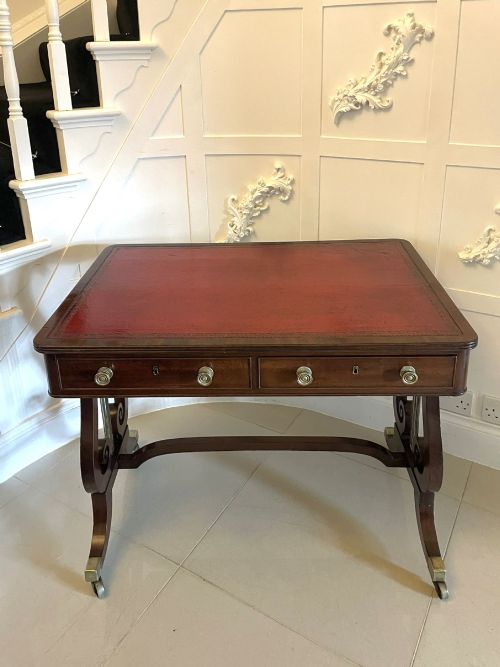
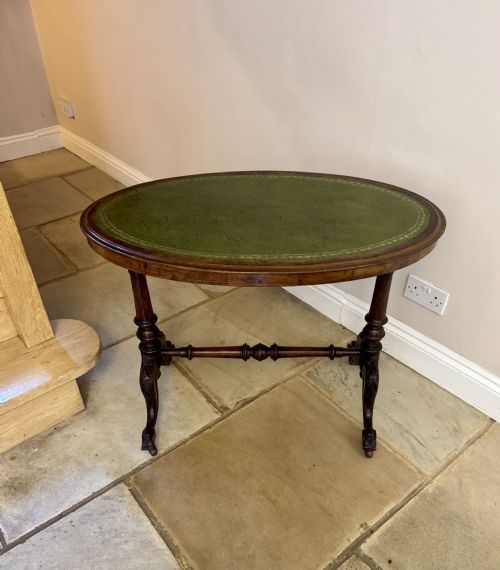
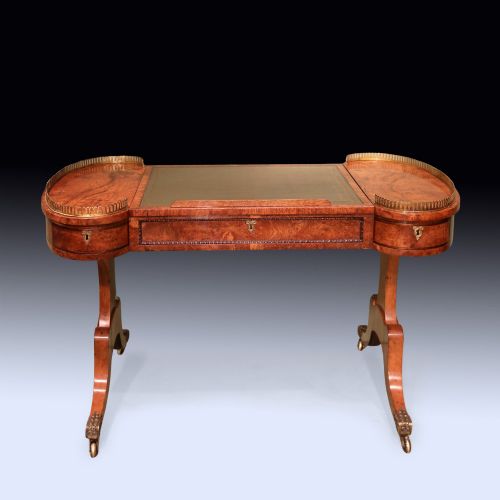
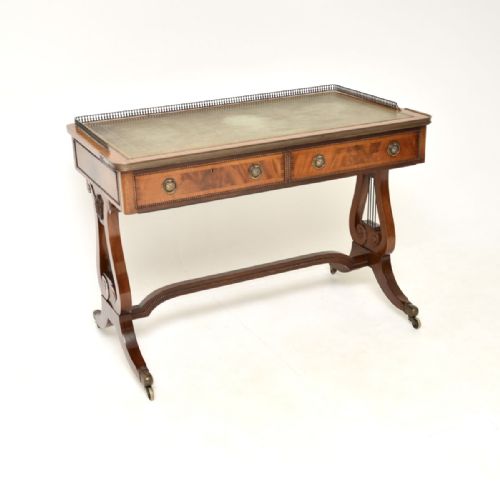
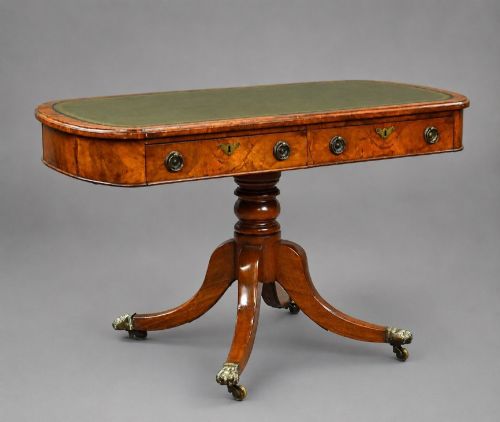
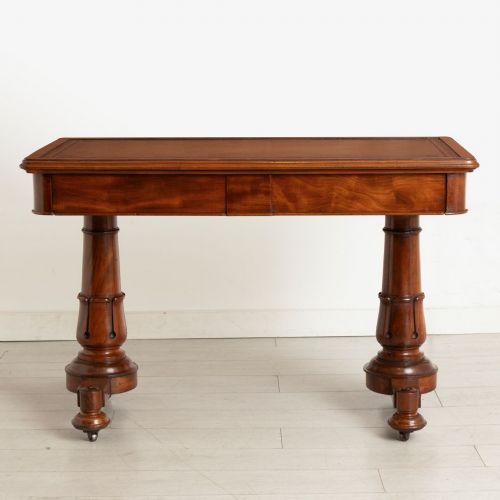
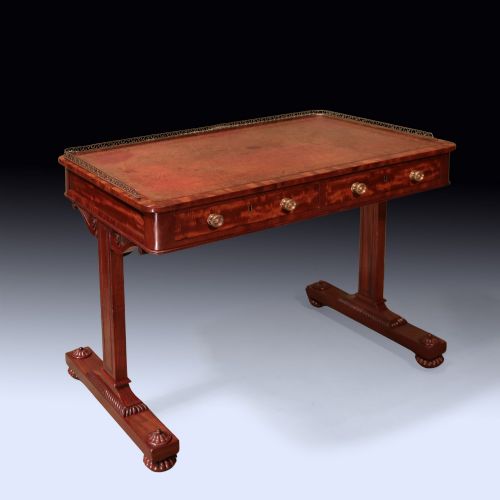
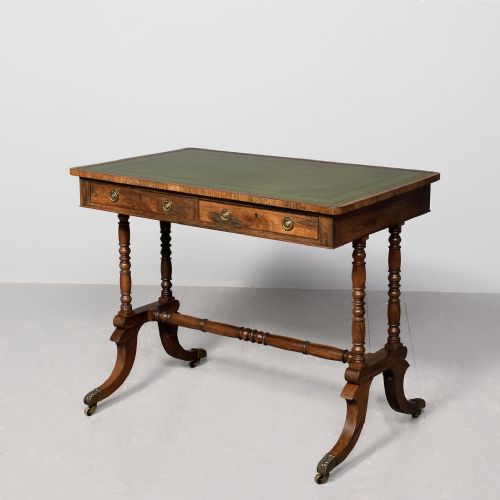
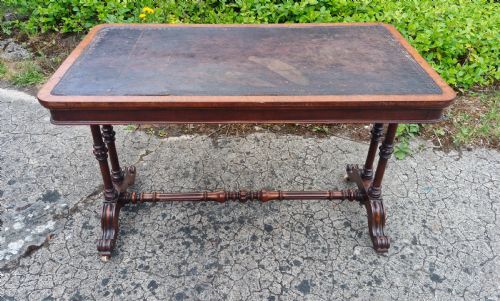
A leather library sofa sits at the intersection of seating and study furniture, drawing on forms from the Regency and Victorian eras. While the archive shows dedicated leather library sofas, the current selection also spans writing tables and library tables alongside deep buttoned seating.
Most examples originate from the nineteenth century, including specific dates such as 1850, 1860, and 1870, alongside broader periods like the Regency and Victorian eras. Pieces range from country house settees to freestanding library tables fitted with leather writing surfaces.
Buyers seeking a leather library sofa will encounter both traditional Chesterfield settees and multifunctional library tables designed for writing and reading. These items reflect the domestic and study habits of nineteenth-century English interiors.
Materials and construction
Timbers such as mahogany, rosewood, walnut, burr walnut, burr oak, and goncalo alves form the structural framework of these pieces. Cabinet makers selected dense hardwoods to ensure durability in heavy-use spaces like libraries and studies.
Leather provides the tactile writing surfaces and upholstery, often paired with brass mounts, brass inlay, or ebony details. Deep buttoning appears on upholstered seating, while tables integrate inset leather tops suited for daily paperwork.
Several pieces feature clever swivel actions, allowing a seated reader to pivot effortlessly between conversation and writing.
Judging quality
Quality rests in the selection of timber veneers, such as burr walnut or figured rosewood, and the precision of cabinet work. Finer examples display meticulous brass inlay, careful carving, and balanced proportions.
The integration of the leather top and the crispness of the secondary woods reveal the maker's hand. Pieces finished on all sides for freestanding placement in a room generally represent more thoughtful construction.
The Leather Library Sofa Glossary
- Chesterfield sofa
- A traditional upholstered settee characterised by deep buttoning and rolled arms of equal height. This form anchors many nineteenth-century domestic interiors.
- Library table
- A large freestanding table designed to be viewed from all sides, frequently fitted with a leather insert. These pieces served scholars and readers in private libraries.
- Sofa table
- A rectangular table traditionally placed in front of a sofa, often featuring drop leaves and trestle supports. Nineteenth-century versions frequently incorporated writing drawers.
- Regency style
- A design aesthetic drawing on classical Roman, Greek, and Egyptian motifs popular during the early nineteenth century. It is marked by clean lines and rich woods like rosewood and mahogany.
- Goncalo Alves
- A dense, highly figured exotic hardwood utilised in select nineteenth-century cabinet making. Its distinctive grain adds notable visual depth to tables.
Leather Library Sofa: Frequently Asked Questions
Where were these placed?
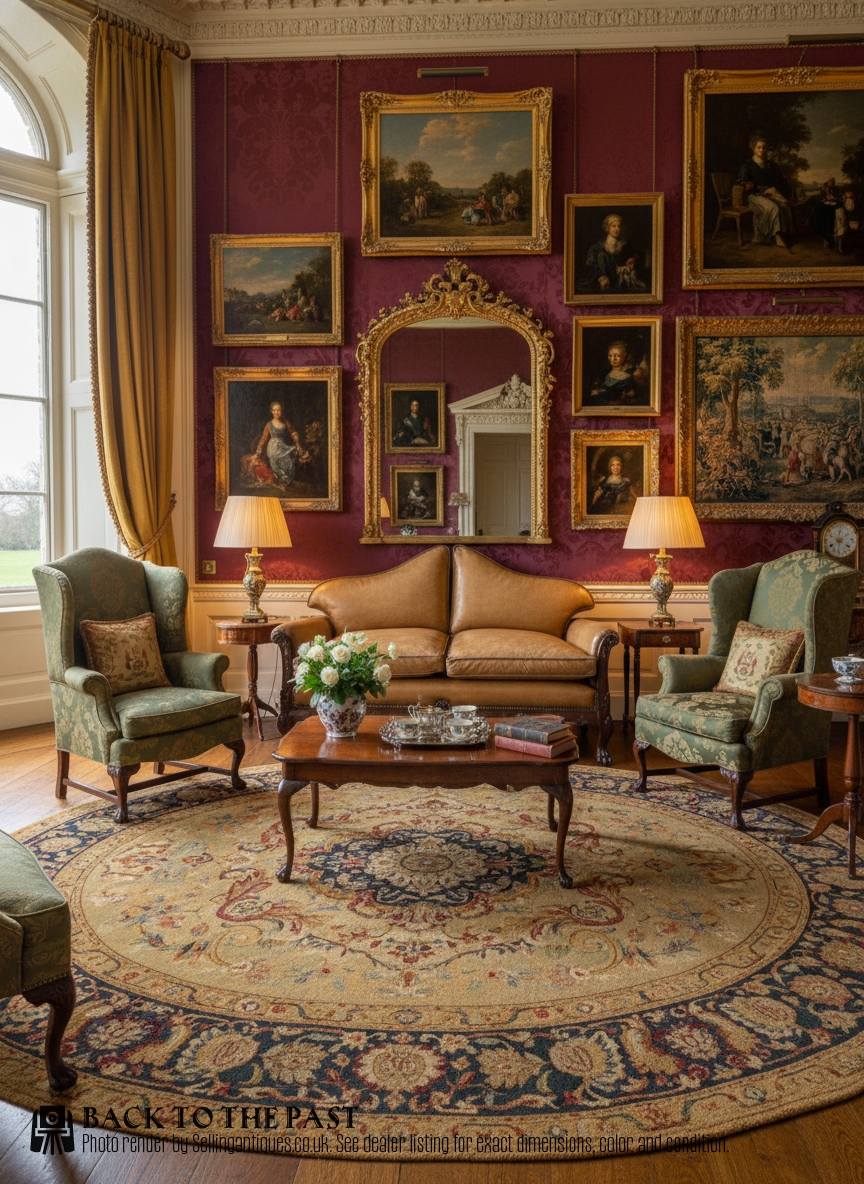
These pieces belonged in studies, libraries, and principal reception rooms of country houses. They provided functional surfaces for correspondence alongside comfortable seating.
Freestanding designs allowed tables and sofas to occupy the centre of a room rather than sitting flush against a wall.
How do I identify a Regency piece?
Regency items often feature dark timbers like mahogany and rosewood, sometimes accented with brass inlay or mounts. The silhouettes lean towards classical restraint and architectural balance.
Maker influences from this period emphasise clean construction and visible grain patterns over heavy ornamentation.
What is a leather top table used for?
The inset leather surface provided a smooth, non-reflective plane for writing with ink and quills. It protected the underlying timber from spills and daily wear during study.
These tables doubled as central room pieces where books and papers could be consulted easily.
How do I care for nineteenth-century leather?
Historic leather benefits from gentle cleaning and occasional conditioning to maintain its flexibility. Avoid modern synthetic treatments that alter the natural patina.
Keeping pieces away from direct heat sources prevents the hide from drying out and cracking over time.