

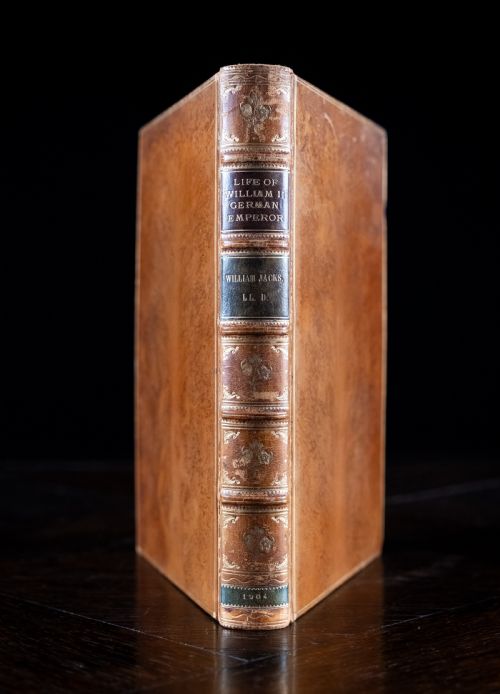
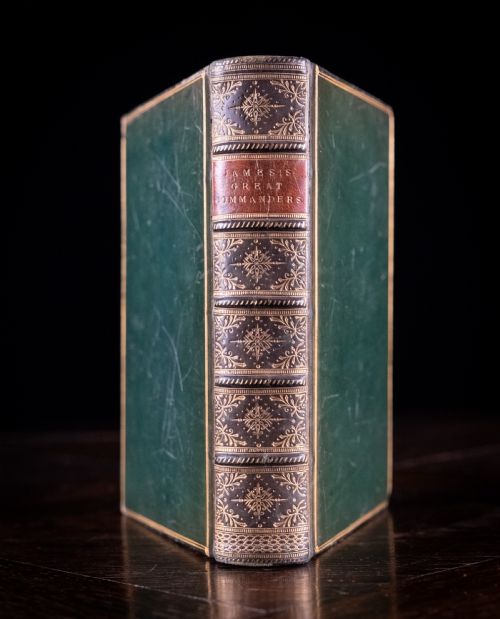


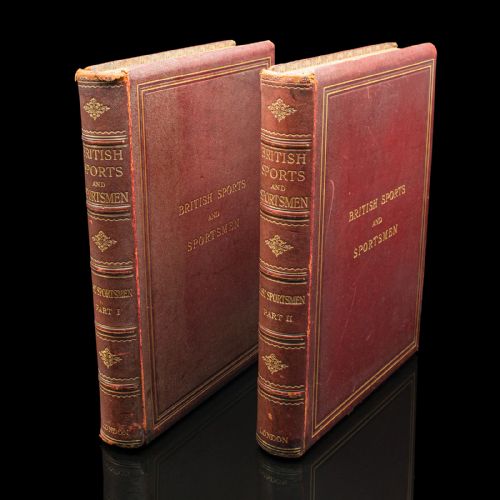
Leather Bound History Books
These leather bound history books are substantial volumes covering past centuries, offering both chronological accounts and rich period bindings for study or display.
Leather Bound History Books
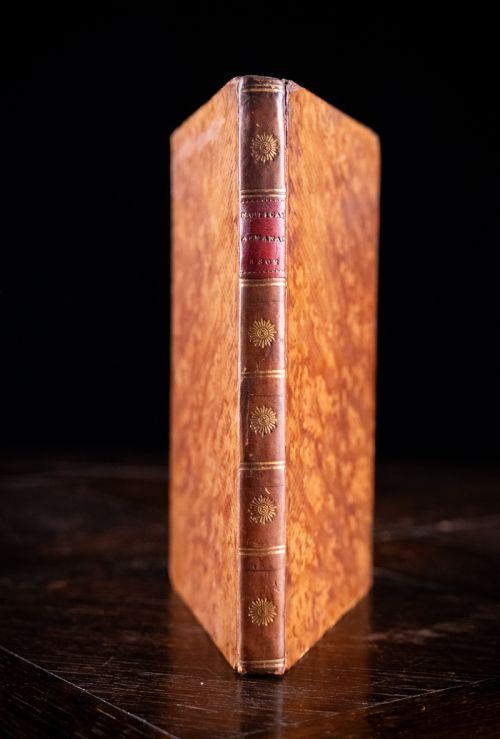
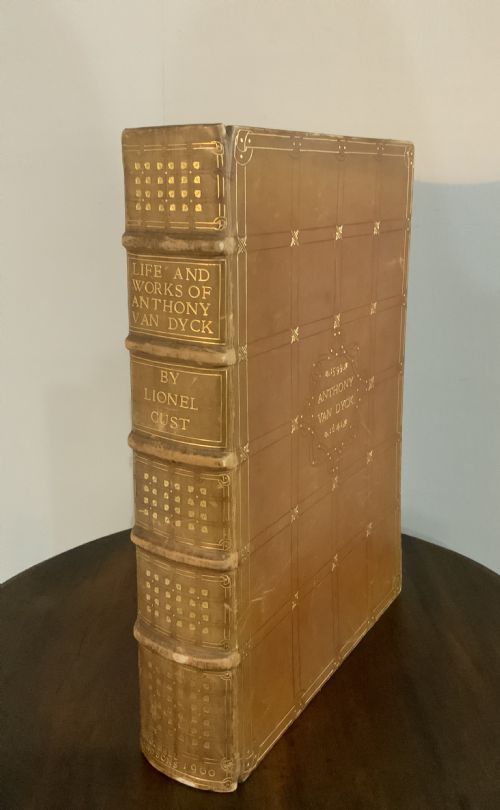
Leather bound history books encompass biographical works, memoirs, nautical almanacs, and multi-volume historical sets spanning from the eighteenth century into the twentieth century. These publications record national histories, royal biographies, and classical lives, presenting period narratives bound for durability and display.
The nineteenth century provides a significant share of these volumes, alongside Georgian and Regency editions, reflecting the Victorian appetite for comprehensive historical reference. Single volumes and multi-volume sets appear across periods like the Edwardian era, showing uniform or individual calfskin and leather covers.
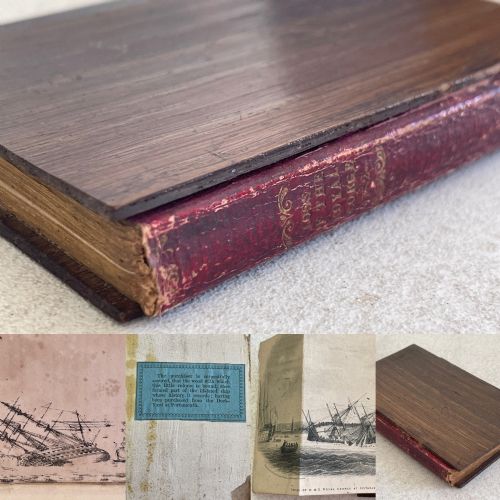
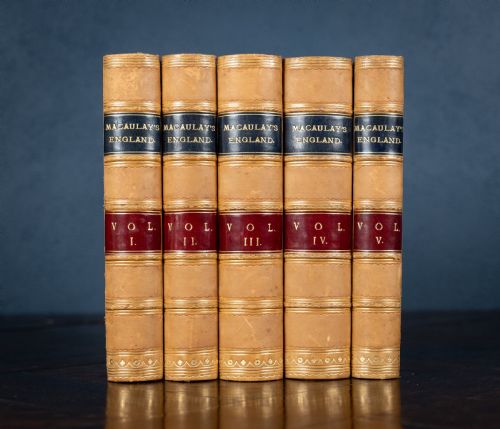
Collectors encounter works such as Macaulay's History of England, Plutarch's Lives, and specialised county references like Morant's History of Essex. These titles serve as both scholarly resources and decorative library pieces, carrying period annotations or custom binder labels.
How they were made
Binders utilised calfskin, full leather, and cloth over cardboard or wood cores, applying gold leaf tooling to spines and boards for titling and decoration. Marbled paper often lined the endpapers inside, complementing the exterior leather bindings.
Printers and publishers gathered paper signatures, sewing them into robust bindings designed to withstand regular handling by readers and scholars. Workshops such as Henry Young and Son applied specialised hand binding techniques to multi-volume sets.
Leather Bound History Books Retail Price Guide 2026
Typical asking prices for leather bound history books among the pieces listed under this phrase on Sellingantiques today, from the lower quarter to the upper quarter. They describe what is for sale here now, not the wider market.
Listings feature eighteenth, nineteenth, and twentieth-century periods, utilising calfskin, marbled paper, wood, and gold leaf materials.
What varies in quality
The depth of tooling and the quality of the leather skin dictate the standard of the binding, with full calfskin and intricate gilt work marking superior volumes. The presence of original binders' stamps or esteemed workshop attributions elevates certain sets.
Completeness within multi-volume sets and the preservation of original plates or illustrations influence the standing of historical books. Uniformity across matched sets and the structural integrity of the paper blocks determine how well a volume survives.
J and R Tonson·Henry Young and Son
The Leather Bound History Books Glossary
- Calfskin
- A fine, smooth leather derived from the hide of a calf, frequently used for durable and decorative book bindings throughout the eighteenth and nineteenth centuries.
- Gilt tooled
- A technique where gold leaf is pressed into leather using heated metal tools to create decorative patterns and titles upon the spine and boards.
- Marbled paper
- Paper decorated with colourful swirling patterns produced by floating pigments on size, traditionally used for endpapers inside historical book covers.
- Ephemeris
- An astronomical table or almanac providing calculated positions of celestial bodies for each day of a given year, often published in leather bindings.
- First edition
- The earliest printed appearance of a work, highly sought after by collectors when combined with contemporary period bindings.
Leather Bound History Books: Frequently Asked Questions
How are leather bound history books dated?
Books usually display their publication year on the title page or within the introductory publishing notes, though subsequent rebound volumes may bear a later binder's mark.
Examining the typography, paper texture, and stylistic cues of the leather binding helps confirm the era of production when title pages are absent.
Can these historical books be read regularly?
Most nineteenth-century and Georgian volumes tolerate gentle reading if handled with care, supporting careful opening without straining the spine.
Volumes with fragile leather or missing structural cords require careful preservation rather than heavy daily use.
What is the difference between single volumes and sets?
Single volumes stand alone as individual biographies or almanacs, whereas sets like Macaulay's History of England span multiple uniform books issued together.
Matched sets share identical bindings and publisher details, creating a consistent visual display on a library shelf.
How should leather bindings be cared for?
Books require stable room temperatures away from direct sunlight and excessive moisture to prevent the leather from drying out or warping.
Allowing air circulation around library shelves protects paper and leather from environmental damage over time.