



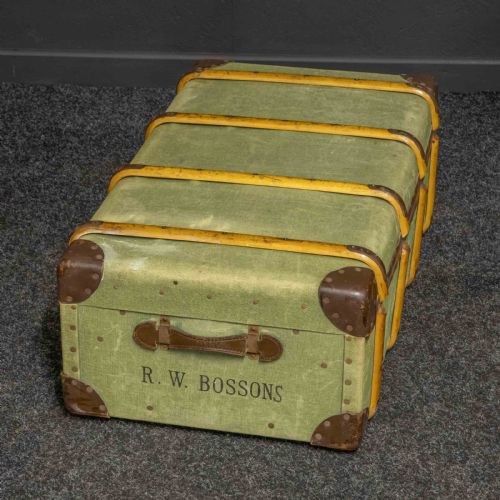


Leather Bound Blanket Box
A leather bound blanket box offers sturdy utility and rich texture, bringing historical travel and practical storage straight into the home.
Leather Bound Blanket Box
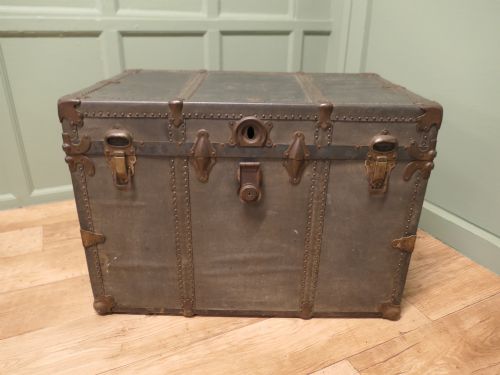
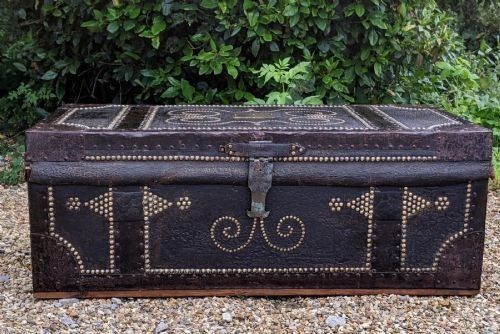
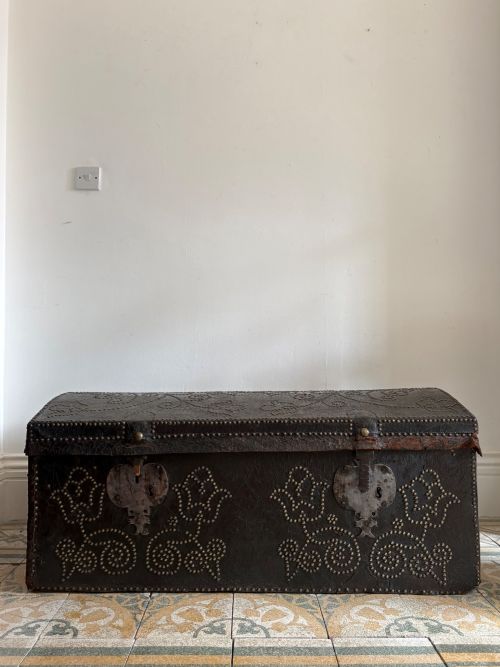
When you search for a leather bound blanket box, you encounter robust storage pieces designed for travel and domestic use over several centuries. The selection ranges from early dome-top coffers to Victorian campaign trunks and specialised luggage.
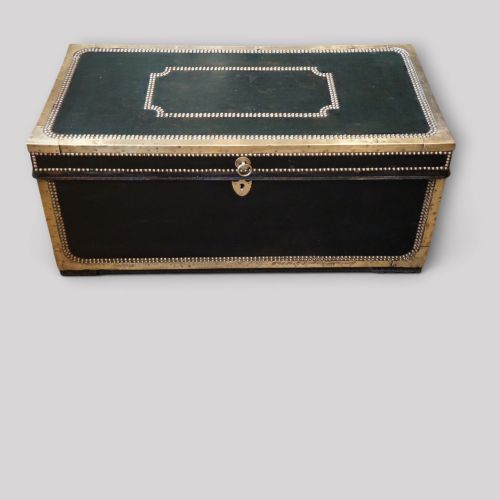
The most common examples on this page date from the nineteenth century, often featuring brass studding and reinforced corners. These items serve equally well as living room coffee tables or functional bedroom storage.
Origins span across British workshops, European makers, and Chinese export trade items, demonstrating diverse regional construction methods. Each piece reflects the specific transit needs of its original owner, whether for local coaching or international shipping.
Materials and construction
Makers built these pieces using solid timber frames - often oak, camphor wood, or general hardwoods - as the primary structural core. Workers then clad the exterior in hide, leather, or canvas to protect the contents from dust and moisture during transit.
Metal reinforcement defines the category, utilising brass bands, iron braces, and heavy studding to secure the leather and protect vulnerable edges. Leather handles, iron carrying rings, and brass hardware completed the construction for heavy everyday use.
Leather Bound Blanket Box Retail Price Guide 2026
Typical asking prices for leather bound blanket box among the pieces listed under this phrase on Sellingantiques today, from the lower quarter to the upper quarter. They describe what is for sale here now, not the wider market.
Listings span from the 17th century through the 1920s, incorporating materials like camphor wood, brass, canvas, and hide.
Factors of quality
The sophistication of the internal fittings and the quality of the primary leather hide establish the tier of the piece. Superior examples retain original brass detailing, functional locks, and maker labels, while simpler utility trunks show basic iron work.
Structural integrity of the underlying wood frame and the condition of the leather skin determine longevity and daily usability. Pieces with intact linings and original hardware command greater appreciation among collectors and interior designers.
Seabrook of St Pauls·Aux Etats Unis
The Leather Bound Blanket Box Glossary
- Campaign trunk
- A portable storage chest designed for military officers and travellers on the move. These pieces often feature recessed brass handles and reinforced corners to withstand rough transport.
- Dome top
- A curved lid design intended to shed water during travel and allow extra interior packing space. This classic profile appears on many earlier examples.
- Brass bound
- Furniture or luggage edged with brass strips and secured with studs to prevent impact damage. This technique adds both structural strength and decorative contrast to the leather.
- Camphor wood
- An aromatic timber frequently utilised in Chinese export trunks to repel insects and protect stored textiles. The distinct scent often remains present in the wood.
- Hide
- Undressed or heavy dressed animal skin used for rugged exterior cladding. It provides durable protection against the elements.
Leather Bound Blanket Box: Frequently Asked Questions
How do I date a leather trunk?
Dating relies on observing construction methods, hardware styles, materials, and any maker labels present on the interior. Earlier pieces from the seventeenth and eighteenth centuries often feature hand-wrought iron and heavy wooden frames.
Nineteenth-century examples frequently incorporate standardised brass banding, machine-stamped studs, and sophisticated interior compartments designed for specific travel needs.
Were these boxes used for travel?
Many of these pieces served as active luggage for coaching, shipping, and military campaigns. Sturdy leather cladding and metal reinforcements protected personal belongings from harsh travel conditions.
Export pieces additionally travelled via maritime trade routes from China and Europe, carrying valuable goods across continents.
How do I care for antique leather?
Maintenance involves keeping the leather clean from dust and applying appropriate conservation waxes or conditioners to prevent drying. Avoid placing antique leather in direct sunlight or near direct heat sources.
Gentle handling of original hardware and latches ensures the continued preservation of the materials.