

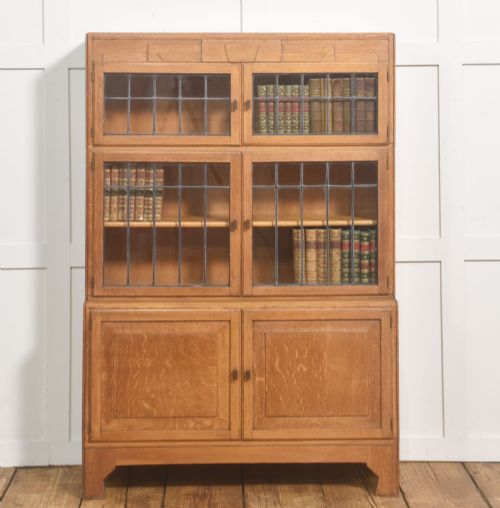


Leaded Glass Oak Dresser
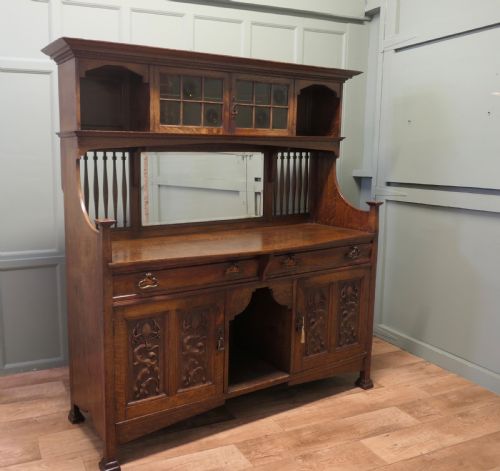
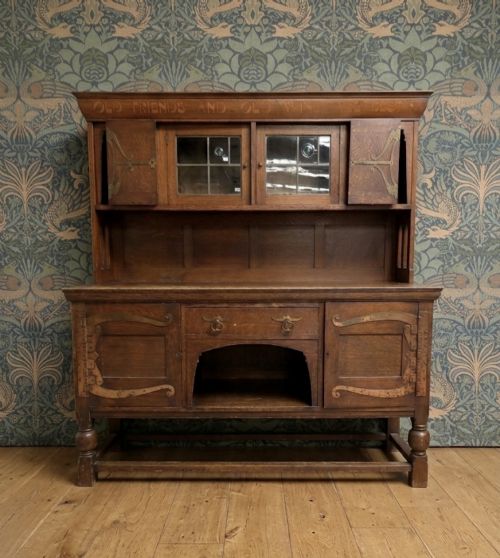
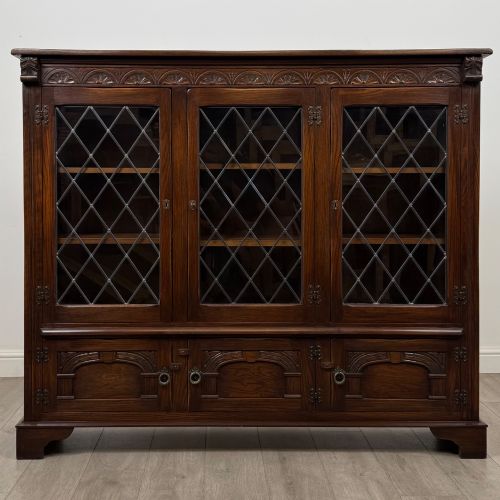
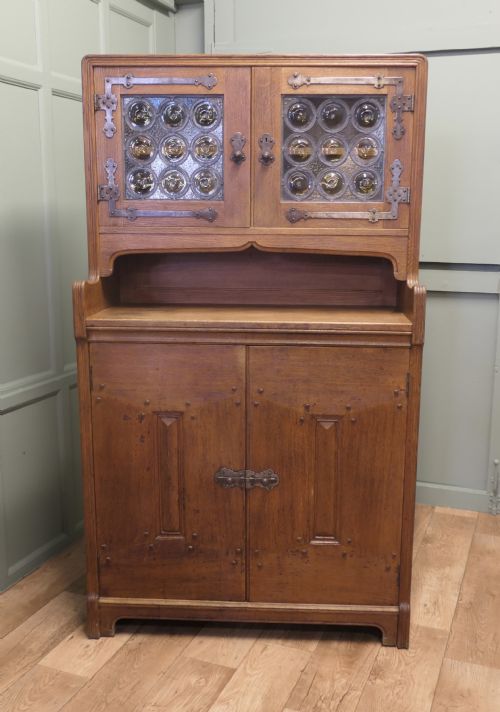
A leaded glass oak dresser brings substantial timber and geometric glazing together, offering sturdy display storage for collections.
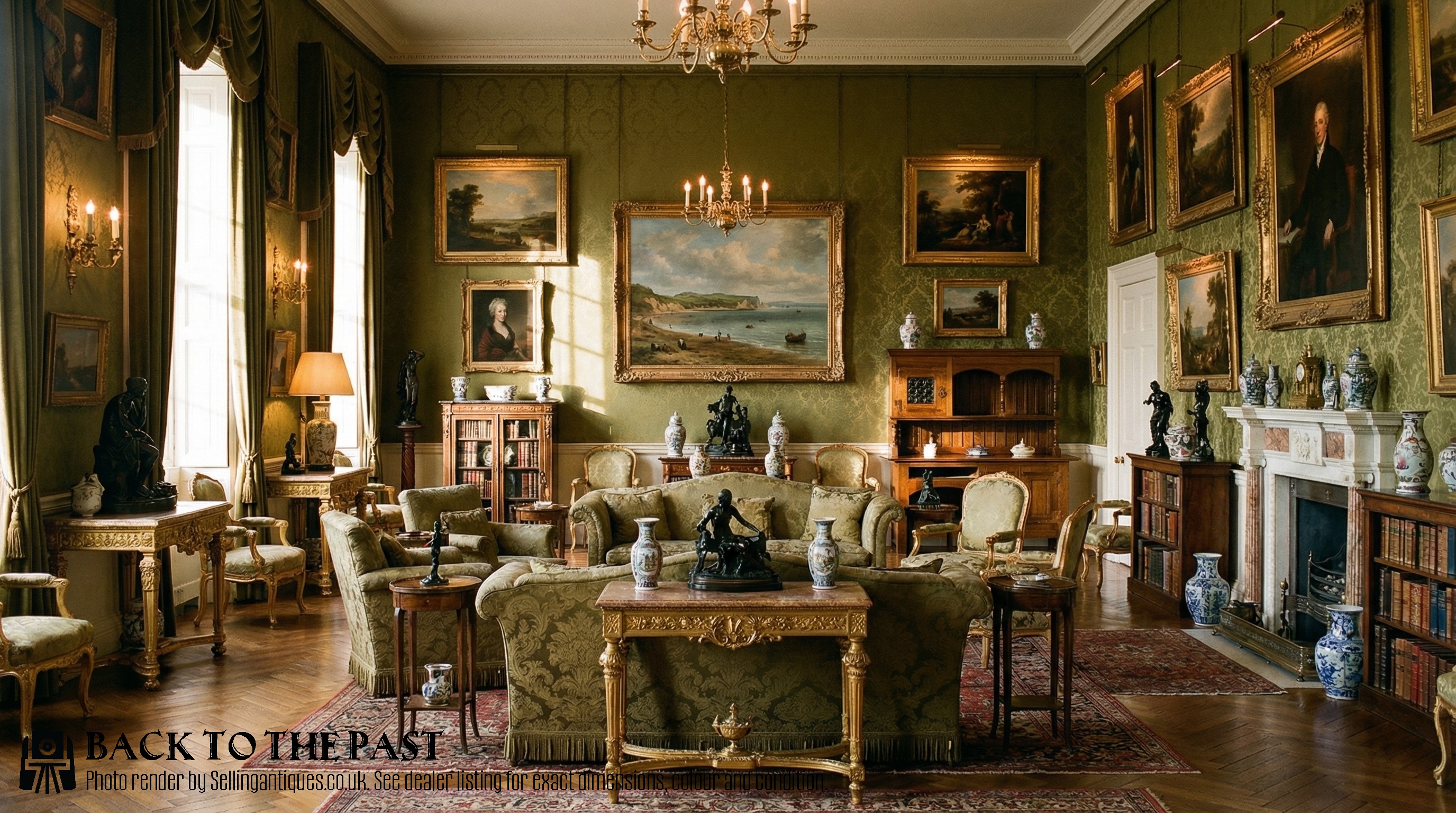
Leaded Glass Oak Dresser
A leaded glass oak dresser combines practical storage with display space, appearing across periods from the nineteenth century into the twentieth century. These items manifest as sideboards, bookcases, and display cabinets created from sturdy timber.
The versions met most frequently on this page span Victorian, Edwardian, and Arts and Crafts eras, often featuring distinct revival styles like Jacobean, Tudor, or Gothic. They serve as functional furniture for dining rooms, libraries, and living spaces.
Makers and designers from notable firms like Liberty & Co. and Ambrose Heal shaped the aesthetic of these oak pieces. Their forms range from simple English kitchen cupboards to elaborate carved cabinets.
What varies in quality
The standard of carving and the selection of golden or fumed oak distinguish different examples. Pieces associated with specific design houses or known makers show higher refinement in proportion and detail.
The complexity of the leaded or stained glass work and the execution of the hardware contribute to the overall standard of the furniture.
Leaded Glass Oak Dresser Retail Price Guide 2026
Typical asking prices for leaded glass oak dresser among the pieces listed under this phrase on Sellingantiques today, from the lower quarter to the upper quarter. They describe what is for sale here now, not the wider market.
Listings include oak furniture from the Victorian, Edwardian, and Art Deco periods, alongside Revival styles.
Liberty & Co.·Ambrose Heal
The Leaded Glass Oak Dresser Glossary
- Leaded glass
- Glass panes held together by narrow strips of lead into geometric or decorative patterns. This technique provides structural rigidity for cabinet doors while allowing light inside.
- Arts and Crafts
- A design movement emphasising handcraftsmanship, simple forms, and natural materials like oak. Pieces from this style often feature exposed joinery and minimal ornamentation.
- Caming
- The metal rods of lead used to join individual pieces of glass in a window or cabinet door. It bends easily to form the lines of the design.
- Jacobean Revival
- A nineteenth-century style imitating seventeenth-century English furniture. It uses dark or carved oak with geometric mouldings and turned supports.
- Sideboard
- A piece of furniture used for storing tableware and serving food. In these listings, they often incorporate upper glazed display cabinets.
Leaded Glass Oak Dresser: Frequently Asked Questions
How do I date an oak dresser?
Examine the construction methods, hardware, and stylistic details visible on the piece. Periods range from Victorian Gothic to Art Deco.
Compare the specific type of oak finish and handle designs to known examples from the nineteenth and twentieth centuries.
Where should I place a glazed cabinet?
Position the piece away from direct sunlight to protect the timber and the contents displayed inside. Ensure the floor is level to support heavy hardwood furniture.
Allow enough clearance around doors to open them fully without obstruction.
How do I care for antique oak?
Dust the timber regularly with a soft, dry cloth to prevent dirt buildup on carved surfaces. Avoid silicone-based polishes that can damage old finishes.
Maintain stable humidity levels in the room to prevent the oak from warping or cracking.