

Leaded Glass Art
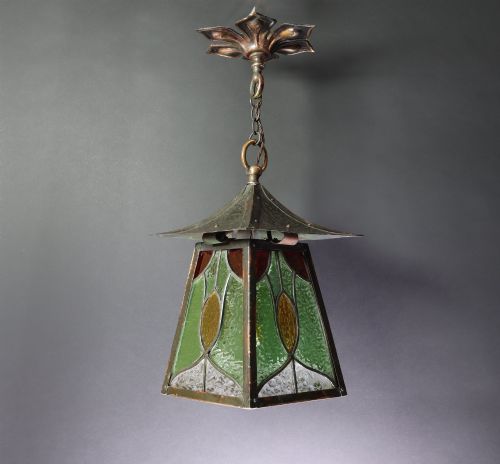
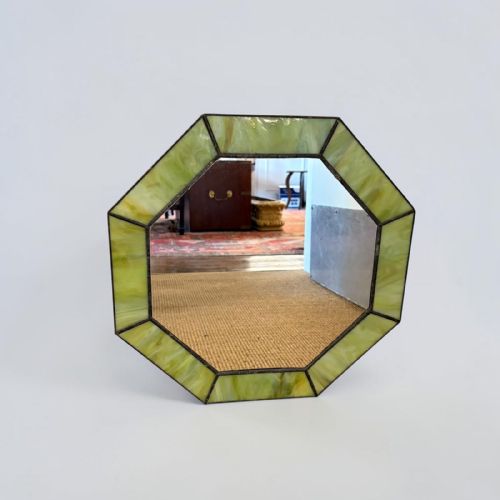
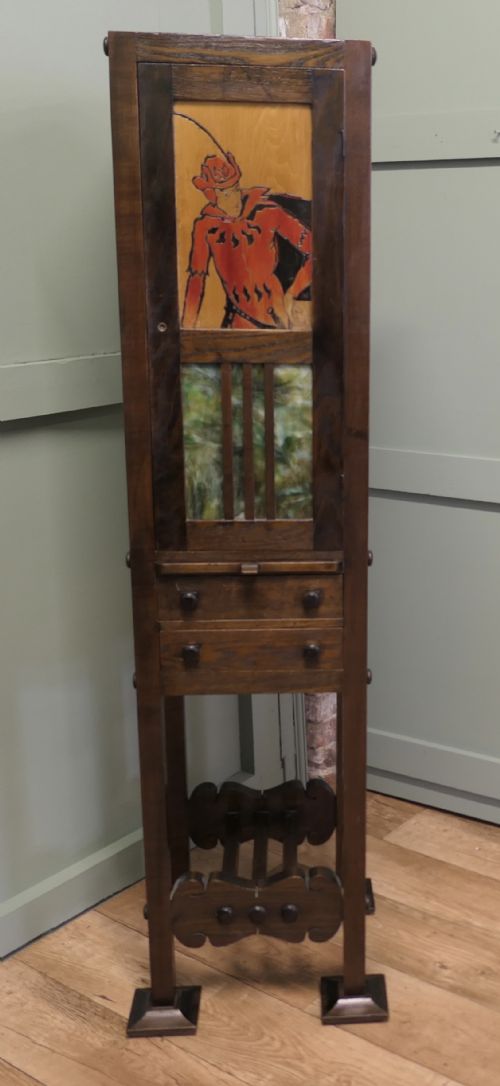
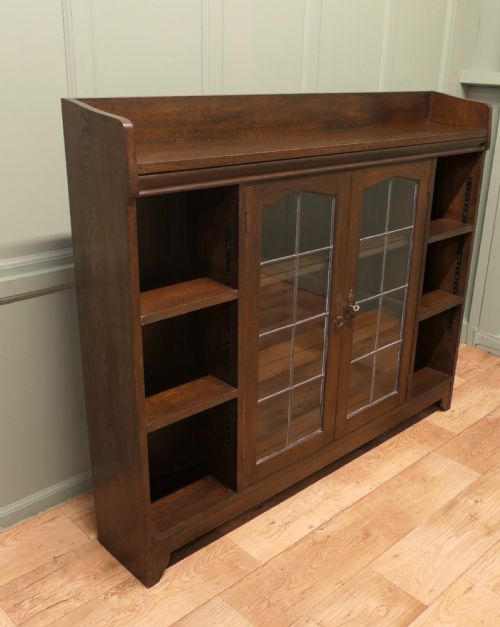
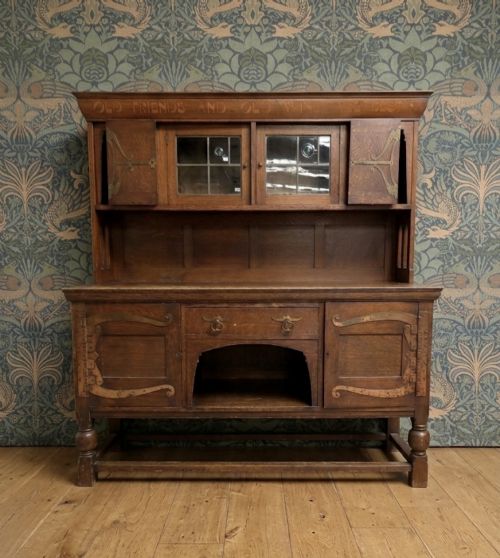
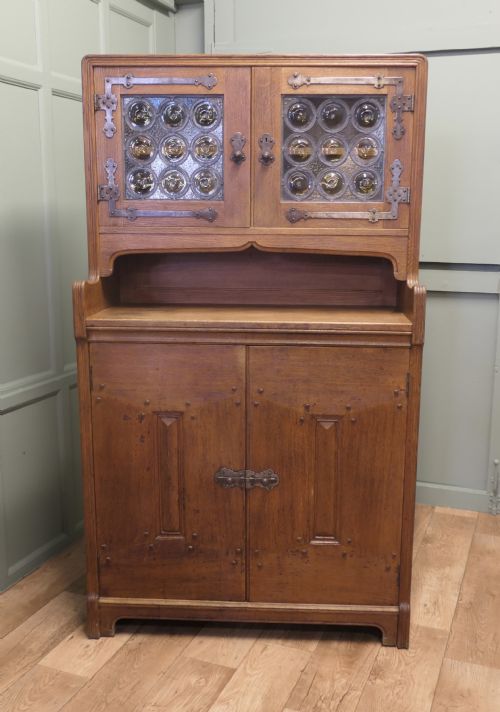
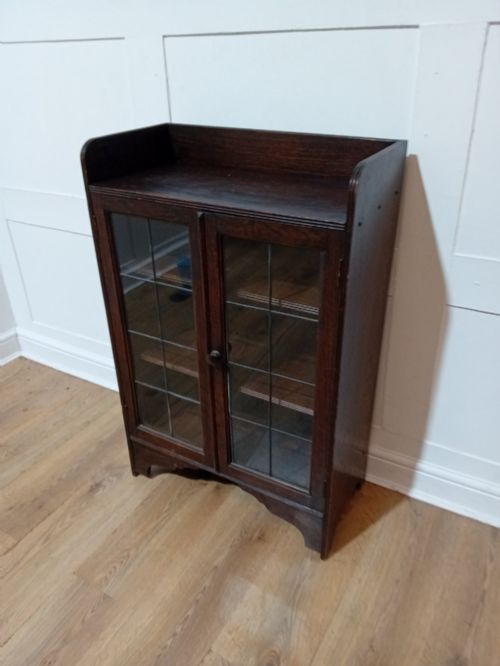
These leaded glass art pieces bring historic glazing into furniture and panels, uniting robust timber frames with soldered came work.
Leaded Glass Art
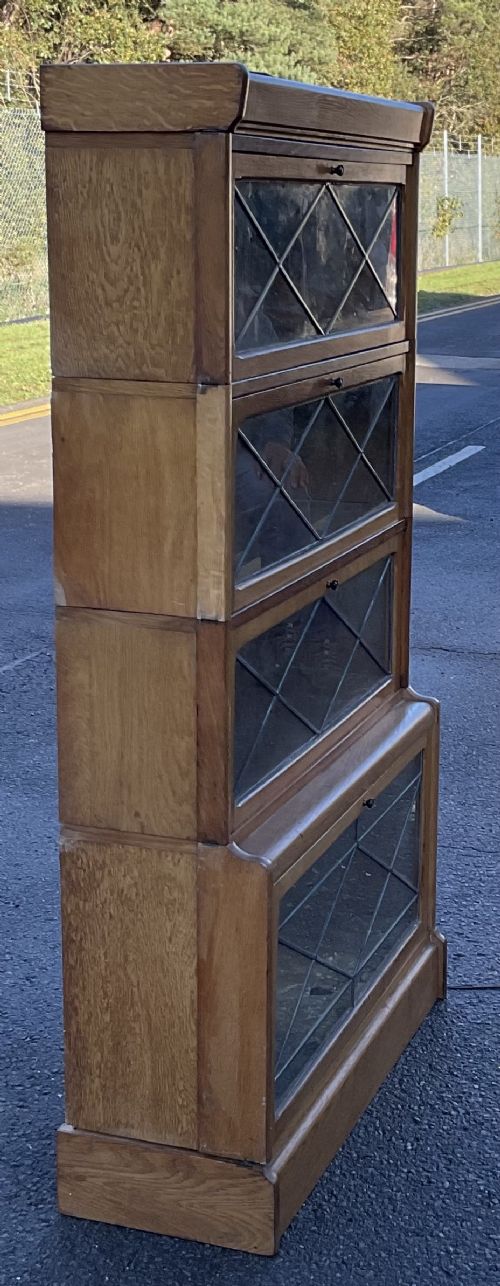
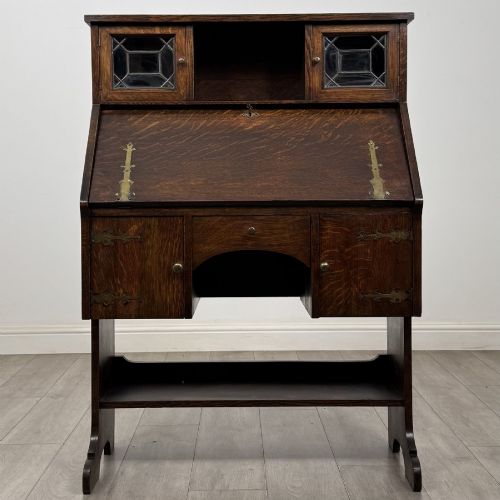
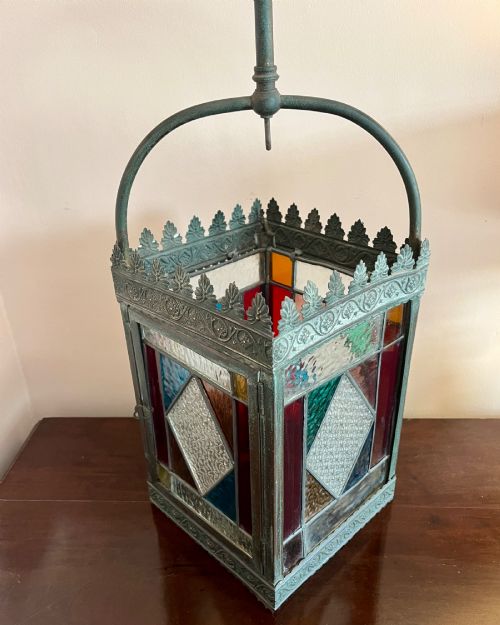
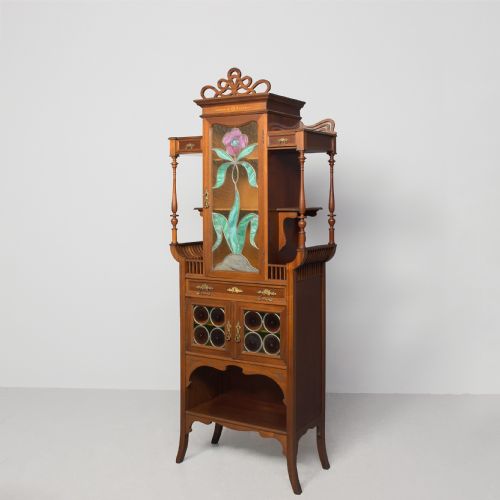
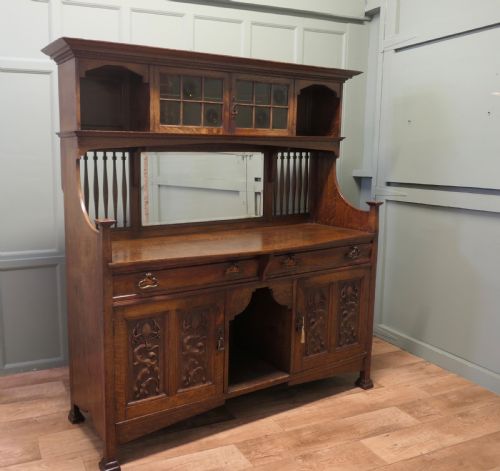
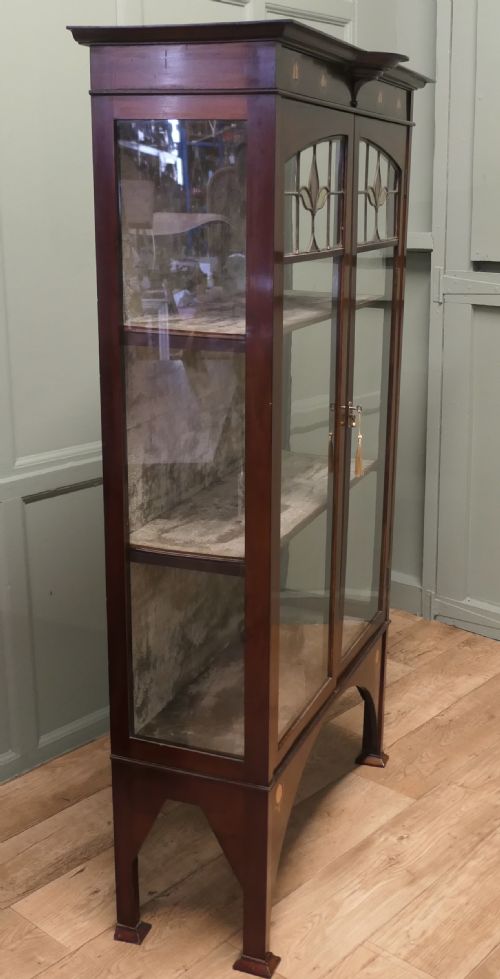
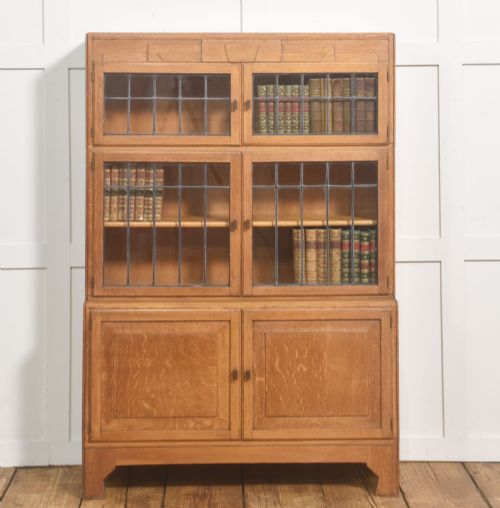
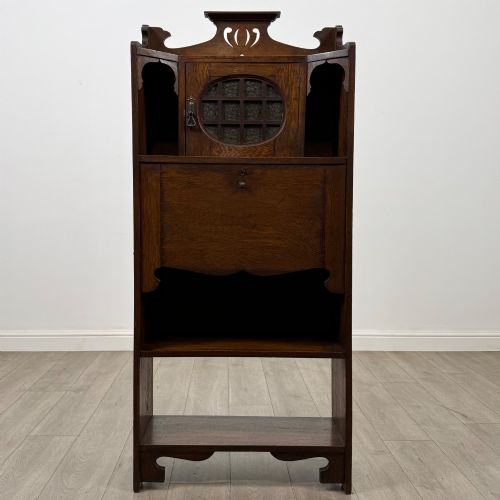
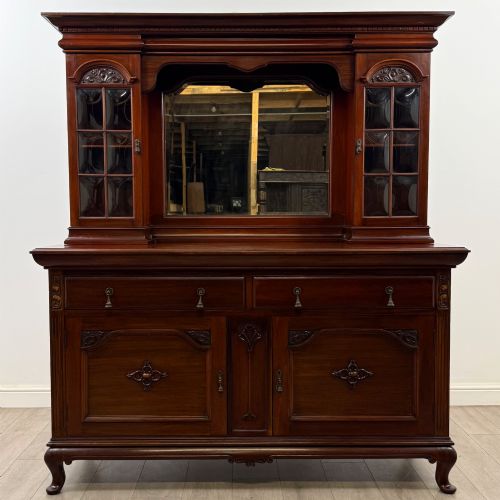
Leaded glass art primarily encompasses functional furniture fitted with glazed doors and architectural panels created across the Victorian, Edwardian, and Art Deco periods. Bookcases, display cabinets, sideboards, and hanging windows form the core of what appears in this selection.
Makers from the Arts and Crafts and Art Nouveau movements frequently housed these glazed sections within oak, mahogany, and walnut frameworks. Buyers encounter both fitted cabinet doors and standalone panels designed to diffuse light across a room.
The aesthetic bridges utilitarian storage and decorative craft, stemming from a period when workshop production relied heavily on traditional joinery combined with detailed metal and glass assembly.
Materials and Technique
Glass panels are joined using flexible lead cames, soldered at the joints to secure individual coloured or textured panes within a rigid grid. This technique allows artisans to construct geometric patterns or flowing floral motifs.
Cabinet frames are predominantly built from solid oak, mahogany, or walnut, often incorporating brass hardware, copper details, and inlaid timber borders. The timber is frequently polished or waxed to highlight natural grain patterns alongside the leadwork.
Leaded Glass Art Retail Price Guide 2026
Typical asking prices for leaded glass art among the pieces listed under this phrase on Sellingantiques today, from the lower quarter to the upper quarter. They describe what is for sale here now, not the wider market.
Listings span the Victorian, Edwardian, and Art Deco eras, combining oak, mahogany, and pine with traditional leaded glass panels.
Quality and Construction
The integrity of the soldering and the thickness of the lead cames determine the structural stability of the glazing over decades of use. Finer examples display precise came alignment and well-balanced glass weights that prevent sagging within the door frames.
Cabinetry standards differ according to the joinery methods employed, such as dovetailed drawers and solid backboards rather than cheaper veneers. The integration between the wooden door structure and the leaded insert dictates the overall longevity of the piece.
Shapland and Petter·Liberty and Co·Heal and Son·Maple and Co·Minty
The Leaded Glass Art Glossary
- Came
- A slender channel of lead, zinc, or brass used to hold pieces of glass together in a window or cabinet door. These metal strips are soldered at the intersections to form a complete network.
- Stained glass
- Glass that has been coloured during its manufacture or painted and fired in a kiln before being assembled into leaded panels. It is commonly found in cabinet doors and architectural windows.
- Globe Wernicke
- A brand of sectional barrister bookcase that utilises stacking wooden units with glazed lifting doors. These modular cases often feature leaded glass panels in the upper sections.
- Linenfold
- A style of wood carving that mimics the appearance of folded linen fabric, frequently utilised on cabinet doors and panels from the Edwardian period onward.
- Planished
- A metalworking technique where a hammer creates smooth, flat facets across the surface of copper or brass components. This finish appears on hardware and lighting frames associated with the Arts and Crafts movement.
Leaded Glass Art: Frequently Asked Questions
How do I clean leaded glass?
Use a soft cloth and a gentle, non-ammonia glass cleaner sprayed onto the cloth rather than directly onto the panel. This prevents liquid from seeping behind the lead cames and damaging the old solder or underlying timber.
Avoid abrasive pads or harsh chemicals that can scratch softer historic glass or discolour the metal work over time.
Are these cabinets structurally sturdy?
Most pieces utilise solid hardwoods like oak and mahogany with traditional joinery designed to support heavy book collections or display items. The weight of the glazed doors requires sound hinges and stable frames to prevent alignment issues.
Placing the furniture on a level surface helps maintain the door balance and ensures the leaded panels remain under proper tension.
How do I date a piece?
Examine the timber species, hardware styles, and structural characteristics alongside the overarching design movement such as Art Nouveau or Arts and Crafts. Cabinet construction methods, like hand-cut dovetails versus machine-made joints, offer clear indicators of the period.
Maker stamps, stamps on locks, or paper labels from firms like Liberty or Minty provide precise attribution when present.
Can I use these cabinets daily?
The furniture is built for everyday domestic storage, provided the shelves are not overloaded and doors are opened with care. The glazing relies on the internal lead network for support, so avoiding sudden impacts to the glass is essential.
Regularly checking the door hinges ensures the weight of the leaded panels is evenly distributed across the frame.