




Leaded Door Display Cabinet
A leaded door display cabinet brings architectural glasswork and timber together to protect and frame your collection.
Leaded Door Display Cabinet
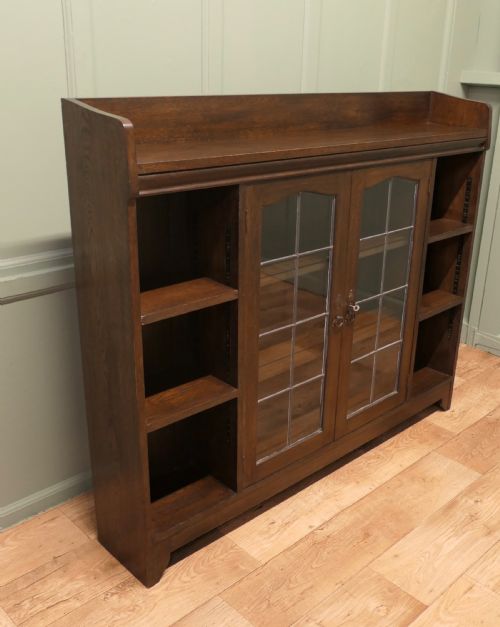
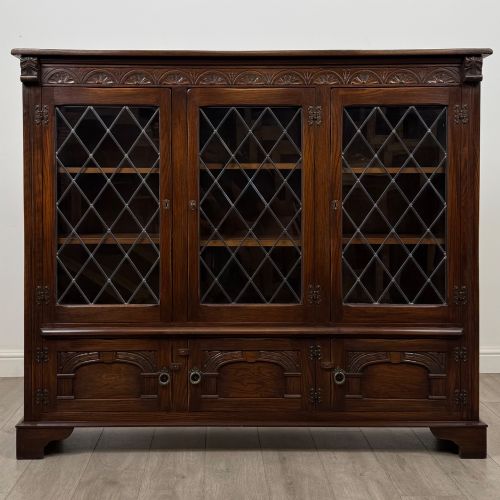
You are most likely to meet oak examples from the nineteen-twenties and the Edwardian period on this page, often showing Jacobean Revival or Arts and Crafts influences. Mahogany and walnut versions also appear alongside lighter limed oak configurations from the nineteen-thirties.
The primary purpose of these cabinets is to keep dust from valuable contents while offering a clear view through the glass. The incorporation of leaded lights adds a distinct decorative grid pattern across the doors that defines the aesthetic of the piece.
Materials and construction
Cabinet makers utilised solid oak, mahogany, and walnut for the primary frames, employing heavy timber construction particularly in Edwardian and nineteenth-century workshops. Brass and iron hardware such as hinges and handles secured the doors and added functional detail.
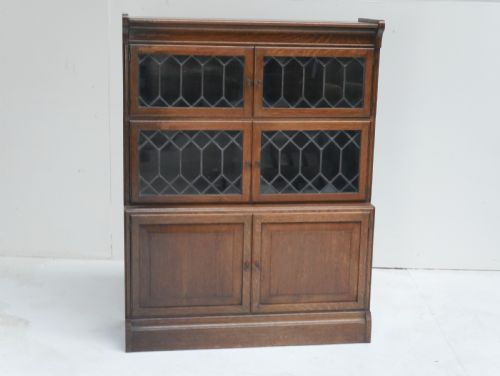
The distinctive doors required skilled glazing, where individual panes of glass are joined using lead cames and soldered at the joints to form geometric or stylistic patterns. Stacking bookcase variants relied on modular sectional boxes that allowed owners to rearrange or expand the height of the shelving unit.
Minty stacking bookcases let you rearrange your library vertically like cheerful wooden building blocks.
What separates the best from the rest
Quality in a leaded door display cabinet rests on the substance of the timber and the precision of the leadwork. Heavier oak frames and finely soldered lead cames indicate superior workshop standards compared to lighter or purely utilitarian storage.
The integration of decorative carving, such as the panels found on Jacobean Revival and Arts and Crafts examples, separates standard production from finer cabinetmaking. Well-fitted modular sections and original brass hardware further distinguish the better pieces.
Minty·Lambs of Manchester
The Leaded Door Display Cabinet Glossary
- Leaded glass
- Glass panels assembled using narrow lead strips called cames. This technique creates geometric patterns and supports multiple small panes within a single door frame.
- Arts and Crafts
- A design movement prioritising traditional craftsmanship and simple forms. Cabinets from this style often display honest construction and minimal applied ornamentation.
- Stacking bookcase
- Modular shelving units built in separate tiers that sit one upon another. This form became popular in the early twentieth century for flexible library storage.
Leaded Door Display Cabinet: Frequently Asked Questions
What is a leaded door display cabinet?
A leaded door display cabinet is a storage piece featuring glass doors held together by lead cames. These cabinets range from nineteenth-century bookcases to nineteen-thirties limed oak storage units.
They serve to protect books and ceramics while offering a decorative grid pattern across the glazing.
How do I date an oak display cabinet?
Dating relies on stylistic clues and construction methods seen across different eras. Edwardian and nineteenth-century pieces often feature heavy carved oak, whereas nineteen-twenties and thirties models show lighter finishes or modular stacking designs.
Examining the hardware and timber preparation helps confirm the period of manufacture.
Where were these cabinets used?
These cabinets were primarily built for domestic libraries, studies, and principal reception rooms. Their glass doors kept fine bindings and display items safe from soot and dust in coal-heated homes.
Today they function similarly in modern living spaces to house collections of books or glassware.
What is a stacking bookcase?
A stacking bookcase consists of individual glazed shelving tiers that stack vertically. This modular design allowed owners to add sections as their book collections grew.
Minty produced notable examples of this practical form during the early twentieth century.