
Oak Cupboard Display Unit
An oak cupboard display unit brings solid timber grain and useful shelving into a room, joining storage with exhibition space.
Oak Cupboard Display Unit
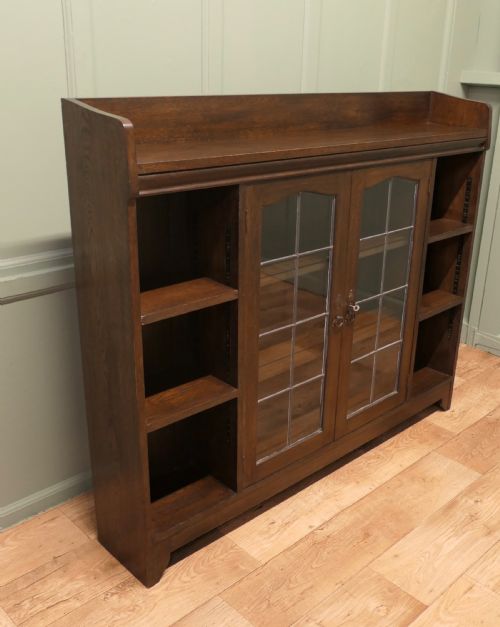
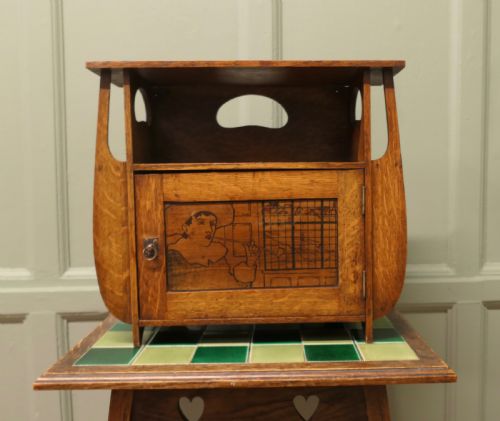
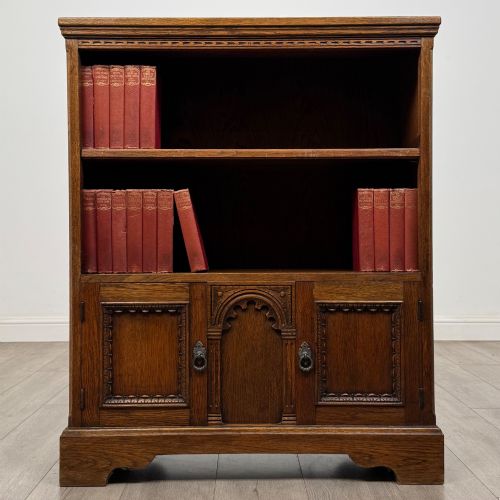
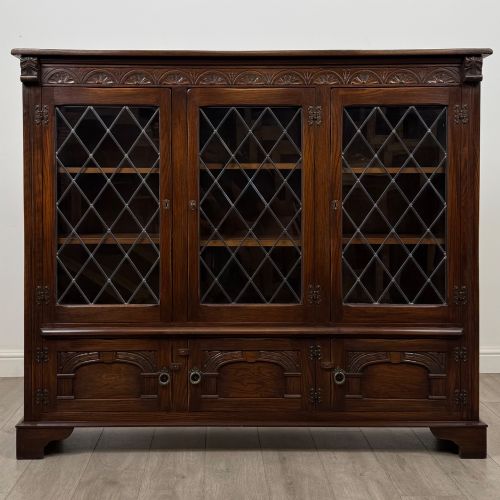
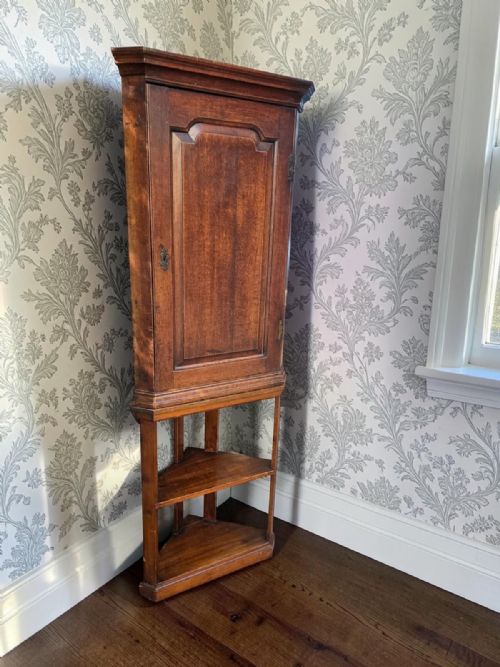
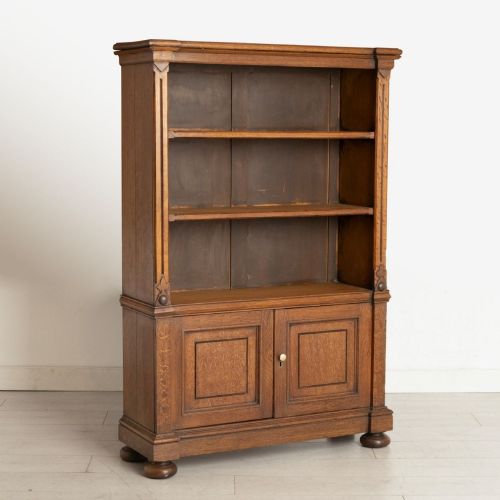
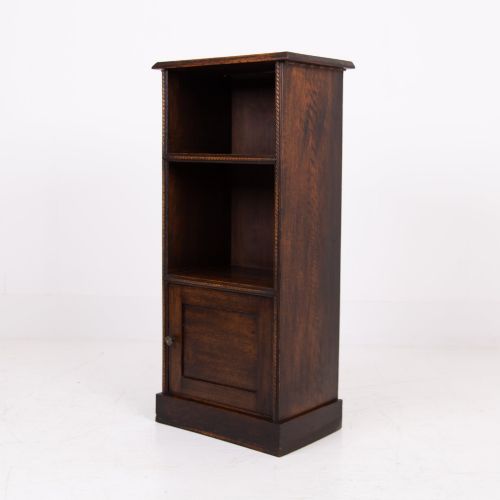
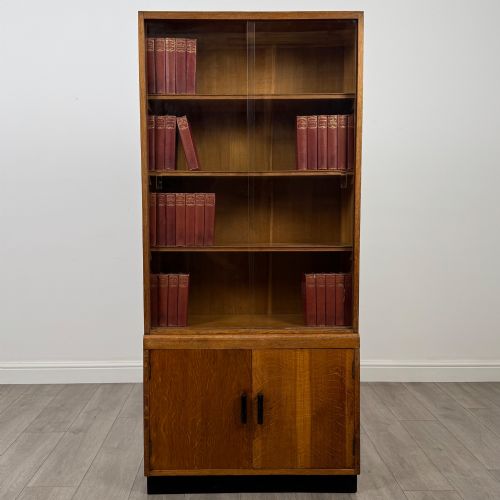
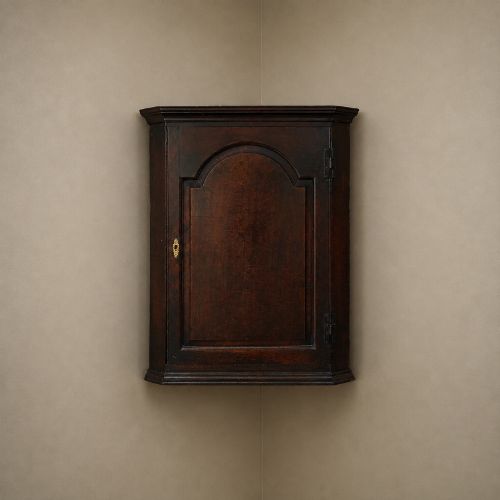
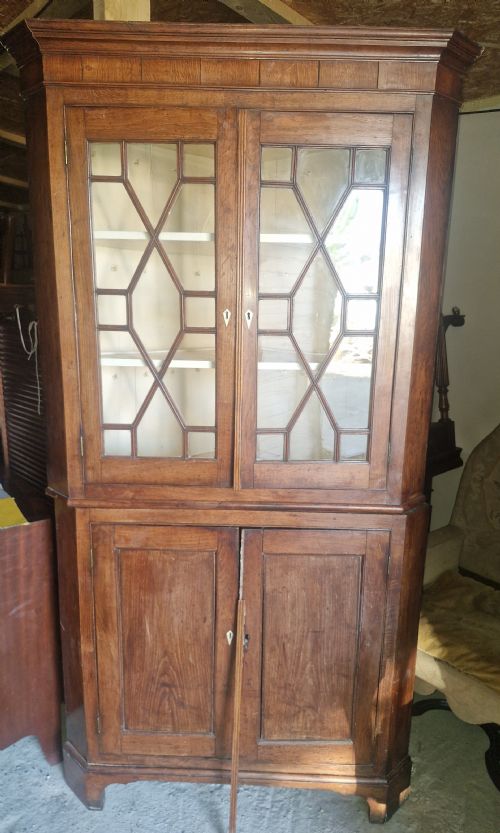
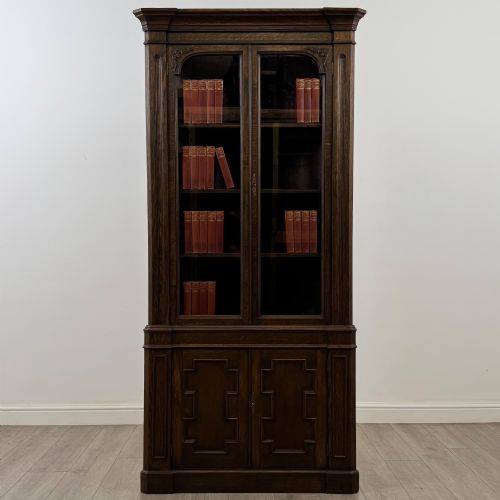
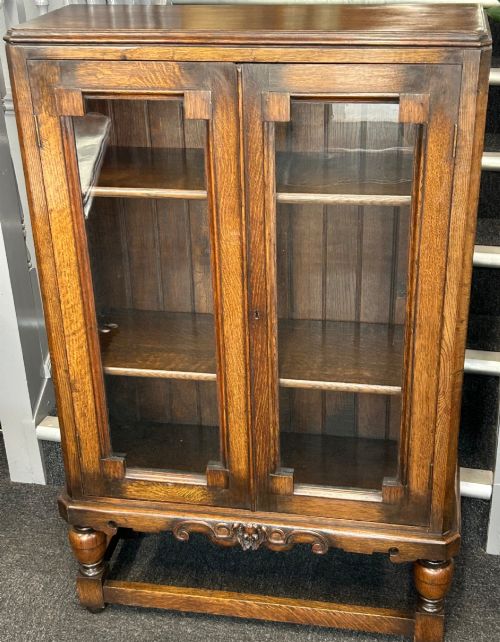
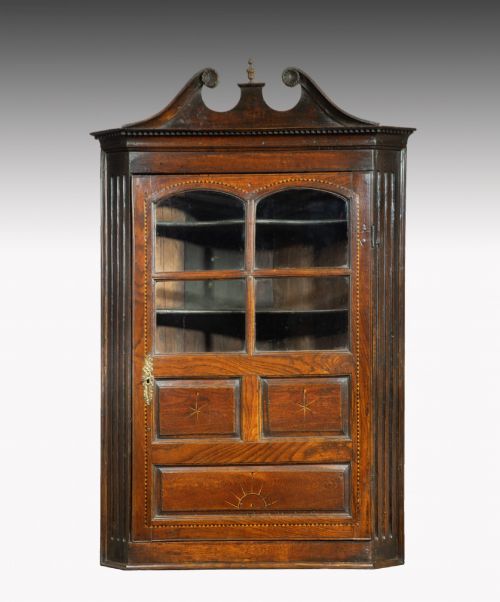
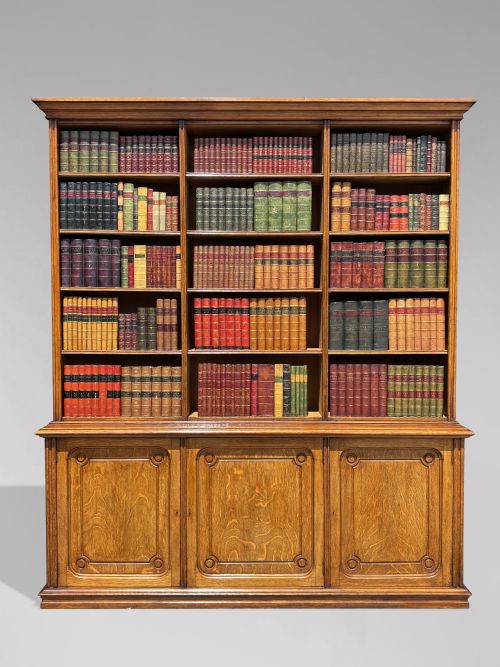
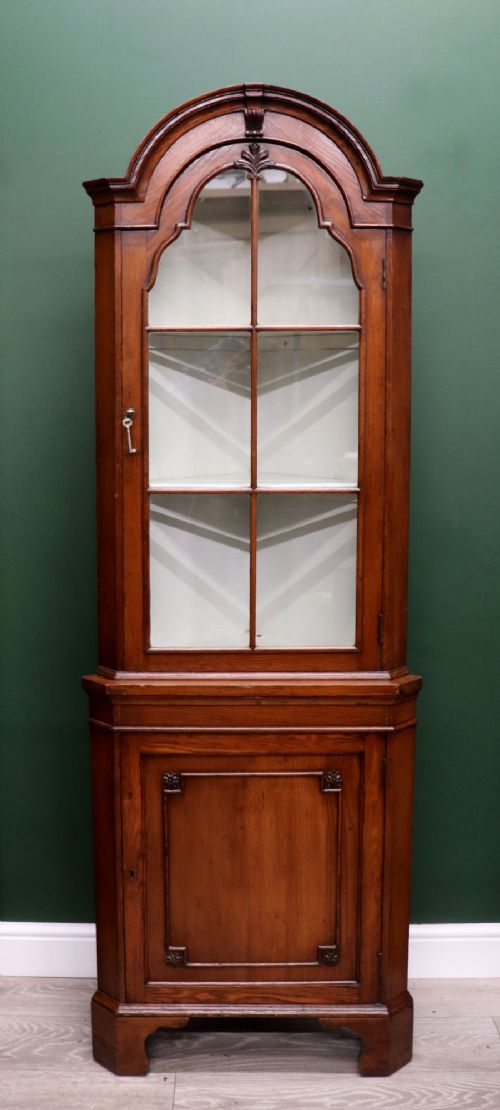
An oak cupboard display unit combines timber storage with visible shelving, taking forms such as corner cabinets, wall-hanging cupboards, and two-part floor-standing furniture. These pieces serve to house collections or everyday wares while keeping interiors organised.
The selections span centuries, reaching from the eighteenth century through Victorian and Edwardian eras into the nineteen-twenties and nineteen-thirties. Buyers frequently encounter corner formats and glazed bookcases designed to fit domestic spaces efficiently.
Stylistic expressions vary widely across the inventory, ranging from plain Georgian proportions and French provincial builds to revivalist Jacobean, Tudor, and Arts and Crafts details. Each period leaves a distinct stamp on cornice mouldings, door panels, and overall scale.
Materials and technique
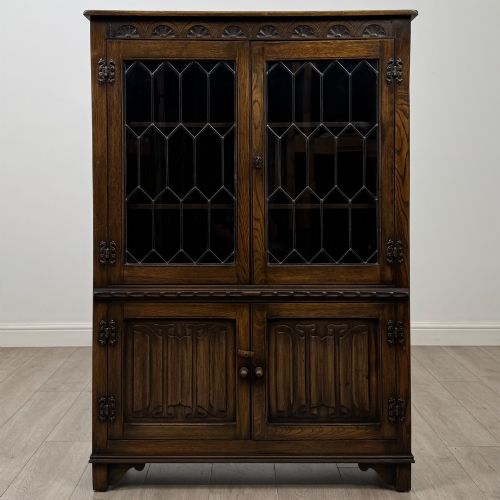
Makers built these pieces primarily from solid oak, sometimes combining it with secondary timbers like pine, beech, or mahogany, and occasionally adding wood inlay. Glazing relies on fitted glass panes held by lead or wooden glazing bars.
Hardware consists of brass hinges, escutcheons, and iron fittings, which secure doors and drawers. Surface treatments include linenfold carving, linen or beaded edges, architectural cornices, and applied mouldings.
Object types span corner cabinets, bookcases, display cabinets, dressers, and haberdashery cabinets dating from the eighteenth century onward.
What varies in quality
Quality rests on the crispness of the timber carving, the precision of panel joinery, and the integrity of the original hardware and glass. Pieces retaining their historic surfaces and well-fitted doors command higher regard than heavily altered examples.
Proportion and architectural detailing distinguish finer workshop output from simpler vernacular items. Well-balanced cornices, tight corner joints, and clean interior shelving elevate the execution of the design.
The Oak Cupboard Display Unit Glossary
- Linenfold
- A style of wood carving that mimics folded linen cloth, frequently seen on panelled doors of sixteenth-century style cabinets. It adds texture and vertical emphasis to flat wooden surfaces.
- Glazed
- Fitted with glass panels to allow visibility of the interior contents while protecting them from dust. This treatment defines display cabinets and bookcases.
- Cornice
- The decorative moulding crowning the top of a cabinet or cupboard. It provides a finished architectural transition between the wall and the furniture piece.
- Escutcheon
- A protective plate surrounding a keyhole, usually fashioned from brass. It guards the surrounding wood from wear caused by the insertion of keys.
- Bracket foot
- A simple structural support projecting beneath the base corners of a case piece. It lifts the body of the cupboard slightly off the floor.
Oak Cupboard Display Unit: Frequently Asked Questions
How do I date an oak corner cupboard?
Dating relies on examining construction methods, hardware, and stylistic motifs such as fielded panels or revival details. Earlier eighteenth-century examples show hand-planed timbers and pegged joints, whereas later nineteenth and twentieth-century versions incorporate machine-cut elements.
Hardware changes also offer clues, as hand-forged iron hinges give way to standardised brass butts in later periods. Comparing the cornice and foot style against known architectural trends helps narrow the decade of manufacture.
Can these cabinets support heavy book collections?
Many of these pieces function as bookcases with sturdy oak shelving designed to bear significant weight. However, checking the thickness of the shelves and the support battens inside the cabinet is essential before loading heavy volumes.
Older shelves may sag over centuries if overloaded, so redistributing heavy items or adjusting internal supports ensures the timber remains stable. Wall-fixing brackets should also be considered for tall or top-heavy floor-standing units.
How do I care for antique oak furniture?
Maintaining oak furniture involves keeping pieces away from direct heat sources and fluctuating humidity to prevent wood splitting. Regular dusting with a dry, soft cloth preserves the finish without the buildup of heavy waxes.
Applying a traditional beeswax sparingly once or twice a year nourishes the grain and maintains a soft sheen. Avoid modern silicone sprays, as they can penetrate the pores and damage the historic patina.