


Late Victorian Shelving
Late victorian shelving brings domestic order through timber cabinets, open bookcases, and multitiered etageres built to hold a growing Victorian library.
Late Victorian Shelving
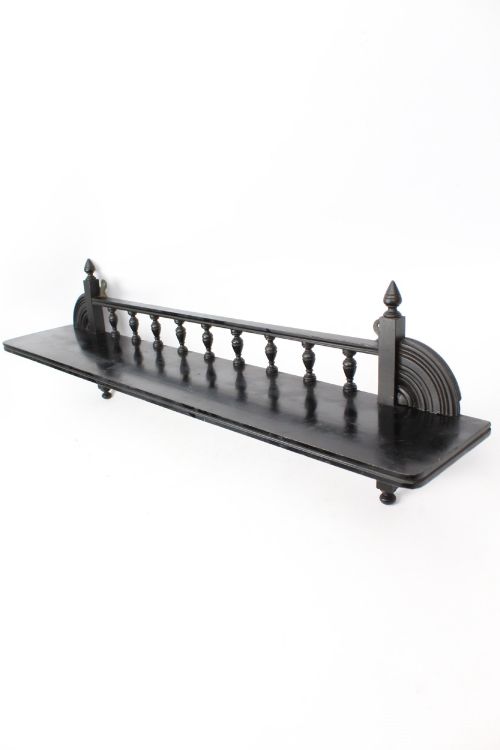
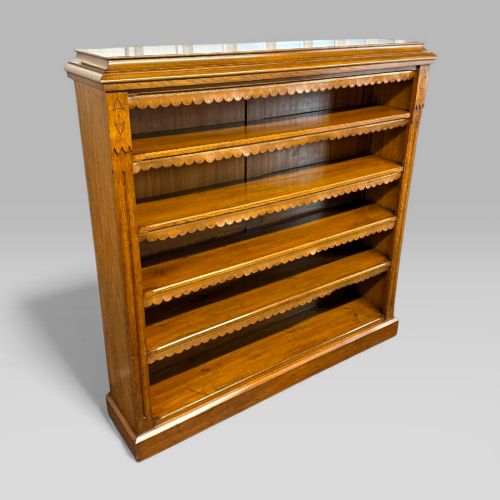
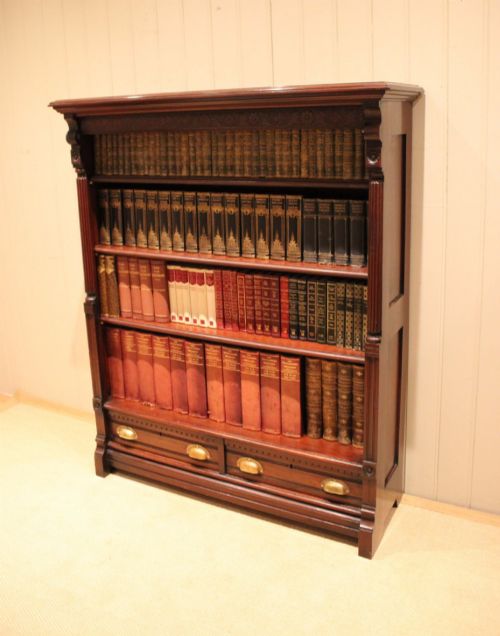
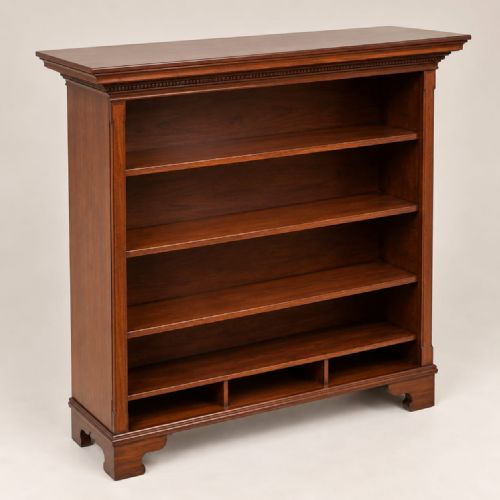
When you search for late victorian shelving, you encounter practical furniture designed for nineteenth-century homes, dominated by open bookcases, wall brackets, and etageres. The pieces on this page span the late nineteenth century into the early twentieth century, reflecting the domestic habits of the period.
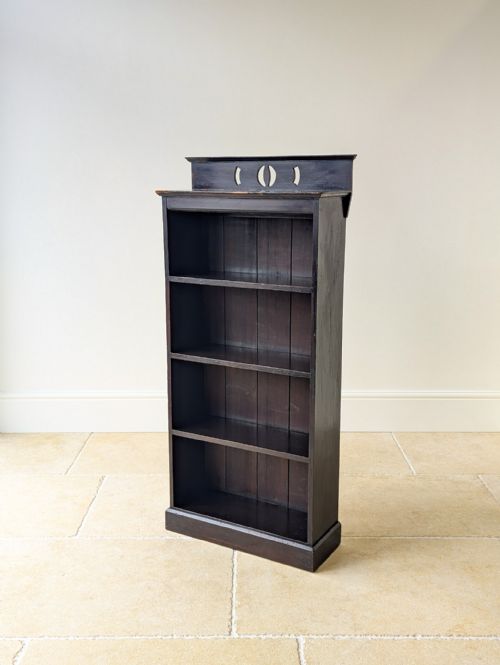
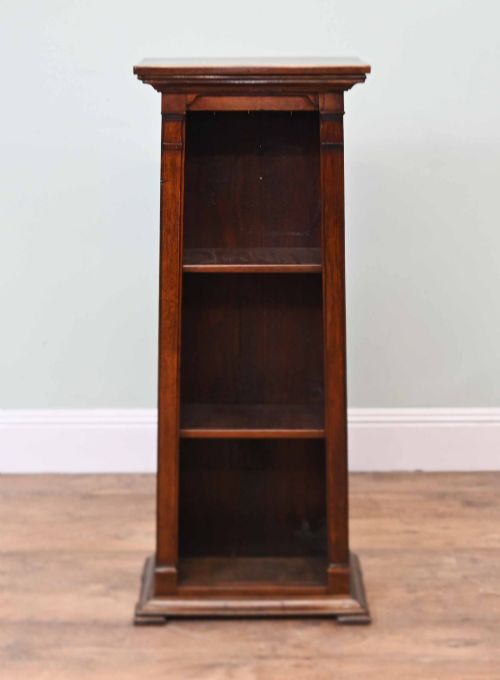
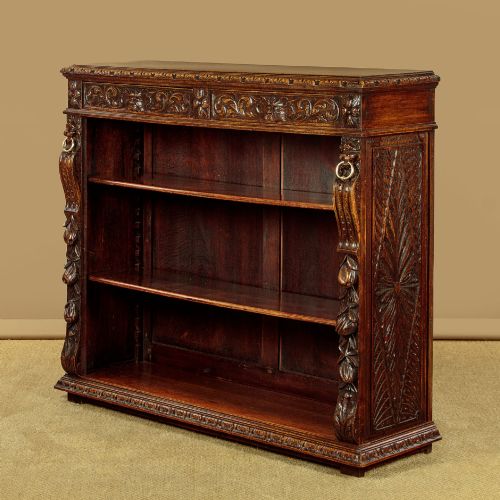
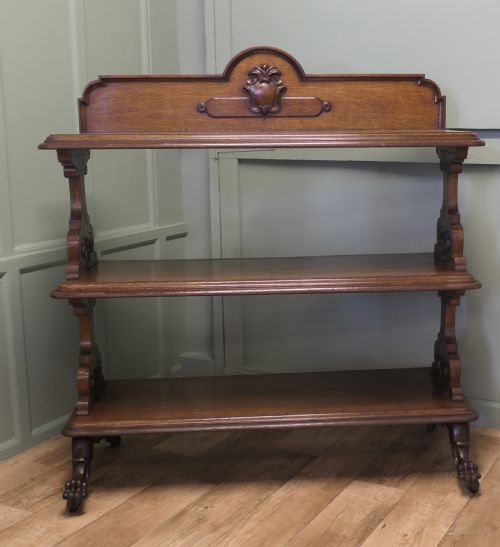
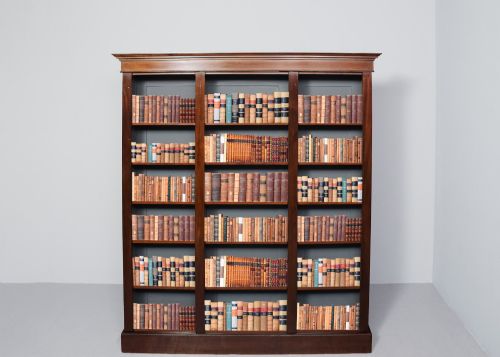
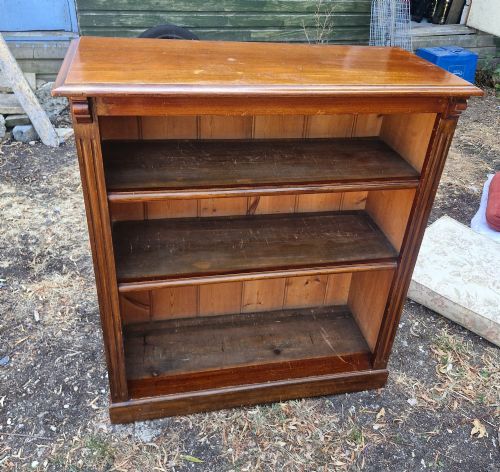
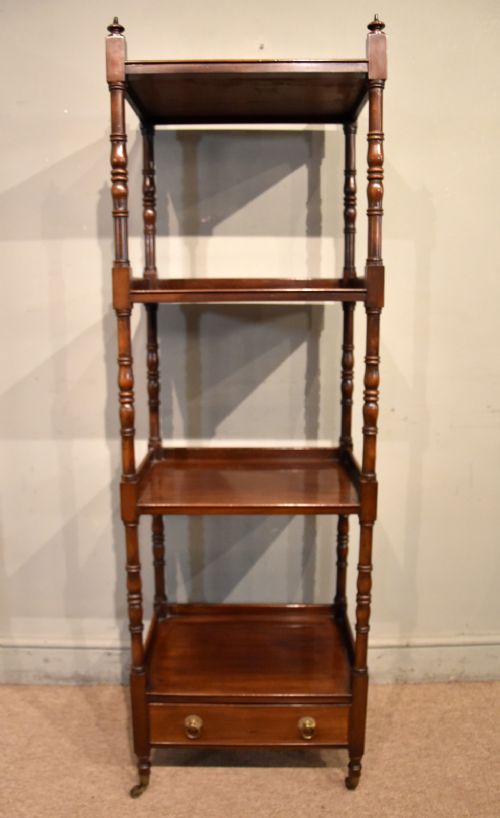
Open bookcases form the core of what you will find, ranging from dwarf models to large two-part tall library fixtures with adjustable shelves. Alongside these stand smaller display pieces like four-tier whatnots, corner cabinets, and hanging wall units.
Makers and designers of the era utilised various revival styles alongside the Aesthetic Movement, producing walnut, oak, and mahogany furniture with carved or inlaid details. These items served both functional storage needs and decorative display purposes in Victorian interiors.
How they were made
Cabinet makers constructed these pieces primarily from solid hardwoods such as mahogany, oak, and walnut, alongside softer timbers like pine and ebonised wood. Workshops employed traditional joinery techniques to build sturdy carcases capable of supporting heavy volumes and decorative objects.
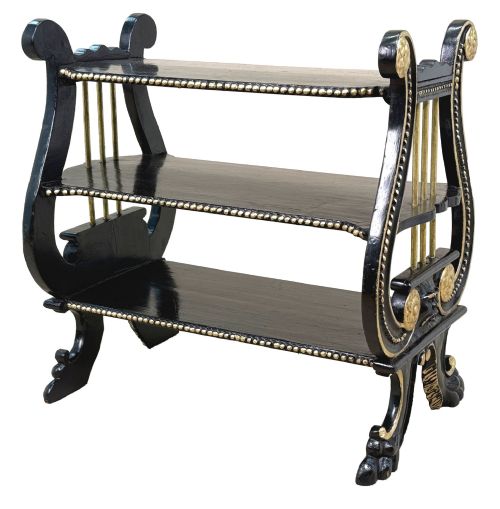
Surface treatments included fine wood veneers, marquetry inlay, parcel gilding, and brass castors fitted to larger cabinet bases. Carved ornamentation drew upon Renaissance, Gothic, and Rococo revivals, while bamboo and terracotta appeared in pieces influenced by the Aesthetic Movement.
Late Victorian Shelving Retail Price Guide 2026
Typical asking prices for late victorian shelving among the pieces listed under this phrase on Sellingantiques today, from the lower quarter to the upper quarter. They describe what is for sale here now, not the wider market.
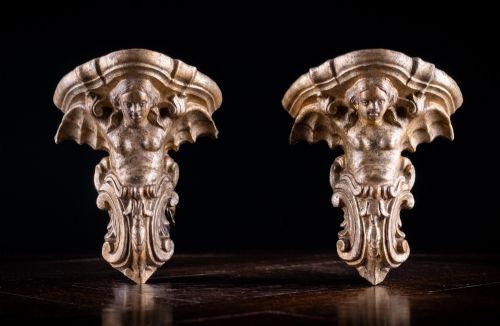
Winged sirens made of terracotta occasionally kept watch over Victorian books.
What varies in quality
Quality rests upon the selection of timber, the precision of the joinery, and the refinement of any carved or inlaid decoration. Superior examples display carefully matched wood grains and crisp detailing that hold the eye across the entire piece.
The integration of functional elements, such as smoothly operating adjustable shelf mechanisms and original brass hardware, separates standard workshop production from finer cabinet work.
Edwards & Roberts·Cottier & Co·Lambs of Manchester·Shoolbred & Co
The Late Victorian Shelving Glossary
- Étagère
- A piece of furniture consisting of a set of open shelves for displaying small ornaments. These multi-tiered stands were popular for showing off ceramics and glassware in Victorian drawing rooms.
- Whatnot
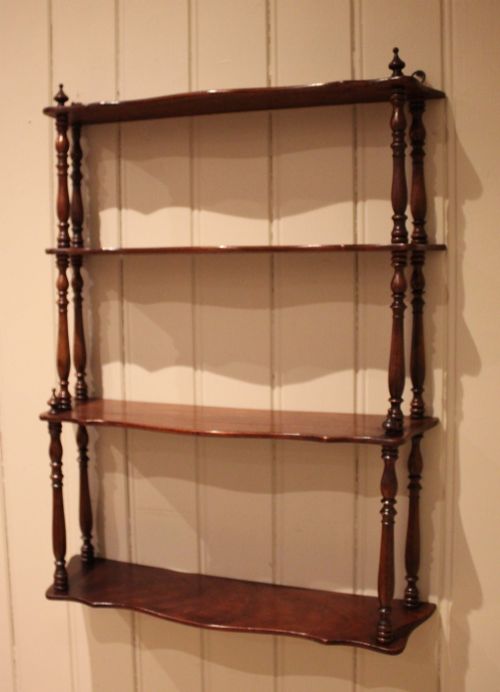
- A freestanding set of open shelves used for storage or display. They typically feature three or four tiers supported by slender uprights and sometimes incorporate small drawers or mirrors.
- Waterfall bookcase
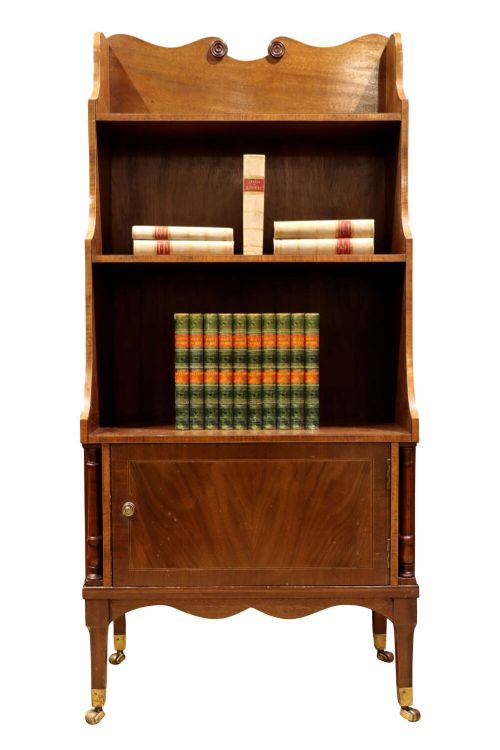
- A tiered shelving unit where each successive shelf is set back from the one below it, creating a stepped profile. This design gained favour during the nineteenth century for smaller volumes and decorative items.
- Parcel-gilded
- Partially covered with gold leaf or a gilt finish to highlight specific carved details. This technique added contrast against ebonised or dark wood surfaces in Victorian furniture.
- Aesthetic Movement
- A late nineteenth-century design style that emphasised visual beauty over narrative subject matter. Furniture from this movement often incorporated ebonised finishes, bamboo, or inlaid satinwood.
Late Victorian Shelving: Frequently Asked Questions
What is late victorian shelving?
Late victorian shelving encompasses the bookcases, etageres, wall brackets, and whatnots produced during the final decades of the nineteenth century. These items were designed to organise books and display decorative ornaments in homes influenced by various revival and Aesthetic styles.
Cabinet makers used woods like mahogany, oak, and walnut to build these functional storage pieces. They range from simple open front bookcases to large, intricate library fixtures with adjustable shelves.
How were open bookcases used?
Open bookcases provided immediate access to reference books, novels, and bound journals within Victorian studies, libraries, and parlours. Their adjustable shelving allowed households to accommodate volumes of varying heights as collections grew.
Smaller iterations often sat in reception rooms for everyday reading material, while taller two-part bookcases served as permanent architectural furniture in larger domestic libraries.
What are etageres and whatnots?
Etageres and whatnots are multi-tiered shelving units designed specifically for the display of decorative objects rather than heavy book storage. They allowed Victorian homeowners to exhibit imported ceramics, small sculptures, and glassware.
These freestanding or hanging display pieces often featured turned supports, mirrors, and small drawers, combining vertical storage with decorative woodwork.
How do I identify different styles?
Identifying the style of late Victorian shelving involves looking at the choice of wood, decorative motifs, and overall silhouette. Pieces influenced by the Aesthetic Movement often feature ebonised wood, bamboo, or delicate satinwood inlay, whereas Renaissance or Gothic revival items display heavy carved ornamentation.
Cabinet makers also drew inspiration from Georgian and Rococo traditions, applying proportions and carving techniques from earlier centuries to late nineteenth-century forms.